

You don’t need to be a perfect parent to raise happy, healthy kids. Embracing “good enough” parenting allows you to build deeper connections and foster resilience in your children. When you let go of perfection, you open the door to valuable lessons. Focus on emotional intelligence and cherish everyday moments, as they create lasting memories. Remember, your imperfections are part of the journey. There’s so much more to discover about nurturing these essential traits in your parenting.
Key Takeaways
- Perfect parenting is a myth; embracing imperfections fosters a healthier parenting journey and emotional growth for both parents and children.
- Children benefit when parents focus on emotional intelligence rather than adhering to rigid parenting rules or striving for perfection.
- Everyday moments of connection, like sharing laughter or providing comfort, create lasting memories and strengthen parent-child relationships.
- Flexibility in parenting allows adaptability to children’s evolving needs, making it easier to respond to their developmental challenges.
- Learning from mistakes and celebrating small victories helps build resilience and compassion in children, equipping them for future challenges.

Have you ever felt the pressure to be the perfect parent? The idea of flawless parenting is a myth that can leave you feeling overwhelmed and inadequate. The truth is, embracing the notion of being “good enough” can greatly enhance your parenting journey. Research shows that children thrive when their parents acknowledge their imperfections and focus on emotional intelligence rather than strict adherence to parenting rules. Additionally, evidence suggests that supportive communities play a crucial role in helping parents navigate the challenges of early parenthood.
Embracing “good enough” parenting fosters emotional intelligence and allows children to thrive despite imperfections.
When you let go of the need to be perfect, you open yourself up to the valuable lessons that come from real-life experiences. It’s natural to feel frustrated or challenged while raising children, but recognizing these feelings can lead to healthier emotional responses. Instead of aiming for perfection, consider how quality interactions in everyday moments build strong relationships. Gentle parenting emphasizes connection over control, allowing you to respond to your child’s behavior with understanding instead of frustration. Moreover, good grief practices can help you process emotions healthily, which is essential when navigating parenting challenges.
You might think structured activities are essential for bonding, but it’s often the little moments that matter most. Sharing a laugh during a silly game or comforting your child after a tough day can create lasting memories. These interactions help foster resilience in both you and your child, reinforcing the idea that it’s okay to stumble along the way. Additionally, the power of imagination can help you envision new ways to connect with your child and navigate challenges together.
As you navigate the complexities of parenting, remember that letting go of perfection allows you to adapt to your child’s evolving needs. Each developmental stage brings its unique challenges, and being flexible helps you respond more effectively. Rather than fixating on what you think a perfect parent should be, focus on being present and emotionally available.
Parenting myths can be disheartening, but they also provide an opportunity to redefine what success looks like. By embracing a “good enough” mindset, you encourage a nurturing environment that prioritizes emotional connection over perfection. You’ll find that your ability to grow alongside your child creates a strong foundation for their development.
Ultimately, being a good enough parent means learning from your mistakes and celebrating the small victories. By fostering emotional intelligence and understanding in your home, you’re not just raising children; you’re nurturing resilient, compassionate individuals who’ll carry those valuable lessons into their own lives.

Raising Emotionally Strong Boys: Tools Your Son Can Build On for Life | Parenting Guide | Help Your Son Grow Emotional Intelligence and Improve Mental Health
As an affiliate, we earn on qualifying purchases.
As an affiliate, we earn on qualifying purchases.
Frequently Asked Questions
What Is the 7 7 7 Rule for Parenting?
The 7 7 7 Rule for parenting suggests you dedicate seven minutes each day to focused interaction with your child, ensuring meaningful connections.
Each week, spend seven minutes connecting with their interests or activities, helping you understand and support them better.
Finally, set aside seven hours each month for family activities, promoting bonding.
What Are the 3 C’s of Parenting?
The 3 C’s of parenting are Connection, Communication, and Consistency.
Building strong emotional bonds through shared experiences helps your child feel secure. Engage in effective communication to encourage open dialogue, allowing them to express their thoughts and emotions freely.
By maintaining consistency in your parenting practices, like setting clear boundaries, you help your child understand expectations and feel safe.
Prioritizing these elements fosters emotional well-being and resilience in your child.
What Is Panda Parenting?
Panda parenting is all about embracing the idea that you don’t have to be a perfect parent. Instead of aiming for perfection, you focus on being “good enough,” recognizing that your emotional presence matters more than flawless execution.
You prioritize quality interactions with your children, accepting mistakes as part of the journey. This approach fosters self-compassion and emotional awareness, creating a supportive environment where both you and your children can grow together through life’s challenges.
What Is the Number One Rule of Parenting?
The number one rule of parenting is working towards being a “good enough” parent about 70% of the time. You can’t expect perfection, and aiming for it can just lead to stress.
Instead, focus on nurturing your connection with your child and showing love. Remember, it’s okay to make mistakes; those teach valuable lessons.
Embracing imperfections allows you to create a supportive environment where your child can thrive emotionally and learn resilience.
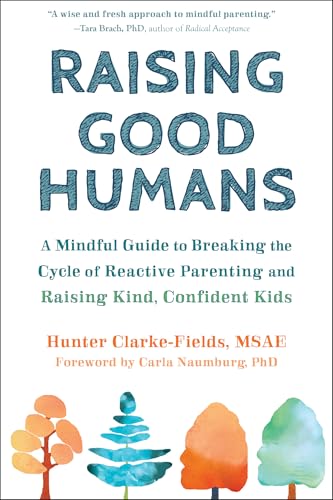
Raising Good Humans: A Mindful Guide to Breaking the Cycle of Reactive Parenting and Raising Kind, Confident Kids
As an affiliate, we earn on qualifying purchases.
As an affiliate, we earn on qualifying purchases.
Conclusion
In the grand tapestry of parenting, perfection is merely an illusion. Embrace your imperfections; they’re the threads that weave authenticity into your journey. You don’t need to have all the answers or create a flawless environment. Instead, focus on being present and loving—those are the true gifts you can offer your children. Remember, it’s not about being perfect; it’s about being real. So, let go of the myth and celebrate the beautiful mess that is parenting.

I'm Possible: A Kid's Guide To Building Resilience
As an affiliate, we earn on qualifying purchases.
As an affiliate, we earn on qualifying purchases.

Child, Family, School, Community: Socialization and Support (Standalone Book)
Cengage Learning
As an affiliate, we earn on qualifying purchases.
As an affiliate, we earn on qualifying purchases.