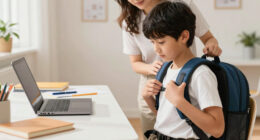

TL;DR
Ergonomic backpacks for students distribute weight evenly, fit properly, and offer comfort, helping prevent back pain. Choosing the right features and fit matters more than brand names.
Prioritize adjustable straps, padded back panels, and lumbar support for maximum comfort.
Keep backpack weight below 10-15% of your child’s body weight to prevent health issues.
Look for ventilation features to reduce sweating and discomfort during long days.
Test the fit with the loaded backpack on your child before buying.
Invest in brands that blend ergonomic support with durability and lightweight materials.
How to Pick a Backpack That Won’t Hurt Their Back
Choosing an ergonomic backpack starts with understanding what makes it different. It’s not just about cool colors or size. It’s about how the pack fits and distributes weight. Look for adjustable straps, padded back panels, and a shape that follows your child’s spine. For example, a student carrying 15 pounds should have a backpack that feels balanced, not stiff or bulky, to avoid strain. Make sure the backpack’s weight stays below 10-15% of your child’s body weight; otherwise, it can cause long-term back issues. When shopping, test how the pack feels when filled with books—does it sit comfortably without pulling forward or sagging? That’s the key to a good fit.
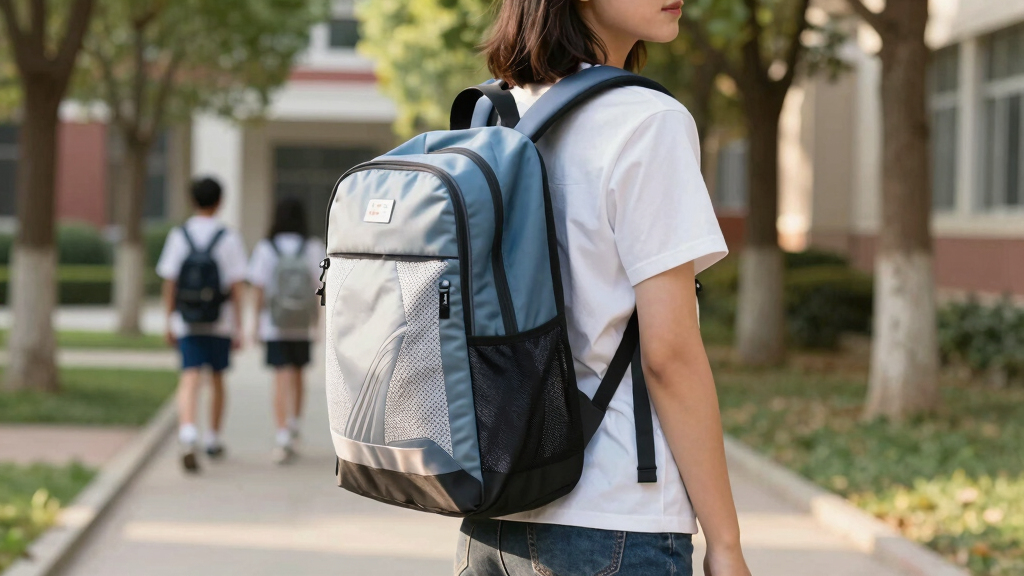
ergonomic student backpack with adjustable straps
As an affiliate, we earn on qualifying purchases.
As an affiliate, we earn on qualifying purchases.
The Must-Have Features in Modern Student Backpacks
Today’s ergonomic backpacks pack more than just basic support. Here’s what to look for:
- Contoured back panels that follow your child’s spine, reducing pressure points.
- Adjustable shoulder straps to fit different body sizes perfectly.
- Padded straps and back panels for comfort during long walks.
- Chest and waist straps to stabilize the load and prevent the pack from swinging.
- Ventilation features like breathable mesh to keep sweat at bay.
These features matter because they directly influence how well the backpack supports your child’s body during daily activities. For example, contoured back panels distribute pressure evenly, preventing localized soreness and helping maintain spinal alignment. Adjustable straps ensure the pack fits snugly without causing pinching or slipping, which could lead to uneven weight distribution. Padded straps and ventilation aren’t just comfort perks—they actively reduce muscle fatigue and overheating, which can cause discomfort and distract from learning. Incorporating these features means fewer postural issues and less muscle strain over time, making the backpack a true health-support tool rather than just a fashion statement.
Compare the Top 3 Ergonomic Backpack Brands for Students
| Brand | Key Features | Price Range | Best For |
|---|---|---|---|
| ErgoKid | Contoured back, adjustable straps, lightweight fabrics | $50–$80 | Primary school students needing basic support |
| HealthPack | Memory foam padding, ventilation, lumbar support | $70–$120 | Middle schoolers with longer school days |
| EcoFit | Recyclable materials, ergonomic design, ventilated back | $60–$100 | Environmentally conscious teens |
While prices vary, focusing on fit and features is more important than brand alone. For example, a student with a slightly heavier load benefits from lumbar support and ventilation, which some brands excel at providing. Choosing the right brand involves understanding how each feature addresses specific needs—like lumbar support for heavier loads or ventilation for active kids—so you can weigh the tradeoffs between cost, durability, and ergonomic benefits. Remember, investing in a backpack with well-designed features can prevent discomfort and long-term health issues, making it a worthwhile choice despite higher prices.
Step-by-Step: How to Adjust and Fit a Backpack Properly
- Load the backpack with typical books and supplies to mimic daily weight.
- Put it on your child’s back, tightening straps gradually for a snug fit.
- Adjust shoulder straps so the pack sits just below the shoulders, not hanging low.
- Check that the backpack doesn’t sway side to side when walking.
- Ensure the bottom of the pack is about 2 inches above the waistline.
- Make sure straps are not too tight or too loose—comfort is key.
Proper fitting isn’t just about convenience; it’s a critical step in ensuring ergonomic support. When a backpack fits well, it helps maintain the natural curves of your child’s spine and prevents uneven weight distribution that can lead to muscle fatigue or pain. Adjusting straps to sit just below the shoulders ensures the load is carried close to the body’s center of gravity, reducing strain on the shoulders and back. The correct position—about 2 inches above the waist—helps keep the weight balanced and prevents the pack from pulling backward or sagging, which can cause discomfort and postural issues over time. Remember, a well-fitted backpack is a proactive way to prevent discomfort and promote good posture, especially during growth spurts when the body is most vulnerable.
Why Ergonomic Backpacks Are a Game Changer for Growing Kids
Ergonomic backpacks do more than look good—they actively protect your child’s developing body. A well-designed pack offers better weight distribution, which can cut down on back and shoulder pain by up to 50%, according to recent research. Think of it like giving your child a supportive friend instead of a heavy burden. Especially during growth spurts, when bones and muscles are still developing, proper support helps prevent long-lasting postural problems. For example, a middle schooler who switches to an ergonomic pack reports less shoulder soreness and better posture after just a week of use. This simple change can set a foundation for healthier habits that last a lifetime. When a backpack is designed with the child’s growth in mind, it encourages proper posture naturally, reducing the risk of developing chronic issues like rounded shoulders or spinal misalignment. The long-term health benefits are significant—by investing in ergonomic support now, you’re helping your child develop habits that promote lifelong spinal health and comfort.