
TL;DR

Turn the school run and nap time into listening time
- Thousands of audiobooks, podcasts and originals
- Listen on your phone, tablet or Echo — also offline
- Cancel anytime
Ergonomic backpacks for students are designed to distribute weight evenly, support proper posture, and reduce strain. Recent innovations like ventilation channels and smart features improve comfort and safety. Investing in the right backpack can prevent back pain and promote better health.
Choose backpacks with adjustable straps and contoured back panels for a perfect fit.
Prioritize lightweight, durable materials that evenly distribute weight.
Recent innovations like ventilation channels and modular compartments boost comfort and support.
Always measure your child’s torso to pick the right size and avoid overload.
Avoid backpacks that hang too low or are too heavy, as they cause strain and discomfort.
How to Spot an Ergonomic Backpack That Truly Supports
Ergonomic backpacks are all about fit, support, and comfort. They aren’t just trendy—they’re designed to protect your child’s health.
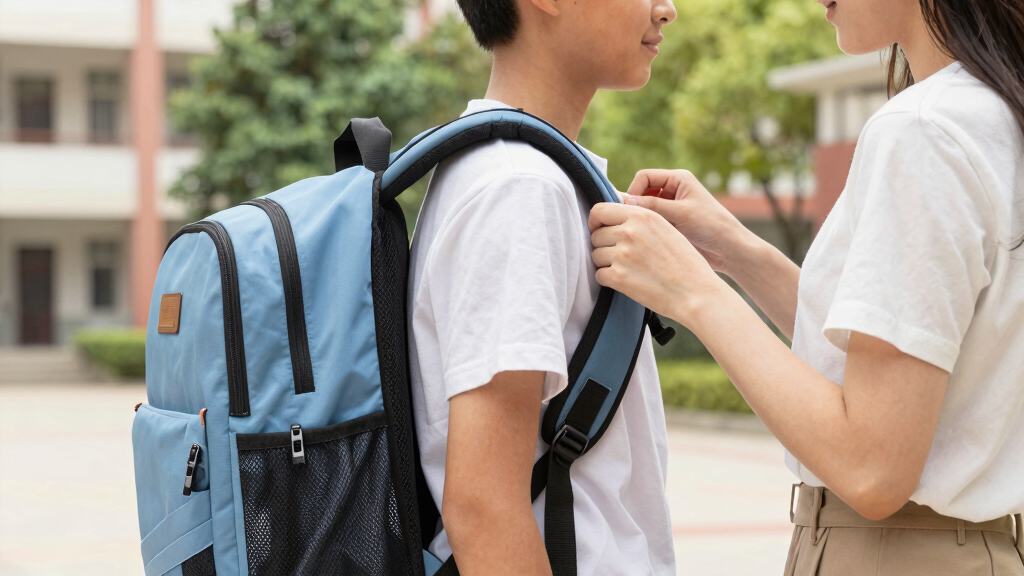
Look for adjustable straps that let you customize the fit. Padded shoulder straps and a contoured back panel that follows the spine’s natural curve are key features.
For example, a backpack with thick, padded straps and a ventilated back panel helps prevent sweat and discomfort during long school days.
According to research, backpacks that fit well can cut back pain risk by nearly 50%. Proper fit ensures weight is distributed evenly, reducing pressure points that can cause pain or nerve compression. A poorly fitting backpack, even if padded, can shift during movement, leading to uneven load distribution, which strains muscles and joints. Recognizing these features helps prevent health issues before they start.
As an affiliate, we earn on qualifying purchases.
The Top 5 Features That Make a Backpack Ergonomic
| Feature | Why It Matters |
|---|---|
| Adjustable straps | Allow customization to your child’s unique body shape and size, which is crucial because a one-size-fits-all approach can lead to uneven weight distribution and discomfort. Proper adjustment ensures the load stays close to the body, reducing strain on shoulders and back. |
| Contoured back panel | This feature conforms to the natural curvature of the spine, providing support where needed most. It helps maintain good posture during extended wear, preventing slouching and spinal misalignment that can cause chronic pain or long-term deformities. |
| Lightweight materials | While it might seem counterintuitive, lighter materials reduce the overall weight of the backpack, decreasing the load your child carries. This minimizes fatigue and the risk of musculoskeletal issues, especially when carrying heavy books daily. |
| Multiple compartments | Distributes weight more evenly across the backpack, preventing concentrated loads that can cause imbalance and strain. Organized compartments also make it easier for children to access items without overstuffing, which can lead to overloading. |
| Breathable fabrics | Prevent overheating and excessive sweating, especially in warm climates or during physical activity. Good airflow reduces discomfort and skin irritation, encouraging consistent use of the backpack and avoiding the temptation to overload or avoid wearing it properly. |
For instance, a backpack with adjustable sternum and waist straps not only stabilizes the load but also reduces pressure on shoulders and hips, helping maintain proper posture and preventing slumping or leaning, which can cause long-term postural issues.
Latest Innovations Making Backpacks Safer and Smarter
Ergonomic backpacks are evolving fast. Today’s models go beyond support—they include tech and eco-friendly design.
Smart backpacks with USB charging ports and Bluetooth trackers help keep devices powered and backpacks from getting lost. These features add convenience but also promote regular use of supportive designs, ensuring children carry their loads properly. Recent materials like recycled plastics and water-resistant fabrics make them eco-friendly and durable, addressing environmental concerns while maintaining strength and longevity.
Ventilation channels in back panels and adjustable waist belts are recent ergonomic wins, boosting airflow and stability during heavy loads. Proper airflow reduces heat buildup and sweat, which can cause discomfort or skin irritation, encouraging children to wear their backpacks correctly and consistently. Modular compartments allow customization based on daily needs, reducing the temptation to overload, which is a common cause of back pain.
According to industry reports, these features can add 20-30% to backpack costs but offer substantial health and convenience benefits, making the investment worthwhile for long-term health.
How to Choose the Perfect Fit for Your Child in 3 Simple Steps
- Measure your child’s height and torso length. The backpack should sit between the shoulders and waist, not hang low or sit high. Proper measurement ensures the backpack aligns with their body, preventing strain caused by improper fit.
- Test the straps. They should be easily adjustable, snug but not tight, with enough padding to prevent digging in. Properly adjusted straps distribute weight evenly and avoid pressure points that can cause discomfort or nerve compression.
- Load the backpack with typical items. Ensure it feels balanced and comfortable, without causing strain or slouching. This simulates real-world use and helps identify if the fit is supportive enough for daily activities.
For example, a 10-year-old with a 22-inch torso benefits from a backpack with a contoured back panel and sternum strap. Adjust until it feels like an extension of their body, not a burden. Proper fitting reduces the risk of musculoskeletal problems and encourages good posture habits from an early age.
What To Avoid When Picking a Backpack for Your Student
Beware of backpacks that are too heavy, poorly fitting, or overloaded. They can cause pain and posture problems. Heavy backpacks exert excessive force on the shoulders and back, increasing the risk of musculoskeletal strain and discomfort. Choosing a lightweight but durable backpack helps reduce this burden without sacrificing protection.
A backpack that hangs below the waist or sits high on the back isn’t supportive because it shifts the center of gravity away from the body’s natural alignment, leading to slouching or leaning forward. Straps that are thin or non-adjustable fail to distribute weight evenly, causing pressure points and potential nerve compression. Overloading, especially beyond 15-20% of body weight, significantly increases the risk of pain, fatigue, and long-term postural issues.
For example, a student carrying a backpack over 20 pounds—more than 15% of their body weight—may experience shoulder pain, neck tension, or develop a hunched posture. Such overloads force muscles to work harder to compensate, which can lead to chronic discomfort and structural problems if not addressed promptly.
According to pediatric experts, a backpack should feel like a natural extension of the body, promoting proper posture and comfort. Avoiding these common pitfalls ensures your child maintains healthy musculoskeletal development.
Frequently Asked Questions
How do I know if a backpack fits my child properly?
The backpack should sit comfortably between their shoulders and waist, not sag or sit high on the back. Adjust straps so they are snug but not tight, and load it with their typical books to see if it feels balanced.
What signs indicate my child’s backpack might be causing health issues?
Persistent back, shoulder, or neck pain, uneven posture, or visible signs of strain are red flags. If your child complains or you notice slouching after school, it’s time to reassess the fit.
Are ergonomic backpacks worth the extra cost?
While they may cost a bit more, ergonomic backpacks can prevent costly health issues later. The investment pays off in comfort, posture, and long-term well-being.
Can a good backpack improve my child’s posture?
Yes, a properly designed ergonomic backpack supports correct alignment, reduces strain, and encourages healthy posture habits during those formative years.
What features make a backpack both lightweight and supportive?
Look for lightweight, durable fabrics, padded straps, adjustable features, and compartments that help evenly distribute weight. These combine to create a backpack that’s easy to carry and supportive.
Conclusion
Investing in an ergonomic backpack isn’t just about style — it’s about safeguarding your child’s health. Think of it as giving their growing body a sturdy, supportive hug every day.
Remember, a well-fitting backpack can make a world of difference in preventing pain and fostering good posture. So, next time you shop, look beyond the label. Your child’s back will thank you.
Halloween Picks
halloween
As an affiliate, we earn on qualifying purchases.