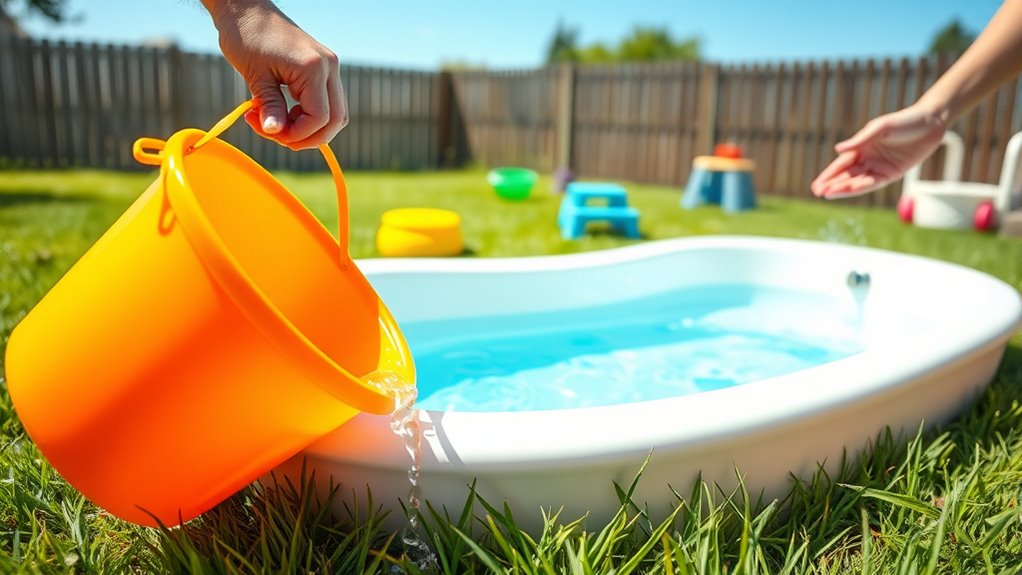

To prevent drowning at home, always supervise children around buckets, baths, and backyard pools. Keep buckets upside down or emptied after use, and stay within arm’s reach during baths. Install fencing with self-closing gates around pools, remove toys when not in use, and keep rescue equipment nearby. Combine vigilant supervision with physical barriers and safety devices to create a safer environment. Continuing will help you learn more vital safety tips to protect your little ones.
Key Takeaways
- Constantly supervise children around water sources like buckets, baths, and pools, never leaving them unattended.
- Empty buckets immediately after use and store them out of children’s reach to prevent accidental drowning.
- Install secure fencing, self-latching gates, and safety covers around pools to create physical barriers.
- Use anti-slip mats and faucet covers in baths, and keep water toys and household items organized to reduce hazards.
- Regularly inspect safety devices, stay vigilant during water activities, and create clear safety rules for children.
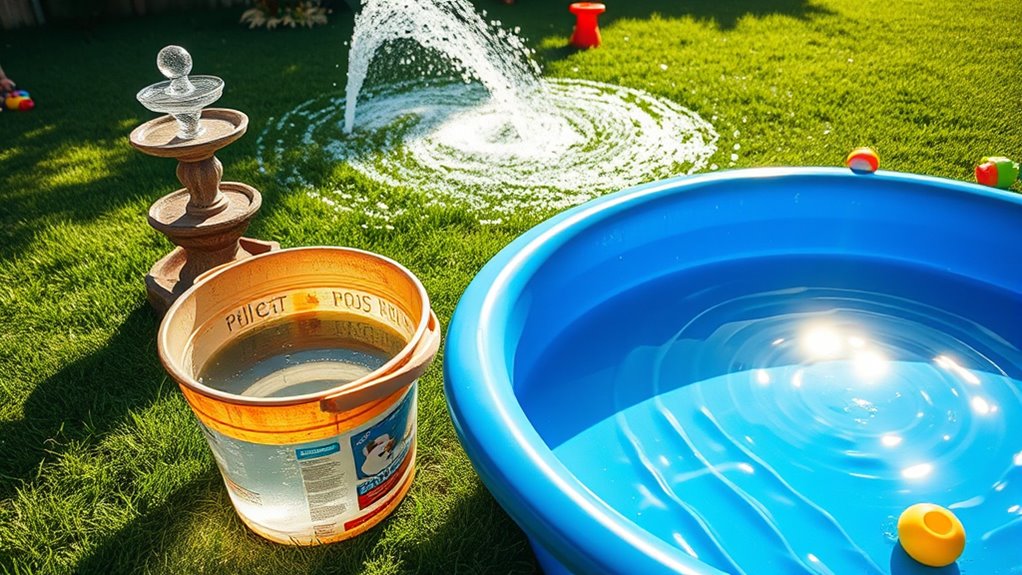
Have you taken enough steps to prevent drowning accidents in your home? Drowning can happen quickly and silently, especially around everyday objects like buckets, bathtubs, and backyard pools. Ensuring water safety isn’t just about installing barriers or alarms; it starts with constant child supervision. Children are naturally curious and can slip into water unexpectedly, so never leave them unattended near any water source, no matter how shallow it appears. When you’re supervising, stay within arm’s reach and focus solely on their safety. Distractions such as your phone or household chores can be dangerous, so prioritize watching your kids whenever water is involved.
Supervise children constantly around water; stay within arm’s reach and eliminate distractions for safety.
Child supervision is the most effective way to prevent drownings, but it’s not enough on its own. Implement practical safety measures that make water accidents less likely. For buckets, empty them immediately after use, and never leave them filled with water unattended. Many drownings occur when a child tips over a bucket filled with water, so keeping buckets upside down or storing them out of reach is vital. For bathtubs, always stay within arm’s length when your child is bathing, and never leave them alone, even for a moment. A child can slip underwater or slip out of the tub’s grip in seconds. Consider installing anti-slip mats and using a faucet cover to prevent injuries.
In your backyard, pools are a significant drowning risk. Fencing around pools should be at least four feet high with a self-closing, self-latching gate that locks securely. Remove any toys from the pool area when not in use, as they can attract children. Never rely solely on pool alarms—they are an additional safety tool but shouldn’t replace supervision. Keep rescue equipment, such as a life ring or reaching pole, nearby and ensure everyone in the household knows how to use it. When hosting children, establish clear rules about water play and always supervise closely.
Ultimately, water safety at home depends on proactive supervision combined with physical barriers and safety tools. Never assume that a child will stay safe just because they’ve been trained or told about dangers. Consistently watching them, reducing hazards, and taking preventive measures create a safer environment. Drowning can happen in a matter of seconds, so stay alert, stay prepared, and prioritize water safety every time children are around water, whether it’s a small bucket or a backyard pool. Regularly inspecting and maintaining home safety features ensures they function correctly and provide ongoing protection.

B00BIKTISG
As an affiliate, we earn on qualifying purchases.
As an affiliate, we earn on qualifying purchases.
Frequently Asked Questions
How Can I Teach My Child Water Safety Skills Effectively?
You can teach your child water safety skills effectively by enrolling them in swim lessons early, which build confidence and competence. Pair this with ongoing safety education—teach them about never swimming alone, recognizing dangers, and staying calm in water. Practice safety rules regularly, reinforce lessons with supervision, and encourage open communication about water concerns. These combined efforts help your child develop essential water safety skills for a lifetime.
What Are the Best Safety Devices for Backyard Pools?
You should install reliable safety devices like pool alarms and safety covers. Pool alarms alert you instantly if someone enters the water unexpectedly, giving you quick response time. Safety covers serve as a physical barrier when the pool isn’t in use, preventing accidental falls. Regularly check these devices to guarantee they’re functioning properly, and educate your children about pool safety to make your backyard a safer place for everyone.
How Often Should I Supervise Children Around Water?
You should supervise children around water constantly, never leaving them unattended. Keep pool alarms activated, so you’re alerted to any unexpected access, and guarantee kids wear floating devices when near or in the water. Regularly watch them, especially during baths or backyard swim time, and never rely solely on alarms or devices. Active supervision is key to preventing drownings and ensuring safety around all water sources.
Are There Age-Specific Drowning Prevention Strategies?
Yes, there are age-specific drowning prevention strategies you should follow. For infants, consider enrolling them in infant swim lessons early to build comfort and skills. For toddlers and young children, pool fencing ideas like self-closing gates and four-sided fencing create barriers that prevent accidental falls. As kids grow, teach them water safety rules, supervise closely, and always stay within arm’s reach, because the risk changes with age and experience.
What Should I Do in a Water Emergency at Home?
In a water emergency at home, stay calm and act quickly. Remove your child from the water and call 911 immediately. Use water safety gear like life jackets if available, and start CPR if necessary while waiting for help. Practice emergency preparedness by keeping a well-stocked first aid kit nearby and knowing basic CPR. Your quick, confident response can make all the difference in preventing tragedy.

UNEEDE Kids Bathtub Mat Non Slip Shower Mat for Toddlers, Washable Anti Slip Tub Surface, Soft Rubber Mat for Bathtub Shower, Waterproof Bathtub Essentials for Children
【Non-slip – Basic for UNEEDE Design】Completely different from other non slip bath mat, we combine two anti-slip textures…
As an affiliate, we earn on qualifying purchases.
As an affiliate, we earn on qualifying purchases.
Conclusion
By staying vigilant and proactive, you become the guardian of your loved ones’ safety, turning your home into a fortress against tragedy. Imagine each safety measure as a shield, protecting precious lives like a lighthouse guiding ships safely to shore. Keep an eye on buckets, baths, and backyard pools—they’re small details with the power to make a big difference. Together, you can create a safe haven where joy thrives and dangers are kept at bay.
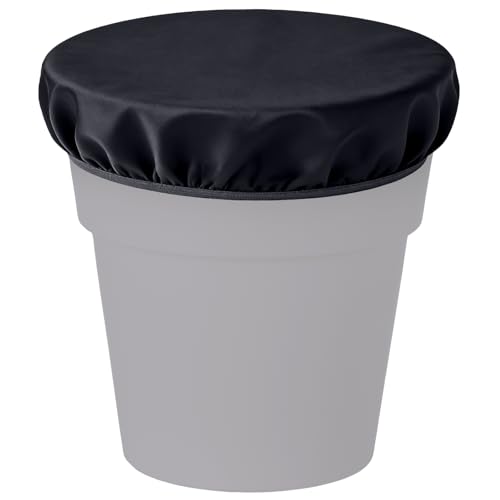
2-5 Gallon Horse Bucket Cover, Waterproof Horse Feed Bucket Cover, Lightweight and Easy to Use (Excluding Bucket)
Precisely adapted to mainstream bucket types: Horse feed bucket cover is specifically designed for standard feed buckets with…
As an affiliate, we earn on qualifying purchases.
As an affiliate, we earn on qualifying purchases.

Altovexis 4-15ft Telescopic Pool Rescue Hook with Pole Fiberglass Telescoping Ring Emergency Life-Saving Rescue Equipment Pool Safety Hook for Swimming, Boat
High-Quality Materials: The heavy-duty pool safety pole is made of sturdy fiberglass, with a rope loop composed of…
As an affiliate, we earn on qualifying purchases.
As an affiliate, we earn on qualifying purchases.