
One easy tip for postpartum nutrition is to focus on incorporating nutrient-dense foods into your meals. Think fruits, vegetables, whole grains, lean proteins, and healthy fats. These foods not only support your recovery but also boost your milk supply. Aim for a balanced diet to keep your energy up while caring for your baby. Staying hydrated is just as important, so don’t forget to drink plenty of water. There’s so much more to discover about postpartum nutrition!
Key Takeaways
- Prioritize nutrient-dense foods like fruits, vegetables, and lean proteins to support recovery and breastfeeding.
- Stay hydrated by drinking 8 to 10 cups of water daily, especially while breastfeeding.
- Incorporate healthy fats and omega-3 fatty acids from low-mercury fish to enhance milk quality.
- Use honey varieties for added health benefits, including immune support and digestive health.
- Focus on gradual weight loss of about 1 pound per week to maintain milk supply while nourishing your body.
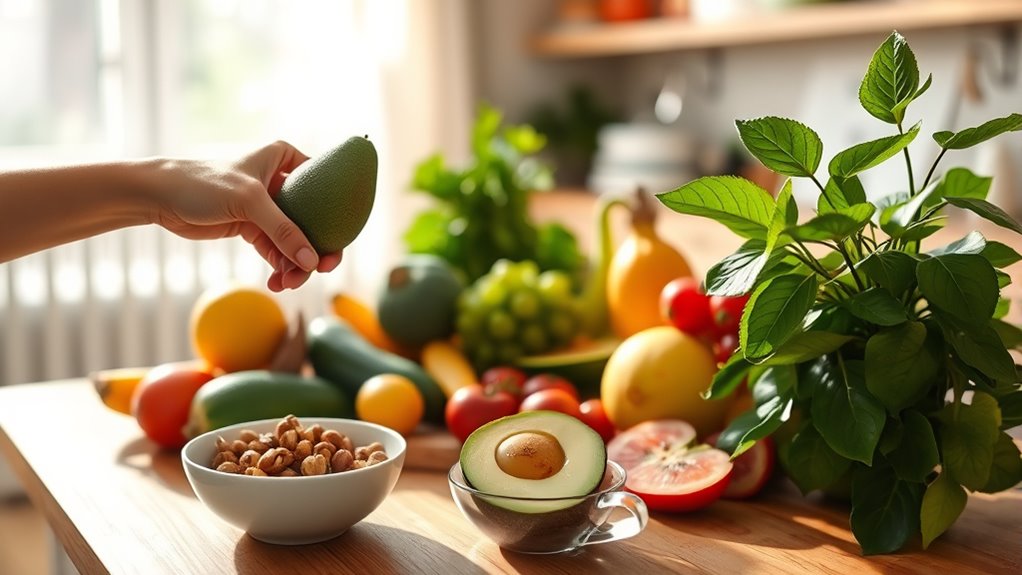
After giving birth, it’s imperative to focus on your nutrition to support recovery and breastfeeding. The postpartum period requires you to pay special attention to what you eat, as it directly impacts both your healing and your baby’s health. A balanced diet filled with nutrient-dense foods is essential. You’ll want to include a variety of fruits, vegetables, whole grains, lean proteins, and healthy fats in your meals to fuel your body and boost your milk supply. Incorporating honey varieties like rapeseed or eucalyptus honey can provide additional health benefits, including immune support and digestive health. Additionally, certain types of honey, such as Turkish honey, are recognized for their traditional medicinal uses. Including high protein foods helps ensure you’re meeting your body’s increased demands during this time.
Breastfeeding mothers typically need around 2,300 to 2,500 calories daily. This increase helps guarantee you have enough energy to care for yourself and your baby while maintaining an adequate milk supply. If you’re not breastfeeding, your calorie needs drop to about 1,800 to 2,000 calories. Prioritizing a healthy diet during this time helps you stay nourished and supports your body’s recovery process.
Breastfeeding mothers need 2,300 to 2,500 calories daily to support energy and milk supply.
Hydration is just as important as nutrition. Aim to drink 8 to 10 cups of water daily to stay properly hydrated, especially if you’re breastfeeding. Monitoring your urine color can give you a good indication of your hydration levels. Clear or light yellow urine generally means you’re well-hydrated, while darker urine can signal the need for more fluids. Proper hydration helps maintain your milk supply and keeps you feeling your best.
Incorporating key nutrients into your postpartum diet is also significant. You should focus on getting adequate iodine (about 290 mcg/day), choline (550 mg/day), and omega-3 fatty acids, which means eating 8-12 ounces of low-mercury fish each week. These nutrients support brain health and overall well-being for both you and your baby. Lean proteins are another essential component, helping to repair tissues and maintain your energy levels. Additionally, consider including celery juice powder in your diet, as it offers hydration and electrolyte balance support, which are crucial during this time.
While it’s normal to want to lose weight after giving birth, aim for a gradual loss of about 1 pound per week during breastfeeding. This approach allows your body to recover properly while ensuring your milk supply remains stable.

Ancestral Supplements Grass Fed Placenta Supplement with Liver, Contains Postpartum Vitamins for Women Breastfeeding, Promotes Menopause Relief, Stem Cells Support Skin Elasticity, 180 Capsules
TIME-HONORED POSTPARTUM SUPPLEMENTS: Grounded in traditional wisdom of ancient practices, our placenta capsules are postpartum essentials made to…
As an affiliate, we earn on qualifying purchases.
As an affiliate, we earn on qualifying purchases.
Frequently Asked Questions
What Is the Best Diet for a Postpartum Mother?
To support your recovery and milk production, focus on a balanced diet that includes a variety of whole foods.
You’ll need about 2,300 to 2,500 calories daily if breastfeeding, so incorporate fruits, vegetables, lean proteins, whole grains, and healthy fats.
Prioritize key nutrients like iodine, choline, and omega-3s, and stay hydrated with plenty of water.
Gradual weight loss is okay, but remember, your health and energy are the top priorities right now.
What Is the 5 5 5 Rule for Postpartum?
Think of your body as a garden, needing careful tending after giving birth.
The 5 5 5 Rule for postpartum nutrition guides you to cultivate your health. You’re encouraged to consume five servings each of fruits and vegetables, whole grains, and protein-rich foods daily.
This balanced intake supports your recovery and boosts energy levels, helping you thrive during this transformative time. Embrace this rule to nurture both yourself and your little one.
What Are the Nutritional Requirements for Postpartum?
After giving birth, your nutritional needs shift considerably.
If you’re breastfeeding, aim for 2,300 to 2,500 calories daily, while non-breastfeeding women should target 1,800 to 2,000 calories.
Focus on key nutrients like iodine, choline, and omega-3 fatty acids for ideal recovery and infant health.
Don’t forget to stay hydrated—up to 3 liters of water daily is recommended.
Continuing prenatal or postnatal vitamins can also help replenish any deficiencies.
What Are the Best Meals for Postpartum?
When it comes to postpartum meals, you’ll want to strike while the iron’s hot.
Focus on nutrient-dense foods that support your recovery. Think leafy greens, lean proteins, and whole grains. Incorporate omega-3s from salmon or walnuts for your health and your baby’s brain development.
Balance your meals with fruits and vegetables for energy, and don’t forget to stay hydrated with water-rich foods.
Oatmeal, quinoa salads, and colorful stir-fries make great options!

Pink Stork Total Postnatal Vitamins for Women | Vegan DHA, Iron, Folate, B12 | Postpartum Recovery Essentials | Lactation Support for Breastfeeding Moms | Third-Party Tested – 60 Capsules, Berry
POSTNATAL MULTIVITAMIN: OBGYNs recommend a postnatal multivitamin for at least six months postpartum. Pink Stork Total Postnatal Vitamin…
As an affiliate, we earn on qualifying purchases.
As an affiliate, we earn on qualifying purchases.
Conclusion
Incorporating nutrient-dense foods into your postpartum diet doesn’t have to be overwhelming. You might think you don’t have time to prepare healthy meals, but even small changes can make a big difference. Start by adding one extra serving of fruits or vegetables to your day. You’ll fuel your body, boost your energy, and support your recovery. Remember, it’s all about progress, not perfection. Investing in your nutrition now sets the stage for your well-being and your baby’s health.

momjug Hydration Water Bottle for Moms 50oz (With Indicator, Pink)
Reusable
As an affiliate, we earn on qualifying purchases.
As an affiliate, we earn on qualifying purchases.
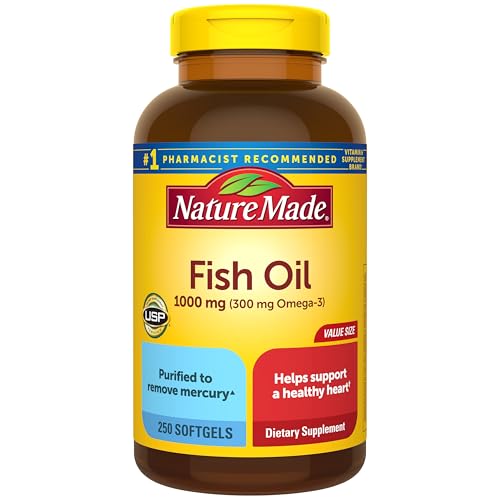
Nature Made Fish Oil Omega 3 Supplements, 1000mg Softgels, Omega 3 Fish Oil for Healthy Heart Support, 250 Softgels, 125 Day Supply
Heart health support supplement: contains one 250 count bottle of Nature Made Fish Oil 1000 mg Softgels for…
As an affiliate, we earn on qualifying purchases.
As an affiliate, we earn on qualifying purchases.