After childbirth, it’s essential to watch for warning signs of worsening hypertension, like severe headaches, vision changes, swelling, or chest pain. Regularly follow up with your healthcare provider and monitor your blood pressure at home. Stick to prescribed medications and lifestyle tips to manage your health. By staying vigilant and reporting symptoms early, you can prevent complications and support a safe recovery. Keep going to discover more ways to guarantee your postpartum well-being.
Key Takeaways
- Watch for severe headaches, vision changes, swelling, chest pain, and report them immediately.
- Regular postpartum check-ups are essential to monitor blood pressure and overall recovery.
- Keep track of blood pressure readings at home using automated monitors.
- Follow healthcare provider advice on medication, diet, and lifestyle modifications to manage hypertension.
- Stay alert to warning signs and maintain open communication with your healthcare team for timely intervention.

Have you ever wondered why some women develop high blood pressure after giving birth? Postpartum hypertension can catch many by surprise, especially since blood pressure levels often normalize during pregnancy. However, for some women, elevated blood pressure persists or suddenly appears in the weeks following delivery. Understanding the significance of blood pressure management and adhering to postpartum care routines can make a substantial difference in preventing complications.
Right after childbirth, your healthcare provider will likely monitor your blood pressure closely. This is a critical step in postpartum care routines, as early detection helps prevent severe issues like preeclampsia or other hypertensive disorders. Managing blood pressure during this period involves more than just medication; it requires lifestyle adjustments, regular check-ups, and awareness of warning signs. You might be prescribed antihypertensive drugs, but it’s equally important to keep track of your readings and follow your doctor’s instructions carefully. Consistent blood pressure management can reduce the risk of long-term health problems, including heart disease and stroke.
Monitoring blood pressure early postpartum is vital to prevent complications like preeclampsia and long-term health issues.
Your postpartum care routines should include scheduled visits to your healthcare provider, typically within six weeks after delivery. These visits are essential for evaluating your blood pressure and overall health. During these checkups, your provider might review your medication regimen, suggest dietary changes, or recommend physical activity tailored to your recovery. You should also be vigilant about any symptoms that could indicate worsening hypertension, such as severe headaches, vision changes, swelling, or chest pain. Reporting these symptoms promptly helps your healthcare team adjust your treatment plan quickly.
In addition to medical management, lifestyle modifications play a key role in controlling postpartum hypertension. Eating a balanced diet low in salt, staying hydrated, and engaging in gentle physical activity—once approved by your doctor—can support blood pressure regulation. Avoiding excessive stress and ensuring adequate rest are equally important, as stress can elevate blood pressure levels. It’s also worth noting that automated blood pressure monitoring can help you keep better track of your condition at home. Remember, postpartum care routines aren’t just about recovery; they are about setting a foundation for long-term heart health.
Ultimately, your awareness and proactive approach can make all the difference. Regular check-ins, proper blood pressure management, and adherence to postpartum care routines help guarantee your recovery is smooth and safe. Keep in close contact with your healthcare team, and don’t hesitate to seek help if you notice any concerning symptoms. Taking these steps will help you protect your health now and in the future.
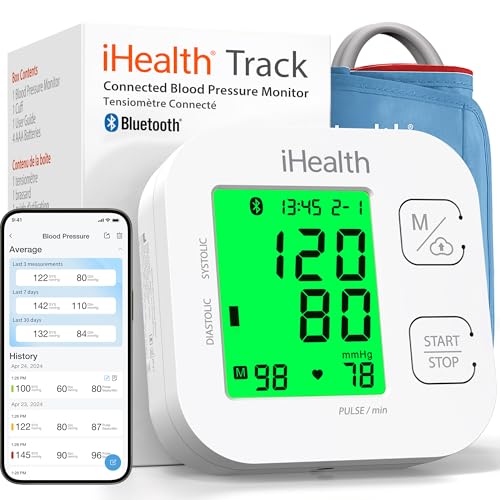
iHealth Track Smart Upper Arm Blood Pressure Monitor with Wide Range Cuff That fits Standard to Large Adult Arms, Bluetooth Compatible for iOS & Android Devices
Clinically Accurate: Easy Operation by two buttons, Advanced Accuracy, No Calibration required.
As an affiliate, we earn on qualifying purchases.
As an affiliate, we earn on qualifying purchases.
Frequently Asked Questions
Can Postpartum Hypertension Occur Without Symptoms?
Yes, postpartum hypertension can occur without symptoms, known as asymptomatic cases. You might have silent symptoms, meaning your blood pressure is high but you feel fine. That’s why regular check-ups are essential, even if you don’t notice any warning signs. Monitoring your blood pressure ensures any issues are caught early, reducing risks for you and your baby. Always follow your healthcare provider’s advice for postpartum follow-up.
How Long Does Postpartum Hypertension Typically Last?
Postpartum hypertension can last anywhere from a few days to several weeks after delivery. You should regularly monitor your blood pressure and follow your healthcare provider’s advice on medication management. It’s important to keep up with blood pressure monitoring, especially during the first few weeks postpartum, to catch any lingering or rising blood pressure levels early. If you notice symptoms or your blood pressure remains high, consult your doctor promptly.
Are There Specific Risk Factors for Postpartum Hypertension?
Yes, you have specific risk factors for postpartum hypertension. If you have a genetic predisposition or a history of preeclampsia, you’re at higher risk. These factors increase your chances of developing high blood pressure after birth. It is crucial to discuss your medical history with your healthcare provider so they can monitor your blood pressure closely and manage any issues promptly, ensuring your safety during this critical postpartum period.
Can Postpartum Hypertension Affect Future Pregnancies?
Yes, postpartum hypertension can affect future pregnancies. If you experienced high blood pressure after delivery, it increases your risk of developing hypertension again. To manage this, you should keep up with blood pressure monitoring and follow your healthcare provider’s medication management plan. Regular check-ups help detect any issues early, ensuring both your health and the health of future pregnancies are protected.
What Are Hidden Signs of Postpartum Hypertension?
Like an iceberg hiding its true size, hidden signs of postpartum hypertension can go unnoticed. You might not feel dizzy or have headaches, but subtle symptoms like blurred vision or swelling could appear. Regular blood pressure monitoring is essential, and if you notice these signs, consult your doctor promptly. Proper medication management helps control your blood pressure, preventing complications and ensuring your long-term health. Stay vigilant and proactive.
Medication Log Book: Personal Medicine Tracker Journal: Record Medicine Dosage and Blood Pressure from Monday to Sunday
As an affiliate, we earn on qualifying purchases.
As an affiliate, we earn on qualifying purchases.
Conclusion
Remember, postpartum hypertension is serious but manageable when you stay alert. Keep an eye out for warning signs like headaches, vision changes, or swelling, and don’t hesitate to seek help—your health is worth it. Just like a trusty knight’s armor, regular follow-up and care safeguard you. Don’t let this be your “Lost Ark” moment; stay vigilant, and guarantee your postpartum journey is safe and healthy. Your well-being is the true treasure.

American Heart Association Low-Salt Cookbook, 4th Edition: A Complete Guide to Reducing Sodium and Fat in Your Diet
As an affiliate, we earn on qualifying purchases.
As an affiliate, we earn on qualifying purchases.

Earthley Wellness Postpartum Balance, Supports and Balances Female Hormones, Supports Postpartum Recovery, Smooths Out Mood Swings, Essential Herbs Like Dandelion Root, Catnip, & Alfalfa (2oz)
Supports Postpartum Hormone Balance: Formulated to gently help balance pregnancy hormones and support emotional wellness during the fourth…
As an affiliate, we earn on qualifying purchases.
As an affiliate, we earn on qualifying purchases.