
Before returning to exercise postpartum, consult your healthcare provider to determine a safe timeline, often around six weeks but varies for each person. Start with gentle activities like walking, pelvic tilts, and pelvic floor exercises to rebuild core strength gradually. Focus on proper technique, listen to your body, and don’t rush your recovery. Patience is key—if you keep exploring, you’ll discover more tips to make your return both safe and effective.
Key Takeaways
- Consult your healthcare provider before resuming exercise postpartum to ensure readiness and prevent complications.
- Start with gentle activities like walking or postpartum yoga to gradually rebuild core and pelvic floor strength.
- Listen to your body, stopping exercise if you experience pain, dizziness, or excessive fatigue.
- Allow sufficient recovery time; some women may need more than six weeks before returning to higher-impact workouts.
- Prioritize proper technique and mindful breathing to avoid injury and support safe postpartum recovery.

Getting back to exercise after a break can feel overwhelming, but with a steady approach, you’ll rebuild your strength and confidence. Postpartum mental health plays a crucial role in this journey, as physical activity can boost your mood and help combat feelings of fatigue or sadness. However, it’s essential to prioritize exercise safety tips to avoid setbacks or injuries. Before jumping into your routine, consult with your healthcare provider to ensure your body is ready, especially if you had a complicated delivery or any postpartum complications. This step helps you set realistic expectations and prevents rushing into high-impact activities too soon.
Prioritize consulting your healthcare provider before resuming exercise postpartum to ensure safety and proper recovery.
A common mistake new moms make is overlooking the importance of a gradual return. Starting with gentle activities like walking or postpartum yoga allows your body to adapt without overstressing your muscles and joints. As you progress, focus on strengthening your core and pelvic floor, which are often weakened during pregnancy and childbirth. Incorporate exercises like pelvic tilts, Kegel exercises, and gentle abdominal work to rebuild stability. Remember, engaging these areas correctly can significantly improve your posture, reduce discomfort, and support your overall recovery.
It’s normal to experience fluctuating energy levels and mood swings as you return to exercise. Listening to your body is key—if you feel pain, dizziness, or excessive fatigue, stop immediately and rest. Your mental health benefits from physical activity are maximized when you exercise within your limits and avoid pushing too hard too soon. This approach not only minimizes physical risks but also fosters a positive mindset, reinforcing your motivation and confidence. Set small, achievable goals to celebrate your progress, and don’t hesitate to seek support from postpartum exercise groups or professionals who understand your unique needs.
Remember that your body is still healing, and recovery timelines vary widely. Some women may feel ready for more intense workouts after six weeks, while others need longer. Patience is vital. Incorporate a mix of activities that you enjoy, which can help maintain consistency and bolster your postpartum mental health. As you rebuild strength, focus on maintaining proper form and breathing, which are essential exercise safety tips. This mindfulness helps prevent injuries and ensures your workouts are effective.
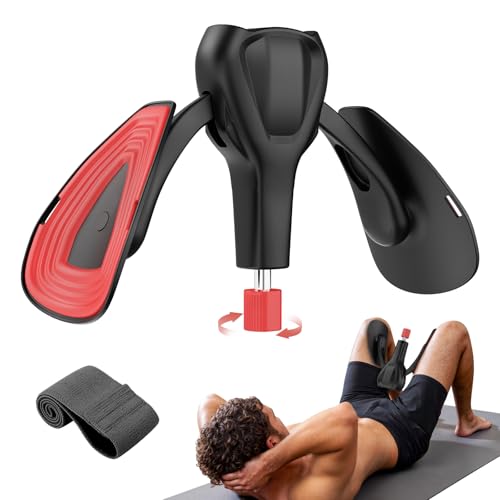
Pelvic Floor Exercise Devices 77 lb Adjustable Kegel Inner Thigh Exerciser and Hip Trainer Workout Equipment for Home Postpartum Recovery Women Men, with Band, Black
TINRIEF Newly Upgraded Pelvic Floor Exercise Device – Features fully adjustable resistance ranging from 10 kg / 22…
As an affiliate, we earn on qualifying purchases.
As an affiliate, we earn on qualifying purchases.
Frequently Asked Questions
When Can I Start High-Impact Exercises Postpartum?
You can usually start high-impact exercises around 4 to 6 weeks postpartum, but listen to your body. Prioritize postpartum nutrition and mental health support to aid recovery. Make sure your healthcare provider approves, especially if you’ve had a C-section or complications. Gradually reintroduce high-impact activities, focusing on strength and stability first. Always adjust based on how you feel, and don’t rush—your recovery is unique.
How Do I Know if My Core Is Fully Healed?
You’ll know your core is fully healed when you can engage your abdominal muscles without discomfort or overexertion. Focus on achieving proper abdominal engagement and core stability during gentle exercises. If you notice weakness, pain, or difficulty maintaining stability, give yourself more time. Trust your body, and consider consulting a healthcare professional for personalized guidance to make certain your core has fully recovered before progressing to more intense activities.
Are There Specific Exercises for Diastasis Recti?
Think of diastasis management as gently sewing together a fragile fabric. Specific exercises like gentle abdominal bracing and controlled core engagement help close the gap. Focus on low-impact, deep core exercises that avoid crunches or twisting. Always listen to your body, and consult a professional for personalized guidance. These tailored movements strengthen your core safely, helping you rebuild stability without overstraining your healing abdominal muscles.
How Long Should Pelvic Floor Exercises Be Continued?
You should continue pelvic floor exercises as part of your ongoing routine, ideally for at least 6 months or longer, depending on your progress and needs. Consistency is key, so aim for daily exercises or several times a week. This helps strengthen your pelvic floor muscles, improve function, and prevent issues. Remember, long-term dedication ensures superior results, and it’s best to consult your healthcare provider for personalized guidance on your exercise duration.
Can I Resume Running Immediately After Childbirth?
Think of your body as a delicate garden after planting seeds. You shouldn’t rush to dig up your plants too soon. Similarly, you shouldn’t resume running immediately after childbirth. Focus on pelvic floor exercises like Kegel benefits and gentle abdominal recovery first. Once your core is strong and your pelvic muscles are healed, usually after a few weeks, you can gradually reintroduce running. Patience guarantees a healthy, vibrant recovery.

Amazon Basics 1/2 Inch Extra Thick Exercise Yoga Mat with Carrying Strap for Home Workouts and Fitness, 74" x 24", Black
Extra thick, cushy floor mat in Black for yoga, gym, and everyday exercise
As an affiliate, we earn on qualifying purchases.
As an affiliate, we earn on qualifying purchases.
Conclusion
Just like tending a delicate garden, your return to exercise requires patience, care, and attention to detail. Each step—core strengthening, pelvic floor recovery, gradual progress—is a gentle watering of new growth. Trust in this process, knowing that with consistent nurturing, your strength will flourish again, vibrant and resilient. Stay attentive to your body’s signals, and soon you’ll find yourself blossoming anew, stronger and more balanced than ever before.

Kegel Exercise System – Pelvic Floor Exercises – Set of 6 Premium Silicone Kegel Exercise Weights & Control with Training Kit for Women: Beginners & Advanced
Quick Results: 15 minutes a day and just a few short weeks, you will feel the difference! Kegel…
As an affiliate, we earn on qualifying purchases.
As an affiliate, we earn on qualifying purchases.

Resistance Bands, Professional Exercise Bands, Physical Therapy Bands for Strength Training, Yoga, Pilates, Stretching, Recovery, Stretch Elastic Band for Working Out, Workout Bands for Home Gym
Upgrade Exercise Band: Made of high quality TEP material, latex free, skin friendly, odorless, smooth and non-sticky surface,…
As an affiliate, we earn on qualifying purchases.
As an affiliate, we earn on qualifying purchases.