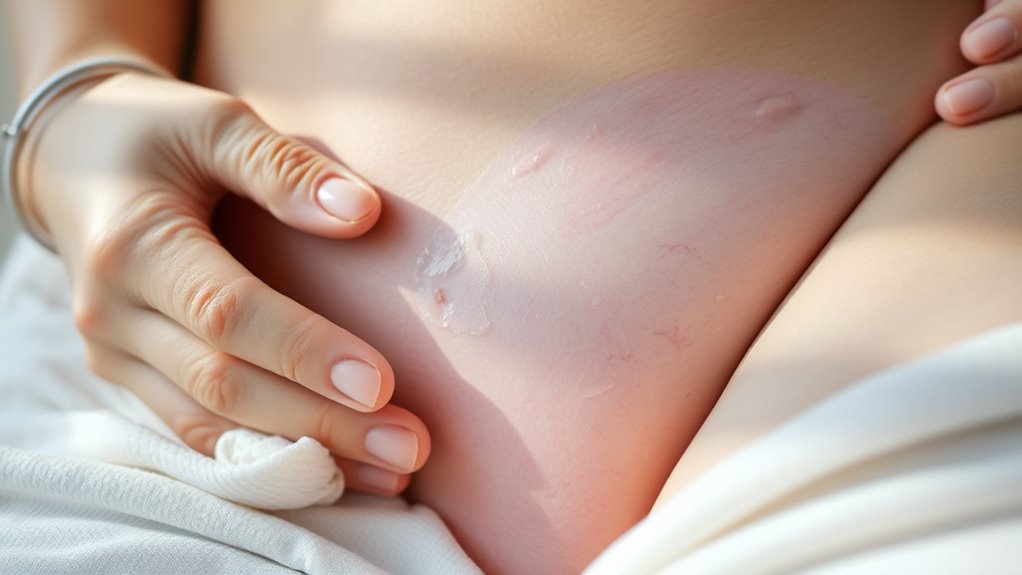

After experiencing perineal tears, focus on keeping the area clean with gentle washing using warm water and avoiding harsh soaps. Use cold packs in the first 24 hours to reduce swelling, and choose loose cotton underwear for comfort. Sit on a cushion or donut pillow to ease pressure, and stay hydrated and fiber-rich to prevent constipation. If you want to learn how to manage discomfort and promote healing effectively, keep exploring these helpful tips.
Key Takeaways
- Keep the area clean with gentle washing using warm water and avoid harsh soaps to prevent irritation.
- Use cold packs or ice during the first 24 hours to reduce swelling and pain.
- Wear loose, breathable cotton underwear and sit on cushioned surfaces or donut pillows for comfort.
- Maintain proper hygiene and prevent constipation by eating fiber-rich foods and staying hydrated.
- Watch for signs of infection or persistent pain, and contact your healthcare provider if symptoms worsen.
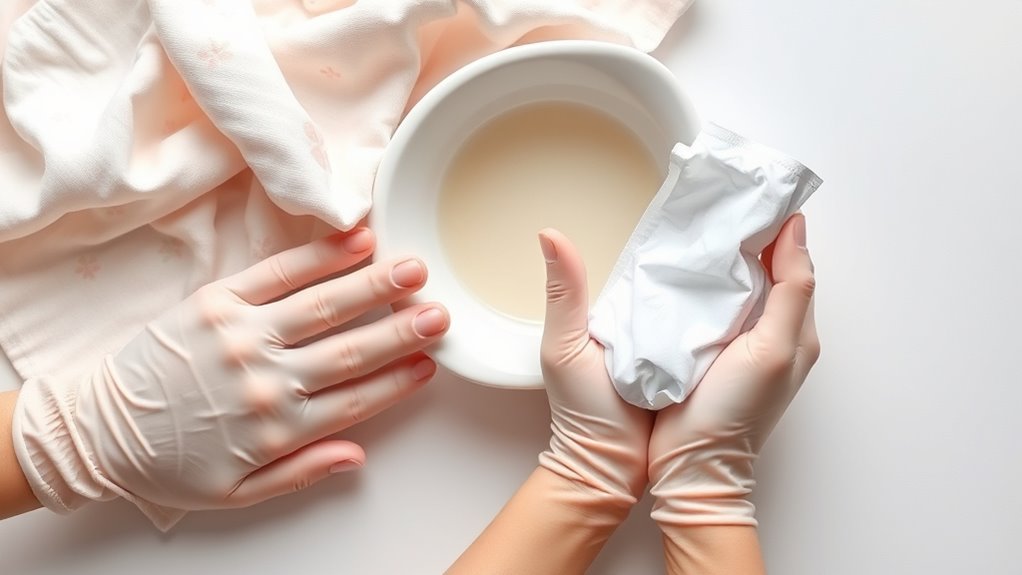
Perineal tears are injuries that occur when the tissue between the vagina and the anus stretches or tears during childbirth. These tears range from minor (first degree) to more severe (third or fourth degree) injuries. If your tear is significant, your healthcare provider might recommend surgical repair to guarantee proper healing and reduce the risk of complications. During this process, the torn tissue is carefully stitched up using dissolvable sutures, which typically don’t require removal. Surgical repair is usually performed shortly after delivery, allowing your body to start healing in a clean, controlled environment. After the procedure, your healthcare team will guide you through the postpartum recovery process, which involves managing pain, preventing infection, and promoting tissue healing.
Your postpartum recovery journey begins immediately after delivery. Taking care of your perineal area is essential to avoid infections and ease discomfort. Your provider might suggest using cold packs or ice to reduce swelling and pain in the first 24 hours. Over-the-counter pain relievers, such as acetaminophen or ibuprofen, can help manage discomfort, but always check with your doctor before taking any medication. Good hygiene is critical during this time; gently cleaning the area with warm water and avoiding harsh soaps helps prevent irritation and infection. You can also use a squeeze bottle filled with warm water to rinse after using the bathroom instead of wiping, which can cause additional soreness.
As you heal, focus on comfort and hygiene to support your postpartum recovery. Wearing loose, breathable cotton underwear and avoiding tight clothing minimizes irritation. Sitting on a cushioned surface or using a donut pillow can ease pressure while sitting. You might also find relief in sitting baths or warm compresses, which soothe soreness and promote blood flow to the area. Maintaining proper hygiene and avoiding constipation by eating fiber-rich foods and staying hydrated can prevent straining during bowel movements, which might aggravate your tear. Additionally, choosing a high-quality projector with features like good contrast ratio and color accuracy can enhance your home environment if you are also interested in creating a relaxing space. If you’re experiencing persistent pain, bleeding, or signs of infection, contact your healthcare provider immediately. They might prescribe medications or provide additional treatments to support your healing process.

Lansinoh Hot and Cold Postpartum Pads – Reusable Perineal Ice Packs for Postpartum Recovery, Labor & Delivery Essentials, 2 Count
COLD PAIN RELIEF- Use cold for pain relief from discomfort caused by labor, birth, hemorrhoids, and c-sections
As an affiliate, we earn on qualifying purchases.
As an affiliate, we earn on qualifying purchases.
Frequently Asked Questions
How Can I Prevent Perineal Tears During Delivery?
To help prevent perineal tears during delivery, you should focus on proper perineal support and choose delivery positions that reduce strain, like side-lying or hands-and-knees. Staying relaxed and practicing controlled pushing can also make a difference. Communicate with your healthcare provider about these options, and consider perineal massage beforehand to increase elasticity. These steps can help promote a smoother delivery and minimize tear risks.
Are There Specific Exercises to Promote Healing of Tears?
Think of healing as tending a delicate garden; you nurture it with patience and gentle care. You should do pelvic floor exercises and Kegel routines to promote healing of tears. These exercises strengthen the muscles around your perineal area, encouraging blood flow and tissue repair. Regular practice helps restore strength and elasticity, making your recovery smoother. Always follow your healthcare provider’s advice to guarantee safe and effective healing.
When Should I Seek Medical Help for Persistent Pain?
If you experience persistent pain beyond a few weeks postpartum, you should seek medical help promptly. This could indicate complications or issues needing pelvic rehabilitation. Don’t ignore signs like worsening discomfort, fever, or signs of postpartum depression, which can affect your healing. Early intervention helps manage pain effectively and ensures proper recovery, so reach out to your healthcare provider to discuss your symptoms and get the support you need.
Can I Use Any Creams or Ointments for Faster Healing?
You can use certain topical treatments or natural remedies to promote faster healing, but always check with your healthcare provider first. Some options include witch hazel, aloe vera, or over-the-counter creams designed for perineal care. These remedies can soothe discomfort and reduce inflammation, but avoid any ointments that aren’t recommended by your doctor. Proper hygiene and gentle care are essential for healing, and your provider can guide you on what’s safest.
How Long Does It Typically Take for a Perineal Tear to Fully Heal?
Think of your healing as a gentle river flowing toward calm shores. Usually, a perineal tear takes about 4 to 6 weeks to fully heal, forming scar tissue along the way. During this time, pain management helps soothe your journey, easing discomfort as your body repairs itself. Be patient and gentle with yourself, knowing that with proper care, you’ll reach smooth, peaceful waters soon.

Perineal Suturing Model – Perineal Repair Practice Model, Molds for Surgical Vulvar Sutures, Vaginal Tear Suturing Model for Obstetric Training and Simulation. (Light Brown Color, Triadic Incision)
【Tear-Resistant and Durable Material for Reliable Training】Crafted to withstand rigorous surgical training, this Perineal Suturing Model is made…
As an affiliate, we earn on qualifying purchases.
As an affiliate, we earn on qualifying purchases.
Conclusion
Remember, caring for your perineal tears isn’t just about healing — it’s about reclaiming your comfort and confidence. By maintaining good hygiene and following your healthcare provider’s advice, you turn the journey through recovery into a story of resilience. Like a gentle river carving its path, your patience and care will shape your healing process. Embrace each step, knowing that with time and tenderness, brighter days lie ahead—your strength quietly transforming pain into peace.
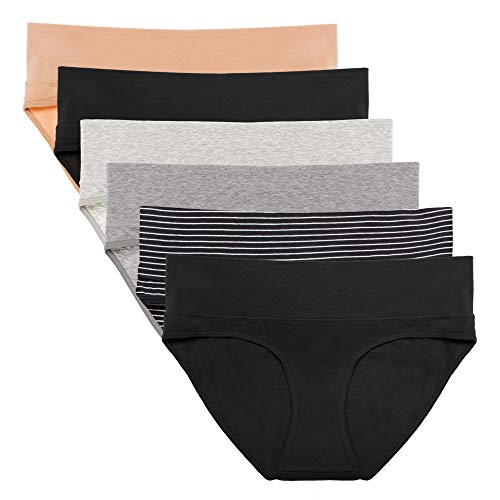
Intimate Portal Maternity Underwear Cotton Pregnancy Postpartum Panties Foldable Under the Bump Briefs 6 Pack Epitome XL
FOLDABLE MATERNITY UNDERWEAR – Fold over the bump for generous coverage or fold down below the bump for…
As an affiliate, we earn on qualifying purchases.
As an affiliate, we earn on qualifying purchases.

BlissTrends Donut Pillow Seat Cushion,Donut Chair Cushions for Postpartum Pregnancy & Hemorrhoids,Tailbone Pain Relief Cushion,Memory Foam Lifting Cushions for Office&Home Chairs (Black)
[High Quality Seat Cushion] The size of the BlissTrends donut pillow is 17.4 "x 13.39" x 2.64 "….
As an affiliate, we earn on qualifying purchases.
As an affiliate, we earn on qualifying purchases.