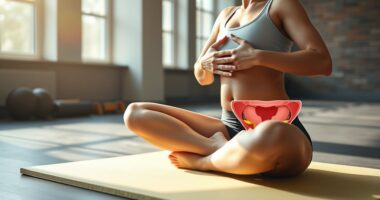
After birth, focus on gentle pelvic floor exercises like Kegels to strengthen muscles gradually. Identify the right muscles by imagining stopping urine flow, then contract and hold for a few seconds before relaxing. Incorporate these movements into your daily routine—sitting, lying down, or standing—and stay mindful of your body’s signals. Supporting your recovery with good posture, hydration, and avoiding heavy lifting will help. Keep going, and you’ll discover more tips to restore your pelvic health.
Key Takeaways
- Start with gentle Kegel exercises early, focusing on proper technique and gradual increases in duration and repetitions.
- Incorporate pelvic-friendly habits like good posture, hydration, and avoiding heavy lifting to support recovery.
- Listen to your body and monitor symptoms, adjusting activity levels to prevent overexertion or strain.
- Practice exercises sitting, lying down, or standing to easily integrate into daily routines, ensuring consistency.
- Be patient and celebrate small progress, understanding muscle strengthening takes time and prioritizes holistic healing.

Having a baby is a remarkable experience, but it can also put significant strain on your pelvic floor muscles. The physical changes your body undergoes during pregnancy and childbirth often leave these muscles weakened or stretched, which can lead to issues like urinary incontinence or pelvic discomfort. Recognizing the importance of pelvic health awareness is the first step toward recovery. Taking gentle, intentional steps helps rebuild strength and restore function, and one of the most effective methods is incorporating kegel exercises into your routine.
Kegel exercises are simple, targeted contractions of the pelvic floor muscles. They help strengthen these muscles gradually, which is essential for recovery. To perform them correctly, you need to identify the right muscles—imagine stopping the flow of urine midstream or tightening the muscles around your vagina and anus. Once you’re sure you’ve got the right muscles, contract and hold them for a few seconds before releasing. Repeat this process steadily, aiming for three sets of 10 repetitions daily. As you progress, you can increase the duration of each contraction and the number of repetitions. These exercises fit seamlessly into your daily routine, whether you’re sitting, lying down, or standing, making it easy to stay consistent.
Understanding pelvic health awareness encourages you to listen to your body and recognize signs of strain or weakness. It’s normal to experience some discomfort or fatigue as you start, but persistent pain or unusual symptoms should prompt a consultation with your healthcare provider. Remember, recovery isn’t just about doing exercises; it’s about being mindful of how your body feels and adjusting your activities accordingly. Avoid heavy lifting or strenuous activities until your doctor gives you the green light, and prioritize gentle movements that support your healing process. Additionally, being aware of pelvic floor muscle function can help you better understand your progress and make more informed choices.
In addition to doing kegel exercises, maintaining good posture and practicing pelvic-friendly habits can accelerate your recovery. Staying hydrated, avoiding constipation, and managing weight contribute to a healthier pelvic floor. Patience is key—your muscles need time to regain their strength, and overdoing it can be counterproductive. Celebrate small milestones, like being able to hold a contraction longer or feeling less pelvic discomfort, as signs you’re on the right track.

Perifit Care + | Pelvic Floor Exerciser with App | Kegel Trainer | Strengthen Your Pelvic Floor, get Better Bladder Control, Stronger Pelvic Support
CONNECTED REDUCATION PROBE: Perifit+ is a connected probe designed for women of all ages who want to re-educate…
As an affiliate, we earn on qualifying purchases.
As an affiliate, we earn on qualifying purchases.
Frequently Asked Questions
When Should I Start Pelvic Floor Exercises Postpartum?
You can start pelvic floor exercises as soon as you feel comfortable, usually within a few days postpartum. Focus on pelvic floor awareness and gentle movements first. It’s best to wait until your bleeding lessens and your healthcare provider clears you for postpartum exercise. Early, gentle postnatal exercises promote healing and strength. Listen to your body, and gradually increase intensity, ensuring you’re supporting your recovery with proper timing for postpartum exercise.
Are There Signs of Pelvic Floor Issues I Should Watch For?
Yes, watch for signs of pelvic floor issues like urinary incontinence, which can cause leaks when you laugh or cough, or pelvic pain that persists. If you notice these symptoms, it’s important to consult your healthcare provider promptly. Early detection helps prevent worsening problems and guarantees you get the right treatment. Pay attention to how your body feels during daily activities and keep track of any discomfort or leaks.
Can I Resume High-Impact Activities Immediately After Birth?
You shouldn’t resume high-impact activities immediately after birth. Instead, focus on gentle movements, including abdominal exercises and pelvic floor strengthening, to rebuild strength safely. Breastfeeding impacts your recovery, so listen to your body and consult your healthcare provider before jumping back into intense workouts. Prioritize gradual progress, balance rest with activity, and give your body time to heal, ensuring a safe return to high-impact activities.
How Do I Know if My Pelvic Floor Is Healing Properly?
You’ll know your pelvic floor is healing properly when you notice improved pelvic floor awareness, like less pressure or discomfort, and your postpartum healing feels steady. Keep an eye out for reduced urinary leaks or discomfort during movement. Regularly check in with your body and avoid activities that cause pain. If you experience persistent issues or unsure about your progress, consult a healthcare professional for guidance and tailored exercises.
Are There Specific Foods That Support Pelvic Floor Recovery?
You might think certain superfoods for recovery boost pelvic health, but evidence is limited. Focus on nutrient-rich foods like berries, leafy greens, and lean proteins to support healing. Avoid foods to avoid, such as processed snacks and sugary drinks, which can hinder recovery. Prioritize anti-inflammatory options and stay hydrated. While no specific foods target pelvic floor healing directly, a balanced diet promotes overall tissue repair and strength.
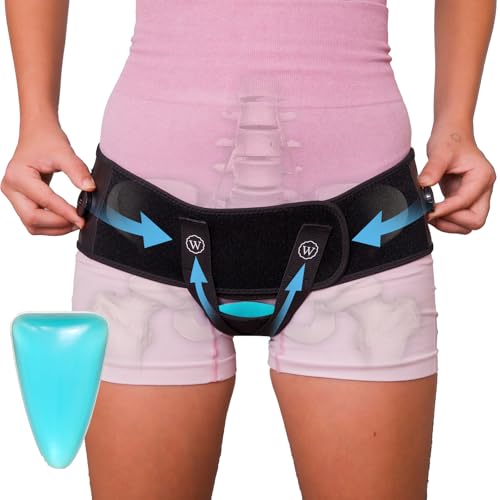
wearwan Pelvic Support Belt for Pregnancy & Postpartum – Prolapse Support for Women – Vulvar Varicosities Support (S/M)
✔Versatile Support– The WEARWAN pelvic support belt relieves pelvic organ prolapse, pelvic girdle pain, vulvar varicosities, symphysis pubis…
As an affiliate, we earn on qualifying purchases.
As an affiliate, we earn on qualifying purchases.
Conclusion
Remember, your pelvic floor needs gentle care as you heal—trust in your body’s ability to recover with patience and proper exercises. Did you know that nearly 50% of women experience some form of pelvic floor dysfunction after childbirth? By taking small, consistent steps, you’re actively supporting your body’s healing process. Stay committed, listen to your body, and celebrate each progress milestone—you’re doing an amazing thing for your health!

KEGEL EXERCISES FOR WOMEN: An Easy Guide To Rebuild Pelvic Strength, Support Healing, And Regain Confidence After Pregnancy And Delivery
As an affiliate, we earn on qualifying purchases.
As an affiliate, we earn on qualifying purchases.

K-fit Kegel Toner for Women – Electric Pelvic Muscle Exerciser for Automatic Kegels, Incontinence Stimulator
K-fit is a battery operated automatic kegel device that tightens and tones the pelvic floor muscles effortlessly. Anytime….
As an affiliate, we earn on qualifying purchases.
As an affiliate, we earn on qualifying purchases.