TL;DR

Turn the school run and nap time into listening time
- Thousands of audiobooks, podcasts and originals
- Listen on your phone, tablet or Echo — also offline
- Cancel anytime
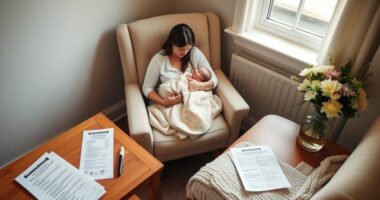
A postpartum wellness article presents 99 affirmations organized around recovery, rest, emotions, confidence, support and self-care. The list is offered as a personal reflection and encouragement tool, not as medical advice or a substitute for postpartum care.
A wellness article titled “Need a Gentle Reset? 99 Daily Affirmations for Postpartum Life” shares phrases for people adjusting to life after giving birth, grouping them around healing, rest, emotional changes, confidence, support and self-care. The author says journaling with affirmations helped during her own postpartum experiences; the list is presented as personal encouragement, not as a clinical treatment or a promise of recovery.
The article describes postpartum life as a period that can combine caring for a newborn with physical healing, disrupted sleep and hormonal changes. Its author draws on two births and says she used birth affirmations during labor before finding that she also wanted reassurance after delivery. With her second baby, she began writing affirmations in a journal and says they helped her through the ups and downs of the period.
The 99 statements are arranged in six themes. They include honoring the postpartum body, allowing a slower pace, making room for complicated emotions, building trust in oneself as a parent, asking for help and protecting personal needs. Examples include “I don’t rush the healing process,” “I am allowed to feel both love and sadness at the same time,” and “I can ask for help when I need it.”
Several phrases encourage rest, nourishment and reaching out to other people. Others acknowledge that a parent may feel overwhelmed or lonely, or may need time apart from caregiving. The article invites readers to select the lines that resonate and share them in the comments. It also points readers to related affirmation collections about mornings and parenthood.
A Reflection Tool for New Parents
The article addresses an adjustment that can be hard to describe: a new parent may feel love for a baby while also experiencing exhaustion, vulnerability, sadness or uncertainty. By organizing its list around recognizable postpartum experiences, it offers readers ready-made language for self-reflection rather than asking them to find the right words in a demanding period.
Its value is framed as supportive and personal. The author reports that journaling helped her, but the source does not present research showing that affirmations improve postpartum health or treat mental-health conditions. Readers can use the statements as prompts if they find them helpful, while understanding that encouragement is not a substitute for medical or mental-health support when that is needed.
Products Worth Considering

Graco Magnum Project Painter Plus Paint Sprayer

Graco TrueCoat One Electric Airless Paint Sprayer

Graco Ready2Grow 2.0 Double Stroller
As an affiliate, we earn on qualifying purchases.
From Birth Affirmations to Postpartum
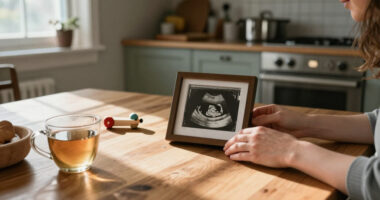
The author connects the collection to her experience using affirmations in hypnobirthing during two births. She says those experiences were different, as were the postpartum periods that followed, and that both included challenges and positive moments. After her second birth, she began using affirmations in a journal, which became the basis for the article’s personal perspective.
The collection then shifts attention from labor to the weeks and months afterward: a time the author describes as involving recovery while caring for a newborn. Its themes move from body and rest to feelings, parenting confidence, social support and personal boundaries. The source does not give a publication date, name a clinical reviewer or cite studies supporting the effects of affirmations.
““I am tender, but that doesn’t make me weak.””
— The article’s author
Evidence and Care Limits
The source offers the author’s account of what helped her and a collection of suggested phrases, but it does not establish whether affirmations work for postpartum readers generally. It provides no clinical studies, expert interviews or information about how the list was developed. The publication date and any editorial or medical review are also not stated in the supplied material.
The article does not assess readers’ health or distinguish ordinary adjustment from conditions that may require professional attention. Its affirmations should not be read as medical guidance, and statements about trusting intuition or knowing what a baby needs are personal prompts rather than clinical advice. Anyone with concerns about their physical recovery or emotional well-being can contact a qualified health professional for individualized guidance.
How Readers Can Use the List
The article asks readers to choose the affirmations that resonate and share their favorites in the comments. It also directs them to related collections on morning affirmations and parenthood. No follow-up reporting, new research or additional publication plans are identified in the source.
Readers may treat the statements as optional journaling or reflection prompts, adapting or setting them aside as they see fit. The source does not say that readers should follow the list as a program, and it offers no schedule or outcome measure for using the affirmations.
Key Questions
What does the article offer?
It presents 99 postpartum affirmations, grouped around healing, rest, emotions, parenting confidence, support and self-care.
Why did the author create the list?
The author says journaling with affirmations helped her during the postpartum period after her second baby. The list draws on that personal experience.
Are the affirmations medical advice?
No. The source presents them as encouragement and reflection prompts, not as treatment or individualized medical guidance.
Do the affirmations have proven benefits?
The supplied article does not cite studies or establish a general effect. It reports the author’s personal experience, so broader benefits remain unconfirmed in this source.
What if a reader needs more than encouragement?
The affirmations are not a replacement for professional care. Readers with concerns about recovery or emotional well-being can seek advice from a qualified health professional.
Source: rss