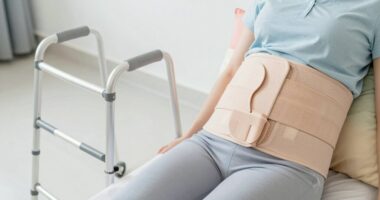
Diastasis recti happens when your abdominal muscles separate along the midline, often after pregnancy as your uterus expands and stretches those muscles. This can cause a visible bulge and impact your core strength, leading to back pain and poor posture. Supporting healing involves gentle exercises that target deep core muscles like the transverse abdominis, avoiding movements that cause bulging. Keep exploring to find out effective techniques that help you recover comfortably and regain strength.
Key Takeaways
- Diastasis recti is a separation of abdominal muscles often occurring during or after pregnancy.
- It weakens core stability, leading to back pain, poor posture, and pelvic issues.
- Support healing with gentle, targeted exercises focusing on transverse abdominis and mindful breathing.
- Avoid traditional crunches and movements that cause abdominal bulging during recovery.
- Consistent, proper technique and professional guidance help close the gap and restore core strength.
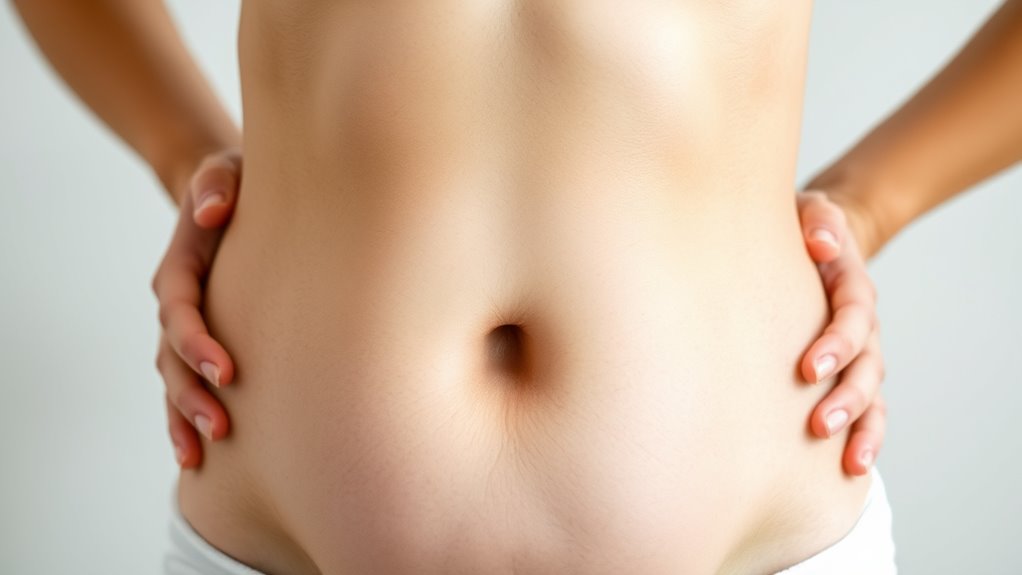
Diastasis recti is a condition where the abdominal muscles separate along the midline, often occurring during or after pregnancy. This separation happens as your uterus expands, causing the rectus abdominis muscles—the “six-pack” muscles—to stretch and sometimes create a gap. If you notice a bulge or a gap in your stomach when you strain or sit up, you might be experiencing diastasis recti. It’s common, but understanding how to support your healing process is essential for regaining strength and core stability.
Your core plays a crucial role in your overall stability and movement, especially after pregnancy. When you have diastasis recti, your core muscles aren’t functioning optimally, which can lead to back pain, pelvic issues, and decreased posture. To support healing, focusing on core stability is key. Instead of traditional crunches or sit-ups, which can put undue pressure on your abdominal wall, opt for gentle postpartum exercises designed to strengthen your deep core muscles. These exercises help close the gap and improve support for your spine and pelvis.
Postpartum exercises tailored for diastasis recti are effective because they target the transverse abdominis—the deepest abdominal muscle—without overstressing the weakened muscles. As you begin these exercises, you’ll learn to engage your core correctly, drawing in your lower belly gently and avoiding bulging or doming of the abdomen. This mindful engagement encourages proper healing and prevents further separation. Over time, strengthening these muscles provides better core stability, which is essential for daily activities and long-term health.
It’s important to be patient and consistent with your postpartum exercises. You might not see immediate results, but with regular practice, your abdominal muscles will gradually regain strength and functionality. Incorporating proper breathing techniques, such as diaphragmatic breathing, can also enhance core engagement and promote healing. Remember, avoiding movements that cause your abdomen to bulge or domes is crucial during this healing phase. Always listen to your body and consult a healthcare professional or physical therapist experienced in postpartum recovery if you’re unsure about your exercise technique or progress.
Supporting healing from diastasis recti isn’t just about exercises; it’s about adopting a mindful approach to your body’s needs. Strengthening your core stability through targeted postpartum exercises helps you regain confidence, reduces discomfort, and restores the strength that supports your daily life. Incorporating techniques such as mindfulness practices can help you stay present and attentive to your body’s signals during recovery. With patience, proper guidance, and consistent effort, you can effectively close the separation and rebuild a resilient, stable core.

6-Minute Diastasis Recti Exercises: Safe and Effective Diastasis Recti Exercise to Heal Abdominal Separation, Eliminate Belly Bulge, and Close Postpartum Gap
As an affiliate, we earn on qualifying purchases.
As an affiliate, we earn on qualifying purchases.
Frequently Asked Questions
Can Diastasis Recti Affect Urinary or Bowel Functions?
Yes, diastasis recti can affect your urinary and bowel functions. When the condition impacts your pelvic floor muscles, it may lead to issues with bladder control or bowel movements. You might notice leaks or difficulty fully emptying your bladder or bowels. Strengthening your pelvic floor through targeted exercises can help improve these functions, but consult a healthcare professional to develop a safe and effective plan tailored to your needs.
Is Diastasis Recti Permanent or Can It Fully Resolve?
Think of diastasis recti as a bridge that can sometimes repair itself. While it’s not always permanent, many women see significant improvement with proper exercises and prevention strategies. Long-term effects vary, but early intervention helps prevent further separation. You can support healing by engaging in targeted core work, avoiding heavy lifting, and maintaining good posture. With dedication, you may fully resolve or greatly reduce the condition over time.
Are There Specific Exercises to Avoid With Diastasis Recti?
You should avoid exercises that put excessive strain on your core, like traditional crunches or sit-ups, as they can worsen diastasis recti. Instead, focus on gentle core strengthening and posture correction exercises that promote healing. Be cautious with any movement that causes bulging or doming in your abdomen. Always listen to your body and consult a healthcare professional for personalized guidance to guarantee safe, effective recovery.
How Soon After Childbirth Can I Start Treatment?
Studies show that 60% of women experience diastasis recti postpartum. You can typically start gentle postpartum recovery exercises within 2 to 6 weeks after childbirth, but exercise timing varies based on your healing process. Always consult your healthcare provider before beginning any treatment to guarantee your body’s ready. Starting too early can risk injury, so listen to your body and prioritize gradual, safe postpartum recovery.
Can Diastasis Recti Recur After Healing?
Yes, diastasis recti can recur after healing if you don’t maintain core stability. To prevent recurrence, continue doing gentle abdominal exercises that strengthen your core muscles. Avoid activities that strain your abdomen, like heavy lifting or intense crunches, until your core is fully stabilized. Consistently practicing core stability exercises helps keep your abdominal muscles together and reduces the risk of diastasis recti returning over time.

Diastasis Recti exercises for Men over 50: 25 easy to follow workouts for fixing abdominal separation, strengthening core and eliminate belly bulge
As an affiliate, we earn on qualifying purchases.
As an affiliate, we earn on qualifying purchases.
Conclusion
In your pursuit of healing, remember that patience and persistence are paramount. Prioritize proper practices, stay consistent, and seek support when needed. With dedication and discipline, you can diminish diastasis recti’s discomfort and rediscover your strength. Embrace this empowering process, and let resilience reign. Your recovery is within reach—revel in the reassurance that, with effort and endurance, you’ll restore your core and reclaim your confidence.

MAMODY Abdominal Binder for Men & Women – Post Surgery Belly Band Adjustable Compression Wrap Belly Binder Abdomen Hernia Support Belt (L)
IDEAL FOR POSTPARTUM AND POST-SURGERY COMFORT – The MAMODY abdominal binder post surgery provides essential support during recovery…
As an affiliate, we earn on qualifying purchases.
As an affiliate, we earn on qualifying purchases.

SOFTCA C Section Recovery Must Haves Kit – Peri Bottle,Disposable Mesh Underwears,Witch Hazel Pad Liners,Silicone Scar Patches, Abdominal Belly Binder,Socks,C-Section Recovery Essentials Kit
【EVERYTHING IN ONE KIT】The c section recovery kit includes: ✔️Premium Angled Peri Bottle (1)✔️Super-Soft Mesh Underwear (6 ps)✔️Cooling…
As an affiliate, we earn on qualifying purchases.
As an affiliate, we earn on qualifying purchases.