After a C-section, expect some pain and discomfort as your body heals. You can ease pain with medications, ice packs, and gentle movement like short walks. Be careful with your scar, keeping it clean and dry to promote healing, and avoid heavy lifting or sudden twists. Gradually, you’ll regain strength and mobility. Taking time for rest and following your healthcare provider’s advice will help you recover fully and comfortingly. For more helpful tips, keep exploring these recovery essentials.
Key Takeaways
- Manage pain with prescribed medications, ice packs, and gentle activities to promote comfort and healing.
- Engage in light, gradual movement like short walks to improve circulation and prevent complications.
- Follow incision care instructions: keep the area clean, dry, and protected to promote proper healing.
- Avoid heavy lifting and sudden movements to prevent strain and support scar recovery.
- Practice patience and self-care, understanding that scar fading and full recovery take time.

Recovering from a C-section can be challenging, but understanding what to expect helps you manage the process more effectively. One of the first hurdles you might face is the emotional adjustment. It’s normal to feel a mix of relief, exhaustion, and even sadness as you process your birth experience. You may also grapple with feelings of disappointment if things didn’t go as planned or if your recovery isn’t progressing as quickly as you’d hoped. Remember, these emotions are part of healing and are valid. Giving yourself grace and accepting support from loved ones can considerably ease this transition. Talking about your feelings with a partner, friend, or counselor can help you process them and reduce feelings of overwhelm.
Breastfeeding challenges often accompany a C-section recovery. You might find it difficult to get comfortable holding your baby due to abdominal pain or tenderness around your incision. This discomfort can make latching tricky at first, causing frustration and worry about your baby’s nourishment. It’s important to be patient with yourself and seek help from lactation consultants if needed. They can guide you on positioning techniques that minimize pressure on your incision site and make breastfeeding more manageable. Keep in mind that your body needs time to adjust to both the physical and hormonal changes, which can affect milk production initially. Staying hydrated, maintaining a balanced diet, and resting when possible are essential for supporting your milk supply and overall recovery.
You’ll also notice emotional shifts linked to your recovery process. Hormonal fluctuations after childbirth can leave you feeling tearful or anxious, and it’s essential to acknowledge these feelings without guilt. Stress and fatigue can amplify emotional struggles, but taking small steps to relax, such as deep breathing or gentle walks, can help stabilize your mood. Remember, your mental health is just as important as physical healing. If feelings of sadness or anxiety persist, don’t hesitate to reach out to healthcare providers for additional support.
Physically, you’ll need to be cautious with movement. Avoid lifting heavy objects or making sudden movements that strain your incision. Gentle movement, like short walks, can promote circulation and reduce the risk of blood clots, but listen to your body and rest when needed. Managing pain with prescribed medications, ice packs, and proper incision care will make mobility easier and more comfortable. When caring for your scar, keep it clean and dry, and follow your doctor’s instructions on wound care. Over time, your scar will fade, but proper care ensures it heals well and minimizes discomfort. Remember, recovery is a gradual process—patience, support, and self-compassion will help you navigate it successfully.

Lansinoh Hot and Cold Postpartum Pads – Reusable Perineal Ice Packs for Postpartum Recovery, Labor & Delivery Essentials, 2 Count
COLD PAIN RELIEF- Use cold for pain relief from discomfort caused by labor, birth, hemorrhoids, and c-sections
As an affiliate, we earn on qualifying purchases.
As an affiliate, we earn on qualifying purchases.
Frequently Asked Questions
When Can I Safely Start Exercising After a C-Section?
You can usually start gentle postpartum nutrition and pelvic floor exercises around six weeks after your C-section, but listen to your body and consult your doctor first. Avoid strenuous activities until your healthcare provider clears you, typically around this time. Focus on walking and light stretches initially. Prioritize recovery, stay hydrated, and gradually increase activity levels to make certain of safe healing and strengthen your pelvic floor muscles effectively.
How Can I Prevent Hernias at the Incision Site?
Worried about an incision hernia? You can prevent it by carefully following scar reinforcement techniques and avoiding heavy lifting early on. Always support your incision with a clean, secure bandage and avoid sudden strain. Strengthening your core gently, staying active, and maintaining good posture also help. Don’t rush recovery; proper scar care reduces the risk and keeps your incision strong, giving you peace of mind.
Are There Specific Foods That Promote Scar Healing?
You should focus on eating nutrient-rich foods that promote scar healing. Incorporate foods high in scar healing nutrients like vitamin C, zinc, and protein, such as citrus fruits, leafy greens, lean meats, and nuts. These foods boost collagen production and tissue repair, helping your incision heal faster and with less scarring. Staying hydrated and avoiding processed foods also support your body’s natural healing process, ensuring better recovery.
How Do I Manage Emotional Changes Postpartum?
You might think you’re on an emotional rollercoaster, but embracing postpartum adjustment is key. Seek emotional support from loved ones or support groups, and don’t hesitate to share your feelings. Remember, it’s normal to feel overwhelmed or teary. Prioritize self-care, rest when you can, and stay connected. Managing emotional changes takes patience, but with support, you’ll find your footing and navigate this new chapter with resilience.
What Are Signs of Infection at the Scar Site?
If you notice signs of infection at your scar site, watch for wound redness, swelling, or increased pain. Pus discharge is a clear indicator, and if you develop a fever, it’s a sign you should seek medical attention promptly. Keep an eye out for unusual warmth around the area. Addressing these symptoms early helps prevent complications and guarantees proper healing. Don’t hesitate to contact your healthcare provider if you have concerns.

Frida Mom C-Section Silicone Strips, C-Section Recovery Must Have Scar Patches, Reusable Medical Grade Treatment for Keloid Scars, Includes Case & Pouch
C-SECTION SCAR SILICONE STRIPS: Includes 6 reusable scar treatment patches to support keloid bump removal for c-section recovery…
As an affiliate, we earn on qualifying purchases.
As an affiliate, we earn on qualifying purchases.
Conclusion
Recovery after a C-section might feel like an uphill battle, but with patience and care, you’ll conquer it. Keep listening to your body, managing pain, and caring for your scar like a treasured treasure. Remember, each small step forward is a giant leap toward feeling like yourself again. Trust in your strength—you’re capable of more than you know. Before long, you’ll look back and marvel at how you turned this challenging chapter into your biggest triumph yet.

ChongErfei Maternity Belt, Pregnancy 3 in 1 Support Belt for Back/Pelvic/Hip Pain, Maternity Band Belly Support for Pregnancy Belly Support Band (L: Fit Ab 39.5"-51.3", Black)
✅RECOMMENDED BY OBSTETRICIANS: Medical studies show wearing a high quality maternity support belt, helps to promote a healthier…
As an affiliate, we earn on qualifying purchases.
As an affiliate, we earn on qualifying purchases.
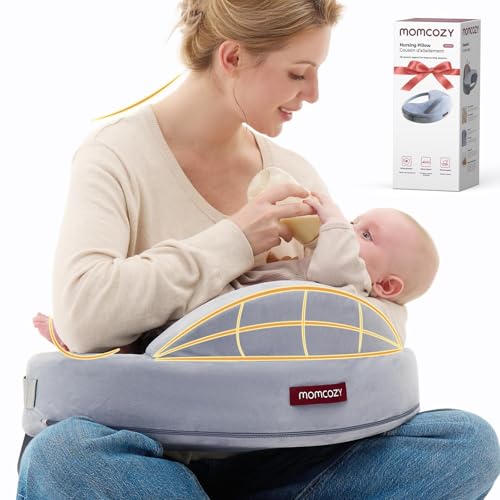
Momcozy Innovative Safety Guard Nursing Pillow – Firm & Springy Memory Foam – Stable, Ergonomic Support & Comfort – Wider Breastfeeding Cushion, Adjustable, Removable Cover, Baby Safety Certified
[Ergonomic Comfort and MaxSupport] Made of 100% safe memory foam. Different from other nursing pillows, the Momcozy original…
As an affiliate, we earn on qualifying purchases.
As an affiliate, we earn on qualifying purchases.