
TL;DR

Turn the school run and nap time into listening time
- Thousands of audiobooks, podcasts and originals
- Listen on your phone, tablet or Echo — also offline
- Cancel anytime
Holistic nutritionist Cassy Joy Garcia has identified six common protein myths that mislead women, particularly mothers. Her guidance clarifies that the standard RDA is a minimum, not a target, and that protein sources extend far beyond meat. Garcia emphasizes that busy women do not need complex tracking apps or supplements to meet increased physiological needs during key life stages.
Garcia identifies the first major misconception as the belief that “eating fine” equates to adequate protein intake. She notes that women’s protein needs spike during pregnancy, postpartum recovery, breastfeeding, and menopause, precisely when they are most exhausted and least likely to prioritize their own nutrition. Additionally, a physiological shift known as anabolic resistance occurs between ages 35 and 50, making it harder for women to build and maintain muscle. Consequently, the dietary habits that sufficed in their 20s may no longer be sufficient.
The second myth concerns the RDA of 0.8 grams per kilogram of body weight. Garcia describes this figure as a minimum to prevent deficiency, not a goal for optimal health. Recent federal guidance, including the Dietary Guidelines for Americans, 2025-2030, supports raising intake to 1.2 to 1.6 grams per kilogram daily. Garcia points out that while half of Americans meet this higher range, the group falling short skews female, suggesting a systemic gap in meeting actual physiological needs.
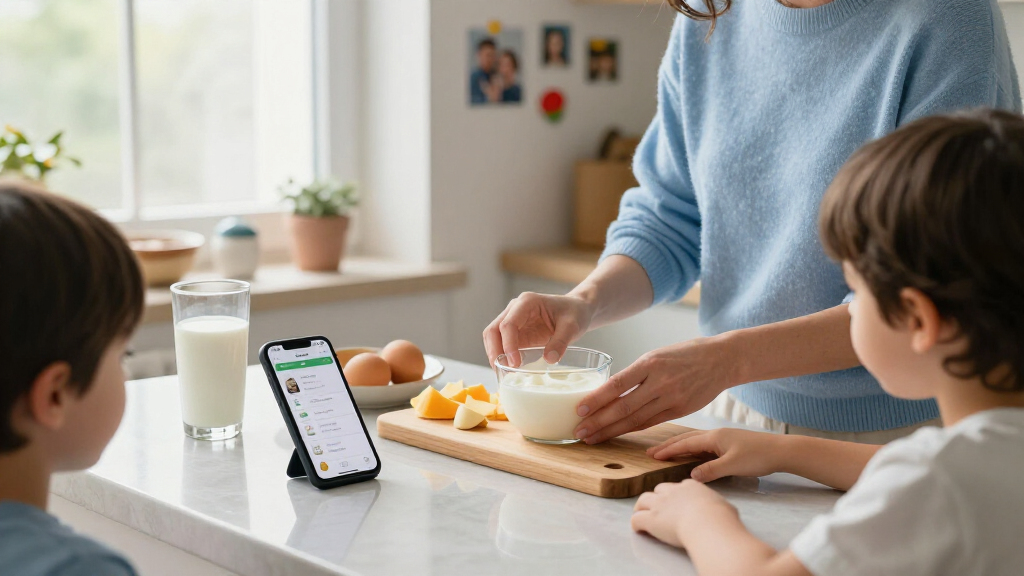
Finally, Garcia challenges the idea that protein management requires technology or supplements. She asserts that the industry’s push for tracking apps and powders creates unnecessary complexity. Instead, she recommends a simple method: placing a protein source on the plate first before adding other foods. This approach helps women anchor meals around protein without the need for permanent calorie counting or expensive gadgets.
Impact on Women’s Long-Term Health
Clarifying these myths matters because inadequate protein intake can accelerate muscle loss and hinder recovery during critical life stages. For mothers and women in perimenopause, the combination of high stress and lower energy often leads to neglecting nutrient-dense foods. By debunking the idea that meat is the only protein source, Garcia opens up affordable and accessible options like tofu, lentils, and Greek yogurt. This shift can reduce the financial and mental burden of trying to “optimize” nutrition through expensive products, allowing women to focus on sustainable, whole-food practices that support long-term metabolic health.
Rise of Protein-Centric Consumer Culture
The conversation around protein has intensified in recent years, moving from niche fitness circles to mainstream consumer culture. Brands like Starbucks now offer protein-infused beverages, and social media trends encourage adding cottage cheese or powders to everyday meals. This surge in interest has created a market flooded with conflicting advice, often tied to product sales. Garcia’s work emerges from this landscape, aiming to cut through the noise of macro-tracking and supplement marketing to provide evidence-based, practical guidance for women who are not necessarily looking to bulk up for bodybuilding.
“Pregnancy, postpartum recovery, breastfeeding, and perimenopause/menopause all increase protein needs, sometimes substantially, right at the moments when women are also the most exhausted and least likely to be cooking for themselves first.”
— Cassy Joy Garcia, holistic nutritionist and author
Individual Variability in Protein Needs
While Garcia provides general ranges, individual protein requirements can vary significantly based on activity level, specific medical conditions, and metabolic health. It is not yet clear how these general guidelines apply to women with specific dietary restrictions or chronic health issues without personalized medical advice. Furthermore, the long-term impact of the new Dietary Guidelines for Americans, 2025-2030 on public health outcomes remains to be seen, as adoption rates and individual compliance will influence real-world results.
Shifting From Tracking to Habit Building
Experts suggest that the next step for women is to move from diagnostic tracking to habit building. Garcia recommends using tracking apps for only a few days to establish a baseline, then transitioning to intuitive eating practices that prioritize protein anchors. Future developments in this space may include more simplified meal-prep resources and a continued shift in food industry marketing toward whole-food protein sources rather than processed supplements, aligning with the growing consumer demand for transparency and simplicity.
Key Questions
Is the RDA of 0.8g/kg sufficient for most women?
No. According to Garcia and the new Dietary Guidelines for Americans, 2025-2030, the RDA is a minimum to avoid deficiency. Optimal health targets are generally higher, between 1.2 and 1.6 grams per kilogram of body weight.
Do I need to eat meat to get enough protein?
No. Garcia emphasizes that eggs, Greek yogurt, tofu, edamame, lentils, and beans are effective protein sources. The key is building meals around these sources as the main component, not just as sides.
Is it necessary to track protein intake with an app?
Not permanently. Garcia suggests tracking for a few days to understand your baseline, but recommends against relying on apps long-term. Instead, she advises placing a protein source on your plate first to ensure adequate intake without complex math.
Why do protein needs change with age?
Between ages 35 and 50, women experience anabolic resistance, a physiological shift where the body becomes less efficient at building muscle. This requires a higher protein intake per meal to achieve the same maintenance benefits as in younger years.
Source: rss
Cold & flu season Picks
humidifiers
As an affiliate, we earn on qualifying purchases.