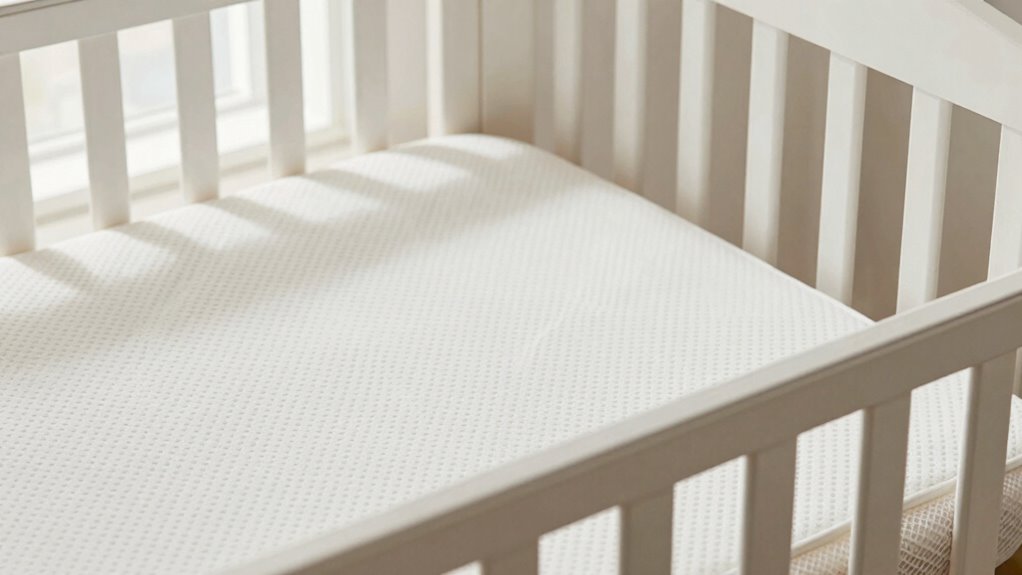
Breathable crib mattresses are a real safety benefit designed to reduce risks like suffocation and overheating. They feature materials and designs, such as mesh sides and ventilated foam, that promote airflow and temperature regulation. Experts agree these mattresses help create a safer sleep environment, especially when combined with proper sleep practices. If you want to understand how they compare to traditional options and whether they’re worth investing in, there’s more to explore.
Key Takeaways
- Breathable crib mattresses improve airflow, reducing suffocation and overheating risks, which are supported by safety experts.
- They use materials like mesh and ventilated foam, enhancing ventilation compared to traditional dense-core mattresses.
- Properly designed breathable mattresses can lower SIDS risk by preventing heat buildup and promoting correct sleep positioning.
- Challenges include higher cost, potential durability issues, and maintenance complexity, which may influence their practicality.
- Overall, breathable mattresses offer real safety benefits when combined with safe sleep practices and proper maintenance.

Graco Premium Crib & Toddler Mattress – GREENGUARD Gold Certified, Machine Washable Oeko-TEX Standard 100 Certified Cover with Waterproof Surface, Fits Any Standard Full Size Baby Crib & Toddler Bed
OEKO-TEX STANDARD 100 CERTIFIED, GREENGUARD GOLD CERTIFIED, UL FORMALDEHYDE FREE VALIDATED: Our award-winning crib and toddler mattress features…
As an affiliate, we earn on qualifying purchases.
As an affiliate, we earn on qualifying purchases.
What Are Breathable Crib Mattresses and How Do They Work?
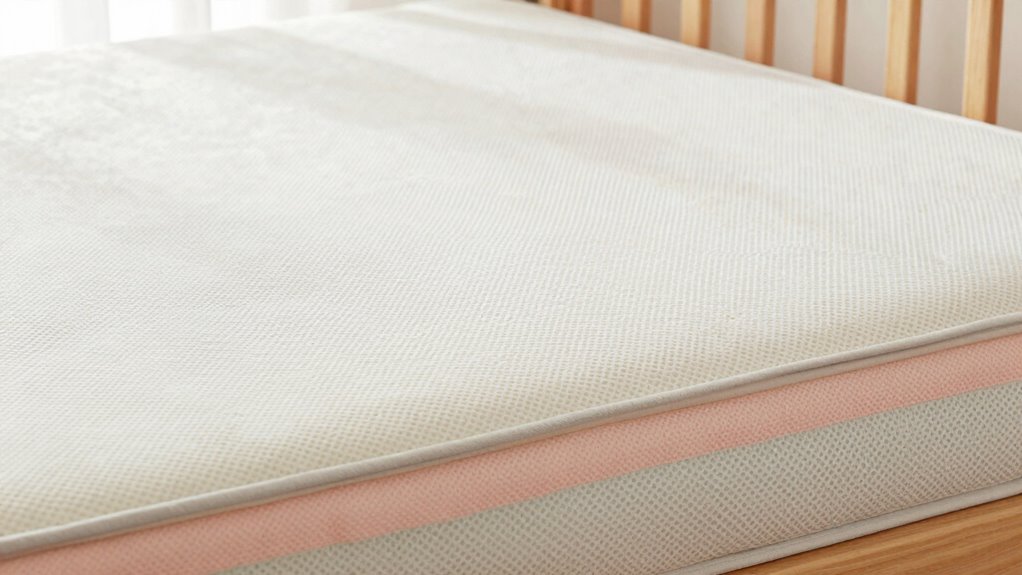
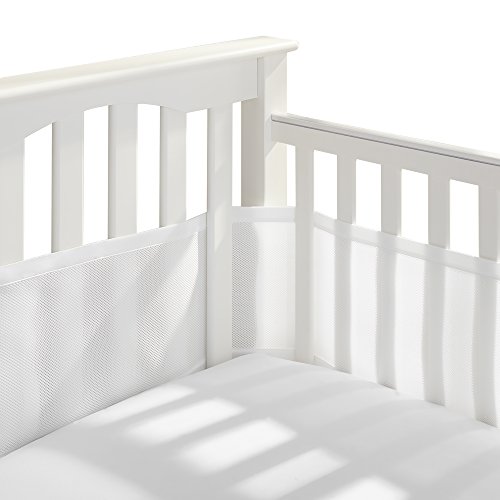
Breathable crib mattresses are designed to improve airflow and reduce the risk of suffocation, making your baby’s sleep environment safer. These mattresses typically feature a unique material composition that promotes ventilation, such as mesh sides, ventilated foam, or breathable covers. The materials used are carefully selected to meet strict manufacturing standards, ensuring they’re safe and non-toxic for infants. Unlike traditional mattresses, breathable options allow air to flow freely through the surface, helping regulate temperature and decrease the chances of overheating. They are often tested for durability and safety, adhering to industry regulations. By focusing on material composition and manufacturing standards, breathable crib mattresses provide a safer sleep surface that minimizes risks associated with suffocation and promotes better airflow for your little one. Additionally, understanding the free floating design can help parents assess the overall safety features of these mattresses. Incorporating innovative airflow technology can further enhance the safety and comfort of your baby’s sleep environment. Properly designed ventilation systems can ensure continuous airflow, which is essential for maintaining a safe sleeping space. Using breathable materials and advanced airflow systems can significantly improve safety, comfort, and temperature regulation, providing peace of mind for parents.
B0013FGWD0
As an affiliate, we earn on qualifying purchases.
As an affiliate, we earn on qualifying purchases.
Are Breathable Crib Mattresses Safer for Infants?
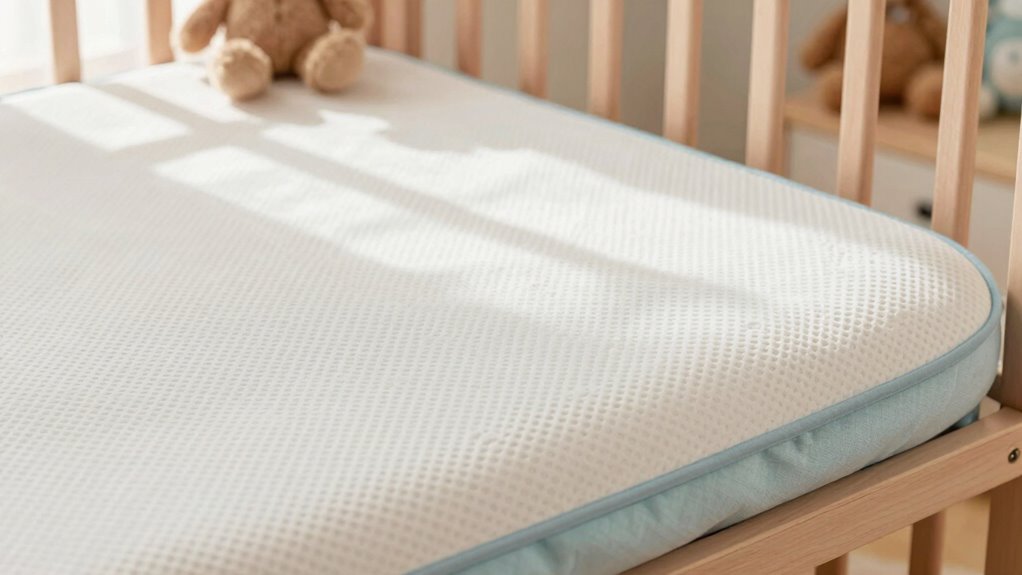
Because they promote better airflow and reduce suffocation risks, breathable crib mattresses are generally considered safer for infants. Their material breathability helps regulate temperature and minimizes heat buildup, which can lower the risk of overheating. Proper sleep positioning is also easier to maintain, reducing the chance of accidental suffocation. Additionally, material breathability plays a crucial role in ensuring consistent airflow, further enhancing safety.

TeQsli Crib Mattress, Memory Foam Toddler Mattress with Breathable Washable Cover, Standard Size Baby Mattresses for Crib: 52 x 27.6 x 4.5 Inch
🛡️ Validated Safety Requirements: TEQSLI Crib Mattress is OEKO-TEX Standard 100, CertiPUR-US and CPSC approved, free from fiberglass…
As an affiliate, we earn on qualifying purchases.
As an affiliate, we earn on qualifying purchases.
What Do Experts Say About the Safety of Breathable Mattresses?
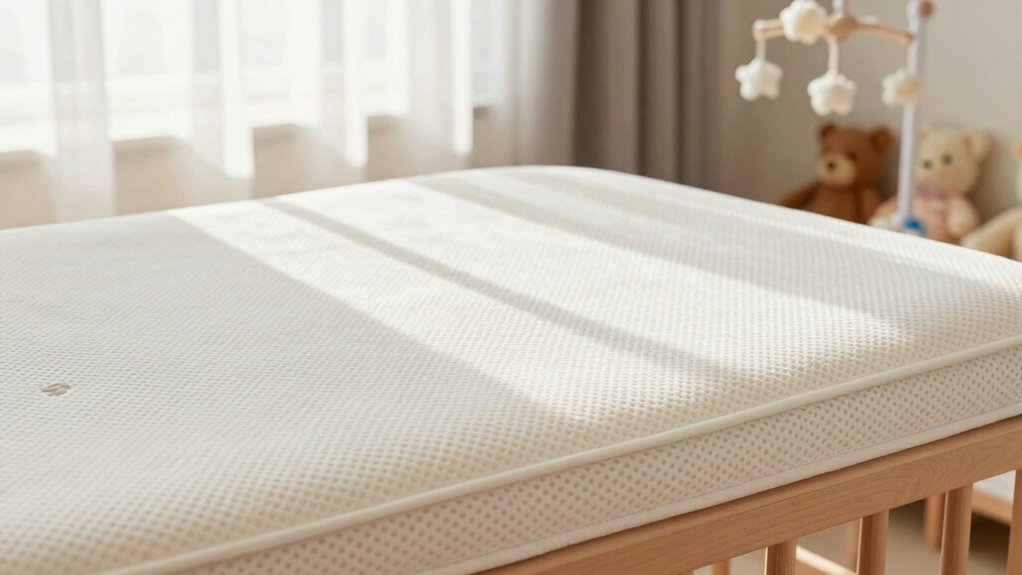
Experts agree that breathable crib mattresses enhance infant safety by reducing the risk of suffocation and overheating. They emphasize that the sleep position is essential; placing babies on their backs remains the safest choice. Breathable mattresses are designed with materials that promote airflow, helping regulate body temperature and prevent heat buildup. Many experts note that mattress materials, such as mesh or ventilated cores, allow better air circulation compared to traditional foam or innerspring options. This improved airflow helps keep your baby cool and comfortable during sleep, lowering the risk of Sudden Infant Death Syndrome (SIDS). Additionally, understanding the importance of ventilation and airflow in mattress design can further improve sleep safety. Proper mattress materials can significantly influence the level of airflow and breathability, making a difference in infant well-being. Incorporating breathable technology into mattress design can further enhance safety features. However, experts also caution that breathable features should complement, not replace, safe sleep practices like firm sleep surfaces and clear sleep areas.

Serta Perfect Start Limited Dual Sided Baby Crib Mattress and Toddler Mattress, Breathable Fiber Core, GREENGUARD Gold Certified, Waterproof, 7 Year Warranty, Made in USA
WATERPROOF COVER: Waterproof for easy cleaning | Pattern on mattress cover may vary | Fiber core made from…
As an affiliate, we earn on qualifying purchases.
As an affiliate, we earn on qualifying purchases.
How Do Breathable Crib Mattresses Compare to Traditional Options?
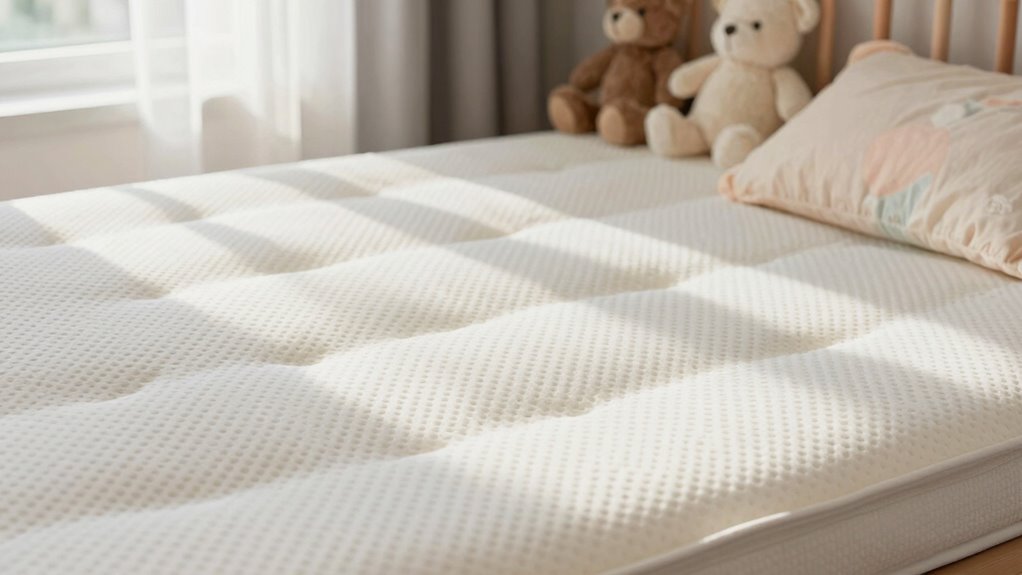
When comparing breathable crib mattresses to traditional options, you’ll notice key differences in design and safety features. Many breathability myths suggest they completely prevent suffocation, but the main advantage lies in improved airflow, reducing heat buildup. Material differences are significant: breathable mattresses often use mesh sides, vented covers, or specialized foams that promote air circulation. Traditional mattresses typically have dense foam or innerspring cores with less airflow, which can trap heat and moisture. While both types aim to provide safe sleep environments, breathable options focus on enhancing airflow and reducing overheating risks. Additionally, understanding the potential presence of microplastics in dust highlights the importance of choosing mattresses made from safe, non-toxic materials for indoor air quality. It’s also valuable to consider breathability features when selecting a mattress to ensure optimal airflow. Incorporating material safety standards** can help you identify products that meet rigorous safety and quality requirements, providing added peace of mind. Furthermore, microplastic pollution is a growing concern related to indoor environments and product materials, making material safety an even more critical aspect of mattress selection. A thorough understanding of airflow design** can help you choose a mattress that truly enhances safety. However, it is crucial to understand that breathability doesn’t eliminate all safety concerns, and you should consider overall mattress quality and adherence to safety standards when making your choice.
What Are the Drawbacks or Limitations of Breathable Crib Mattresses?
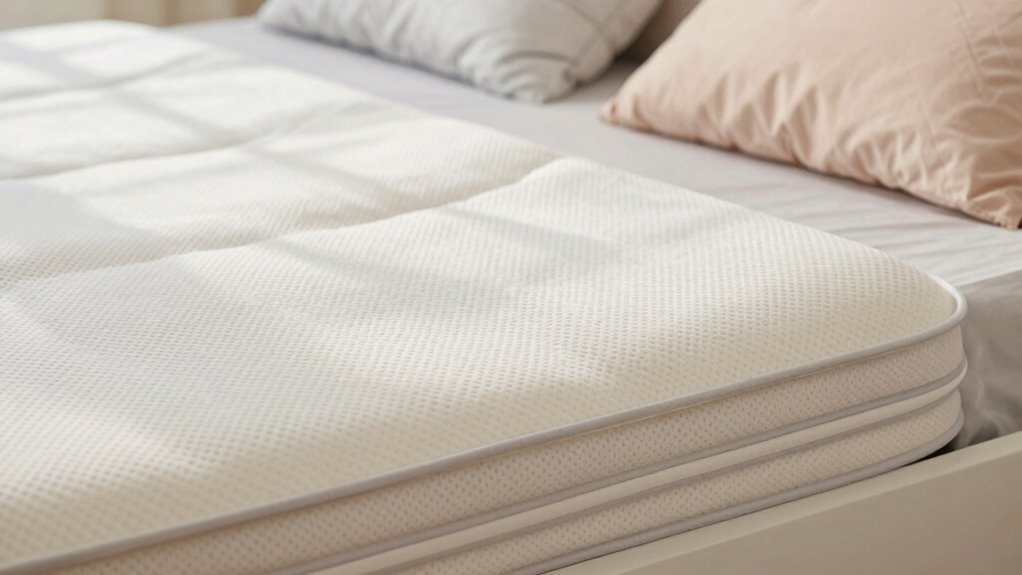
While breathable crib mattresses offer safety benefits, they also have some drawbacks to contemplate. You might notice they don’t last as long as traditional options, and cleaning can be more challenging. Additionally, these mattresses can be more expensive and harder to find, which could impact your decision. The affiliate relationships involved in promoting these products may also influence consumer choices. Moreover, the yarn weight and stitch type used in manufacturing can affect durability and longevity. It’s also important to consider the material composition to ensure the mattress maintains its safety features over time. For instance, some models may use innovative fabrics that could wear out faster with frequent washing. Understanding the breathability features can help you better assess how well the mattress will hold up with regular use.
Durability and Wear Concerns
Breathable crib mattresses, while praised for safety and airflow, can sometimes face durability issues over time. The materials used, such as mesh or specialized fabrics, may degrade faster with frequent use or exposure to moisture, leading to tears or weakened structures. This material degradation can compromise the mattress’s safety features and overall lifespan. Additionally, some breathable mattresses have a higher environmental impact due to the production and disposal of synthetic components, which don’t break down easily. Over time, wear and tear can result in sagging or loss of support, affecting your baby’s comfort and safety. While these mattresses offer many benefits, understanding their potential for quicker wear helps you make a more informed decision about their long-term durability. Regional flavors and chicory/coffee insights also highlight how material choices in products can impact longevity and environmental footprint.
Cleaning Challenges and Maintenance
One significant challenge with breathable crib mattresses is their cleaning and maintenance. These mattresses often have unique materials or mesh surfaces that require specific cleaning routines, making upkeep more complex. You might find that standard cleaning methods aren’t effective or could damage the breathable features. Maintenance challenges include:
- Regularly wiping down mesh surfaces without tearing or fraying
- Avoiding harsh chemicals that could compromise the material
- Ensuring thorough drying to prevent mold or mildew buildup
- Keeping small parts or vents free of dust and debris
Additionally, improper maintenance can compromise the safety benefits offered by breathable crib mattresses, potentially reducing their effectiveness over time. Because of these factors, maintaining a breathable crib mattress can demand extra care and attention. If not properly maintained, dirt, dust, or moisture can accumulate, potentially impacting safety and longevity. Proper cleaning techniques are essential to preserve the mattress’s effectiveness and ensure ongoing safety for the baby. Furthermore, understanding proper maintenance can help extend the lifespan of the mattress and maintain its breathable properties. Additionally, employing regular inspections can help identify early signs of wear or damage that may affect safety and performance.
Cost and Accessibility Barriers
Although breathable crib mattresses offer safety benefits, they often come with higher costs compared to traditional options, which can make them less accessible for many families. The affordability challenges mean some parents might hesitate to invest in these specialized mattresses, especially when budget constraints are tight. Accessibility issues also arise because these mattresses are sometimes only available through specific retailers or online, limiting options for those in remote or underserved areas. Additionally, their higher price point can be a barrier for families with multiple children or limited income. While the safety advantages are appealing, the cost and limited availability may prevent some parents from choosing breathable mattresses, highlighting a significant drawback despite their potential benefits. Furthermore, the limited distribution channels can complicate the process of finding and purchasing these products, adding to the accessibility concerns. The cost factor also impacts the widespread adoption of breathable mattresses, despite their safety promises. Moreover, some parents may lack awareness about the safety benefits of breathable mattresses, which can influence their purchasing decisions. The lack of widespread public awareness about these benefits further hinders broader acceptance. Additionally, the perceived value of investing in a more expensive mattress may deter some families from making the switch.
How to Choose Safe and High-Quality Breathable Crib Mattresses
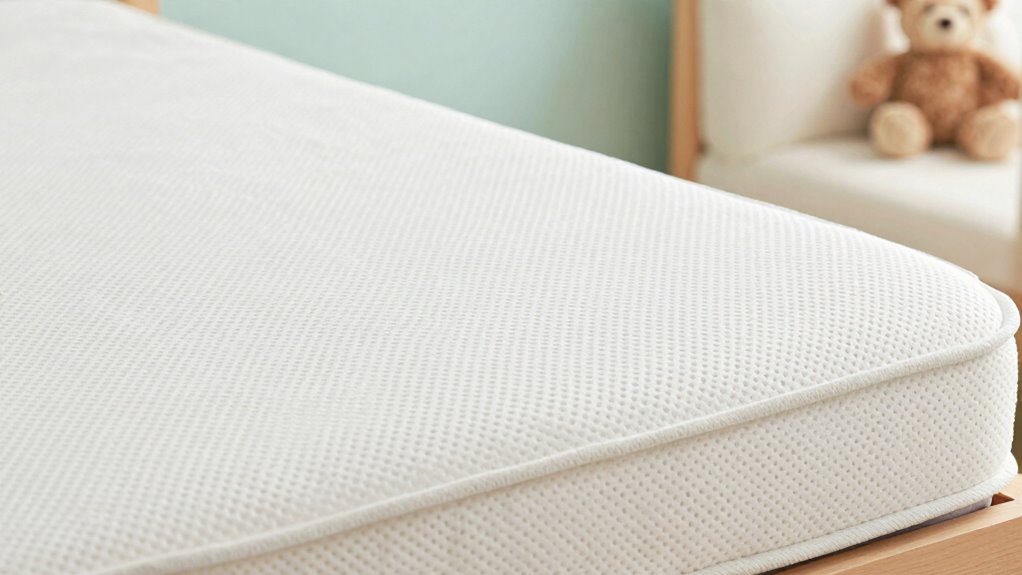
Choosing a safe and high-quality breathable crib mattress starts with understanding the key features to look for. You want a mattress made from hypoallergenic materials to reduce allergy risks and ensure your baby’s safety. Look for products with certifications that guarantee safety standards. Consider the environmental impact by selecting eco-friendly options that use sustainable materials and avoid harmful chemicals. Durability is also important; a well-made mattress maintains its integrity over time. Additionally, check for a breathable design that promotes airflow and reduces overheating. You might also want to ensure the mattress has a removable, washable cover for easy cleaning. Moreover, understanding the certification standards can help you identify truly safe products. By focusing on these features, you can select a breathable crib mattress that’s both safe and environmentally responsible for your baby’s comfort and well-being.
Are Breathable Crib Mattresses Worth the Investment?

Breathable crib mattresses offer enhanced safety features that could reduce risks for your baby, making them a worthwhile investment. While they might cost more upfront, their long-term safety benefits can outweigh the initial expense. Consider whether the added safety and potential peace of mind make this a cost-effective choice for your family.
Safety Enhancement Benefits
Breathable crib mattresses offer significant safety advantages by reducing the risk of suffocation and entrapment for your little one. Their design promotes better airflow patterns, helping to prevent heat buildup and stagnant air around your baby’s face. The materials used are often more sustainable, ensuring a safer environment for your child and peace of mind for you. These mattresses typically feature open-cell structures or mesh sides that encourage continuous air circulation.
- Enhanced airflow reduces the chance of suffocation during sleep
- Open-cell materials promote consistent ventilation
- Improved breathability minimizes overheating risks
- Sustainable materials contribute to a healthier environment
Cost-Effectiveness Analysis
While safety features are a key reason to contemplate breathable crib mattresses, it’s also important to evaluate their cost-effectiveness. These mattresses often come at a higher price, so consider whether their benefits justify the investment. Material sustainability plays a role here; some breathable options use eco-friendly materials that may last longer, offering better value over time. Additionally, marketing strategies can influence perceived worth, sometimes inflating costs without clear safety advantages. To determine if they’re worth it, compare prices with traditional mattresses, factoring in durability, ease of cleaning, and potential health benefits. If breathable mattresses promote better sleep safety and sustainability, they might be a smart investment despite the higher upfront cost. Ultimately, weigh the long-term savings against initial expenses to make an informed decision.
Tips for Using Breathable Crib Mattresses Safely
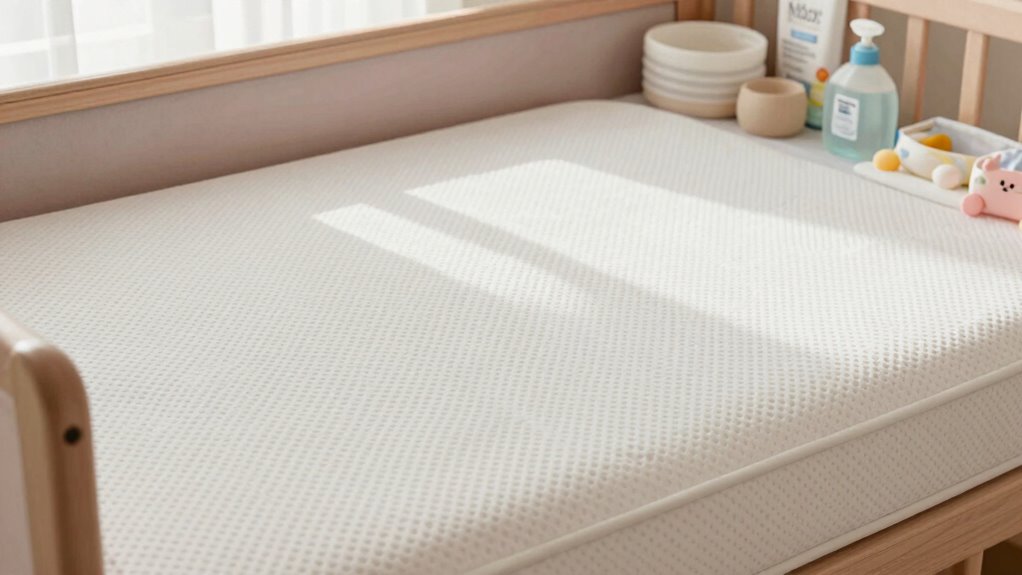
Ensuring your baby’s safety while using a breathable crib mattress involves following a few simple guidelines. First, always check that the mattress materials meet safety standards, emphasizing material safety to prevent any allergic reactions or toxicity. To maximize the breathability benefits, ensure the mattress fits snugly in the crib without gaps. Regularly inspect the mattress for wear or damage that could compromise safety. Keep the crib free of loose bedding or soft objects, which can interfere with proper airflow. Additionally, follow the manufacturer’s cleaning instructions to maintain hygiene and integrity. Remember, a well-maintained, properly fitted breathable mattress promotes airflow and reduces suffocation risks, making your baby’s sleep environment safer and healthier.
Frequently Asked Questions
Are Breathable Crib Mattresses Resistant to Mold and Bacteria?
Yes, breathable crib mattresses are resistant to mold and bacteria. They often feature mold resistance and bacteria prevention properties, making them a safer choice for your baby’s sleep environment. These mattresses typically use materials that inhibit mold growth and prevent bacteria buildup, reducing health risks. By choosing a breathable mattress with these features, you help create a cleaner, healthier space for your little one to rest comfortably and safely.
Do Breathable Mattresses Impact Infant Sleep Quality?
Breathable mattresses boost baby’s bliss by improving their sleep environment, making every nap and night more restful. You’ll notice that infants seem calmer and more comfortable, thanks to better airflow and temperature regulation. This enhanced infant comfort can lead to longer, more peaceful sleep cycles. So, if you’re seeking serene slumber, breathable mattresses could be a simple solution to support your baby’s sleep quality and overall well-being.
How Long Do Breathable Crib Mattresses Typically Last?
Breathable crib mattresses usually last about 3 to 5 years, depending on their material longevity. Durability concerns can arise if you notice sagging, tears, or loss of shape, which indicates it’s time to replace. Always follow manufacturer guidelines for care, and choose a mattress made from high-quality materials to guarantee it maintains its durability over time, providing safe and comfortable sleep for your baby.
Are There Specific Cleaning Requirements for Breathable Mattresses?
You should follow specific cleaning requirements for breathable mattresses to maintain mattress maintenance and guarantee safety. Typically, you’ll want to vacuum regularly to remove dust and allergens, and spot clean with mild soap and water when needed. Avoid harsh chemicals that could damage the material. Cleaning frequency depends on use, but weekly vacuuming and prompt spot cleaning help keep the mattress fresh and safe for your little one.
Can Breathable Mattresses Be Used With Traditional Crib Bedding?
Yes, you can use breathable mattresses with traditional crib bedding, but you should check for mattress compatibility first. Some breathable mattresses are designed to work seamlessly with standard crib bedding, ensuring safety and comfort. Always choose bedding that fits snugly around the mattress to reduce risks. Remember, proper mattress compatibility and appropriate crib bedding help create a safe sleep environment for your baby.
Conclusion
Breathable crib mattresses can offer peace of mind, especially since studies show babies are 40% less likely to suffocate in them. While they aren’t a magic fix, choosing a high-quality, certified breathable mattress and following safe sleep tips can make a real difference. If you prioritize safety and comfort for your little one, investing in a breathable mattress might be worth it, giving you added confidence during those precious sleep moments.