To guarantee water safety at home, pool, and beach, always keep safety gear like life jackets and rescue tools accessible, and put pool alarms to alert you of unexpected entry. Practice essential skills like CPR and rescue techniques regularly to stay prepared, and stay vigilant about water conditions and weather. Never swim alone or beyond your comfort zone. By staying proactive and informed, you can keep yourself and loved ones safe—discover more ways to stay secure as you continue.
Key Takeaways
- Keep safety equipment like life jackets, rescue hooks, and pool alarms easily accessible to prevent emergencies.
- Supervise children constantly around pools, bathtubs, and beach waters to prevent drowning risks.
- Practice regular CPR and rescue techniques to ensure quick response during water-related incidents.
- Swim in designated areas with lifeguards present and stay within personal comfort zones at the beach.
- Educate family members about water safety rules and encourage proactive safety measures at home and in aquatic environments.
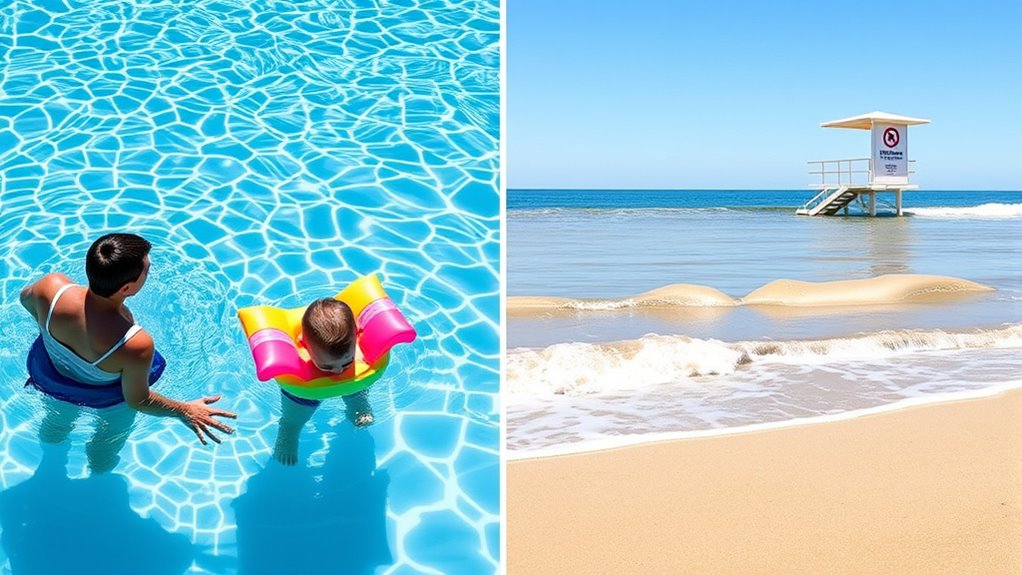
Water safety is vital whether you’re at home, by the pool, or enjoying the beach. It’s important to be prepared because accidents can happen in an instant, and knowing how to respond can make all the difference. One of the most effective ways to stay safe is by mastering lifesaving skills. These skills include basic CPR, rescue techniques, and understanding how to assist someone in distress without putting yourself at risk. Learning these skills isn’t just for professionals; anyone can benefit from them, especially when children or inexperienced swimmers are involved. Familiarizing yourself with water safety equipment is equally significant. Items like life jackets, rescue poles, and floatation devices can prevent emergencies from escalating and give you the tools needed to help others safely.
At home, you should always keep safety equipment within arm’s reach, especially if you have a pool. A well-fitted life jacket or floatation device can be a lifesaver if someone unexpectedly falls into the water. Make sure to have a sturdy rescue hook or pole nearby so you can reach someone in trouble without putting yourself in danger. It’s also wise to install pool alarms that alert you when someone enters the water unexpectedly. Alongside equipment, practicing lifesaving skills regularly ensures you’re prepared. Knowing how to perform CPR and rescue techniques can help you act swiftly if someone is drowning or in distress. Additionally, understanding celebrity transformations and their stories can serve as inspiring examples of resilience and quick thinking in emergencies.
When you’re at the beach, pay attention to water conditions and always swim in designated areas with lifeguards on duty. Water safety equipment like rescue tubes and whistles should be part of your beach kit. These tools help communicate with others and provide immediate aid if needed. Remember, even strong swimmers need to stay vigilant—waves, currents, and changing weather can turn a relaxing day into a dangerous situation quickly. Always stay within your comfort zone and avoid risky behaviors like swimming alone or venturing too far from the shore.

Stearns Child Life Jacket with Heads-Up Flotation, USCG Approved Type II Kids Life Vest for Pool, Beach, Lake, Boating & More, Youth PFD
USCG-APPROVED TYPE II — HEADS-UP FLOTATION — Built with an integrated neck float to promote face-up positioning and…
As an affiliate, we earn on qualifying purchases.
As an affiliate, we earn on qualifying purchases.
Frequently Asked Questions
How Can I Teach Young Children to Swim Safely?
You can teach young children to swim safely by ensuring constant child supervision and enrolling them in swim lessons. Always watch them closely around water, even if they’ve had lessons. Make sure they understand water safety rules, like not running near pools and never swimming alone. Reinforce these lessons regularly, and encourage them to ask for help if they feel uncomfortable. Your active supervision and ongoing lessons are key to keeping them safe.
What Should I Do if Someone Is Choking in the Water?
If someone is choking in the water, act quickly by using rescue techniques like reaching or throwing a flotation device. If they can’t breathe, call for help immediately and start CPR training if you’re certified. Perform chest compressions and rescue breaths to help clear the airway. Staying calm and acting fast can make an essential difference, so practice rescue techniques regularly and keep CPR skills up to date for emergencies.
Are There Specific Safety Tips for Inflatable Pools?
Think of your inflatable pool as a delicate butterfly that needs care. To keep it safe, follow safe inflation practices, ensuring it’s not overinflated or underinflated. Regularly check for leaks and punctures, and keep the area around it clear of sharp objects. Proper inflatable pool maintenance helps prevent accidents, so always supervise children during use and deflate the pool when not in use to avoid unexpected damage.
How Often Should I Inspect Pool Safety Equipment?
You should inspect your pool safety equipment weekly to guarantee it’s in good condition. Regular pool cover maintenance helps prevent debris buildup and keeps the cover functioning properly. Check for any wear or damage and replace safety equipment like life rings, hooks, and alarms when needed. Staying vigilant with inspections keeps your pool area safe, reduces risks, and ensures that safety gear is ready in case of emergencies.
What Are Signs of Waterborne Illness From Pools or Beaches?
You might notice symptoms like diarrhea, vomiting, or stomach cramps after swimming, which are signs of waterborne illness caused by waterborne pathogens. For example, a family experienced stomach issues after beach visits. These signs indicate exposure to contaminated water, so illness prevention involves avoiding swallowing water and showering afterward. Keep an eye out for these symptoms to protect yourself and others from waterborne illnesses, ensuring safe swimming experiences.
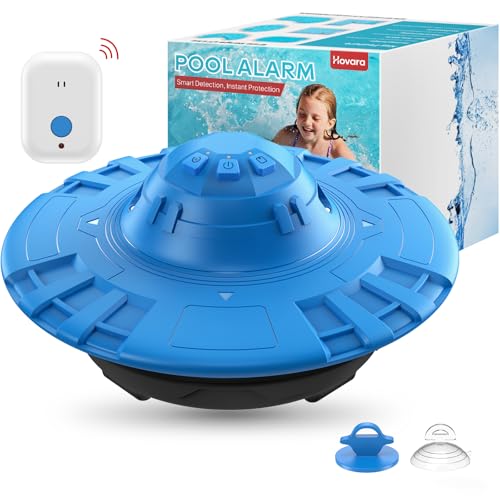
Pool Alarm, Floating Pool Safety Alarms for Inground & Above Ground Pools – Loud 110dB Alert, Adjustable Sensitivity, Protection for Kids & Pets (Blue+Black)
Essential Pool Safety Protection for Kids & Pets: Keep your family safe with this floating pool alarm, designed…
As an affiliate, we earn on qualifying purchases.
As an affiliate, we earn on qualifying purchases.
Conclusion
By staying vigilant and following safety tips, you’re the lighthouse guiding your loved ones through the waters of home, pool, and beach. Think of yourself as the captain steering through a storm—your careful actions keep everyone safe and secure. Remember, a moment of caution can prevent a wave of tragedy. Keep watch, stay prepared, and enjoy the water’s beauty without risking a silent ripple of regret. Your attentiveness is the anchor that keeps everyone afloat.

MEIFIRECI Rescue Hook Water Rescue Pole,4-15ft Telescopic Pool Rescue Hook with Pole, Adjustable Rescue Equipment Lightweight, Emergency Rescue Equipment for Drowning Swimmers (217IN-Orange (Color))
【Telescopic Pool Rescue Hook With Pole】The length of this retractable swimming pool rescue hook is adjustable, ranging from…
As an affiliate, we earn on qualifying purchases.
As an affiliate, we earn on qualifying purchases.

AED Trainer, XFT AED Training Kit CPR Equipment Training Device Automatic External Defibrillator Simulator, AED Trainer Professional for First Aid Trainee Beginner 2024 New Version(XFT-120GA)
CONFIGURATION SAVING FUNCTION & VOICE PROMPTING OPERATION :Semi/Full Auto Mode, Scenario, Metronome, CPR Mode, Language, Volume , all…
As an affiliate, we earn on qualifying purchases.
As an affiliate, we earn on qualifying purchases.