
To survive allergy season at home and school, you can use HEPA air purifiers, keep windows closed, and run HVAC systems regularly to reduce airborne allergens. Plan outdoor activities during low pollen times, wear sunglasses, and wash face afterward. Stay hydrated, take medications as needed, and monitor pollen forecasts. Managing both indoor air quality and outdoor exposure is key—continue exploring these strategies to make allergy season more manageable.
Key Takeaways
- Use air purifiers indoors and keep windows closed during high pollen days to reduce allergen exposure.
- Schedule outdoor activities for late afternoons or after rain, and monitor local pollen forecasts.
- Encourage children to wash hands and face after outdoor play and wear sunglasses and hats for added protection.
- Maintain proper home climate control with efficient HVAC systems and regular filter changes to improve indoor air quality.
- Stay hydrated, take allergy medications as prescribed, and combine indoor air strategies with outdoor timing for effective symptom management.

Are you ready to tackle allergy season head-on? It can be overwhelming, but with the right strategies, you can minimize your symptoms and enjoy the season more fully. One of the most effective ways to improve indoor air quality is to invest in an air purifier. Air purifier benefits go beyond just filtering dust and pollen; they can considerably reduce airborne allergens like pet dander, mold spores, and airborne pollutants that worsen allergy symptoms. When you keep the air in your home clean, you’ll notice fewer sneezing fits, clearer breathing, and less eye irritation. Place the air purifier in common areas such as the living room or bedroom, and make sure to change filters regularly to maintain its effectiveness. Combining this with outdoor play tips can help you strike a balance between fresh air and allergen exposure. When planning outdoor activities, choose times when pollen counts are lower, such as late afternoon or after a rain shower, which tends to wash pollen out of the air. Wearing sunglasses and a hat can also help keep pollen from settling on your skin and hair. If your child is involved in outdoor play, encourage them to wash their hands and face afterward to remove any pollen that may have accumulated. It’s also wise to avoid outdoor activities near freshly mowed lawns or areas with high weed growth, as these spots tend to have concentrated pollen. Creating a shaded, grassy area in your yard for play can reduce exposure, but always check local pollen forecasts before heading out. Using efficient heating and cooling systems like heat pumps can help maintain indoor comfort and improve air quality by reducing reliance on traditional fossil fuel heating systems, which can contribute to indoor pollutants. On days with high pollen counts, consider indoor activities like arts and crafts, board games, or reading, which allow your family to stay active without exposing yourselves to overwhelming allergens. When outside, keep windows and doors closed as much as possible to prevent pollen from drifting inside. If you’re in charge of outdoor play, plan for shorter sessions and set a timer to remind everyone to head inside before symptoms become severe. Remember, staying hydrated and taking allergy medications as prescribed can also help manage your symptoms. These combined efforts—using an air purifier to improve indoor air quality and following outdoor play tips—can make a noticeable difference during allergy season. By being proactive, you’ll find it easier to enjoy the sunshine and outdoor activities without suffering from allergy flare-ups. Ultimately, the key is awareness and preparation, so you can navigate the season with comfort and confidence, making the most of every beautiful day despite the pollen.

LEVOIT Air Purifier for Home Allergens Pet Hair in Bedroom, Covers Up to 1073 ft² by 56W High Torque Motor, AHAM VERIFIDE, 3-in-1 Filter with HEPA Sleep Mode, Remove Dust Smoke Odor, Core300-P, White
WHY CHOOSE AHAM VERIFIDE AIR PURIFIERS: AHAM (Association of Home Appliance Manufacturers) is an ANSI-accredited organization that sets…
As an affiliate, we earn on qualifying purchases.
As an affiliate, we earn on qualifying purchases.
Frequently Asked Questions
How Can I Tell if My Child’s Allergy Symptoms Are Serious?
You can tell if your child’s allergy symptoms are serious by watching for increased symptom severity, such as difficulty breathing, swelling of the face or throat, or persistent wheezing. Emergency signs include trouble speaking, bluish lips, or loss of consciousness. If you notice any of these, seek emergency medical help immediately. It’s important to monitor their symptoms closely and consult a healthcare professional if you’re unsure about their severity.
Are There Natural Remedies to Reduce Allergy Symptoms?
Imagine your child’s allergy symptoms as storm clouds gathering. Herbal remedies like butterbur or nettle can act as gentle sunshine, easing discomfort naturally. Dietary adjustments, such as adding local honey or increasing omega-3s, help strengthen their defenses. You can create a calming environment by incorporating these natural remedies into daily routines, helping to clear the skies and bring relief without harsh medications.
How Do I Prevent Allergies From Spreading at School?
To prevent allergies from spreading at school, you should encourage good hygiene practices like handwashing and using tissues. Keep airborne allergens like pollen or dust at bay by regularly cleaning surfaces and ensuring proper ventilation. Teach students to avoid touching their face and to cover their mouth when coughing or sneezing. These steps help minimize allergen exposure and prevent the spread of allergy symptoms among classmates.
What Should I Do if My Allergy Medication Isn’t Working?
When allergy medication isn’t working like a shield, it’s time to act. You should consult your doctor to identify any new allergy triggers and explore medication alternatives, such as different antihistamines or nasal sprays. Keep track of your symptoms and avoid known triggers. Remember, just like a key opens a lock, the right medication can *uncover* relief. Don’t hesitate to seek professional advice for personalized solutions.
Can Allergies Develop or Change Over Time?
Yes, allergies can develop or change over time. You might notice new allergy triggers or more severe symptoms as your immune system adapts. Symptom progression varies, so stay attentive to any changes in your reactions to common allergens like pollen, dust, or pet dander. Regularly updating your allergy management plan helps you stay ahead. If you notice significant changes, consult an allergist to identify new triggers and adjust your treatment accordingly.
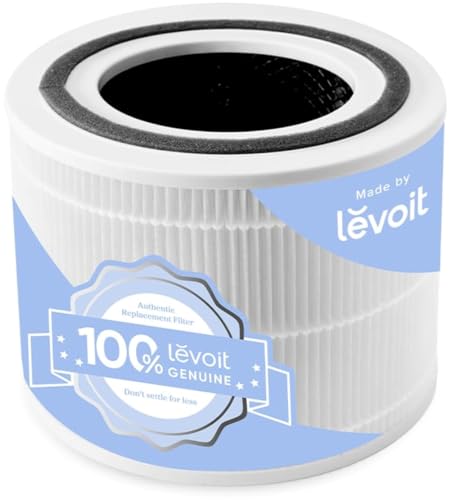
LEVOIT Genuine Core 300-P Replacement Filter, Core 300-RF Air Purifier Core300S Filters, Supports HEPA Sleep Mode, High-Efficiency Activated Carbon for Removal of Smoke, Odor, Allergens, Pollen,1 Pack
𝐆𝐄𝐍𝐔𝐈𝐍𝐄 𝐑𝐄𝐏𝐋𝐀𝐂𝐄𝐌𝐄𝐍𝐓 𝐅𝐈𝐋𝐓𝐄𝐑: Designed specifically for the Core 300-P / Core 300S-P air purifiers to maintain its peak…
As an affiliate, we earn on qualifying purchases.
As an affiliate, we earn on qualifying purchases.
Conclusion
As allergy season peaks, staying ahead is key—you’ve got this! Remember, over 30 million Americans suffer from seasonal allergies, so you’re not alone. Keep your home clean, limit outdoor activities when pollen counts are high, and don’t forget to pack allergy meds for school. With these strategies, you can breathe easier and enjoy the season more. Stay proactive, stay healthy, and don’t let allergies hold you back from the fun ahead!

Medi Grade Cooling Ice Face Mask and Cooling Eye Mask for Puffy Eyes & Migraine Relief – Self Care Face Ice Pack with ChillGel Face Ice Mask Technology – Cooling Face Mask, Eye Pads and Bag
Revive Your Eyes, Look Better and Brighter Than Ever – Dark circles and puffy eyes? You deserve some…
As an affiliate, we earn on qualifying purchases.
As an affiliate, we earn on qualifying purchases.
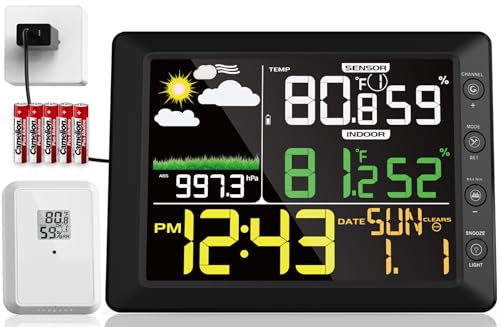
DOOMAY Indoor Outdoor Wireless Weather Station | Digital Thermometer Hygrometer Monitor with Barometric Pressure, Weather Forecast, Alarm Clock & Temp/Humidity Calibration
Accurate Indoor/Outdoor Temperature & Humidity Monitor: Get precise, real-time readings from -40°F to 140°F and 10% to 99%…
As an affiliate, we earn on qualifying purchases.
As an affiliate, we earn on qualifying purchases.