
TL;DR

Turn the school run and nap time into listening time
- Thousands of audiobooks, podcasts and originals
- Listen on your phone, tablet or Echo — also offline
- Cancel anytime
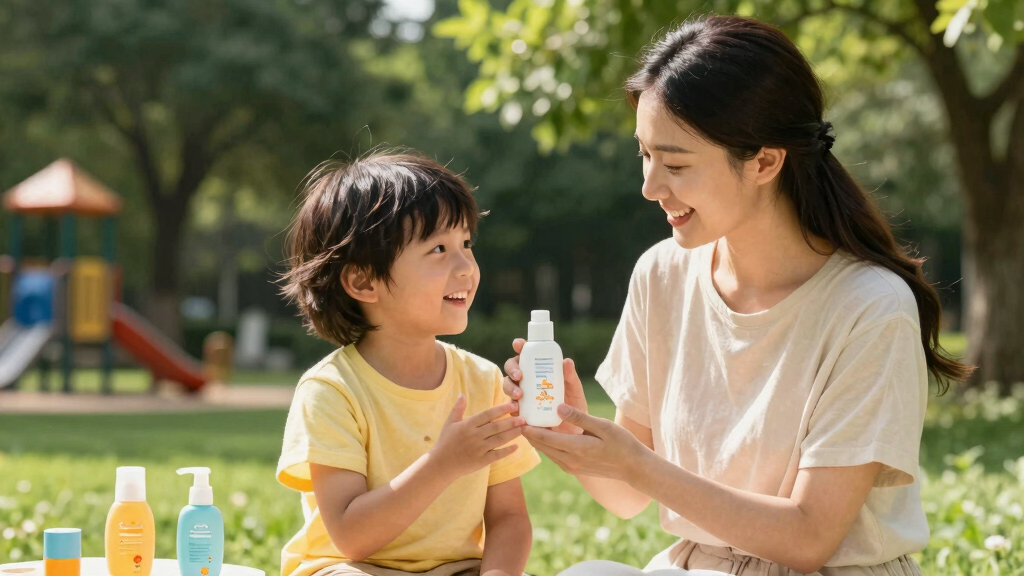
Health experts emphasize the importance of sunscreen, hydration, and cooling spots to prevent heat-related illnesses in children during summer. Authorities advise parents to follow specific safety guidelines as temperatures rise.
Health experts are urging parents and caregivers to prioritize summer heat safety for children by applying recommended sunscreen, ensuring adequate hydration, and utilizing designated cooling spots to prevent heat-related illnesses.
According to the American Academy of Pediatrics, children are particularly vulnerable to heat exhaustion and heat stroke, especially during peak summer temperatures. Experts advise applying broad-spectrum sunscreen with at least SPF 30 every two hours, wearing lightweight, protective clothing, and avoiding outdoor activities during the hottest parts of the day.
Hydration is critical; health officials recommend offering children water frequently and avoiding sugary drinks. Additionally, many cities and parks have established cooling centers—air-conditioned spaces where children can escape the heat. Authorities stress the importance of recognizing early signs of heat-related illnesses, such as dizziness, nausea, and excessive sweating, and taking immediate action.
Why Summer Heat Safety Is Critical for Children
Protecting children from extreme heat is vital because they are more susceptible to heat-related health issues, which can escalate quickly if not addressed. Failure to follow safety guidelines can lead to severe outcomes, including heat stroke, which requires immediate medical attention. Ensuring proper precautions can save lives and prevent long-term health consequences during the summer months.
kids SPF 30 broad-spectrum sunscreen
As an affiliate, we earn on qualifying purchases.
As an affiliate, we earn on qualifying purchases.
Recent Summer Heat Advisories and Preventive Measures
As temperatures across many regions continue to rise, health agencies have issued warnings emphasizing the importance of heat safety for children. Past summers have seen increased emergency room visits related to heat exhaustion among young children. Authorities have also highlighted the role of community resources, such as cooling centers, in providing relief during heatwaves.
Previous public health campaigns have focused on sunscreen and hydration, but recent developments include more accessible cooling options and public awareness efforts tailored for parents and caregivers.
“Children’s bodies heat up faster and cool down more slowly, making prevention essential during hot weather.”
— Dr. Susan Lee, Pediatrician
Unclear Aspects of Long-Term Heat Safety Strategies
While immediate safety measures are well-established, it is not yet clear how effective long-term community planning and infrastructure improvements will be in reducing heat-related illnesses among children. Specific data on the impact of recent cooling center expansions is still forthcoming, and ongoing climate change may alter heat patterns unpredictably.
Next Steps for Public Health and Community Support
Health agencies plan to continue public education campaigns focusing on summer safety. Authorities will monitor heat-related illness trends and assess the effectiveness of cooling centers and outreach programs. Parents are advised to stay informed through local health advisories and to implement recommended safety practices throughout the summer.
Key Questions
What are the most important sunscreen tips for kids during summer?
Use a broad-spectrum sunscreen with at least SPF 30, apply it generously 15 minutes before outdoor activity, and reapply every two hours or after swimming or sweating.
How can I tell if my child is suffering from heat exhaustion?
Signs include heavy sweating, weakness, dizziness, nausea, headache, and cool, moist skin. Seek immediate medical help if symptoms worsen or if heat stroke is suspected.
What are the best places for children to cool off during a heatwave?
Public cooling centers, air-conditioned malls, libraries, and shaded parks with misting stations are recommended. Always supervise children and encourage frequent hydration.
Are there specific clothing recommendations for children in hot weather?
Lightweight, loose-fitting, and light-colored clothing made of breathable fabrics like cotton help keep children cool and protected from sun exposure.
If a child shows signs of heat stroke—such as high body temperature, confusion, or loss of consciousness—immediate emergency care is necessary.
Source: rss
Halloween Picks
halloween
As an affiliate, we earn on qualifying purchases.