

To help your little one build fine motor skills, try fun activities like sensory play with rice or beans, arts and crafts such as coloring, cutting, and gluing, and setting up dedicated practice spaces with easy access to supplies. These activities strengthen hand muscles, improve control, and boost confidence while keeping kids engaged. When you keep encouraging regular practice, you’ll see their skills improve steadily—discover more ways to support your child’s development below.
Key Takeaways
- Incorporate sensory play like pouring beans or rice to strengthen hand muscles and improve grasping skills.
- Use arts and crafts such as coloring, cutting, and sticking to develop hand-eye coordination and fine motor control.
- Set up dedicated practice spaces with accessible supplies to encourage frequent, independent skill-building activities.
- Engage children in activities that promote concentration and patience, like threading or sorting objects.
- Regular, fun practice accelerates skill development, boosts confidence, and enhances independence in daily tasks.

Developing fine motor skills is essential for your child’s ability to perform everyday tasks like writing, buttoning, and drawing. When you focus on activities that boost these skills, you’re helping your little one gain better control over their hand movements and hand-eye coordination. One effective way to do this is through sensory play, which stimulates their senses and encourages precise movements. Think about filling a bin with rice, beans, or pasta and letting your child dig, scoop, and pour. These simple actions strengthen tiny muscles in their hands and fingers, making tasks such as grasping and pinching easier over time. Sensory play also keeps your child engaged and makes learning fun, so they’re more willing to practice consistently. Incorporating activities that promote fine motor development can also support overall growth and confidence in your child’s abilities.
Arts and crafts are another fantastic avenue for building fine motor skills. When your child colors, cuts, glues, or stitches, they’re practicing different hand movements that develop control and dexterity. For example, coloring within the lines requires steady hand movements, while cutting with scissors helps improve hand strength and coordination. Using glue sticks or applying stickers involves pinching and precise placement, which are great for refining fine motor control. Arts and crafts projects are flexible and can be tailored to your child’s age and interests, making them a natural part of your routine. Plus, they offer opportunities for creativity and self-expression, which keeps your child motivated to practice these skills.
Incorporating these activities into daily life doesn’t have to be complicated. You can set up a dedicated arts corner with paper, crayons, scissors, and glue, making it easy for your child to access and use. For sensory play, create themed bins or trays filled with different textures and materials, and let your child explore at their own pace. These activities not only promote fine motor development but also help with concentration, patience, and problem-solving skills. Remember, consistency is key; regular practice through fun, engaging activities accelerates progress and keeps your child excited about learning. As you observe their skills improving, you’ll notice increased confidence and independence in everyday tasks, which is a wonderful milestone.

Yowlieu 10 Pcs Wooden Sensory Bin Tools for Toddlers & Preschool Children, Montessori Sensory Wooden Toys Fine Motor Learning Pretend Play Sensory Tools for Kids
Complete Montessori Sensory Bin Tools Kit: 10 Sensory Tool Toys + 1 storage bag for supply all-in-one convenience,…
As an affiliate, we earn on qualifying purchases.
As an affiliate, we earn on qualifying purchases.
Frequently Asked Questions
When Should I Start Encouraging Fine Motor Skill Activities?
You should start encouraging fine motor skill activities in early childhood, as this is when children hit key developmental milestones. Introducing simple activities like grasping, stacking, and scribbling helps strengthen their hands and fingers. The sooner you begin, the better, as these skills are foundational for later tasks like writing and dressing. Keep activities fun and age-appropriate, and you’ll support your child’s growth in a natural, engaging way.
How Can I Tell if My Child’s Fine Motor Skills Are Developing Properly?
You can tell if your child’s fine motor skills are developing properly by observing their ability to meet developmental milestones, like grasping objects or drawing. Use assessment tools designed for early childhood to track progress and identify any delays. If your child struggles with tasks they should be able to do at their age, it may be worth consulting a specialist. Regularly monitoring these milestones helps make certain their skills develop on schedule.
Are There Any Activities to Avoid for Developing Fine Motor Skills?
You should avoid activities that might cause developmental setbacks, like excessive screen time or overly complex tasks that frustrate your child. Activities to avoid include using sharp tools or small objects that pose choking hazards. Also, steer clear of forced or repetitive tasks that can lead to boredom or stress. Instead, focus on safe, engaging activities that encourage natural exploration and skill development, supporting your child’s fine motor growth.
How Much Time Should Children Spend on Fine Motor Activities Daily?
Oh, sure, just toss your kid a few minutes of age-appropriate toys and call it a day. But honestly, you should aim for about 15-20 minutes daily of engaging fine motor activities, mixing outdoor play and creative tasks. This keeps little hands moving, developing skills without boredom. Remember, consistency beats intensity, so little and often is the secret to fostering those tiny muscles and coordination.
Can Fine Motor Activities Improve My Child’s Handwriting Skills?
Yes, engaging your child in fine motor activities can improve their handwriting skills. These activities boost motor coordination, helping your child develop better control over their hand movements. As they practice, you’ll notice clearer, more consistent handwriting. Incorporate activities like drawing, cutting, or threading to support this growth. Regular practice makes a big difference, and you’ll see their handwriting improvement as their motor coordination gets stronger.

Arts & Crafts Supplies Kits & Materials Set for Kids, Toddler – Carl & Kay
ALL INCLUSIVE CRAFT KIT: Looking for a fun one-stop, ready-for-anything craft supply bundle that covers all the basics?…
As an affiliate, we earn on qualifying purchases.
As an affiliate, we earn on qualifying purchases.
Conclusion
Think of your child’s fine motor skills as a delicate garden, each activity planting tiny seeds of strength and coordination. With your guidance, these seeds sprout into sturdy, blooming flowers of confidence and dexterity. As you nurture their growth through fun activities, you’re watering and tending this garden, helping it flourish. Before you know it, your little one will be harvesting the fruits of their efforts—ready to explore the world with skill and joy.

Melissa & Doug Primary Lacing Beads – Educational Toy with 30 Wooden Beads and 2 Laces for Toddlers, Fine Motor Skills Lacing Toys for Toddlers and Kids Ages 3+
Brightly Colored Wooden Craft Beads: The Melissa & Doug Primary Lacing Beads set includes 30 colorful wooden beads…
As an affiliate, we earn on qualifying purchases.
As an affiliate, we earn on qualifying purchases.
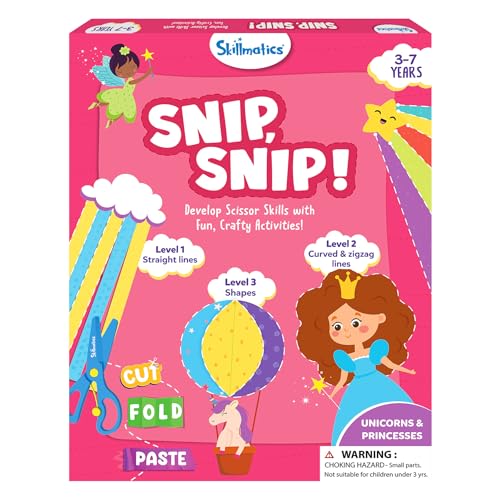
Skillmatics Scissor Skills Activity Book – Snip Snip Unicorns & Princesses, 25 Fun Cutting & Creative Activities for Preschoolers, 2 Child-Safe Scissors, Felt Craft Kit, Gifts for Ages 3, 4, 5, 6, 7
DEVELOP SCISSOR SKILLS: Skillmatics SNIP, SNIP! helps little ones master scissor skills with 25 unicorn and princess-themed activities!…
As an affiliate, we earn on qualifying purchases.
As an affiliate, we earn on qualifying purchases.