

To teach kids about power labels like W, Wh, and amps, show them how these symbols indicate how devices use energy safely and efficiently. Explain that watts tell how much power a device needs, watt-hours show total energy use over time, and amps indicate current flow. Using fun activities and visual aids makes learning engaging. Keep exploring these concepts, and you’ll help them understand important safety and energy-saving skills.
Key Takeaways
- Use visual aids and real-life examples to teach children where to find and how to read W, Wh, and A on labels.
- Simplify explanations by relating wattage and amps to everyday devices, like lamps and batteries, for easier understanding.
- Incorporate interactive activities such as scavenger hunts and matching games to reinforce label reading skills.
- Emphasize safety tips, including checking for correct symbols and understanding device power needs before use.
- Encourage questions and discussions to build confidence and promote responsible energy use and electrical safety awareness.
Parhlen Educational Toys Building Blocks, 244 Pieces Electric Screwdriver DIY Building Toys for Boys and Girls, Educational Construction Building kit for Kids Ages 4 5 6 7 8 9 10 Year Old
- Includes 244 Pieces: Blocks, nuts, bolts, wheels, and screwdriver
- Electric Screwdriver Included: Requires 2 AA batteries (not included)
- Builds 2D and 3D Crafts: Create animals, vehicles, and flowers
As an affiliate, we earn on qualifying purchases.
As an affiliate, we earn on qualifying purchases.
What Are Power Labels and Why Should Kids Learn Them?

Have you ever noticed those labels on foods and drinks that say “low fat,” “sugar-free,” or “high in protein”? Power labels on electrical devices serve a similar purpose. They help you understand a product’s energy efficiency, showing how much power it uses. Learning to read these labels boosts your safety awareness, as you can identify devices that are safe and efficient to use. Understanding power labels helps you compare products quickly, making smarter choices that save energy and reduce risks like overheating. When you know what the numbers and symbols mean, you become more confident in handling electrical appliances. Teaching kids to recognize these labels encourages responsible usage and develops essential skills for making informed decisions about energy consumption and safety. Understanding these labels also helps children become familiar with symbols like “W,” “Wh,” and “Amps,” which are commonly used to measure electrical power. Recognizing how these measurements relate to lab and industrial testing can also help them understand the importance of accurate measurements in ensuring safety and efficiency. Additionally, learning about power measurement units can inspire curiosity about how electrical devices are designed and tested for safety. Developing an understanding of these concepts can foster early interest in engineering and technology.
How Do Watts (W) Show Power on a Label?

You’ll notice the watt symbol (W) on power labels, which indicates the device’s power rating. This number is usually placed near the symbol or in a clear spot on the label, making it easy to find. Understanding what the watt numbers mean helps you compare how much power different devices use. Recognizing the power measurement units can assist in evaluating efficiency and energy consumption. Additionally, these measurements often relate to energy consumption patterns, helping consumers make more informed decisions. Being aware of power ratings can also influence choices based on energy savings or environmental impact. Knowing how to interpret power labels can further enhance your understanding of device performance and sustainability.
Watt Symbol and Label
Ever wonder how the power of a device is shown on its label? The watt symbol, “W,” indicates how much energy the device uses or produces. It’s usually placed next to a number, like “60W,” showing the wattage. This helps you understand energy consumption, which is key to energy conservation and battery safety. Knowing the wattage helps you choose efficient devices and avoid overloads. Understanding energy labels is essential for making informed decisions about device usage. To make it clearer, here’s a simple table: power ratings Additionally, recognizing these labels can contribute to energy-efficient choices, ultimately saving you money and reducing environmental impact. When selecting a battery inverter generator, understanding wattage and capacity is crucial to ensure it meets your power needs without overloading.
Power Rating Placement
You might notice that the watt symbol “W” and the number showing power are usually placed in specific spots on a device’s label. This placement helps you quickly identify the power rating, which can vary due to voltage differences between regions. For example, a label might show wattage based on the device’s voltage, so understanding where to find this info is important. The label placement’s importance comes into play because it guarantees you see the wattage clearly, especially when comparing devices. If you’re using a device with different voltage standards, knowing how wattage is displayed helps you understand its power needs. Recognizing where the watt number is located helps you determine how much power a device consumes, regardless of voltage differences. Additionally, understanding electrical standards can help you interpret these labels more effectively.
Understanding Watt Numbers
Watt numbers on a label tell you how much power a device uses or produces. This measurement reflects its energy consumption, helping you understand how much electricity it needs to operate. Higher watt numbers usually mean the device uses more energy, which can impact your electricity bill. When you see the watt number, consider safety awareness—devices with high wattage can generate heat or pose electrical risks if not used properly. Understanding watts helps you compare devices and choose safer, more efficient options. It also allows you to monitor energy use and prevent overloads. By paying attention to watt numbers, you can teach kids about responsible energy consumption and safety, making it easier to read labels confidently and make informed decisions. Additionally, recognizing electrical safety principles can help you manage electronic components more effectively when building or maintaining devices. Being aware of power ratings can also help in selecting the right devices for specific needs and ensuring proper usage. Moreover, understanding the energy efficiency of devices can lead to long-term cost savings and environmental benefits. Being familiar with voltage and amperage further enhances understanding of how devices operate within electrical systems, promoting safer usage and better decision-making.
What Are Watt-Hours (Wh), and How Do You Read Them?

Watt-hours (Wh) tell you how much energy a device uses over time, helping you understand its consumption. When reading power labels, look for the watt-hour number to see how long a device can run on a specific battery or power source. Knowing how to interpret watt-hours makes it easier to compare energy use between different products. Additionally, understanding power consumption metrics can help you make more informed decisions when choosing energy-efficient devices. Recognizing energy units is essential for grasping how devices perform and for making cost-effective choices. Being familiar with power ratings can also assist in selecting the right equipment for your needs. Understanding skepticism about marketing claims can further help you evaluate the accuracy of energy efficiency labels. Learning how to read power labels enables you to better judge a device’s energy performance.
Understanding Watt-Hours Explained
Have you ever wondered what those numbers on a battery or power label really mean? Watt-hours (Wh) show how much energy a device uses or stores over time. Think of it as a measure of energy consumption—how much power the device needs to operate for a certain period. Understanding watt-hours helps you compare batteries and appliances, ensuring you choose the right one. It also boosts safety awareness because knowing how much energy is stored or used can prevent overloading circuits or choosing insufficient power sources. For example, a higher Wh rating means more stored energy, which could be more powerful but also more dangerous if mishandled. Learning to read watt-hours helps you make smarter decisions and keeps everyone safe around electrical devices. Additionally, in the context of electric bikes and electric power generation, watt-hours are essential for understanding how long a battery can power a bike or device before needing a recharge. Recognizing energy storage capacity is key to managing electrical safety and efficiency effectively. Understanding these power ratings can help you select the most suitable energy storage solutions for your needs.
How to Read Labels
When you look at a battery or appliance label, understanding how to read watt-hour (Wh) ratings is essential for making safe and informed choices. Watt-hours tell you how much energy the device uses or stores over time, which helps with energy conservation. To read a Wh value, find the number followed by “Wh” on the label. This number indicates the total energy capacity or consumption. Knowing this helps you compare products and select energy-efficient options. It also supports electrical safety by preventing overloads or mismatched devices. By paying attention to watt-hour ratings, you ensure you’re using appliances safely and responsibly. Additionally, understanding battery capacity can help you determine how long a device will operate before needing a recharge or replacement. Recognizing the significance of energy ratings can aid in choosing appliances that are both safe and efficient for your household. Being aware of power consumption can also assist in managing your energy usage more effectively, reducing costs and environmental impact.
How Can Kids Recognize and Understand Amperage (Amps)?

Ever wonder how kids can tell how much current a device needs? Understanding amperage basics helps with this. Amperage, or amps, measures the flow of electrical current. Devices with higher amps need more current to work properly. To recognize amps on a power label, look for the “A” symbol, often with a number, like 2A. Teaching kids to read this helps them understand how much power a device requires. It’s also key for electrical safety because using a device with the wrong amperage can cause overheating or damage. Encourage kids to check the amps before plugging in a device. Explaining that amps tell us how much current flows makes it easier for them to grasp the importance of electrical safety and choosing the right devices.
Fun Activities to Help Kids Read and Understand Power Labels

Looking for fun ways to help kids learn how to read and understand power labels? Turn it into an engaging game by creating a scavenger hunt around your home or classroom. Have kids find appliances with labels showing W, Wh, or amps, and discuss what each number means. Incorporate battery safety tips, like checking for damaged batteries or avoiding mixing different types, to reinforce safe handling. Use simple activities, such as matching labels to their functions or guessing the power needs of different devices. These activities promote electrical safety awareness and help kids recognize the importance of reading labels carefully. Making learning interactive keeps kids interested and builds confidence in understanding power labels safely and correctly.
Common Mistakes When Reading Power Labels and How to Avoid Them
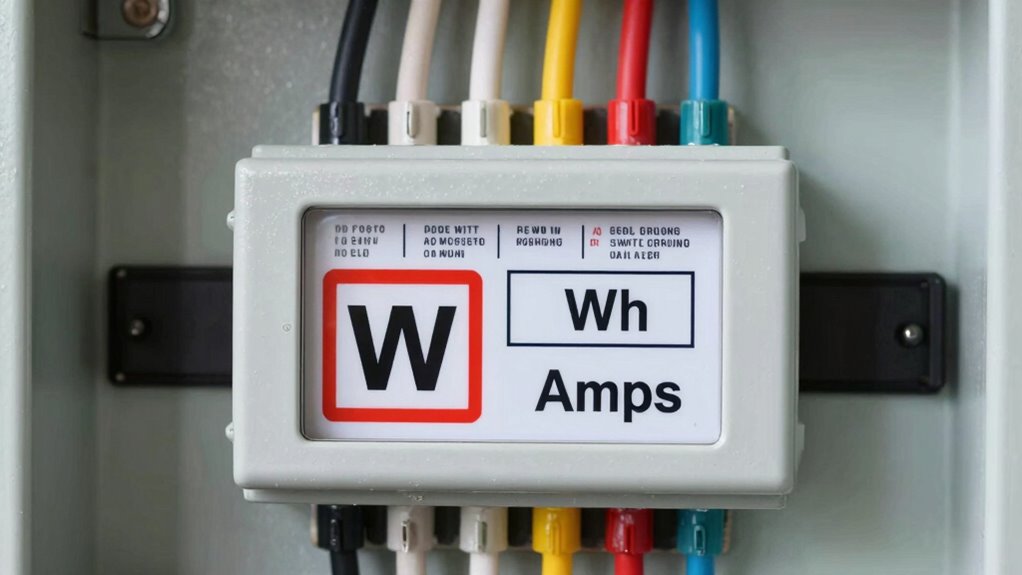
Many kids and even adults can make mistakes when reading power labels, which can lead to misunderstandings about how much electricity a device uses or needs. One common mistake is misunderstanding electrical symbols, such as confusing the watt (W) with the volt (V) or amps (A). Misreading these symbols can compromise label safety, as it may cause you to select an incompatible or unsafe device. Another mistake is ignoring the importance of clear label safety instructions or misinterpreting them, which could lead to improper use. To avoid these errors, double-check electrical symbols and read labels carefully. Remember, labels are designed to communicate essential information safely—so taking the time to understand them correctly helps ensure proper, safe usage of electrical devices.
Tips for Reinforcing Power Label Knowledge at Home and School

Wondering how to help kids remember and understand power labels? Reinforce their knowledge by incorporating practical activities at home and school. Use real-life examples, like checking appliances together and discussing their energy efficiency, to make learning relevant. Create simple safety tips, such as never touching live wires or unplugging devices before handling them, to promote safe practices. Visual aids, like charts or flashcards, can help children memorize W, Wh, and Amp labels more effectively. Encourage questions and discussions about why certain labels matter, emphasizing safety and energy conservation. Repetition through everyday tasks helps embed the concepts, making it easier for kids to read and interpret power labels confidently in different situations.
Frequently Asked Questions
How Do Power Labels Differ Between Household Appliances and Electronic Devices?
Power labels on household appliances and electronic devices differ mainly in symbols and details. Appliance energy ratings often display W (watts) to show power consumption, while electronic devices may include W, Wh (watt-hours), and Amps to indicate energy use and current draw. You should pay attention to these power label symbols to understand how much energy each device consumes, helping you make smarter choices about efficiency and safety at home.
Why Is It Important for Kids to Understand Voltage Alongside Watts?
Understanding voltage alongside watts is vital for your kids because it promotes voltage awareness and electrical safety. When they recognize how voltage impacts power, they learn to handle devices safely and avoid electrical hazards. Teaching them about voltage helps them see the bigger picture of how electrical systems work, encouraging cautious behavior around outlets and appliances. This knowledge empowers kids to stay safe and develop responsible habits with electricity.
Can Children Compare Power Labels Across Different Brands Effectively?
You can help children compare power labels across different brands by teaching them to understand label consistency, like reading a map with clear landmarks. When they compare brand efficiency, they see which appliances use energy wisely. By guiding them through this process, you turn a confusing maze into a straightforward path, empowering kids to make smarter choices and see beyond brand names to the true energy performance behind each label.
How Do Safety Considerations Relate to Understanding Power Labels?
Understanding power labels helps you stay safe by recognizing electrical hazards and preventing fire safety risks. When you know what the wattage, watt-hours, and amps mean, you can choose appliances that match your outlet’s capacity, reducing the chance of overloads. This awareness helps you avoid electrical hazards, such as sparks or overheating, keeping your home safer. Always follow safety guidelines and consult a professional if you’re unsure about electrical devices.
Are There Age-Appropriate Tools or Apps to Help Kids Practice Reading Power Labels?
Did you know that 85% of parents find educational apps helpful for learning? You can find age-appropriate tools like interactive quizzes and educational games designed to help kids practice reading power labels. These tools make learning engaging and simple, helping children understand W, Wh, and Amps effectively. Look for apps with visual cues and kid-friendly interfaces to boost their confidence and understanding of electrical safety and power labels.
Conclusion
Think of power labels as your map through the world of energy. By understanding W, Wh, and amps, you’re unlocking the secrets behind how devices work and stay safe. Each label is a key that opens the door to knowledge, empowering you to make smart choices. Keep exploring and practicing—soon, you’ll be a confident guide, steering energy like a brave explorer charting new territories. Your journey into understanding power labels is just beginning.