

At 18 months, your child’s sleep may get disrupted due to growth spurts, teething discomfort, or developmental milestones like walking and talking. They might wake more at night, resist naps, or become fussier. To cope, keep routines consistent, create a soothing sleep environment, and offer extra comfort when needed. These phases are temporary, and understanding the causes can help you manage them better—if you want to learn more, keep exploring helpful strategies.
Key Takeaways
- Growth spurts, teething, and developmental milestones commonly disrupt sleep at 18 months.
- Increased night awakenings and nap resistance signal the typical sleep regression.
- Teething discomfort can cause irritability and difficulty sleeping; soothing remedies may help.
- Maintaining consistent routines and creating a calming sleep environment support smoother transitions.
- Remember that this phase is temporary; extra comfort and flexibility can ease your child’s sleep disruptions.
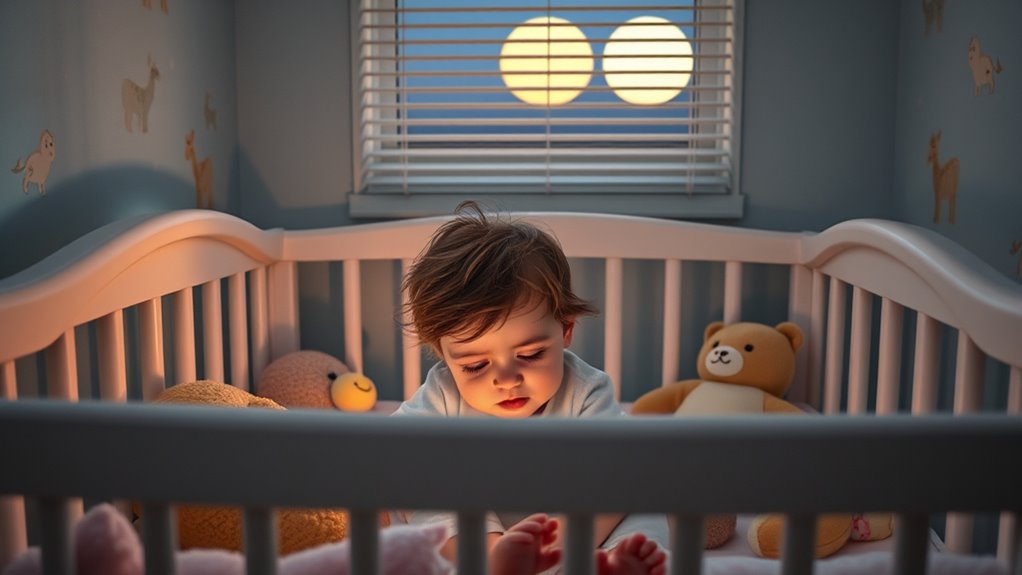
If your 18-month-old suddenly starts waking more often at night or resisting naps, you’re likely experiencing the 18-month sleep regression. This phase can be frustrating, especially when it’s coupled with your child’s teething discomfort or growth spurts. During this time, your little one is going through rapid development, which disrupts their usual sleep patterns. Teething can cause soreness and discomfort, making it harder for your child to settle down and stay asleep. Alongside teething, growth spurts occur around this age, prompting increased hunger and fussiness, which further interfere with sleep routines. Your child might wake up crying, cling to you more, or resist going down for naps, and it’s essential to understand these behaviors as part of their developmental stage rather than misbehavior.
At 18 months, sleep disruptions are common due to growth, teething, and developmental changes.
The discomfort from teething can be intense at this age, often leading to irritability and difficulty falling asleep. You might notice swollen gums or drooling, which signals that teething pain is contributing to their sleep struggles. To help ease this discomfort, offering cold teething rings or gentle gum massages can provide relief. Creating a calming bedtime routine becomes even more important during this period. Consistency helps signal to your child that it’s time to wind down, despite the discomfort. Keep the environment soothing—dim lights, quiet sounds, and a cozy bed can make a big difference. If teething pain is severe, consult your pediatrician about appropriate pain relievers or remedies. Additionally, ensuring your child’s sleep environment is free of distractions can help them settle more easily.
Growth spurts also play a significant role in the sleep disruption at this age. Your child is learning new skills, like walking or talking, which can make their minds more active at bedtime. They may also wake up hungry more often, requiring extra feedings or snacks before bed. During growth spurts, your child’s sleep needs might temporarily increase, resulting in longer naps or more nighttime waking. It’s essential to remain flexible and patient, knowing that these phases are temporary. Offering additional comfort, like gentle cuddling or reassurance, can help your child feel secure and ease their transition back to sleep.
Understanding that both teething discomfort and growth spurts are normal parts of your child’s development can help you stay calm during this challenging time. Stick to your routine as much as possible, and provide comfort without creating dependencies. Remember, this sleep regression is a phase, and with patience and consistency, your child will settle back into a more regular sleep pattern. Keep in mind that every child is different, and some may experience more disruption than others. Trust that these behaviors will pass, and keep supporting your child with love and reassurance through this developmental milestone. Recognizing the importance of proper sleep routines can also facilitate smoother transitions during this phase.

Infantino Water Teethers – Sensory Exploration, Teething, Cooling & Massaging Relief for Sore Gums, Lime & Blue, 3-Pack
COOLING TEETHING RELIEF: Each teether is filled with purified water and can be placed in the refrigerator for…
As an affiliate, we earn on qualifying purchases.
As an affiliate, we earn on qualifying purchases.
Frequently Asked Questions
How Long Does the 18-Month Sleep Regression Typically Last?
The 18-month sleep regression usually lasts about 4 to 6 weeks. During this time, you might notice changes in your child’s sleep patterns and difficulty sticking to bedtime routines. To help, keep consistent bedtime routines, create a calming environment, and stay patient. Remember, this phase is temporary, and with steady routines, your child will gradually return to their usual sleep habits.
Can Sleep Regressions Affect Toddlers’ Development?
Think of sleep regressions as storm clouds on your child’s horizon—they can temporarily disrupt their dreams and motor development. During this time, your toddler’s sleep may be unsettled, affecting their ability to form strong dream associations that fuel emotional growth. While challenging, these regressions are fleeting, and with patience, your child’s development continues to flourish. Supporting their sleep routine helps them navigate this storm and emerge stronger.
Are There Specific Signs That Differentiate Sleep Regression From Other Issues?
Yes, there are specific signs that differentiate sleep regression from other issues. You’ll notice increased night waking, difficulty falling asleep, and a temporary reluctance to nap, often coinciding with developmental milestones. During this time, your toddler may seem more clingy or irritable. These signs usually align with growth spurts or new skills, helping you distinguish sleep regression from other health problems or behavioral issues.
Is It Safe to Let a Child Cry During Sleep Regression?
Yes, it’s safe to let your child cry during sleep regression if you use gentle sleep training. You should incorporate comforting techniques like soothing words, a gentle pat, or a pacifier to help them feel secure. Check on your child periodically, but avoid picking them up immediately. This approach encourages self-soothing while ensuring they feel safe, making the regression more manageable for both of you.
When Should Parents Seek Professional Help for Sleep Problems?
While occasional sleep disruptions are normal, you should seek professional guidance if sleep problems persist or worsen, impacting your child’s health or behavior. Don’t ignore behavioral concerns like extreme tantrums or refusal to sleep, which may signal underlying issues. Timely intervention helps address potential problems early, ensuring your child’s well-being. Trust your instincts—consult a healthcare provider if you notice persistent sleep difficulties or significant behavioral changes.
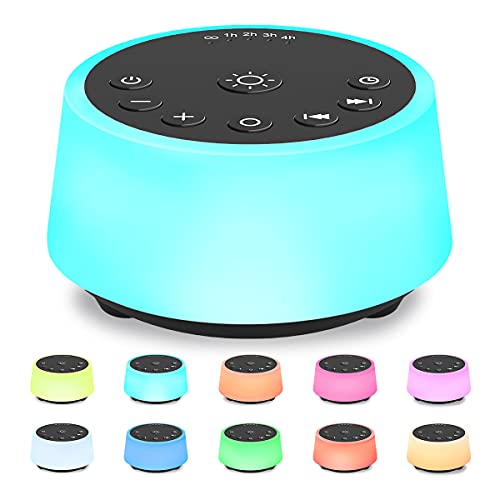
Color Noise Sound Machines with 10 Colors Night Light 25 Soothing Sounds and Sleep White Noise Machine 32 Volume Levels 5 Timers Adjustable Brightness Memory Function for Adults Kids Baby
♪【25 High-fidelity and Soothing Sounds】 There are 4 types of white noise, 4 fan sounds, 3 sea wave…
As an affiliate, we earn on qualifying purchases.
As an affiliate, we earn on qualifying purchases.
Conclusion
As you navigate this unexpected sleep upheaval, remember that sometimes, life’s little coincidences—like your toddler suddenly waking at night—are just signs of growth. These phases come and go, much like the changing seasons. Trust your instincts, stay patient, and keep consistent routines. Before you know it, this sleep regression will fade, revealing a more peaceful night—and perhaps a quiet moment for yourself amid the chaos. Hang in there; better sleep is just around the corner.

Baby Sound Machine, Momcozy White Noise Machine for Baby Sleeping with Night Light, Toddler Sleep Trainer 34 Soothing Sleep Sounds, Timer, App Remote Control, Personal Sleep Routine Alarm Clock(Blue)
Multiple Soothing Sounds – This sound machine offers 34 high-fidelity sounds, including 11 white noises, 3 fan sounds,…
As an affiliate, we earn on qualifying purchases.
As an affiliate, we earn on qualifying purchases.

Orajel Baby Daytime & Nighttime Cooling Gels for Teething, Drug – Free, #1 Pediatrician Recommended Brand for Teething*, Two 0.18oz Tubes
HELPS CALM, RELAX AND SOOTHE: Our instant cooling sensation works wonders on infants who may be teething, upset,…
As an affiliate, we earn on qualifying purchases.
As an affiliate, we earn on qualifying purchases.