
The best educational toys for toddlers balance skill-building with genuine play value, and after comparing 15 popular options, the Melissa & Doug Wooden Building Blocks earn my top spot for their open-ended play that grows with your child from stacking to letter recognition. If you want a tech-assisted option, the LeapFrog Learning Friends 100 Words Book builds vocabulary with almost no setup, while the Airbition Talking Flash Cards cover an impressive 224 words for a fraction of the complexity of a tablet. The main tradeoff in this category is between screen-based interactivity and hands-on wooden toys that develop fine motor skills but offer less independent feedback. Battery-powered toys engage solo learners; Montessori-style sets demand more parental involvement but last for years. Age fit matters too, since a toy that’s too advanced gets ignored and one that’s too simple gets boring within a week. Keep reading for the full breakdown, including which picks suit which developmental stages.

Get baby and family essentials delivered free — and shop member deals
- Fast, free delivery on millions of items
- Access to Prime Big Deal Days deals on October 6–7
- Prime Video, Amazon Music and more included
Complete the kit


Key Takeaways
- Open-ended wooden toys like the Melissa & Doug blocks and Montessori sorting sets offered the longest usable lifespan, staying engaging from age 1 through 4, while most electronic options had a narrower 12–18 month relevance window.
- Vocabulary-building was the most crowded niche in the lineup: the LeapFrog 100 Words Book, Airbition Talking Flash Cards, and LeapTop Touch overlap heavily, and choosing between them comes down to format preference, not quality.
- Fine motor development was best served by the physical-manipulation picks — Spike the Fine Motor Hedgehog, the NASHRIO magnetic fishing game, and the BEESTECH alphabet toy — each targeting grip strength and hand-eye coordination differently.
- Several Montessori-branded products varied widely in build consistency, confirming that ‘Montessori‘ on the box is a design philosophy claim, not a quality guarantee; the sorting and stacking set held up better than the busy book.
- The VTech Drill and Learn Toolbox and Chomp and Count Dino delivered the strongest independent-play value for parents who need uninterrupted time, outperforming quiet toys that require adult participation.
| LeapFrog 2-in-1 LeapTop Touch |  | Best Screen-Free Tech Role Play | Modes: Laptop keyboard and touch tablet | Learning activities: ABCs, numbers, games, music, and messages | Keyboard: Letters A–Z and numbers 1–10 | VIEW LATEST PRICE | See Our Full Breakdown |
| LeapFrog Learning Friends 100 Words Book |  | Best for Early Vocabulary | Age Range: 18+ months | Vocabulary: 100+ words | Word Categories: Pets, animals, food, mealtime, colors, activities, opposites, outside, and more | VIEW LATEST PRICE | See Our Full Breakdown |
| Montessori Busy Book Color Sorting Toy for Toddlers |  | Best Quiet-Time and Travel Pick | Brand: MUONE | Age Range: 36 months to 6 years (manufacturer recommended) | Colors Taught: 12 | VIEW LATEST PRICE | See Our Full Breakdown |
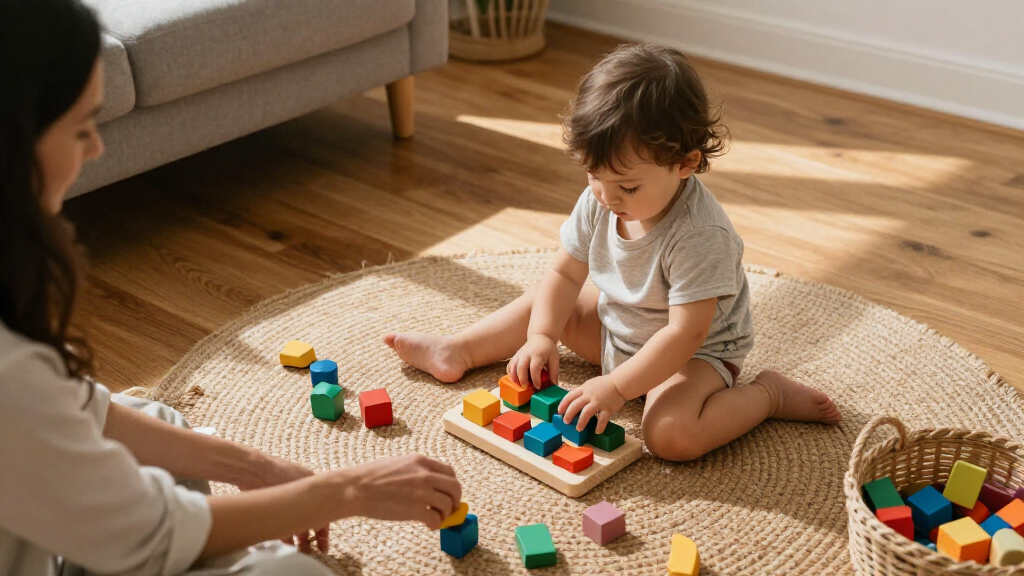
| Melissa & Doug Wooden Building Blocks with Storage Box, 100 Pieces |  | Best Open-Ended Classic | Piece Count: 100 blocks | Material: Solid wood | Colors: 4 | VIEW LATEST PRICE | See Our Full Breakdown |
| LeapFrog Prep for Preschool Activity Book |  | Best Preschool Readiness | Brand: LeapFrog | Age Range: 3+ years | Pages: 12 | VIEW LATEST PRICE | See Our Full Breakdown |
| BEESTECH Wooden Alphabet ABC Learning Toy for Toddlers |  | Best for Letter Recognition | Flash Cards: 28 | Wooden Letters: 52 (two of each letter) | Material: Polished wood | VIEW LATEST PRICE | See Our Full Breakdown |
| NASHRIO Magnetic Wooden Fishing Game – Alphabet & Number Fish Catching Puzzle for Preschoolers |  | Best for Active Learners | Brand: NASHRIO | Model Number: SC-T004A1 | Material: Wood | VIEW LATEST PRICE | See Our Full Breakdown |
| Montessori Wooden Sorting and Stacking Toys for Toddlers 1-3 Years Old |  | Best for Youngest Toddlers | Material: Wood with water-based, non-toxic paint | Piece Count: 20 | Colors: Red, orange, yellow, green, blue | VIEW LATEST PRICE | See Our Full Breakdown |
| VTech Chomp and Count Dino, Green |  | Best Interactive Pick | Color: Green | Recognized Food Pieces: 8 | Audio Content: 130+ songs, melodies, sounds and phrases | VIEW LATEST PRICE | See Our Full Breakdown |
| Learning Resources Spike the Fine Motor Hedgehog |  | Best Fine Motor Skill Builder | Brand: Learning Resources | Recommended Age: 18 months and up | Number of Quills: 12 | VIEW LATEST PRICE | See Our Full Breakdown |
| Montessori Farm Train Learning Toy for 1-3 Year Olds with 9 Farm Animals |  | Best for Pretend Play Meets Learning | Recommended Age: 1-3 years | Number of Barns: 9 | Wagon Carriages: 3 | VIEW LATEST PRICE | See Our Full Breakdown |
| VTech Drill and Learn Toolbox |  | Best Role-Play Learning Toy | Brand: VTech | Included Items: Electronic fix-it tray, toy drill, hammer, wrench, nails, screws, double-sided instruction cards | Power: 2 AA batteries | VIEW LATEST PRICE | See Our Full Breakdown |
| LeapFrog Learning Friends 100 Words Book | | Best Bilingual Vocabulary Builder | Age Range: 18 months and up | Languages: English and Spanish | Word Count: More than 100 | VIEW LATEST PRICE | See Our Full Breakdown |
| Airbition Talking Flash Cards for Toddlers, 224 Words, Blue |  | Best for Speech Development | Brand: Airbition | Model Number: KPJ01 | Cards/Words: 224 illustrated words | VIEW LATEST PRICE | See Our Full Breakdown |
| NASHRIO Wooden Puzzles for Kids Ages 3-5, 3-Pack ABC, Number and Shape Learning Toys |  | Best Quiet-Time Skill Builder | Brand: NASHRIO | Model Number: T003 | Age Range: 3-5 years (36 months – 5 years) | VIEW LATEST PRICE | See Our Full Breakdown |
| educational toys for toddler | Age range |
|---|---|
| LeapFrog 2-in-1 LeapTop Touch | 2–5 years |
| LeapFrog Learning Friends 100 | 18+ months |
| Montessori Busy Book Color Sor | 36 months to 6 years (manufacturer recommended) |
| Melissa & Doug Wooden Building | Toddlers and preschoolers |
| LeapFrog Prep for Preschool Ac | 3+ years |
| BEESTECH Wooden Alphabet ABC L | 3-4 years |
| NASHRIO Magnetic Wooden Fishin | — |
| Montessori Wooden Sorting and | — |
| VTech Chomp and Count Dino | 1 to 3 years |
| Learning Resources Spike the F | — |
| Montessori Farm Train Learning | — |
| VTech Drill and Learn Toolbox | — |
| LeapFrog Learning Friends 100 | 18 months and up |
| Airbition Talking Flash Cards | — |
| NASHRIO Wooden Puzzles for Kid | 3-5 years (36 months – 5 years) |
More Details on Our Top Picks
LeapFrog 2-in-1 LeapTop Touch
Few toddler toys nail the “my own laptop” fantasy as well as this one. The flip design is the real draw: keyboard mode for pretend typing, touch tablet mode for swiping games, and it covers letters, numbers, music, and messages across the 2–5 age span. Compared with the LeapFrog Learning Friends 100 Words Book, which is focused purely on vocabulary, the LeapTop spreads itself across more skill areas and adds role-play value that extends its shelf life. The tradeoff is depth — it introduces concepts broadly rather than drilling into any one skill, and parents should budget for fresh batteries since the included set is demo-only. It is also a solo play experience, unlike the Montessori Busy Book, which is built around shared parent-child play. This option makes the most sense for toddlers who mimic grown-up screen habits and need a screen-free outlet for it.
Pros:- Two-in-one flip design doubles play value and longevity
- Spans letters, numbers, music, and pretend messaging
- Customizable name spelling adds a personal hook
- Grows with a child across a three-year age range
Cons:- Requires 3 AA batteries, and included ones are demo-only
- Broad but shallow — no single skill is covered in depth
Best for: Toddlers 2–4 who want a ‘laptop like Mom and Dad’s’ without actual screen time
Not ideal for: Parents wanting focused, single-skill learning — the breadth here comes at the cost of depth
- Modes:Laptop keyboard and touch tablet
- Learning activities:ABCs, numbers, games, music, and messages
- Keyboard:Letters A–Z and numbers 1–10
- Age range:2–5 years
- Power:3 AA batteries (demo batteries included)
- Customization:Parents can program name spelling
Our verdict“A smart pick for toddlers drawn to grown-up gadgets who need a screen-free substitute that still teaches the basics.”
LeapFrog Learning Friends 100 Words Book
If language development is the priority, this is the strongest pick in the batch. The 100+ expert-curated words span practical categories — pets, food, colors, opposites — and every touch triggers the word, a sound effect, or a fun fact, which keeps toddlers circling back. Its standout feature is full English and Spanish content, something the Airbition Talking Flash Cards can’t match in structure, and it gives the book a genuinely different role from the LeapFrog 2-in-1 LeapTop Touch: depth in vocabulary rather than breadth across subjects. The light-up star button and songs add variety, though the content is finite — once a child has absorbed the words, engagement typically tapers. Demo batteries mean an immediate battery run, and there’s no writing or motor-skill component like the Prep for Preschool Activity Book offers. For the 18-month-and-up crowd, though, nothing else here targets language this directly.
Pros:- Bilingual English/Spanish content across all words and songs
- 100+ age-appropriate words organized into useful categories
- Touch pages give toddlers independent control over learning
- Works reliably for children as young as 18 months
Cons:- Finite content — mastered words mean declining replay value
- Included batteries are demo-only, so fresh ones are needed right away
Best for: Parents of 18-month-olds to 3-year-olds focused on vocabulary building and bilingual exposure
Not ideal for: Families avoiding battery-powered toys — this one depends entirely on sound to work
- Age Range:18+ months
- Vocabulary:100+ words
- Word Categories:Pets, animals, food, mealtime, colors, activities, opposites, outside, and more
- Languages:English and Spanish
- Batteries Required:2 AA (demo only)
- Dimensions:9.4″ W x 9.2″ H x 1.9″ D
Our verdict“The clear choice for toddler vocabulary and bilingual learning, as long as you accept a fixed content ceiling.”
Montessori Busy Book Color Sorting Toy for Toddlers
Where the LeapFrog Prep for Preschool Activity Book leans on electronics, this busy book takes the opposite approach: no batteries, no sound, just 48+ hook-and-loop stickers toddlers match to learn 12 colors. That makes it the quiet-time and travel champion of this lineup — it works on a plane, in a waiting room, or during a sibling’s nap. The peeling and pressing action quietly builds fine motor skills and hand-eye coordination in a way electronic options like the LeapFrog Learning Friends 100 Words Book don’t attempt. Be aware the manufacturer lists 36 months to 6 years, so it skews slightly older than its “toddler” label suggests, and hook-and-loop stickers lose grip over time with heavy use. It’s also a relatively narrow curriculum — colors and vocabulary only. Compared with the Melissa & Doug 100-Piece Block Set, it trades open-ended creativity for focused, structured tasks.
Pros:- Completely battery-free and silent — ideal for travel and quiet play
- 48+ stickers build fine motor skills through matching play
- Tear-resistant cardboard with rounded, safety-tested edges
- Designed to support shared parent-child play
Cons:- Manufacturer age starts at 36 months, limiting true toddler use
- Hook-and-loop stickers wear down with repeated use
- Narrow scope — colors and vocabulary only
Best for: Parents needing screen-free, silent entertainment for travel, restaurants, or quiet time
Not ideal for: Households with children under 3, given the manufacturer’s 36-month minimum age recommendation
- Brand:MUONE
- Age Range:36 months to 6 years (manufacturer recommended)
- Colors Taught:12
- Stickers:More than 48 hook-and-loop pieces
- Material:Thick, tear-resistant cardboard
- Safety:Non-toxic; meets ASTM F963; rounded corners
- Included Components:Sticker book, hook-and-loop fastener
Our verdict“A dependable screen-free travel companion that trades curriculum breadth for portability and silence.”
Melissa & Doug Wooden Building Blocks with Storage Box, 100 Pieces
Every electronic pick in this roundup teaches what it was programmed to teach. This block set teaches whatever a child imagines — which is exactly why it earns the open-ended slot. With 100 solid wood blocks in nine shapes, it supports stacking, sorting, shape recognition, and early math simultaneously, and it’s the only option here with genuine multi-year, multi-child durability. Compared with the Montessori Busy Book, which has a fixed matching task, the blocks have no scripted endpoint, so a two-year-old stacker and a five-year-old castle-builder both stay engaged. The honest tradeoffs: the storage box is cardboard rather than wood, so it won’t survive rough handling, and 100 loose blocks means inevitable cleanup scatter and possible loss over the years. There’s also no guided instruction — parents expecting structured lessons, as the Prep for Preschool Activity Book provides, will need to direct play themselves.
Pros:- Completely open-ended play with no single ‘correct’ outcome
- Solid wood construction built to outlast multiple children
- Builds coordination, shape recognition, and early math together
- Storage box with carrying handle makes transport simple
Cons:- Cardboard storage box is the weak link in an otherwise durable set
- 100 loose pieces mean regular cleanup and gradual piece loss
- No guided instruction — learning depends on parent or child initiative
Best for: Families wanting a durable, no-batteries toy that grows from toddler stacking to preschool engineering
Not ideal for: Parents who dislike clutter or want structured, self-directed learning activities
- Piece Count:100 blocks
- Material:Solid wood
- Colors:4
- Shapes:9 classic shapes
- Storage:Cardboard box with carrying handle
- Certification:Forest Stewardship Council (FSC); new inventory only
- Age Range:Toddlers and preschoolers
Our verdict“The long-haul classic for families who value imagination-driven play over guided lessons and don’t mind picking up blocks.”
LeapFrog Prep for Preschool Activity Book
This is the most school-focused option in the batch, and that focus is its identity. It covers letters, phonics, counting, shapes, and writing practice — actual preschool curriculum — with six erasable marker pages that let a child repeat writing activities indefinitely. That reusability separates it from the LeapFrog Learning Friends 100 Words Book, whose fixed content is consumed rather than practiced, and the built-in hint button gives frustrated three-year-olds a nudge instead of quitting. The touch-sensitive pages plus writing component make it the only pick here that develops pencil grip alongside academic skills. Tradeoffs are real: it needs 2 AA batteries with fresh ones recommended, the writing component puts it firmly out of range for younger toddlers, and a 12-page book can feel limited next to the Melissa & Doug block set’s infinite configurations. For a child starting preschool within a year, though, nothing here targets readiness this precisely.
Pros:- Covers a genuine preschool curriculum: phonics, counting, shapes, writing
- Erasable marker pages allow unlimited repeated practice
- Hint button reduces frustration during independent play
- Combines touch interaction with real pencil-grip development
Cons:- Requires 2 AA batteries, with new ones recommended for regular use
- Only 12 pages — content can feel finite
- Too advanced for the younger toddlers this roundup otherwise serves
Best for: Parents of 3- to 4-year-olds preparing for preschool who want repeated writing and phonics practice
Not ideal for: Toddlers under 3 — the writing activities and curriculum assume preschool-level motor skills
- Brand:LeapFrog
- Age Range:3+ years
- Pages:12
- Marker Activity Pages:6
- Skills Covered:Letters, phonics, counting, shapes, writing
- Power:2 AA batteries required
- Included Components:Activity book, erasable marker, quick start guide
- Model Number:80-614900
Our verdict“The right tool for preschool-bound three-year-olds who need structured, repeatable academic practice before the first day.”
BEESTECH Wooden Alphabet ABC Learning Toy for Toddlers
While most toys in this lineup sneak literacy in around the edges, this set puts the alphabet front and center. Toddlers match 52 polished wooden letters onto 28 flash cards, which turns letter and word recognition into a hands-on matching game rather than passive screen time. Compared with the NASHRIO Magnetic Fishing Game, which mixes letters, numbers, and colors into one activity, this option goes deeper on a single skill — a real advantage if kindergarten prep is your priority. The included storage bag and gift box make it a practical pick for tidy households or gift-givers. The tradeoff is scope: once letter matching is mastered, there is little else to do, and younger siblings under three should stay away due to small loose pieces.
Pros:- Focused, systematic letter and word matching activity
- Smoothly polished wood with no sharp corners
- Storage bag makes cleanup and travel simple
- Gift-box packaging suits birthdays and holidays
Cons:- Small letter pieces pose a choking hazard for younger children
- Skill ceiling is low — limited replay value once letters are learned
Best for: Parents of 3-4 year olds focused specifically on alphabet and early word skills before preschool
Not ideal for: Households with children under 3, since the small wooden letters pose a choking hazard
- Flash Cards:28
- Wooden Letters:52 (two of each letter)
- Material:Polished wood
- Age Range:3-4 years
- Includes:Storage bag, gift box
- Skill Focus:Letter and word recognition
Our verdict“Buy this if alphabet mastery is your main goal and every child in the house is at least three years old.”
NASHRIO Magnetic Wooden Fishing Game – Alphabet & Number Fish Catching Puzzle for Preschoolers
Few educational toys make a preschooler work physically for the lesson, and that is exactly what this fishing game does. Catching magnetized fish with a rod builds hand-eye coordination and fine motor control while reinforcing letters, numbers, and colors printed on each piece. Where the BEESTECH Alphabet set is a quiet tabletop activity, this one suits kids who need movement and a clear goal to stay engaged. The polished natural wood and non-toxic water-based dye put it ahead of plastic alternatives in build quality, similar in spirit to the Learning Resources Spike the Hedgehog but with a stronger academic layer. Two honest caveats: the loose fish are a choking risk for under-threes, and the listed age range is stated inconsistently on packaging and listings, so check before buying.
Pros:- Combines letters, numbers, and colors with physical, skill-building play
- Polished natural wood with smooth edges and non-toxic water-based dye
- Strengthens hand-eye coordination and fine motor skills
- Game format keeps engagement high across repeated sessions
Cons:- Small magnetic pieces are unsafe for children under 3
- Age labeling is inconsistent between 36 months and 3-5 years, which can confuse buyers
Best for: Energetic 3-5 year olds who learn better through movement and game play than seated flash cards
Not ideal for: Families with toddlers under 3, since the small magnetic fish are a choking hazard
- Brand:NASHRIO
- Model Number:SC-T004A1
- Material:Wood
- Recommended Age:3-5 years
- Learning Focus:Letters, numbers, colors
- Motor Skills:Hand-eye coordination, fine motor
Our verdict“This pick makes the most sense for movers and shakers who need a fishing rod, not flash cards, to practice early academics.”
Montessori Wooden Sorting and Stacking Toys for Toddlers 1-3 Years Old
Most items in this roundup target ages three and up, which makes this 20-piece sorting and stacking set stand out for the 1-3 year old crowd. Five colors and five shapes invite open-ended play: sorting, stacking, and pattern building, all foundational pre-math skills. Compared with the VTech Chomp and Count Dino, it trades sounds and flashing responses for quiet, self-directed Montessori-style learning — better for parents wary of battery-powered toys, less compelling for toddlers who crave feedback. The water-based non-toxic paint and smooth edges suit the mouthing-and-grabbing stage. Two drawbacks temper the recommendation: the pieces are small enough to require close adult supervision, and the manufacturer provides few verified durability details, so rough treatment may show wear faster than established brands like Melissa & Doug.
Pros:- Suitable from age 1, earlier than most toys in this roundup
- Non-toxic, odorless water-based paint resists fading
- Versatile play: sorting, stacking, colors, shapes, and patterns
- Nicely packaged for gifting
Cons:- Small pieces require adult supervision with young toddlers
- Durability claims are not backed by verified details
Best for: Parents of 1-3 year olds who prefer screen-free, battery-free Montessori-style play
Not ideal for: Anyone wanting a toy a young toddler can play with unsupervised, given the small loose pieces
- Material:Wood with water-based, non-toxic paint
- Piece Count:20
- Colors:Red, orange, yellow, green, blue
- Shapes:Pentagon, square, rectangle, triangle, circle
- Recommended Age:1-3 years
- Play Modes:Sorting, stacking, pattern building
Our verdict“Choose this if your toddler is one to two years old and you want calm, battery-free skill building — just stay in the room.”
VTech Chomp and Count Dino, Green
For toddlers who respond to sounds, songs, and instant feedback, this dinosaur delivers what wooden sets in this roundup cannot. It recognizes eight colored food pieces and reacts with counting, colors, foods, and shapes across two play modes, backed by 130+ songs, sounds, and phrases that keep the content from going stale quickly. Compared with the Learning Resources Spike the Hedgehog, the Dino adds an auditory and reactive layer that holds the attention of one-year-olds far longer — though Spike wins on simplicity and travel-friendliness. Practical touches like volume control and auto shut-off show the design was tested against real parental pain points. The downsides are real too: the demo batteries need replacing almost immediately, and with only eight food tokens, lost pieces reduce functionality since the toy depends on recognizing them.
Pros:- Teaches colors, foods, shapes, and counting through interactive feeding play
- 130+ songs, sounds, and phrases provide long-lasting variety
- Pull-along and spinning-disc features extend play beyond feeding
- Volume control and auto shut-off spare parents’ sanity
Cons:- Included batteries are demo-only and need immediate replacement
- Only eight food pieces, and the toy loses function as they go missing
Best for: Parents of 1-3 year olds who want a self-entertaining toy that teaches counting through interactive feedback
Not ideal for: Families avoiding battery-powered or noisy toys, or those likely to lose the small food pieces
- Color:Green
- Recognized Food Pieces:8
- Audio Content:130+ songs, melodies, sounds and phrases
- Play Modes:Counting, Meal
- Age Range:1 to 3 years
- Batteries:2 AA (included, demo)
- Extras:Volume control, auto shut-off
Our verdict“This model is better suited to sound-driven learners aged 1-3 than to households wanting quiet wooden toys.”
Learning Resources Spike the Fine Motor Hedgehog
Where other toys here teach facts, Spike builds the physical foundations of writing. Twelve chunky quills slot into numbered holes, training the pincer grip toddlers will eventually need for pencils, while doubling as a color-sorting and counting tool. From a brand-trust standpoint, Learning Resources has a classroom pedigree that the newer Montessori listings in this roundup cannot match, and the self-storage design — quills pack inside the body — beats the loose-piece chaos of the BEESTECH letter set or the NASHRIO fishing game. It is also the most travel-ready pick on this list. The honest limitation is depth: unlike the VTech Chomp and Count Dino, there is no adaptive feedback, and older toddlers will outgrow it once sorting and counting click, likely well before age three ends.
Pros:- Directly builds pincer grasp and fine motor skills needed for writing
- Quills store inside the body for easy cleanup and portability
- Layered learning: colors, counting, sorting, and sequencing
- Chunky pieces are easy and safe for small hands
Cons:- Limited challenge once core skills are mastered
- No audio or interactive feedback to hold older toddlers’ attention
Best for: Parents of 18-month-olds prioritizing fine motor and pincer grasp development, especially for travel
Not ideal for: Toddlers closer to 3 or 4 who have already mastered basic sorting and counting skills
- Brand:Learning Resources
- Recommended Age:18 months and up
- Number of Quills:12
- Skills Developed:Fine motor, pincer grasp, color recognition, sorting, counting, sequencing
- Storage:Quills store inside toy body
- Portability:Travel-friendly, self-contained
Our verdict“The strongest choice for 18-24 month olds building pre-writing motor skills, provided you accept a shorter useful lifespan.”
Montessori Farm Train Learning Toy for 1-3 Year Olds with 9 Farm Animals
Most educational toddler toys pick a lane — either skills practice or imaginative play — but this option bridges both. The nine numbered barns teach counting, matching, and color recognition, while the animals double as hand puppets, so a counting session can turn into a farm story without missing a beat. Compared with the Montessori Wooden Sorting and Stacking Toys for Toddlers 1-3 Years Old, which focuses purely on fine motor skills, this train set keeps language and role-play in the mix, which matters a lot around age two when vocabulary explodes. The pull-along design and detachable roof add physical play that a static sorter can’t match. The tradeoff is piece management: with nine barns, nine animals, and wagons, expect scattered parts under the couch, and the smaller pieces mean younger one-year-olds need supervision.
Pros:- Teaches counting, matching, sorting, and colors in one toy
- Farm animals double as hand puppets for open-ended role-play
- Pull-along train and detachable roof add physical, interactive play
- Montessori-inspired design encourages shared parent-child play
Cons:- Many small pieces are easy to lose over time
- Small parts pose a choking hazard for younger toddlers without supervision
Best for: Parents of 1-3 year olds who want one toy that combines counting practice with puppet-style imaginative play
Not ideal for: Households that hate tracking small pieces — nine barns and nine animals will scatter and go missing
- Recommended Age:1-3 years
- Number of Barns:9
- Wagon Carriages:3
- Includes:9 farm animals, farmer figure, locomotive, barns, wagons
- Features:Detachable roof, stacking, sorting, color and number learning
- Educational Approach:Montessori-inspired
Our verdict“This pick makes the most sense for toddlers who learn best when skills practice is wrapped in imaginative farm-themed play.”
VTech Drill and Learn Toolbox
If your toddler copies everything you do with real tools, this toolbox turns that imitation into learning. The working toy drill and spinning gears build fine motor strength, while the double-sided cards sneak in colors and numbers through pretend repair jobs. Where the VTech Chomp and Count Dino feeds coins for counting feedback, the Drill and Learn Toolbox gives the child a job to do — a completely different play pattern that suits kids who want purpose rather than pure response-and-reward. The light-up buttons and songs add the audio engagement VTech is known for. The honest drawbacks: it’s battery-dependent, and the included AAs are demo batteries that die quickly, so factor fresh ones in from day one. It also skews toward the older end of toddlerhood; a young two-year-old may ignore the cards entirely.
Pros:- Multiple tools and activity cards sustain varied pretend play
- Spinning gears and working drill build fine motor skills
- Light-up buttons introduce tools, colors, and numbers through songs
- Grows with the child from age 2 into preschool pretend play
Cons:- Requires 2 AA batteries that need frequent replacement
- Included batteries are for demo use only and run out quickly
Best for: Parents of 2-5 year olds, especially little ones who love imitating household repairs and fixing things
Not ideal for: Buyers avoiding battery-powered toys — the sounds, lights, and drill all depend on AAs
- Brand:VTech
- Included Items:Electronic fix-it tray, toy drill, hammer, wrench, nails, screws, double-sided instruction cards
- Power:2 AA batteries
- Recommended Age:2 to 5 years
- Learning Focus:Colors, numbers, tools, motor skills
- Interactive Features:Light-up buttons, songs, spinning gears
Our verdict“This model is better suited to hands-on toddlers who want to ‘fix’ things rather than just press buttons and listen.”
LeapFrog Learning Friends 100 Words Book
Vocabulary toys usually speak one language; this one makes bilingual learning its whole identity. Touch any picture and the word plays in English or Spanish, with sound effects and facts layered on top so a toddler stays curious page after page. Compared with the Airbition Talking Flash Cards, which covers more words (224 versus 100-plus) but only in English, this book trades sheer volume for contextual learning — categories like animals, food, and colors sit together on themed pages, which helps children group concepts rather than memorize isolated words. The light-up star button and two songs give fidgety toddlers a reset when attention drifts. The tradeoffs are familiar ones for electronic books: it needs batteries, the demo cells won’t last, and unlike a plain board book, it can’t survive a bath or a dropped juice cup.
Pros:- Introduces more than 100 age-appropriate words across familiar categories
- Full English and Spanish audio on every page
- Touch-based interaction with sounds, facts, and songs keeps toddlers engaged
- Themed page layouts help children group and connect concepts
Cons:- Requires 2 AA batteries with demo-only cells included
- Electronics make it less durable than a traditional board book around spills
Best for: Families introducing Spanish alongside English, including bilingual households wanting both languages reinforced early
Not ideal for: Parents who prefer screen- and battery-free books — this needs power and careful handling
- Age Range:18 months and up
- Languages:English and Spanish
- Word Count:More than 100
- Battery Requirement:2 AA batteries
- Dimensions:9.4 × 9.4 × 1.9 inches
- Interactive Features:Touch words, sound effects, facts, light-up star with 2 songs
Our verdict“The strongest choice in this lineup for building early vocabulary in two languages at once.”
Airbition Talking Flash Cards for Toddlers, 224 Words, Blue
This card reader fills a specific gap in the roundup: deliberate vocabulary repetition. Insert a card, hear the word in a standard American accent, press the repeat button as many times as needed — a loop that suits toddlers in speech therapy or late talkers far better than the LeapFrog Learning Friends 100 Words Book, which has no repeat function and fewer words. At 224 cards spanning animals, vehicles, and foods, the content pool is the largest vocabulary set here, and the real animal sounds make articulation practice feel like a game. The rechargeable battery and auto-off make it genuinely travel-friendly, and there’s no screen involved. The limitations are real, though: four hours per charge runs out mid-week with heavy use, and once a child has absorbed all 224 words, there’s nothing new to add — the content is fixed.
Pros:- Screen-free word learning with clear American-accent audio
- Repeat button and real animal sounds support speech practice
- Rechargeable battery with up to 4 hours of use and auto-off saving
- Compact, travel-friendly format with 5-level volume control
Cons:- Battery limited to 4 hours per charge
- No expandable content beyond the 224 included cards
Best for: Parents of late talkers or children in speech therapy who need repeated, focused word practice
Not ideal for: Families wanting long-term replay value — content is capped at the 224 included cards
- Brand:Airbition
- Model Number:KPJ01
- Cards/Words:224 illustrated words
- Battery:Rechargeable, up to 4 hours per charge
- Charging:USB cable included
- Volume Control:5 levels
- Recommended Age:12 months – 6 years
- Educational Objective:Cognitive skills, speech and language
Our verdict“A purposeful pick for vocabulary drilling and speech support rather than open-ended play.”
NASHRIO Wooden Puzzles for Kids Ages 3-5, 3-Pack ABC, Number and Shape Learning Toys
Sometimes the best educational toy is the one that needs no sound at all. This three-puzzle set covers the alphabet, numbers, and shapes on smooth, splinter-free wooden boards with non-toxic dyes — a calmer alternative to battery-driven picks like the VTech Drill and Learn Toolbox when you need focused, quiet activity. The self-correcting design means a wrong piece simply won’t fit, so a child can work independently and self-correct without an adult hovering — a step up in difficulty and autonomy from the simpler Montessori Wooden Sorting and Stacking Toys aimed at 1-3 year olds. Compared with the NASHRIO Magnetic Wooden Fishing Game, which adds a motor-skill twist with the fishing rod, this set is more direct academics: letters, numbers, and shapes with no gimmicks. The catch is the age floor — the small pieces genuinely demand supervision below age three.
Pros:- Combines alphabet, number, and shape learning in a single three-puzzle set
- High-quality wood with smooth, splinter-free edges and non-toxic dyes
- Self-correcting pieces allow independent problem-solving without adult help
- Builds logic, memory, concentration, and hand-eye coordination
Cons:- Small pieces require supervision for younger toddlers
- No audio feedback or interactivity for children who need more stimulation
Best for: Parents of 3-5 year olds who want screen-free, independent quiet-time activities that teach readiness skills
Not ideal for: Families with children under 3 — small puzzle pieces require close supervision and pose a choking risk
- Brand:NASHRIO
- Model Number:T003
- Age Range:3-5 years (36 months – 5 years)
- Unit Count:3 puzzles
- Material:Wood with non-toxic dyes
- Theme:Alphabet, Numbers, Shapes
- Design:Self-correcting sorter with colorful matching pieces
Our verdict“The quiet, screen-free choice for preschoolers building school-readiness skills one puzzle board at a time.”

How We Picked
My ranking logic starts with developmental fit: a great educational toy for a toddler has to match the motor skills and attention span of roughly ages 1 to 4, and I favored products with clear age ranges that held true in practice rather than marketing claims. From there I weighed skill specificity — whether a toy genuinely builds vocabulary, fine motor control, counting, or problem-solving rather than just flashing lights while a child passively watches. I also scored longevity, meaning how many months or years a child stays engaged before outgrowing it, because a $30 toy played with for three years beats a $20 toy abandoned in a month.
Practical factors rounded out the evaluation: build quality (wooden construction versus plastic durability), cleanup and storage, volume controls on electronic models, and how much parental supervision each toy realistically demands. Products that duplicated each other — like the three vocabulary builders in this lineup — were ranked against each other directly on format, word coverage, and independent-play value rather than treated as separate categories. The final order reflects versatility first, with specialized picks ranked by how well they serve the specific developmental need they target.
Factors to Consider When Choosing Educational Toys For Toddlers
Choosing an educational toy for a toddler involves more than picking something labeled ‘learning.’ The right choice depends on your child’s developmental stage, your tolerance for noise and mess, and whether you want a toy that teaches itself or one that becomes a shared activity.Match the Toy to the Actual Developmental Stage, Not the Age on the Box
Manufacturers tend to print optimistic age ranges, and a toy labeled ’18 months and up’ may require fine motor precision a typical 18-month-old simply doesn’t have yet. A common mistake is buying ahead for a birthday or holiday, only to watch the child ignore the toy because the cognitive leap hasn’t happened. Toddlers between 12 and 24 months generally do best with cause-and-effect toys, simple sorting, and chunky pieces they can grab; closer to age 3, they can handle matching games, letters, counting, and multi-step activities. If a toy seems slightly ahead of your child, shelving it for three months often transforms it from a failure into a favorite. When in doubt, buy for the child’s current skills and let repetition — which toddlers crave — do the teaching.
Decide Between Electronic Feedback and Hands-On Learning
Electronic toys give instant feedback that keeps toddlers playing independently, which is a genuine benefit for busy households, but the learning they deliver is often shallower than it appears — a child pressing buttons to hear sounds is practicing pressing buttons. Wooden and Montessori-style toys build fine motor strength, patience, and problem-solving precisely because they don’t reward every action with a sound. The strongest toy collections usually mix both: an electronic vocabulary builder for solo play, plus a physical manipulative for supervised learning time. If you choose only electronics, check for a volume control or mute option, because repetitive audio at fixed volume is the number one reason parents quietly remove batteries. Also note that electronic toys have a built-in obsolescence — once the content is mastered, the toy is done, while blocks and sorting sets get reinvented for years.
Fine Motor Skills Deserve Deliberate Attention
Between ages 1 and 3, the pincer grip, hand-eye coordination, and bilateral hand use that toddlers develop literally lay the physical foundation for holding a pencil later. Many parents over-index on academic skills like letters and counting while underweighting these physical milestones, simply because fine motor toys look ‘less educational.’ Toys involving posting objects into slots, threading, stacking, magnetic pickup, or fitting pieces into puzzles target these skills directly. Look for pieces sized for small hands — chunky enough to grip, but small enough to require precision. One warning: this is also the stage to audit choking hazards honestly, since any piece smaller than a toilet-paper tube diameter is off-limits for children still mouthing objects.
Watch for Hidden Duplication in Your Toy Collection
One pattern from this comparison applies to buying broadly: many educational toys teach the same content through different mechanisms. Three vocabulary toys, two alphabet toys, and multiple counting toys can end up in the same playroom doing overlapping work, which dilutes engagement with all of them. Before adding a new toy, ask what specific skill it teaches that nothing at home already covers. A balanced shelf typically includes one vocabulary builder, one fine motor manipulative, one open-ended building set, and one pretend-play prop — that’s four toys covering most developmental bases, and everything beyond that is refinement, not necessity. Rotating toys out of circulation for a few weeks is a free way to make existing toys feel new again.
Build Quality and Storage Affect Long-Term Value
Solid wood construction generally outlasts plastic and survives the throwing phase that most toddlers go through, but wood comes with its own tradeoffs: painted surfaces can chip, and pieces hurt more when hurled. Check that painted toys use non-toxic finishes, since toddlers mouth everything regardless of instructions. Storage is an underrated factor — sets with built-in boxes or bags get cleaned up and used, while loose-piece toys without a home gradually scatter and lose pieces until the toy becomes unplayable. For electronic toys, battery access matters more than parents expect; a screwed battery door is actually a safety feature around toddlers. Finally, factor in piece count honestly: a 100-piece set offers more play possibilities but demands more cleanup effort, so match the count to your tolerance for tidying.
Frequently Asked Questions
Are electronic learning toys or wooden Montessori toys better for toddler development?
They develop different things, and the honest answer is that most toddlers benefit from both. Electronic toys excel at vocabulary exposure and independent play because the instant feedback keeps a child engaged without an adult present, but research consistently suggests the deepest language learning still comes from human interaction, not a recorded voice. Wooden and Montessori-style toys build fine motor strength, patience, and creative problem-solving that electronics physically cannot, since there’s no button to shortcut the effort. A practical split works well for most families: one or two electronic toys for solo playtime, supplemented by hands-on manipulatives used together. If you can only choose one, a physically interactive toy like a sorting set or building blocks offers more developmental breadth and a longer usable lifespan than a single electronic device.
What’s the right age to start alphabet and number toys for toddlers?
Exposure can start early, but formal recognition typically clicks between ages 2 and 4, and pushing before roughly 18 months rarely produces lasting results. For children under 2, alphabet toys function mainly as manipulation toys — a wooden letter set is really a stacking and sorting toy at that age, which is still valuable. Around 24 to 30 months, many toddlers begin matching letters and connecting them to sounds, especially with toys that pair visual letters with audio reinforcement like a talking word book. The mistake to avoid is treating letter toys as a race; a child who memorizes the alphabet at 2 has no lasting academic advantage over one who learns it at 4. Choose alphabet toys with chunky, tactile pieces early on, then add interactive audio versions once your child shows interest in letters themselves.
How many educational toys does a toddler actually need at one time?
Fewer than most families own. Four or five well-chosen toys covering vocabulary, fine motor skills, open-ended building, and pretend play will serve a toddler better than a shelf of twenty overlapping options, because too many choices actually shortens attention spans and deepens toy abandonment. Rotating is the strategy that makes a small collection go further: keep three or four toys accessible and store the rest, swapping every couple of weeks so each feels fresh. This roundup itself contains overlapping products — three vocabulary builders and multiple alphabet options — and buying several of them together would be redundant rather than enriching. Quality of engagement, not quantity of toys, is what drives learning at this age.
Are Montessori-labeled toddler toys worth the premium price?
Sometimes, but the label alone guarantees nothing — ‘Montessori’ isn’t a certified standard, so quality varies widely between products using the word. What genuine Montessori design offers is self-directed learning through physical manipulation: a sorting toy where the child discovers the rule through trial and error, rather than a toy that tells them the answer. In this comparison, some Montessori-branded products delivered excellent build quality and true developmental design, while others were essentially conventional busy-books with the label attached. Judge these toys on construction, piece design, and whether the challenge scales with your child’s ability. If a wooden sorting set costs notably more than a comparable non-branded alternative, the premium is only justified when the materials and design clearly outclass the cheaper option.
How do I keep my toddler engaged with an educational toy beyond the first week?
The novelty cliff is real, and it usually reflects a mismatch between the toy’s challenge level and the child’s skills rather than a flaw in the toy. A toy that’s too easy gets solved once and discarded; one that’s too hard gets frustrating and abandoned — both look like boredom to a parent. Start by simplifying: with a building set, begin with knocking down towers before expecting construction; with a fishing game, practice catching before adding letter-naming rules. Adult participation extends engagement dramatically for toddlers, since a parent turning play into a shared game doubles the attention span. Rotation also works here — removing a toy for two or three weeks and reintroducing it reliably reignites interest, and it costs nothing.
Conclusion
The right pick depends on what your toddler needs most right now. For best overall, the Melissa & Doug Wooden Building Blocks are hard to beat — open-ended, durable, and developmentally relevant for years rather than months. The Learning Friends 100 Words Book takes best value for vocabulary building with effortless independent play, and the Montessori Wooden Sorting and Stacking set is the strongest value pick for hands-on learning at the same budget tier. For beginners — a first educational toy for a 12-to-18-month-old — Spike the Fine Motor Hedgehog is the gentlest entry point, with chunky pieces sized for the earliest grabbers. On the premium end, the VTech Drill and Learn Toolbox justifies its higher price with mechanical realism and pretend-play depth that stretches well past the toddler years. For specific needs: choose the Airbition Talking Flash Cards for maximum vocabulary coverage, the NASHRIO magnetic fishing game for hand-eye coordination with an alphabet bonus, and the Farm Train set for toddlers who learn best through animal pretend play. Whatever you choose, resist buying the whole list — one or two well-matched toys will teach more than a shelf of near-duplicates.
Halloween Picks
halloween
As an affiliate, we earn on qualifying purchases.