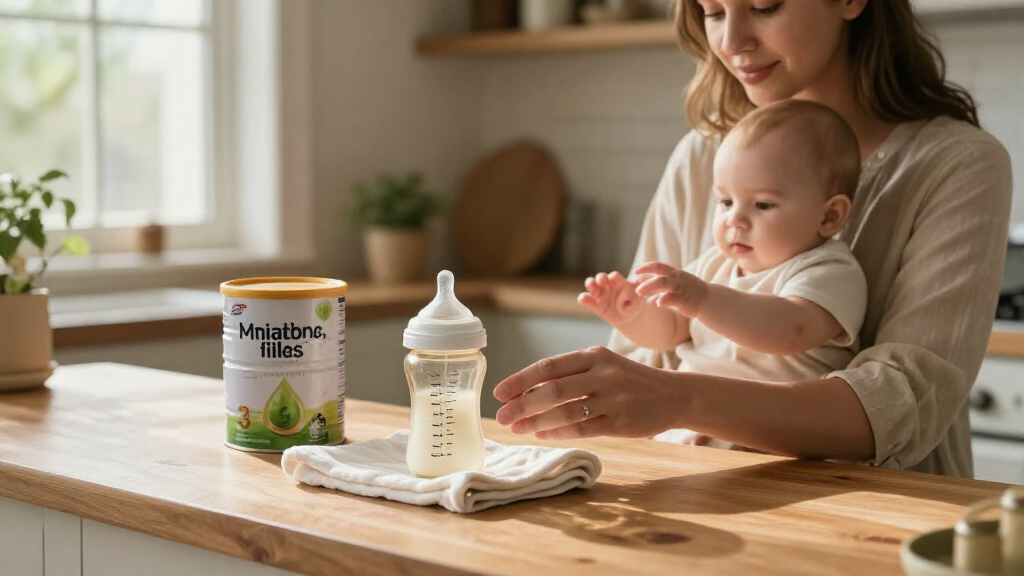

My best overall pick among these organic baby formulas is Earth’s Best Organic Dairy Infant Formula, a straightforward milk-based powder for families seeking a standard 0–12-month option. Happy Baby Organic Stage 1 stands out for its stage-specific lineup, while Similac Organic Ready-to-Feed suits caregivers who need premeasured bottles for outings or backup feeding. The main tradeoffs are format convenience, age-stage labeling, and whether a formula is designed for a particular feeding concern. Organic labeling alone does not make formulas interchangeable, and babies may have individual needs that call for pediatric guidance. Read on for the full comparison and recommendations by buyer type.

Turn the school run and nap time into listening time
- Thousands of audiobooks, podcasts and originals
- Listen on your phone, tablet or Echo — also offline
- Cancel anytime
Complete the kit


Key Takeaways
- Earth’s Best Organic Dairy is the clearest standard milk-based powder choice in this lineup; the Sensitivity and Gentle options serve different specialized positions and should not be treated as identical.
- Happy Baby Stage 1 appears in two can sizes, while its Stage 2 version is labeled for 6–12 months; check the stage before choosing based on package familiarity.
- Similac Organic Ready-to-Feed trades powder flexibility for premeasured 2 fl oz bottles, a format that can simplify occasional feeding away from home.
- Happy Baby A2 differentiates itself by protein type, but that distinction alone does not establish that it will suit a baby with a diagnosed milk allergy or digestive condition.
- Bobbie’s six-pack is a multi-can format that may suit households planning regular use; families still need to check the preparation instructions and their storage capacity.


| organic baby formula | Age range | Net weight | Certifications |
|---|---|---|---|
| Happy Baby Organics Stage 1 In | 0–12 months | 14.1 oz | USDA organic, EU organic, Clean Label Project Certified |
| Earth’s Best Organic Sensitivi | 0–12 months | — | — |
| Similac USDA-Certified Organic | — | — | — |
| Similac Organic Ready-to-Feed | — | — | — |
| Happy Baby Organic Stage 2 Inf | 6 months and older | 22.9 oz | USDA and EU certified organic; Clean Label Project Certified |
| Earth’s Best Organic Dairy Inf | 0–12 months | — | — |
| Happy Baby Organic Stage 1 Inf | 0–12 months | 22.9 oz | USDA and EU certified organic |
| Happy Baby Organic Stage 1 A2 | 0–12 months | 22.9 oz | USDA Organic, EU Organic, and Clean Label Project Certified |
| Earth’s Best Organic Gentle In | — | 21 oz | — |
| Bobbie Organic Milk-Based Infa | Full-term infants, 0–12 months | — | USDA Organic; EU Organic recognition under the U.S./EU Organic Equivalency Arrangement; Clean Label Project Certified; Certified Pesticide Free |
More Details on Our Top Picks
Happy Baby Organics Stage 1 Infant Formula, 0–12 Months, 14.1 oz
USDA and EU organic certification gives this Stage 1 formula a clear distinction in a lineup where several picks have only USDA organic certification listed. Its probiotic and prebiotic blend and DHA add nutritional features families may want to compare when choosing a first-year formula. Against Similac USDA-Certified Organic Infant Formula Powder, Happy Baby highlights the dual certification and gut-support blend, while Similac specifies DHA, lutein, and vitamin E and is also available ready to feed. This 14.1 oz container is smaller than the 22.9 oz Happy Baby Stage 1 option elsewhere in the roundup, so it may suit families who prefer a smaller format. One caveat: during the formula update, the package may contain either the previous or updated version, which removes palm oil.
Pros:- USDA and EU organic certifications are both listed
- Includes a probiotic and prebiotic blend
- Contains DHA
- Nutrient levels are tailored to changing needs during the first year
Cons:- The 14.1 oz container is smaller than the other Happy Baby Stage 1 size in this roundup
- Either the previous or updated formula may arrive during the transition
Best for: Families seeking a first-year organic powder with both USDA and EU certification and a probiotic and prebiotic blend.
Not ideal for: Families who want a larger container or need certainty about receiving the updated palm-oil-free formula.
- Stage:1
- Age range:0–12 months
- Net weight:14.1 oz
- Pack size:1
- Certifications:USDA organic, EU organic, Clean Label Project Certified
- Probiotics and prebiotics:Patented blend
- Manufactured in:Europe
- Palm oil:Removed in updated formula; either version may be received during transition
Our verdict“Choose this smaller Stage 1 option if dual organic certification and a probiotic and prebiotic blend matter more to you than a larger container or certainty about the formula version.”
Earth’s Best Organic Sensitivity Infant Formula with Iron, DHA and ARA, 0–12 Months, 32 oz
Reduced lactose is the defining reason to look at this Earth’s Best formula: it is aimed at babies with sensitive stomachs, while the standard Earth’s Best Organic Dairy Infant Formula is the more direct comparison for families who do not need that reduced-lactose feature. It keeps a broad nutrient profile, with iron, lutein, prebiotics, DHA, and ARA, and can be used for supplementation or as a primary source of nutrition during the first year. The 32 oz powder container is described as yielding about 236 fl oz when prepared as directed, which gives families a substantial supply in one container. The tradeoff is practical: powder requires measuring and mixing, and this remains a milk-based formula, so it does not fit babies who need a non-milk alternative.
Pros:- Reduced-lactose formulation is designed for sensitive stomachs
- Includes iron, lutein, prebiotics, DHA, and ARA
- Can supplement breastfeeding or serve as a primary nutrition source
- 32 oz container has a stated prepared yield of approximately 236 fl oz
Cons:- Powder must be measured and mixed with water
- Milk-based formula may not suit babies who need a non-milk alternative
Best for: Caregivers looking for an organic, reduced-lactose milk-based powder for a baby with sensitive-stomach needs, subject to guidance from the baby’s clinician.
Not ideal for: Families who need a non-milk formula or want a ready-to-feed option without measuring and mixing.
- Age range:0–12 months
- Form:Powder
- Lactose:Reduced
- Milk source:Organic milk from grass- and grain-fed cows
- Key nutrients:Iron, lutein, prebiotics, Omega-3 DHA, Omega-6 ARA
- Container size:32 oz
- Prepared yield:Approximately 236 fl oz
- Certifications and claims:Certified organic; Clean Label Project Purity Award; ingredients not genetically engineered
Our verdict“Consider this Earth’s Best pick when reduced lactose is the priority and a milk-based powder fits your baby’s needs.”
Similac USDA-Certified Organic Infant Formula Powder
DHA, lutein, and vitamin E give this USDA-certified organic powder a clearly stated nutrient combination for families comparing first-year formulas. It is made without palm olein oil or corn syrup and is described as non-GMO, which distinguishes its ingredient claims from the Happy Baby Stage 1 options, whose supplied details emphasize organic certifications and a probiotic and prebiotic blend. Compared with Similac Organic Ready-to-Feed Infant Formula, this powder requires mixing but may make more sense for caregivers who prefer powder and do not need pre-portioned liquid bottles. The brand also lists a ready-to-feed format separately. A meaningful limitation is that this formula is not for infants or children with galactosemia; families also need to prepare each serving correctly.
Pros:- USDA-certified organic
- Includes DHA, lutein, and vitamin E
- Made without palm olein oil or corn syrup
- Non-GMO claim and a ready-to-feed format are listed
Cons:- Powder requires measuring and mixing
- Not for infants or children with galactosemia
Best for: Caregivers seeking USDA-certified organic powder with DHA, lutein, and vitamin E and who are comfortable mixing formula.
Not ideal for: Families needing ready-to-feed convenience or caring for an infant or child with galactosemia.
- Product type:Infant formula powder
- Certification:USDA-certified organic
- Suitable for:Baby’s first year
- Key nutrients:DHA, lutein, and vitamin E
- Made without:Palm olein oil, corn syrup, and artificial growth hormones
- Genetic engineering:Non-GMO
- Other format available:Ready-to-feed liquid
Our verdict“Pick this Similac powder if its stated nutrient combination and ingredient exclusions suit your preferences and mixing is manageable.”
Similac Organic Ready-to-Feed Infant Formula, 2 fl oz Bottles, Pack of 8
No mixing required is the practical advantage of these 2 fl oz bottles. They offer the same listed DHA, lutein, and vitamin E combination as Similac USDA-Certified Organic Infant Formula Powder, but trade the powder’s mixing step for pre-portioned liquid. That format can help caregivers pack smaller servings for outings or keep feeding preparation simple when water and measuring tools are inconvenient. The pack contains eight bottles, so the serving size and quantity may not suit every household’s routine. Like the powder, this Similac option is USDA-certified organic and made without palm olein oil or corn syrup. It is not for infants or children with galactosemia, so that restriction matters when choosing between it and other products in the roundup.
Pros:- Ready-to-feed liquid requires no mixing
- 2 fl oz bottles are portioned for smaller feeds
- Includes DHA, lutein, and vitamin E
- USDA-certified organic and made without palm olein oil or corn syrup
Cons:- Pack contains only eight small bottles
- Not for infants or children with galactosemia
Best for: Caregivers who want small, ready-to-feed organic servings for outings or situations where mixing is inconvenient.
Not ideal for: Families who prefer powder or need a formula suitable for an infant or child with galactosemia.
- Form:Ready-to-feed liquid
- Bottle size:2 fl oz
- Pack quantity:8
- Certification:USDA-certified organic
- Key nutrients:DHA, lutein, and vitamin E
- Made without:Palm olein oil, corn syrup, and artificial growth hormones
- Genetically engineered ingredients:None
Our verdict“Choose these bottles for small, no-mix servings when convenience away from home matters more than using powder.”
Happy Baby Organic Stage 2 Infant Formula, 6–12 Months, 22.9 oz
Stage-specific nutrient levels set this Happy Baby formula apart from the Stage 1 products in the roundup: its calcium, iron, phosphorus, iodine, and selenium are tailored for babies 6 months and older. That makes it the age-matched Happy Baby choice for families already using the brand’s Stage 1 formula, which is labeled for 0–12 months. Like that Stage 1 option, Stage 2 has a probiotic and prebiotic blend, USDA and EU organic certification, and European manufacturing. It also lists non-GMO ingredients and no added corn syrup. The main drawback is the update transition: a delivered package may contain either the previous or updated formula, with palm oil removed from the updated version. Its age range also makes it unsuitable as a first-year-from-birth pick.
Pros:- Stage-specific levels of calcium, iron, phosphorus, iodine, and selenium
- Contains a probiotic and prebiotic blend
- USDA and EU certified organic
- Non-GMO ingredients and no added corn syrup
Cons:- Not intended for babies younger than 6 months
- Previous or updated formula may arrive during the transition
Best for: Families with babies 6–12 months old seeking a stage-specific organic powder with a probiotic and prebiotic blend.
Not ideal for: Caregivers choosing a formula for a newborn or who need certainty that the package contains the updated palm-oil-free version.
- Stage:2
- Age range:6 months and older
- Net weight:22.9 oz
- Probiotics and prebiotics:Blend
- Certifications:USDA and EU certified organic; Clean Label Project Certified
- Manufacturing location:Europe
- Formula update:Palm oil removed from updated formula; either version may be received during transition
- Other ingredient claims:Non-GMO ingredients; no added corn syrup
Our verdict“Choose Stage 2 for a baby at least 6 months old when you want Happy Baby’s organic credentials and nutrients tailored to this age range.”
Earth’s Best Organic Dairy Infant Formula with Iron, DHA and ARA, 0–12 Months, 32 oz
Earth’s Best Organic Dairy Infant Formula suits families who want an organic powdered formula with a stated yield of about 155 fluid ounces per container. Its iron, DHA, ARA, lutein, and prebiotics give it a broad nutrient profile, while the product data specifies no added corn syrup. Compared with the 21-ounce Earth’s Best Organic Gentle Infant Formula, this version uses regular dairy proteins rather than partially hydrolyzed whey, so it is a less targeted choice for families seeking that protein distinction. The tradeoff is practical: the larger container still requires accurate mixing with water, and its milk base may not suit babies with dairy-related dietary restrictions. I’d choose it for routine powdered feeding when its organic dairy profile fits the baby.
Pros:- Certified organic milk from grass- and grain-fed cows
- Includes iron, DHA, ARA, lutein, and prebiotics
- No added corn syrup
- Stated prepared yield is approximately 155 fluid ounces
Cons:- Dairy-based formula may not suit babies with dairy-related dietary restrictions
- Powder must be measured and mixed with water before feeding
Best for: Families seeking a larger container of certified organic dairy formula for routine powdered feeding during the first year
Not ideal for: Caregivers seeking partially hydrolyzed whey or a formula for a baby with dairy-related dietary restrictions
- Age range:0–12 months
- Form:Powder
- Container size:32 oz
- Milk source:Organic milk from grass- and grain-fed cows
- Nutrients:Iron, DHA, ARA, lutein, and prebiotics
- Prepared yield:Approximately 155 fl oz
- Added corn syrup:None
- Certification:Certified organic
Our verdict“Choose this for a larger-yield organic dairy powder if regular milk proteins and careful mixing suit your feeding routine.”
Happy Baby Organic Stage 1 Infant Formula, 0–12 Months, 22.9 oz
Happy Baby Organic Stage 1 stands out for carrying both USDA and EU organic certifications and for combining probiotics, prebiotics, and DHA in a European-made powder. That makes it a fit for caregivers prioritizing those certifications and added ingredients in one first-year formula. Compared with the Happy Baby Organic Stage 1 A2 Infant Formula, this is the standard Stage 1 option; the A2 version specifies a 60:40 whey-to-A2 beta-casein blend for families seeking that protein source. The main uncertainty here is the formula transition: the package may contain the previous or updated version, so ingredients such as palm oil may vary. The 22.9-ounce package also offers less powder than Earth’s Best 32-ounce container, making package size another factor for repeat purchasing.
Pros:- USDA and EU certified organic
- Made in Europe with non-GMO ingredients
- Includes probiotics, prebiotics, and DHA
- No added corn syrup
Cons:- Transition period means the package may contain the previous or updated formula
- At 22.9 oz, the container holds less powder than the Earth’s Best 32-ounce option
Best for: Caregivers who prioritize USDA and EU organic certifications, European manufacture, and a standard Stage 1 formula with probiotics and prebiotics
Not ideal for: Families who need certainty about receiving the updated palm-oil-free formula or want a specified A2 protein blend
- Stage:1
- Age range:0–12 months
- Net weight:22.9 oz
- Pack quantity:1
- Certifications:USDA and EU certified organic
- Made in:Europe
- Ingredients and features:Probiotics, prebiotics, DHA, and non-GMO ingredients
- Free from:Added corn syrup and artificial growth hormones; updated formula excludes palm oil
Our verdict“Pick this standard Stage 1 powder if dual organic certification matters more than certainty about which transition formula is in the package.”
Happy Baby Organic Stage 1 A2 Infant Formula, 0–12 Months, 22.9 oz
Happy Baby Organic Stage 1 A2 is the distinct choice here for caregivers looking specifically for A2 beta-casein in an organic first-year formula. Its stated 60:40 whey-to-A2 beta-casein blend gives more detail about the protein composition than the standard Happy Baby Organic Stage 1 Infant Formula, which does not specify an A2 blend. Both options include probiotics, prebiotics, and DHA and carry USDA and EU organic certifications, so the A2 formula’s differentiator is its milk protein rather than a broader feature set. The 22.9-ounce powder requires preparation, and the transition note means a buyer may receive the previous formula version, which affects certainty about the updated palm-oil-free formulation. Product data also does not provide preparation instructions or serving amounts.
Pros:- Made with A2 milk and a stated 60:40 whey-to-A2 beta-casein blend
- Includes probiotics, prebiotics, and DHA
- USDA and EU certified organic
- Clean Label Project Certified
Cons:- Formula transition means the previous version may still be received
- Product data does not specify preparation instructions or serving amounts
- Powder requires preparation before feeding
Best for: Caregivers who specifically want an organic Stage 1 formula made with A2 milk and a stated whey-to-A2 beta-casein ratio
Not ideal for: Families who do not need an A2 protein formulation, want detailed preparation information in the product data, or need certainty about the updated formula version
- Age range:0–12 months
- Net weight:22.9 oz
- Pack size:1
- Milk type:A2 milk
- Protein blend:60:40 whey and A2 beta-casein
- Added ingredients:Probiotics, prebiotics, and DHA
- Certifications:USDA Organic, EU Organic, and Clean Label Project Certified
- Manufactured in:Europe
- Palm oil:Removed in updated formula; previous formula may be received during transition
Our verdict“Choose this over standard Happy Baby Stage 1 when the specified A2 protein blend is a priority and transition-version uncertainty is acceptable.”
Earth’s Best Organic Gentle Infant Formula with Iron, Milk-Based Powder, 21 oz
Earth’s Best Organic Gentle Infant Formula earns a place for its partially hydrolyzed whey, which distinguishes its protein blend from the regular dairy proteins in Earth’s Best Organic Dairy Infant Formula. That feature makes this the more relevant option for caregivers seeking a gentle-formula design, though the product information does not establish suitability for a particular medical condition. It retains the brand’s organic milk base and includes iron, DHA, ARA, lutein, and prebiotics. The stated yield is about 154 fluid ounces, close to the 32-ounce Earth’s Best dairy powder’s 155 ounces, despite this container holding 21 ounces. It still requires careful dilution, and the milk base may not fit babies with milk-related dietary restrictions. I’d favor it when the protein treatment is the deciding factor.
Pros:- Organic milk from grass- and grain-fed cows
- Partially hydrolyzed whey proteins
- Includes iron, DHA, ARA, lutein, and prebiotics
- Stated prepared yield is approximately 154 fluid ounces
Cons:- Milk-based formula may not suit babies with milk-related dietary restrictions
- Requires careful preparation and dilution with water
Best for: Caregivers seeking an organic milk-based powder with partially hydrolyzed whey as a distinguishing protein feature
Not ideal for: Families whose baby has milk-related dietary restrictions or who want a ready-to-feed formula without mixing
- Type:Gentle infant formula
- Form:Milk-based powder
- Net weight:21 oz
- Milk source:Organic milk from grass- and grain-fed cows
- Protein:Partially hydrolyzed whey
- Nutrients:Iron, lutein, prebiotics, DHA, and ARA
- Prepared yield:Approximately 154 fl oz
- Intended use:Supplementing breastfeeding or primary nutrition during the first year
Our verdict“Choose this over Earth’s Best regular dairy powder if partially hydrolyzed whey is the feature you are seeking.”
Bobbie Organic Milk-Based Infant Formula Powder, 24 oz, 6-Pack
Bobbie Organic Milk-Based Infant Formula is the lineup’s six-pack option, suited to caregivers who prefer several 24-ounce cans on hand. Its formula uses 100% lactose as its carbohydrate source and a 60:40 whey-to-casein ratio, giving buyers concrete formulation details that are not specified for Earth’s Best Organic Dairy Infant Formula. It also includes DHA and choline, uses a soy-free plant-based fat blend, and is independently tested for heavy metals and contaminants according to the product data. The tradeoff is that this bulk package means committing to six cans, and the powder still needs preparation. It is specified for full-term infants ages 0–12 months, so its stated fit may not cover every feeding need. This is a planning-focused pick for families comfortable with its full-term scope.
Pros:- Six 24-ounce cans provide a multi-can supply
- Uses 100% lactose as its carbohydrate source
- Includes DHA and choline
- Soy-free plant-based fat blend and independent contaminant testing
Cons:- Six-pack format may be unsuitable for families who want to buy one can at a time
- Powder requires preparation before feeding
- Specified for full-term infants, which may not fit every feeding need
Best for: Families feeding a full-term infant who want multiple organic formula cans on hand and value a specified lactose-based carbohydrate source
Not ideal for: Caregivers who need a single can, a ready-to-feed format, or formula specified for an infant outside the stated full-term range
- Product type:Milk-based infant formula powder
- Package size:24 oz, 6-pack
- Age range:Full-term infants, 0–12 months
- Certifications:USDA Organic; EU Organic recognition under the U.S./EU Organic Equivalency Arrangement; Clean Label Project Certified; Certified Pesticide Free
- Carbohydrate source:100% lactose
- Whey-to-casein ratio:60:40
- DHA:20 mg per 100 kcal
- Fat blend:Plant-based and formulated without soy
- Testing and exclusions:Independently tested for heavy metals and contaminants; excludes corn syrup, palm oil, and maltodextrin
Our verdict“Pick Bobbie for a multi-can supply and clearly specified lactose-based formulation if your infant fits its full-term scope.”
How We Picked
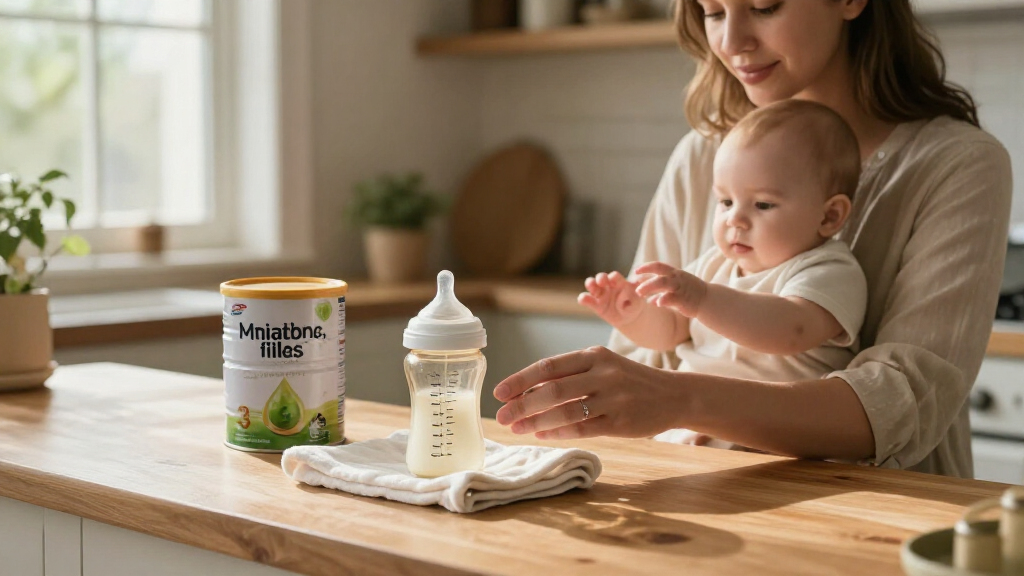
I compared the ten listed products by the decisions caregivers actually face: age-stage labeling, milk-based formula type, powder versus ready-to-feed format, package size, and stated specialized positioning. I gave more weight to a clear everyday role and practical usability than to a feature that might matter only to a narrower group. That puts Earth’s Best Organic Dairy first as the most straightforward standard powder in this set, with Happy Baby Stage 1 close behind for caregivers who prefer that brand’s stage-labeled range.
The remaining order reflects increasingly specific needs or format tradeoffs. The Sensitivity, Gentle, and A2 options have distinct positioning, but product names alone cannot establish which formula is appropriate for an individual infant. Similac’s standard powder and ready-to-feed bottle pack fill different preparation needs, while Happy Baby Stage 2 is relevant to its labeled age range. Package size and multipack format affect handling and replenishment, but I did not treat them as proof of better nutrition or suitability. I ranked only the listed products and their identifiable format and labeling differences; caregivers should follow package directions and consult a pediatric clinician about feeding concerns.
| organic baby formula | Certifications |
|---|---|
| Happy Baby Organics Stage 1 In | USDA organic, EU organic, Clean Label Project Certified |
| Earth’s Best Organic Sensitivi | — |
| Similac USDA-Certified Organic | — |
| Similac Organic Ready-to-Feed | — |
| Happy Baby Organic Stage 2 Inf | USDA and EU certified organic; Clean Label Project Certified |
| Earth’s Best Organic Dairy Inf | — |
| Happy Baby Organic Stage 1 Inf | USDA and EU certified organic |
| Happy Baby Organic Stage 1 A2 | USDA Organic, EU Organic, and Clean Label Project Certified |
| Earth’s Best Organic Gentle In | — |
| Bobbie Organic Milk-Based Infa | USDA Organic; EU Organic recognition under the U.S./EU Organic Equivalency Arrangement; Clean Label Project Certified; Certified Pesticide Free |
Factors to Consider When Choosing Best Organic Baby Formulas
Before choosing from this roundup, I would start with the baby’s age, any clinician guidance, and the feeding setting. Organic status narrows the field, but it does not answer whether a formula’s stage, protein source, or preparation format fits your household. These broader checks can prevent a convenient-looking package from becoming the wrong routine choice.
Match the Label to Your Baby’s Age
Stage labels can look like a small packaging detail, but they determine which product the maker presents for a given age range. This list includes several 0–12-month formulas and a Happy Baby Stage 2 product labeled for 6–12 months, so do not assume every can from one brand is the same formula. Check the age range on the exact package each time you reorder, especially when buying a different size or stage. A change in age does not by itself mean a baby must switch formulas; feeding decisions can depend on growth, tolerance, and clinical advice. Avoid using a stage number as a substitute for reading the preparation and feeding directions. If the label or your care plan is unclear, ask your pediatric clinician before changing products.
Choose a Format That Fits Your Routine
Powder generally gives caregivers more flexibility in how much they prepare, while ready-to-feed bottles remove the mixing step for the sealed, single-serving format listed here. That convenience can be useful for travel, childcare handoffs, or keeping a small backup supply, though the 2 fl oz bottles may not suit every feeding volume. Powder requires careful measuring and preparation, so household routines and access to clean equipment matter. Think through where feeds happen most often rather than selecting a format for an occasional scenario alone. Keep the maker’s directions for preparation, opening, and storage in view. Never dilute or concentrate formula to stretch a package or change its consistency.
Treat Specialized Positioning as a Prompt to Ask Questions
Words such as Sensitivity, Gentle, and A2 signal differences in product positioning, but they do not tell you whether a formula will address a particular symptom or diagnosis. Caregivers can mistake a specialized name for a guarantee of easier digestion or allergy safety. A2 milk protein is still milk protein, so a baby with a suspected or confirmed cow’s milk protein allergy needs clinical guidance rather than a label-based guess. If feeding symptoms are driving the search, write down what you observe and when it happens before discussing a change with a clinician. Avoid switching among several formulas rapidly without a care plan, since that can make it harder to identify what changed. The standard dairy options may be simpler to compare when no special medical need has been identified.
Plan Package Size Around Freshness and Use
A larger can or multipack can reduce how often you need to shop, but it only helps if the household uses it within the product’s stated storage window. The listed options range from smaller cans to larger containers and Bobbie’s six-pack, so compare the amount you can use after opening, not just the total quantity in the package. A baby who is still establishing a feeding routine may do better with a format that avoids accumulating more product than the household can use. Check the label for instructions on opened containers and prepared formula, and follow them closely. Store unopened products as directed and avoid transferring powder into containers that obscure its identifying information or instructions. For a recurring formula, confirm the exact product and stage before restocking.
Compare Organic Claims With the Full Label
Organic certification can be a meaningful preference, but it does not make all formulas nutritionally or practically identical. Read the full ingredient and nutrition information, the age range, and the product’s preparation instructions rather than relying on the front-of-can wording. Products in this roundup also vary by brand, format, stage, and stated positioning, which may affect the fit more than a broad organic label. Check that the exact product is intended as infant formula for your baby’s age and feeding plan. Avoid choosing based on an assumption that organic automatically means a formula is gentler, safer for allergies, or better tolerated. When comparing two suitable options, prioritize the factors your clinician and household have identified as relevant.
Know When a Formula Change Needs Clinical Input
Routine preferences, such as powder versus ready-to-feed, are different from concerns about poor feeding, persistent symptoms, or a possible allergy. A product name that references sensitivity or gentleness should not replace an assessment of those concerns. Before making a medically motivated switch, ask a pediatric clinician which formula type is appropriate and how to handle the change. Keep a record of feeds and symptoms if you are trying to explain a pattern; concrete notes can make the conversation more useful. Seek timely medical advice for concerning symptoms rather than waiting to see whether a new product fixes them. Once a choice is made, follow the label exactly and avoid improvised mixing or dilution.
Frequently Asked Questions
Is an A2 organic formula appropriate for a baby with a milk allergy?
A2 refers to a type of milk protein; it does not make a dairy formula milk-free. A baby with a suspected or confirmed cow’s milk protein allergy should not be switched to an A2 product based on the name alone. Ask the baby’s pediatric clinician which formula type fits the diagnosis and feeding plan. The same caution applies if symptoms are prompting the search for a gentler formula. Follow clinical advice before changing the baby’s main source of nutrition.
Should I choose a 0–12-month formula or Happy Baby Stage 2 for a baby over six months?
The products here have different age labels, including several marked 0–12 months and Happy Baby Stage 2 marked 6–12 months. Check the exact package directions and discuss a stage change with your pediatric clinician if you are unsure. A baby’s age alone may not answer whether a change is needed; the feeding plan and the product’s instructions both matter. Do not assume Stage 2 is automatically better once a baby reaches six months. Keep the stage label attached to your choice when comparing package sizes or reordering.
When is ready-to-feed worth choosing over powder?
Ready-to-feed can be useful when avoiding the mixing step matters, such as for some outings or backup situations. Similac’s option in this roundup comes in premeasured 2 fl oz bottles, which may not match every baby’s usual feed and can mean opening multiple bottles. Powder may better suit regular preparation at home for caregivers comfortable following its measuring and preparation directions. Compare the routine you expect to use most often, including storage and handling after opening. Use either format only as directed on its label.
Can I switch between organic formula brands when one is unavailable?
Do not assume two organic formulas are interchangeable just because both carry an organic claim. Check age range, formula type, ingredients, and preparation directions, and consult a pediatric clinician if the baby has a medical feeding plan or known intolerance. If a substitution is needed, identify the exact product and ask whether it is appropriate for your baby. Avoid mixing products or changing concentration to make one resemble another. Keep the packaging available so you can confirm the label and instructions.
How should I choose between a larger can and a multipack?
Start with how much formula your household can use under the package’s opened-container instructions, then consider storage space and how often you want to restock. Earth’s Best has larger can options in this list, while Bobbie is offered as a six-pack; those formats suit different storage and replenishment habits. A multipack can be inconvenient if you are still deciding whether a product fits your routine. A large can is not automatically the better choice if it will remain open beyond its labeled use period. Follow the product’s storage directions and buy the specific stage you intend to feed.
Conclusion
For a straightforward everyday powder, I would start with Earth’s Best Organic Dairy as my best overall pick. Happy Baby Organic Stage 1 is my best value-style choice for caregivers who want a familiar 0–12-month option in multiple can sizes, while Bobbie Organic is my premium-format pick for households that want a six-pack. New caregivers comparing routine options may find the standard dairy powders easier to evaluate than products with specialized positioning; confirm the choice with a pediatric clinician if you have feeding concerns. For specific needs, compare Similac Ready-to-Feed for premeasured bottles and discuss the Sensitivity, Gentle, or A2 formulas with a clinician before choosing them for symptoms or a diagnosis. The best fit is the product whose age label, formula type, and preparation format align with your baby’s feeding plan and your household’s routine.