To say goodbye to diapers stress-free, stay patient, and use positive reinforcement to encourage your child’s progress. Establish consistent routines, such as regular potty times, and celebrate small victories to build their confidence. Handle setbacks calmly, offering reassurance rather than frustration. Keep your approach positive and flexible, focusing on gentle encouragement. If you continue, you’ll discover more practical tips to make the process smoother and more enjoyable for both of you.
Key Takeaways
- Use positive reinforcement like praise and small rewards to motivate your child’s potty training efforts.
- Establish consistent routines, such as regular potty times after meals or before bed, to promote success.
- Handle setbacks calmly, reassuring your child that accidents are normal and part of learning.
- Celebrate small victories to build confidence and encourage continued progress.
- Maintain a calm, positive attitude to create a stress-free environment and foster independence.
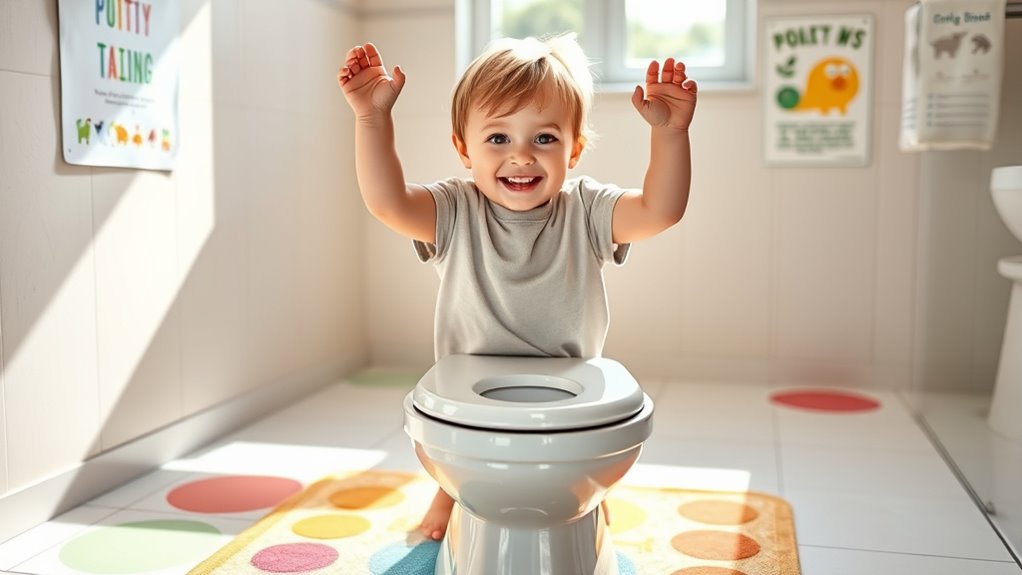
Potty training can feel like a challenging milestone, but with patience and the right approach, success is achievable. One of the most effective ways to motivate your little one is through potty training rewards. These rewards don’t have to be elaborate; even small praise, stickers, or extra playtime can boost your child’s confidence and encourage continued effort. When your child successfully uses the potty, celebrate their achievement enthusiastically. This positive reinforcement helps them associate potty training with good feelings, making them more eager to try again the next time. Keep in mind, though, that setbacks are natural. Your child might have accidents or resist sitting on the potty, and that’s okay. The key is to handle setbacks with patience and understanding. Instead of showing frustration, reassure your child that accidents happen and emphasize that they’re learning. Use gentle words and avoid punishment, which can create anxiety and slow progress. Instead, focus on what they did well and remind them that each attempt is a step toward success. Additionally, understanding the importance of consistent routines can greatly improve potty training outcomes. Creating a consistent routine is essential. Establish regular potty times, like after meals or before bed, so your child gets used to the schedule. When they start to show signs of readiness—such as telling you they need to go or staying dry for longer periods—encourage them gently. Remember, every child learns at their own pace, so don’t rush or compare your child to others. Patience is vital, especially when handling setbacks. If your child has an accident, calmly clean up without fuss and remind them that they’re learning. Celebrate small victories, like sitting on the potty without fuss or staying dry for a period. These moments build their confidence and motivate them to keep trying. Stay positive and consistent, and avoid pressuring your child. Potty training is a process, not a race. Use potty training rewards strategically to reinforce good habits, and handle setbacks as opportunities to teach patience and resilience. Ultimately, your calm and encouraging approach will help your child develop independence and confidence. Remember, setbacks are just part of the journey, and with each small success, you’re bringing your child closer to being diaper-free. Stay flexible, keep the mood light, and celebrate every milestone—big or small. Before long, you’ll both be saying goodbye to diapers and celebrating a new chapter in your child’s development.
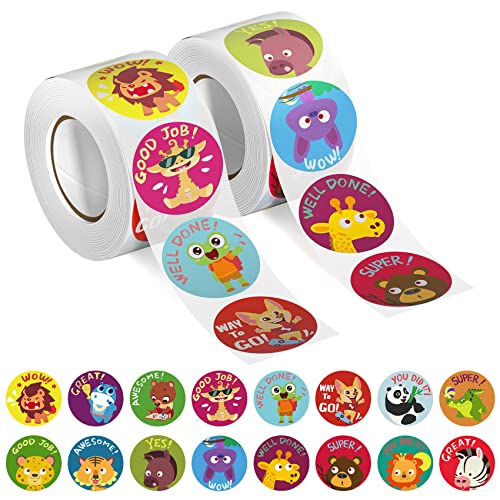
1000 PCS Incentive Animal Reward Stickers in 16 Designs – Teacher Supplies for Classroom & Potty Training
【Original Design】:Our motivational animal stickersare exclusively designed.You will receive 2 rolls 1000 PCS reward stickers in 16 designs.Pattern…
As an affiliate, we earn on qualifying purchases.
As an affiliate, we earn on qualifying purchases.
Frequently Asked Questions
When Is My Child Ready to Start Potty Training?
You might wonder when your child is ready to start potty training. Remember, many potty training myths suggest there’s a perfect age, but every child shows early signs at different times. Look for signs like staying dry for longer periods, expressing discomfort with dirty diapers, or showing interest in the toilet. When your child exhibits these early signs and is physically and emotionally ready, it’s a good time to begin.
How Do I Handle Accidents Calmly?
Handling accidents calmly is like soothing a stormy sea. Remember, potty training myths often make you worry about setbacks, but accidents are normal. Stay patient and avoid punishment. Reassure your child and gently clean up, showing it’s part of learning. If you’re exploring diaper alternatives, this patience helps them feel secure. Your calm response encourages confidence and makes the potty training journey smoother for both of you.
What Rewards Work Best for Motivation?
To motivate your child, try using sticker charts and verbal praise together. When they succeed, give them a sticker and praise their effort with enthusiasm. This combo makes rewards tangible and encouraging, boosting their confidence. Kids love seeing their progress, so celebrating small wins keeps them excited about learning. Keep rewards consistent and positive, and your child will stay motivated to master potty training with enthusiasm.
How Do I Manage Nighttime Potty Training?
To manage nighttime potty training, establish a consistent bedtime routine that includes bathroom visits before sleep. Consider using nighttime alarms to alert you when your child starts to wet the bed, helping them recognize sensations and develop control. Be patient and supportive, offering reassurance and encouragement. Keep the environment welcoming, and gradually reduce nighttime fluid intake as they gain more bladder control, celebrating progress along the way.
Should I Use a Potty Chair or Seat?
Choosing between a potty chair and seat is like picking a trusty sidekick for your child’s potty journey. Potty chair benefits include stability and independence, making it easier for little explorers to master seat training tips. A potty chair feels like a cozy throne, encouraging confidence. If you want simplicity, start with a potty chair. If you prefer convenience, a seat on the toilet can be a smooth progression to big-kid independence.

Potty Training Seat, SKYROKU Upgrade Toddler Toilet Seat for Kids Boys Girls, 2 in 1 Potty Training Toilet, Splash Guard Anti-Slip Pad Step Stool,New Sector-Shape Stabilized Base (8899+Grey)
Perfect Fit & Unshakable Stability – Engineered with 6 adjustable heights, our toddler potty training seat fits securely…
As an affiliate, we earn on qualifying purchases.
As an affiliate, we earn on qualifying purchases.
Conclusion
Remember, potty training is a journey, not a race. Stay patient and keep celebrating small victories—they’re the building blocks of success. Like a gentle breeze guiding a sailboat, your calm and consistent approach will steer your little one toward independence. Trust yourself and enjoy these precious moments; before you know it, those tiny steps will lead to big milestones. You’ve got this—soon, those diapers will be a thing of the past!

Potty Time with Bean (Ms. Rachel) (Books by Ms. Rachel)
As an affiliate, we earn on qualifying purchases.
As an affiliate, we earn on qualifying purchases.

Potty Training Timer- Replace Potty Watch for Toddler Girls Boys, 60-Minute Countdown Viaul Timer with Ring Vibration Reminder for Kids Cultivate The Sense of Time Get to Know Time
Make potty training a joyful journey with our Rainbow Timer – this vibrant visual aid uses color-changing cues…
As an affiliate, we earn on qualifying purchases.
As an affiliate, we earn on qualifying purchases.