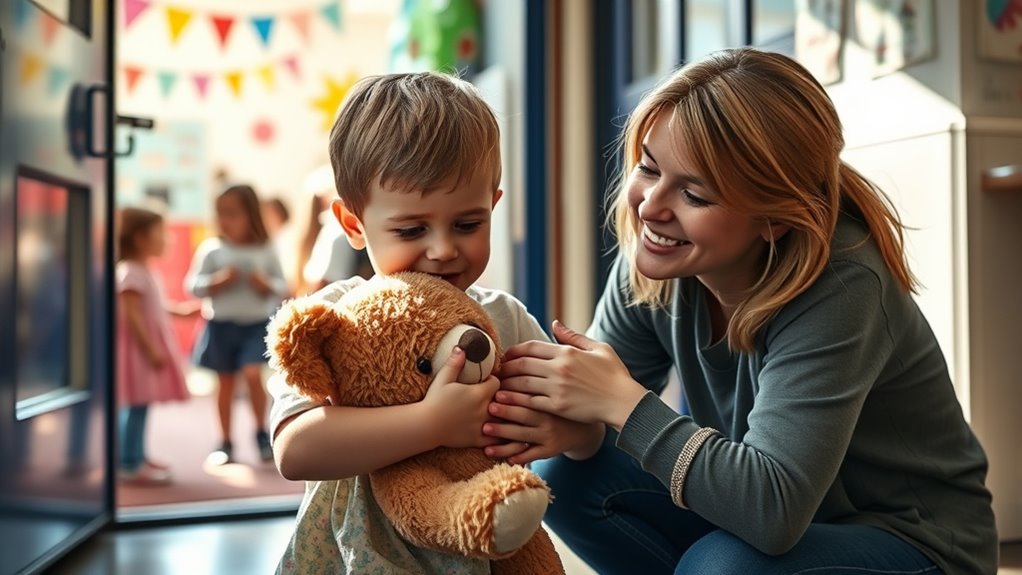

To ease separation anxiety at drop-off, establish a consistent routine like a special handshake, hug, or wave each day. Use calm, confident scripts such as, “I’ll be back after lunch,” to reassure your child and reassure them that they’re safe. Keep your goodbyes brief and positive, showing calmness to help them feel secure. Following these strategies will support your child’s confidence and make drop-offs smoother over time. Keep going to learn more helpful tips.
Key Takeaways
- Establish a consistent morning routine with predictable steps to create security during drop-off.
- Use calm, positive scripts like “I’ll be back after lunch” to reassure your child.
- Keep goodbyes brief and avoid lingering to prevent increasing separation anxiety.
- Maintain a confident and relaxed demeanor to help your child feel safe and secure.
- Remain patient, as consistent routines and reassurance will gradually reduce separation fears over time.
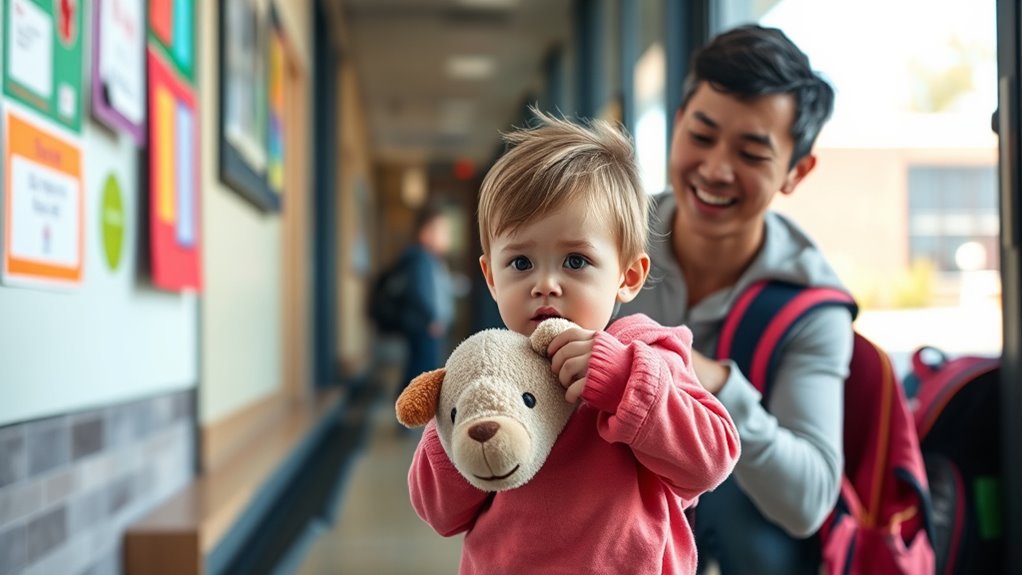
Dropping your child off at school can be a challenging moment for both of you, especially when separation anxiety kicks in. It’s natural for children to feel uneasy about leaving the safety of home, and these childhood fears often stem from their attachment styles. Some kids are more securely attached, making it easier for them to handle separation, while others, with anxious or insecure attachment styles, might cling or protest more intensely. Recognizing these patterns helps you understand their feelings and respond with patience and reassurance.
As you prepare for drop-off, establishing a predictable routine can make a world of difference. Consistency provides a sense of security, so develop a simple ritual that signals the start of the day, like a special handshake, a hug, or a quick wave. When you follow the same routine each morning, your child begins to anticipate what’s coming, which can reduce their anxiety. This consistency also helps them build trust that they’ll reconnect with you after school, easing their fears about separation.
Using scripts can be incredibly effective. Before leaving, calmly and confidently tell your child what will happen next, reinforcing a positive outlook. Say something like, “I’ll be back after your lunch, and I’ll see you at the end of the day,” or “You’re safe here, and I’ll be thinking of you.” Keep your tone reassuring and upbeat, so your child feels your confidence and security. If they voice worries, listen patiently and validate their feelings. For example, “It’s okay to feel nervous. Lots of kids feel that way, and it gets easier with time.”
Throughout the drop-off, maintain your composure. Your calm presence reassures your child that they’re okay. Avoid lingering or making goodbye overly emotional, which can intensify separation fears. Instead, give a quick hug or kiss, reinforce your routine, and then gently step away. Remember, children often pick up on your cues—if you’re relaxed, they’re more likely to feel secure. Establishing these routines and scripts can also foster a sense of predictability, which is crucial for easing separation anxiety.
Finally, remind yourself that separation anxiety is a phase that many children go through. As you stick to your routines and use supportive scripts, you help your child gradually build confidence and trust. Over time, their childhood fears will diminish, and drop-offs will become smoother. Your consistent, loving approach teaches them that they’re safe and that you’ll always return, laying the foundation for healthy attachment and emotional resilience.

Recordable Calming Toy for Kids – Parent Voice Comfort for Separation, Bedtime & Daycare – FeeliePod
1. RECORD YOUR VOICE FOR WHEN YOU CAN'T BE THERE- Parents record (and re-record!) personalized comfort messages on…
As an affiliate, we earn on qualifying purchases.
As an affiliate, we earn on qualifying purchases.
Frequently Asked Questions
How Can I Tell if My Child’s Anxiety Is Developing Into a Problem?
If your child’s emotional cues, like persistent crying or clinginess, worsen or last beyond initial drop-off, their anxiety might be developing into a problem. Watch for signs such as refusal to attend school, physical complaints, or excessive fear. Your reactions matter—stay calm and supportive. If these behaviors persist or intensify, consider consulting a counselor or pediatrician to help address your child’s emotional needs effectively.
Are There Specific Signs to Watch for During Drop-Off?
You might notice behavioral cues like clinging, crying, or refusing to let go during drop-off, which are common emotional signals of separation anxiety. Sometimes, your child may appear unusually withdrawn or anxious, indicating they’re struggling. Pay attention to these signs, and trust your instincts. Consistent routines and gentle reassurance can help ease their feelings over time. If concerns persist, consulting a professional can provide additional support.
How Long Does Separation Anxiety Typically Last?
Separation anxiety usually lasts a few weeks, but it varies based on your child’s age and temperament. Younger children or those with sensitive temperaments may take longer to adjust, sometimes up to a month or more. Be patient and consistent, offering reassurance and routines to help your child feel secure. Keep in mind that many children gradually become more comfortable with separation as they build trust and confidence.
Can Routines Help Reduce Anxiety Outside of Drop-Off Times?
Yes, routines outside of drop-off times can help reduce your child’s anxiety. Studies show consistent routines boost a child’s sense of security. Incorporate calming bedtime rituals and predictable morning schedules to create stability. When your child knows what to expect, they feel more confident and less anxious. This consistency builds trust and comfort, easing separation fears during drop-off and helping them start each day with a positive mindset.
What Should I Avoid Saying or Doing During Drop-Off?
You should avoid saying negative language or giving abrupt goodbyes during drop-off. These actions can increase your child’s anxiety and make separation harder. Instead, stay calm, reassure them with kind words, and use a consistent routine. Keep goodbyes brief and positive, showing confidence that they’ll be okay. Your calm demeanor helps your child feel secure and reduces their stress during this passage.
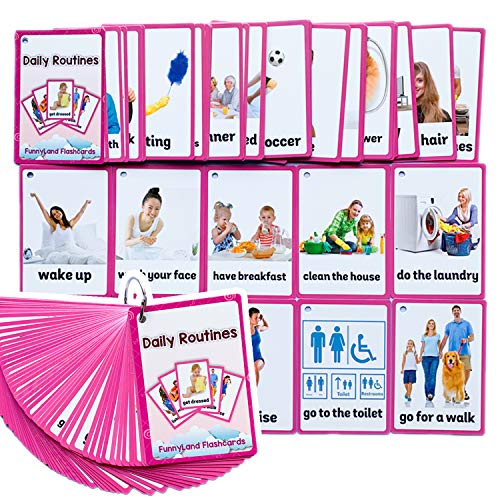
Zwttey 45PCS/Set Daily Routines Kids Gifts English Flash Cards Pocket Card Educational Learning Baby Toys for Children Pre-Kindergarten
【INCLUDED】44 Pcs/set Daily Routines flash cards for toddlers 4-6 years
As an affiliate, we earn on qualifying purchases.
As an affiliate, we earn on qualifying purchases.
Conclusion
Think of drop-off time as planting a seed. With patience and consistent routines, your child’s separation anxiety can grow into a strong, resilient tree. Each gentle goodbye waters that seed, helping it flourish over time. Remember, you’re guiding your little sprout through the storm, knowing brighter days lie ahead. Trust the process, and soon, your child will stand tall, confident and brave, ready to face the world with roots deep enough to weather any wind.

Caring for Your Baby and Young Child, 6th Edition: Birth to Age 5
Author: American Academy of Pediatrics.
As an affiliate, we earn on qualifying purchases.
As an affiliate, we earn on qualifying purchases.

Insect Lore Raise and Release Butterfly Garden Kit – Caterpillar Habitat with redeemable Voucher – STEM-accredited Butterfly Growing Kit for Kids, Classrooms, and Homeschool Learning
The Butterfly Garden: Includes everything you need to raise 5 baby caterpillars into adult butterflies. A 12” tall…
As an affiliate, we earn on qualifying purchases.
As an affiliate, we earn on qualifying purchases.