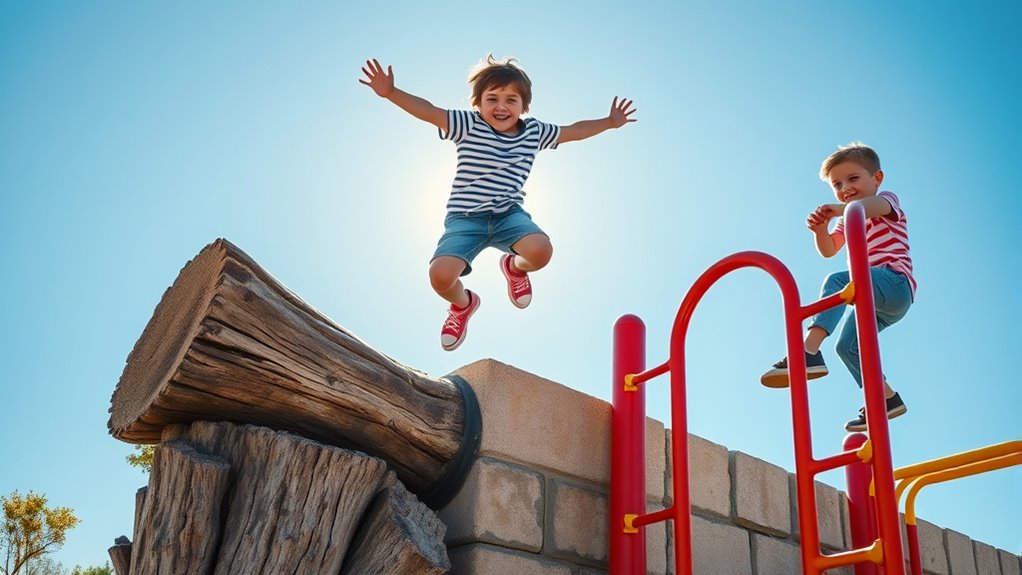

To keep your child safe while they enjoy climbing, jumping, and balancing, start by evaluating the environment for hazards like slippery surfaces or unstable structures. Encourage gradual skill-building with supervision and guarantee they wear proper safety gear like helmets and pads. Teach them to analyze risks and set limits, promoting confidence and independence. By managing risks wisely, you help your child develop resilience and physical skills. Keep exploring how to balance fun and safety effectively.
Key Takeaways
- Conduct environment assessments to identify hazards and ensure safe conditions for climbing, jumping, and balancing activities.
- Use appropriate safety gear like helmets, knee pads, and elbow pads to protect children during risky play.
- Start with low-height or simple challenges, gradually increasing difficulty to build confidence safely.
- Supervise actively, monitoring children’s movements and intervening when necessary to prevent accidents.
- Teach children to evaluate risks, recognize their limits, and make safe decisions during play.
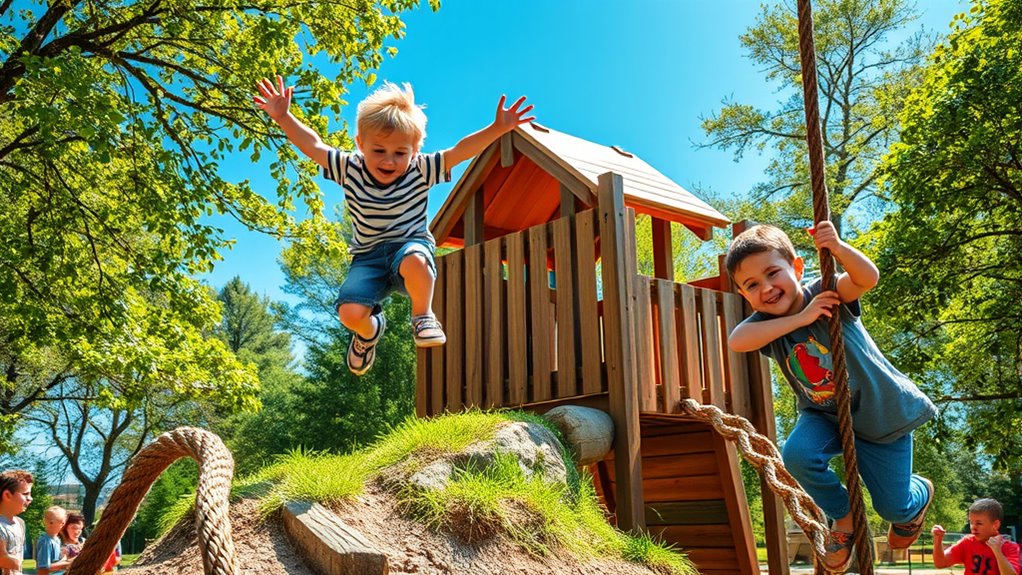
Risky play is essential for children’s development, even though it often makes parents nervous. When your child climbs a tree, jumps from a low wall, or balances on a narrow beam, you’re naturally concerned about their safety. However, understanding the importance of risk evaluation can help you create a balance between encouraging independence and ensuring safety. Before letting your child engage in climbing or jumping activities, take a moment to analyze the environment. Check for potential hazards like loose branches, slippery surfaces, or unstable structures. Teaching your child about assessing risks themselves can also promote safety awareness and decision-making skills.
Using safety gear appropriately can further mitigate risks. Helmets, knee pads, and elbow pads are vital when kids are climbing or jumping. These items don’t eliminate danger but considerably reduce the chance of injury. When you equip your child with the right safety gear, you’re empowering them to explore more confidently while staying protected. Remember, safety gear should fit properly and be used consistently during risky play, not just as a formality. Incorporating proper safety equipment into play routines helps normalize safe practices and builds good habits.
Encouraging your child to start with lower heights or less challenging activities allows them to build confidence gradually. For example, if they’re climbing, begin with a small play structure or a sturdy tree branch at a comfortable height. As they gain experience and understanding of their limits, they can try more complex or higher climbs. This progressive approach helps develop their motor skills and risk evaluation abilities. It’s also important to supervise actively, watching their movements and intervening if they seem overwhelmed or if conditions change. Still, avoid hovering constantly; instead, let them explore within a safe framework, which fosters independence.
Promoting safe risky play isn’t about eliminating all dangers but about managing them wisely. Teach your children to recognize their limits, use safety gear properly, and evaluate risks on their own. By doing so, you’re helping them develop resilience, confidence, and critical thinking skills that will serve them throughout life. Remember, allowing children to engage in climbing, jumping, and balancing activities in a controlled environment supports their physical and emotional growth. As long as safety measures are in place, these experiences can be both exciting and safe, ultimately giving your child the freedom to learn and thrive through adventure.

Petzl Picchu Children's Climbing and Cycling Helmet (Dual Certified) – Blue
DUAL CERTIFIED: The ultimate multi-sport helmet for kids, certified for both Climbing (CE EN 12492, UIAA) and Cycling…
As an affiliate, we earn on qualifying purchases.
As an affiliate, we earn on qualifying purchases.
Frequently Asked Questions
What Are the Best Age-Appropriate Risky Play Activities?
You should choose age-appropriate risky play activities by carefully selecting equipment suited for children’s skills and size. Conduct a thorough risk assessment to identify potential hazards, ensuring safety measures are in place. For younger kids, simple climbing frames or low balancing beams work well, while older children can handle activities like jumping from moderate heights or maneuvering more challenging structures. Always supervise closely to keep play safe and fun.
How Can Parents Encourage Safe Risk-Taking in Children?
Think of guiding your child as planting a sturdy tree. You nurture their risk tolerance by providing safe opportunities to explore, like climbing or balancing, aligned with their developmental milestones. Encourage them to try new challenges, offering support without taking over. Celebrate their efforts and setbacks alike, helping build confidence. Your patience and gentle guidance create a solid foundation for safe risk-taking, empowering them to grow resilient and adventurous.
What Safety Gear Is Recommended for Climbing and Jumping?
For climbing and jumping, safety harnesses and protective helmets are highly recommended. You should guarantee children wear a well-fitting helmet to protect their head from falls or bumps. Safety harnesses are essential for activities like rock climbing, providing security and preventing serious injuries. Always check that gear is in good condition and properly fitted, and supervise children closely to promote safe yet adventurous play.
How Do I Recognize When a Risk Becomes Too Dangerous?
You should recognize a risk becomes too dangerous when your risk evaluation highlights potential injury. Did you know that falls are responsible for nearly 30% of playground injuries? To prevent injuries, constantly appraise the height, surface, and condition of equipment. If a climb or jump feels unstable or unsafe, trust your instincts and stop immediately. Staying alert and assessing risks helps you enjoy play while prioritizing injury prevention.
Are There Specific Guidelines for Supervising Risky Play?
Yes, there are specific guidelines for supervising risky play. You should conduct a thorough risk assessment beforehand, identifying potential hazards and setting clear boundaries. Use supervision strategies like constant visual oversight, engaging with children about safety, and adjusting supervision based on their age and skill level. Always stay attentive, ready to intervene if play becomes too hazardous, ensuring children explore risks safely while minimizing dangers.
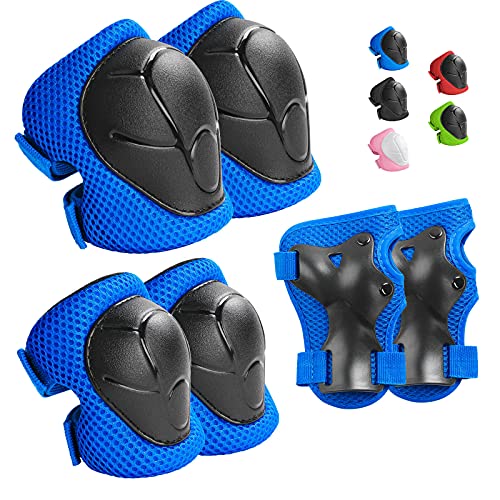
Kids Protective Gear Set Wemfg Knee Pads for Kids 3-8 Years Toddler Knee and Elbow Pads with Wrist Guards 3 in 1 for Skating Cycling Bike Rollerblading Scooter(Blue)
【 Recommended Age for Kids】 Size S is for children aged 3-8, and the recommended weight is 33-55…
As an affiliate, we earn on qualifying purchases.
As an affiliate, we earn on qualifying purchases.
Conclusion
So, are you ready to let your child explore and push boundaries safely? By encouraging risky play, you help build their confidence and resilience. Just remember, it’s all about finding that balance—supporting their adventures while keeping them protected. Isn’t it worth giving them the chance to discover their strength and courage through safe, daring activities? After all, isn’t life itself a little risky, and isn’t that what makes it exciting?
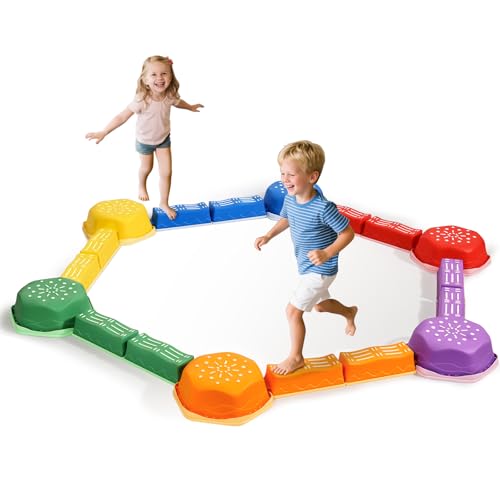
HappyField Balance Beam for Kids 18Pcs Non-Slip Stepping Stones Obstacle Course for Toddlers 3 Years + Indoor Outdoor Balance Board Kids Sensory Montessori Interactive Toys (Green)
Sensory Stepping Stones for Kids:In terms of design, scientific massage dots are used to stimulate the kid's foot…
As an affiliate, we earn on qualifying purchases.
As an affiliate, we earn on qualifying purchases.

Child and Adolescent Suicidal Behavior: School-Based Prevention, Assessment, and Intervention (The Guilford Practical Intervention in the Schools Series)
As an affiliate, we earn on qualifying purchases.
As an affiliate, we earn on qualifying purchases.