

To prepare your toddler for a new sibling, spend extra one-on-one time beforehand to reinforce how loved and important they are. Talk openly with simple, positive language about the baby, and involve your child in small tasks like choosing clothes or setting up the nursery. Keep routines predictable to reduce stress and reassure your toddler that your love remains plentiful. Managing big feelings with patience and empathy will help the shift feel smoother—learn more about supporting your child’s emotions here.
Key Takeaways
- Spend quality, one-on-one time with your toddler before the baby arrives to reinforce their special role.
- Explain the upcoming changes using simple, positive language to help your child understand and feel secure.
- Involve your toddler in preparations like choosing clothes or setting up the crib to foster inclusion and reduce jealousy.
- Maintain familiar routines and involve your child in small tasks to create predictability and ease the transition.
- Offer reassurance and validate feelings, emphasizing that love for your toddler remains abundant despite the new sibling.
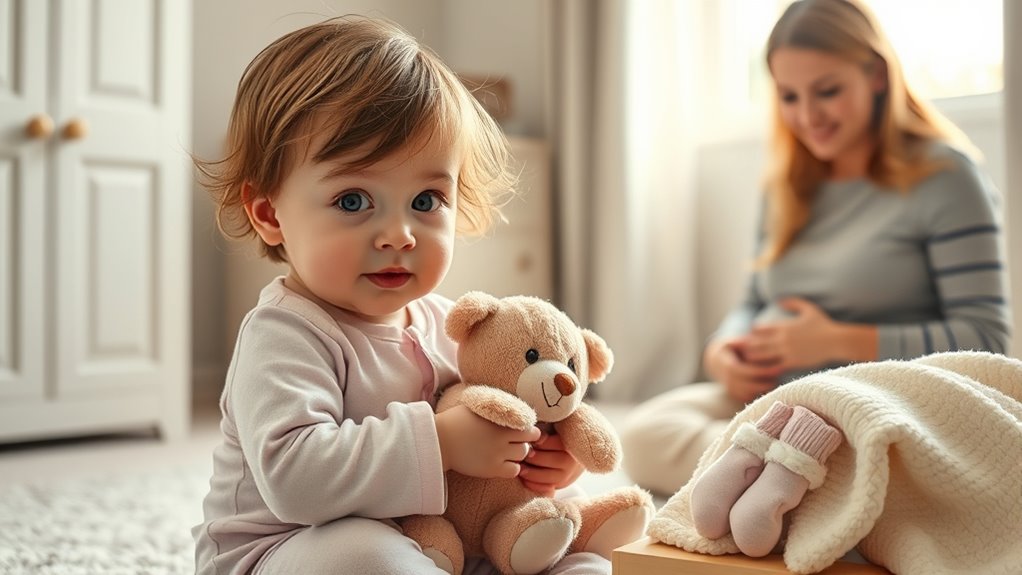
Bringing a new sibling into the family can be exciting yet challenging for your toddler. It’s a big change, and your little one might feel a mix of happiness, curiosity, and even jealousy. One of the most important things you can do during this time is to help your toddler understand that they will still be loved and valued, even with a new family member around. This often means addressing the challenge of sharing attention. Your toddler has been the center of your world, and now they’ll need to learn that their parents’ love isn’t divided but multiplied. You can do this by giving your child plenty of one-on-one time, especially in the weeks leading up to the baby’s arrival. During these moments, reinforce that they are special and important, so they don’t feel replaced or less loved.
Help your toddler feel loved and valued amidst new sibling excitement by dedicating special one-on-one time.
Adjusting routines is another key aspect of preparing your toddler for a new sibling. Children thrive on predictability, so sudden changes can cause stress or feelings of insecurity. Start gradually modifying your daily schedule to include some of the routines you’ll maintain after the baby arrives. For example, if you usually have a special storytime or play session, continue those activities and let your toddler know that some things will stay the same. You might also involve them in small tasks related to the new baby, like helping to pick out clothes or setting up the crib. This involvement helps your child feel included and less like they’re losing their place in your world. Additionally, involving your toddler in puppy socialization activities can help build their confidence and adaptability to new experiences.
It’s also helpful to talk openly about the upcoming changes in language your toddler can understand. Use simple, positive words to explain that the baby will need some extra attention but that it doesn’t mean they’ll be less loved. Reassure your child that their feelings are valid and that it’s okay to feel upset or confused. Giving them a sense of control can help, such as letting them choose a special toy or blanket for the baby or decide on a name.
Finally, keep in mind that feelings of jealousy or frustration are normal. Be patient and empathetic as your toddler navigates these new emotions. Celebrate their efforts to share and be gentle when they act out. Remember, preparing your toddler involves ongoing reassurance, patience, and lots of love. By addressing sharing attention and adjusting routines thoughtfully, you’re setting the stage for a smoother transition and helping your child feel secure and loved during this big change.

Lovevery Baby Is Coming (Tricky Topics) (New Sibling)
As an affiliate, we earn on qualifying purchases.
As an affiliate, we earn on qualifying purchases.
Frequently Asked Questions
How Can I Involve My Toddler in Preparing for the New Baby?
You can involve your toddler in preparing for the new baby by engaging them in baby-related activities like helping decorate the nursery or choosing clothes. Talk openly about sibling bonding and how they will be a great big brother or sister. Encourage their participation in gentle tasks, like reading to the baby or fetching diapers, making them feel important and included, which helps foster a positive relationship from the start.
What Are Signs My Toddler Is Feeling Left Out or Jealous?
You notice your toddler clinging more or acting out—these signs hint at feelings of jealousy or being left out. They might also show emotional regression, like wanting to use a pacifier again or seeking extra attention. These behaviors could signal sibling rivalry brewing beneath the surface. Stay alert, and when you see these signs, address their feelings with reassurance and involvement, helping them feel secure amid the changes.
How Do I Handle Regression in My Toddler’s Behavior?
When your toddler shows regression, you should stay calm and use gentle discipline strategies to set clear boundaries. Offer reassurance and encourage emotional regulation by naming feelings and validating their emotions. Consistency helps them feel secure. Maintain routines and give extra attention to foster independence. Remember, regression is a normal response to stress, so patience and understanding are key to helping your toddler adjust and regain their confidence.
When Is the Best Time to Introduce the New Baby to My Toddler?
You should introduce your toddler to the new baby during the baby’s first visit, ideally when everyone’s calm. This helps ease sibling jealousy and sets a positive tone. Keep the initial visit short and engaging, allowing your toddler to see and touch the baby gently. Use encouraging words and praise to foster bonding. By doing this early, you help your toddler feel involved and secure during this exciting changeover.
How Can I Support My Toddler’s Emotional Needs During This Transition?
Did you know that 60% of toddlers experience increased emotional distress during sibling changes? To support your toddler’s emotional needs, practice emotion coaching by acknowledging their feelings and reassuring them. Focus on attachment building by spending quality time together and maintaining routines. This helps your child feel secure and understood, easing their transition. Be patient, listen actively, and show empathy to foster a strong, trusting bond during this big change.

JAJOAGIA Big Brother Gift for Boy for Older Siblings of New Baby Includes Plush Dinosaur with Storybook, Ideal Birthday & Special Occasion Gift for Boys (Big Brother/Little Sister)
Perfect Big Brother Gift Set: This heartwarming set includes a 9.5" big brother dinosaur plush and a 6"…
As an affiliate, we earn on qualifying purchases.
As an affiliate, we earn on qualifying purchases.
Conclusion
As you prepare your toddler for the new baby, remember that nearly 60% of young children experience some form of jealousy or behavioral changes. By involving them in the process and offering reassurance, you help ease their big feelings. Keep communication open, and celebrate their unique role in the family. With patience and understanding, you’ll foster a loving bond that lasts a lifetime, turning this big shift into a positive growth experience for everyone.
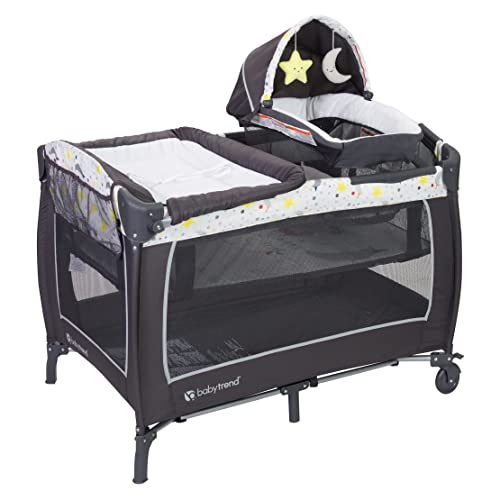
Baby Trend Lil' Snooze Deluxe II Nursery Center, Twinkle Twinkle Little Moon
Cozy napper with canopy and 2 plush toys
As an affiliate, we earn on qualifying purchases.
As an affiliate, we earn on qualifying purchases.
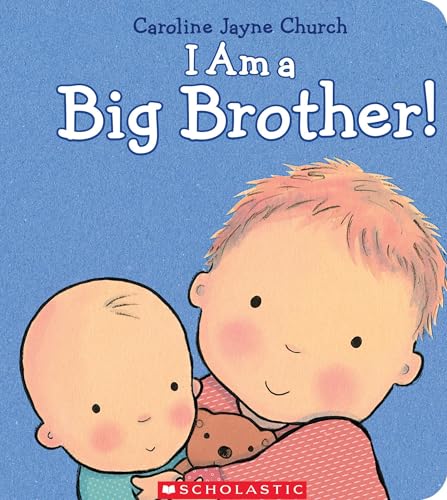
I Am a Big Brother (Caroline Jayne Church)
As an affiliate, we earn on qualifying purchases.
As an affiliate, we earn on qualifying purchases.