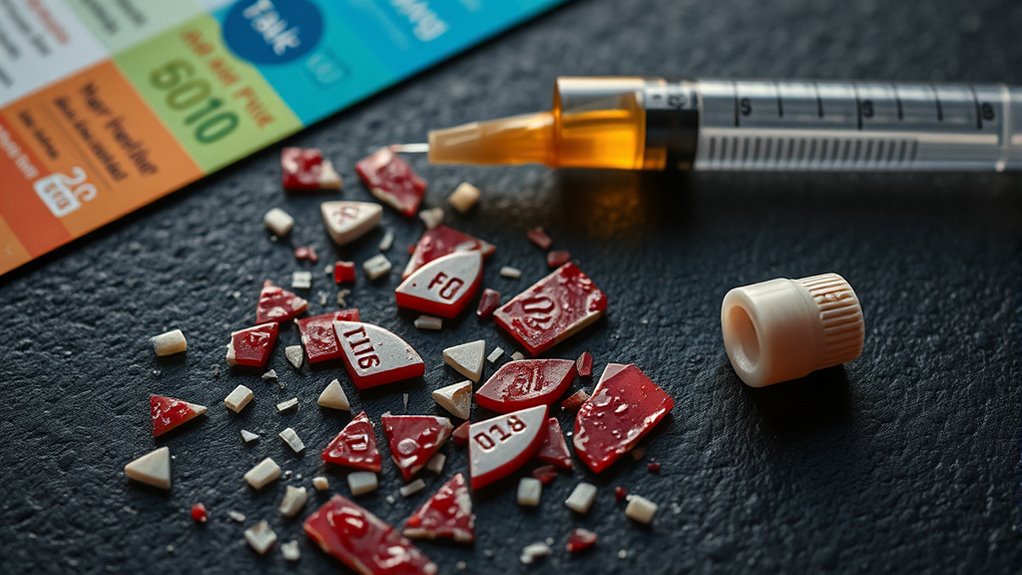

Fentanyl is a deadly synthetic opioid often hidden in fake pills that look like real medicine, increasing your overdose risk. Many counterfeit pills contain dangerous fentanyl without your knowledge, so even small amounts can be lethal. To protect yourself, use test strips and carry naloxone, and always purchase medications from trusted sources. Staying informed about these dangers and harm reduction strategies can save lives—continue exploring to learn more about staying safe.
Key Takeaways
- Fake pills often contain fentanyl, which can cause accidental overdose due to its high potency.
- Using test strips helps detect fentanyl presence in pills and other drugs before use.
- Carrying naloxone is crucial for reversing opioid overdoses caused by fentanyl-laced substances.
- Proper medication storage and sourcing from trusted providers reduce the risk of counterfeit pills.
- Staying informed about drug potency and risks enhances harm reduction and overdose prevention efforts.
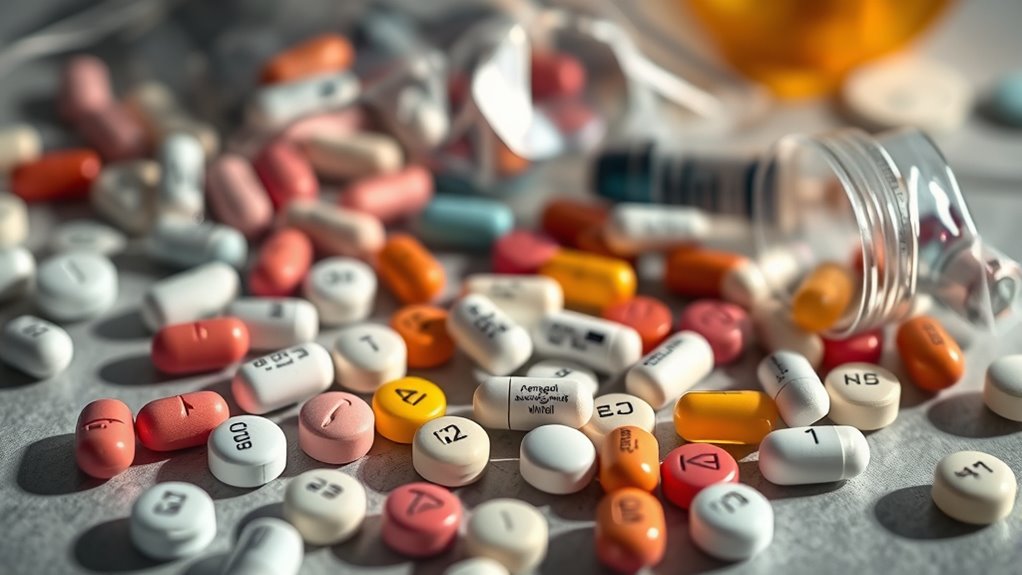
Have you ever wondered just how dangerous fentanyl really is? If you’re not careful, it can be deadly in just a tiny dose. Fentanyl is a synthetic opioid, much stronger than heroin or prescription painkillers, and it’s increasingly showing up in counterfeit pills. These fake pills often look just like legitimate medication, making it easy for someone to mistake them for a safe, prescribed drug. That’s why understanding prescription safety is essential—taking medications exactly as prescribed and from trusted sources helps prevent accidental overdose. When you’re aware of the risks, you’re better equipped to avoid dangerous situations and protect yourself and others from harm.
Counterfeit pills containing fentanyl are a major contributor to overdose deaths. Because these pills can be so potent, even a small amount can be fatal. Many people don’t realize they’re consuming fentanyl until it’s too late. This is why overdose prevention is critical. It’s not just about avoiding illegal drugs; it’s also about recognizing the risks associated with prescription medications and counterfeit pills. If you or someone you care about is prescribed opioids, always follow the doctor’s instructions and never take medication that isn’t prescribed to you. Proper storage, such as keeping pills in a secure place away from children or others who might misuse them, also plays a big role in overdose prevention. Additionally, understanding drug potency and how it impacts overdose risk can help individuals make safer choices.
You should also be aware that fentanyl is often mixed into other drugs without the user’s knowledge. This increases the risk of overdose because even recreational drug users who think they’re taking heroin or another less potent drug might be unknowingly consuming a lethal dose of fentanyl. That’s why harm reduction strategies are so important. Using test strips to check for fentanyl, carrying naloxone (a medication that can reverse opioid overdoses), and never using drugs alone are all ways to reduce the risk. These steps can save lives by giving you or someone else a chance to get help before it’s too late.

Rapid Response 2.0 Fentanyl Test Strips-5 Pack – Upgraded Drug Testing Kit with Micro Scoop – Fewer Cross-Reactions – Fast & Accurate Harm Reduction Tool for Overdose Prevention
Enhanced Accuracy with Fewer Cross-Reactions – Rapid Response 2.0 version minimizes false positives caused by common agents like…
As an affiliate, we earn on qualifying purchases.
As an affiliate, we earn on qualifying purchases.
Frequently Asked Questions
How Can I Identify Fake Pills Accurately?
To identify fake pills accurately, start with thorough pill identification by examining shape, color, and markings. Always use reliable substance testing kits to confirm the pill’s contents, especially since appearances can be deceiving. Avoid guessing or relying on visual cues alone, as counterfeit pills often look authentic. Testing guarantees you know exactly what’s inside, helping you stay safe and avoid dangerous fentanyl-laced substances.
What Are the Signs of Fentanyl Overdose?
If you suspect a fentanyl overdose, look for signs like shallow breathing, unresponsiveness, and blue lips or fingertips. Act fast with overdose prevention by calling emergency response immediately. Stay calm, check for breathing, and administer naloxone if available. Recognizing these signs and responding quickly can save a life. Your prompt action makes all the difference—don’t hesitate to seek help and support overdose prevention efforts.
Are There Any Effective Ways to Test Substances for Fentanyl?
Yes, there are effective ways to test substances for fentanyl through drug checking. You can use fentanyl detection kits or reagent testing kits, which are available online or at harm reduction centers. These tools allow you to identify the presence of fentanyl in pills or powders before use, helping you make safer choices. Always follow the instructions carefully for accurate results and consider seeking guidance from harm reduction resources.
How Accessible Are Harm Reduction Resources in My Area?
Imagine you’re in a scene straight out of the 1920s, but today’s reality involves harm reduction. Resources vary, yet many communities offer outreach programs and services for safer drug use. You can check local health departments or organizations involved in policy advocacy to find accessible harm reduction resources near you. Your proactive steps make a difference, helping to reduce overdose risks and promote safety within your community.
What Legal Risks Exist When Carrying Overdose Reversal Tools?
Carrying overdose reversal tools, like naloxone, generally carries minimal legal risks, especially in areas with Good Samaritan laws. These laws aim to protect you from liability concerns when helping someone experiencing an overdose. However, it’s important to stay informed about local regulations, as legal implications can vary. Always make sure you’re trained properly, and carrying these tools shows your commitment to harm reduction, potentially shielding you from legal issues.

Padagis Naloxone HCI Nasal Spray, 4 mg – Emergency Treatment for Opioid Overdose – Rapid-Response Opioid Overdose Reversal, 2 Dose Single Use Nasal Spray
QUICK & EFFECTIVE: Padagis Naloxone HCl Nasal Spray delivers a dose of naloxone, designed to provide quick and…
As an affiliate, we earn on qualifying purchases.
As an affiliate, we earn on qualifying purchases.
Conclusion
So, next time you see a shiny, tiny pill, remember it’s probably a ticket to the ultimate thrill ride—except the ride’s a one-way ticket. Fentanyl’s sneaky presence turns party favors into deadly surprises. Maybe it’s time to double-check before you swallow, or better yet, just don’t. Because nothing says “fun” like risking your life for a quick high. Stay safe, stay smart—your future self will thank you for dodging the fake pill trap.

Touch&Know Multi Drug Test Kit – General Screening with Instant Results – Tests for 30 Substances – Easy to Use Home Drug Identification Test Kit Perfect for Concerned Parents, Relatives, Caregivers
Get The Answers You're Looking For Almost Instantly – Keep your family safe and empower yourself. No need…
As an affiliate, we earn on qualifying purchases.
As an affiliate, we earn on qualifying purchases.
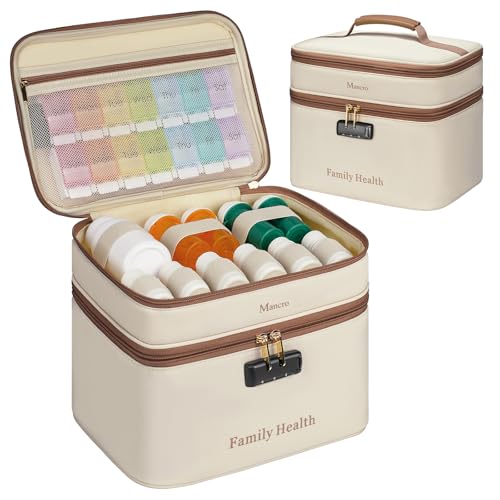
Mancro Lockable Medicine Bag, 2-Layer Pill Bottle Organizer Storage with Adjustable Dividers, Medication Travel Case for Pills, Vitamins & Supplements, Medicine Organizer for Dorm, Home Use and Trips
2-Layer medicine bag: The upper compartment features elastic loops to hold prescription bottles, pill bottles, vitamins, and supplements…
As an affiliate, we earn on qualifying purchases.
As an affiliate, we earn on qualifying purchases.