

To make planning that sticks, start by setting clear, achievable goals and breaking larger projects into smaller tasks. Use tools like planners or digital calendars to map out your day, assigning specific time slots. Focus on one task at a time and avoid multitasking to stay efficient. Developing a consistent schedule and reviewing your goals regularly help build good habits. Keep exploring further to discover even more effective strategies for strengthening your planning skills.
Key Takeaways
- Use specific, measurable goals to direct your study sessions effectively.
- Break large projects into manageable tasks with designated time slots for better focus.
- Develop a consistent schedule to turn planning into a habit, enhancing executive functioning.
- Incorporate AI tools for personalized schedule suggestions and real-time reminders.
- Regularly review and adjust goals to maintain motivation and ensure continuous progress.

Have you ever wondered why some students excel academically while others struggle despite putting in similar effort? The difference often lies in how effectively they manage their time and set goals. Mastering these skills can turn your study habits from chaotic to strategic, helping you stay on track and achieve your academic potential.
Time management is the foundation of successful studying. When you plan your day, you’re less likely to waste time or get overwhelmed by looming deadlines. Start by breaking down large projects into smaller, manageable tasks, and assign specific time slots to each. Use a planner or digital calendar to map out your day, and be realistic about how long tasks will take. This prevents procrastination and last-minute cramming, making your study sessions more productive. When you dedicate focused blocks of time, you’re less likely to be distracted, and you’ll find it easier to maintain momentum. Avoid multitasking; instead, give your full attention to one task at a time. Over time, developing a consistent schedule helps your brain anticipate study periods, turning effort into habit. Incorporating AI tools can further enhance your planning by suggesting optimal schedules and providing reminders, making your study routine even more efficient.
Alongside managing your time, goal setting provides clarity and motivation. Setting clear, achievable goals gives you direction and purpose in your studies. Instead of vague aims like “study math,” specify what you want to accomplish, such as “complete five algebra problems” or “review chapters 4 and 5.” Short-term goals keep you focused for each session, while long-term goals, like earning a certain grade or mastering a subject, keep you motivated over weeks or months. Write your goals down and review them regularly to track your progress. When goals are specific and measurable, you can celebrate small wins, which boost your confidence and encourage you to keep going. Make sure your goals are realistic; setting the bar too high can lead to frustration, while achievable goals build momentum and a sense of accomplishment.
Combining effective time management with goal setting creates a powerful framework for success. When you plan your study schedule around your goals, you ensure every session has a purpose. This structured approach minimizes wasted effort and maximizes learning. As you develop these skills, you’ll find that your ability to stay organized and motivated improves, making studying less stressful and more effective. Remember, the key isn’t just working hard, but working smart—by managing your time well and setting meaningful goals, you make your efforts count. Over time, these habits become second nature, empowering you to excel academically and build skills that extend beyond school.
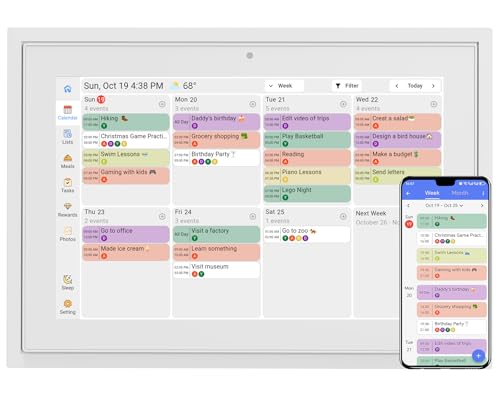
Digital Calendar 10.1 Inch Wall Planner Touch Screen WiFi Smart Electronic Planner with Third-Party Calendar Sync, Chore Tracker, Meal Plan Family Digital Picture Frame Gift for Mom Women wall calendar 2026
【Sync schedules & share memories】Digital calendar synchronizes with Google, iCloud, and Outlook to update schedules in real-time. You…
As an affiliate, we earn on qualifying purchases.
As an affiliate, we earn on qualifying purchases.
Frequently Asked Questions
How Can I Improve My Executive Function Skills?
To improve your executive function skills, focus on sharpening your time management and goal setting. Break tasks into smaller steps, set clear deadlines, and prioritize what’s most important. Use planners or digital tools to stay organized, and review your progress regularly. By consistently practicing these habits, you’ll strengthen your ability to plan, stay focused, and achieve your goals more efficiently. Keep track and adjust as needed for continued growth.
What Are Common Planning Mistakes Students Make?
You often make planning mistakes like underestimating the time needed for tasks or setting vague goals. You might skip prioritizing your assignments or fail to break big projects into manageable steps. To improve, focus on effective time management and clear goal setting. Create detailed schedules, set specific deadlines, and regularly review your progress. This helps you stay organized, reduces stress, and keeps your plans realistic and achievable.
How Do I Stay Motivated to Stick With Plans?
Think of motivation as a fire that needs fueling. To keep it burning, focus on effective time management and clear goal setting. Break big tasks into smaller, achievable steps, and celebrate each victory. Reminding yourself of the reasons behind your goals can reignite your passion. When you see progress, motivation naturally follows—making it easier to stick with your plans and turn your aspirations into reality.
Can Adults Benefit From These Planning Strategies?
Absolutely, adults can benefit from these planning strategies. By improving your time management skills, you’ll find it easier to stay organized and focused. Incorporating habit formation techniques helps make these strategies stick, turning good planning into automatic behavior. Consistently applying these methods boosts productivity, reduces stress, and builds confidence. So, whether you’re balancing work, family, or personal goals, these strategies can help you create lasting, effective plans.
What Tools or Apps Support Effective Planning?
Your planning game can skyrocket with digital planners and task management apps. These tools make organizing your day feel like a breeze, turning chaos into clarity. Apps like Todoist, Notion, and Google Calendar help you stay on top of deadlines and tasks effortlessly. With their intuitive interfaces and reminder features, you’ll wonder how you ever managed without them. Embrace these apps, and watch your productivity soar to new heights!

Goal Planning Notepad – A5 Goal Setting Journal For Project Action Plan,Task Management, Personal Development & Track Goals. Productivity Notepad For Daily Work & School – 54 Sheets
GOAL PLANNING NOTEPAD – The Goal setting notebook features a highly effective template that will help you to…
As an affiliate, we earn on qualifying purchases.
As an affiliate, we earn on qualifying purchases.
Conclusion
Remember, developing strong planning skills isn’t just about effort—it’s backed by science. Research shows that using strategies like breaking tasks into smaller steps and setting clear goals boosts your executive function, making your planning more effective. By consistently applying these techniques, you train your brain to become more organized and focused. So, don’t just believe in your potential—trust that proven methods can transform your study skills and help you succeed.

Original Student Calendar 2025/26: Time-management guide
As an affiliate, we earn on qualifying purchases.
As an affiliate, we earn on qualifying purchases.

My Study Life
Track your tasks – homework, assignments, reminders and revision. Store your tasks with ease in the cloud, accessible…
As an affiliate, we earn on qualifying purchases.
As an affiliate, we earn on qualifying purchases.