

To stay safe, follow graduated licensing rules and respect restrictions, like limits on nighttime driving and passengers. Keep your focus by avoiding phone use, such as texting or scrolling social media, which can distract you instantly. Managing your passengers by setting boundaries helps prevent risky behaviors and keeps your attention on the road. Building safe habits now sets you up for responsible driving later—if you want to learn more, there’s plenty to discover.
Key Takeaways
- Graduated driver licensing systems gradually introduce teens to driving with restrictions to reduce accident risk.
- Limiting phone use and avoiding distractions are critical for safe driving, especially for new drivers.
- Managing passenger presence and setting boundaries help prevent risky behaviors and maintain focus.
- Proper training emphasizes traffic rules, alertness, and responsible decisions to build lifelong safe driving habits.
- Respecting licensing restrictions, like nighttime and passenger limits, enhances safety and supports skill development.
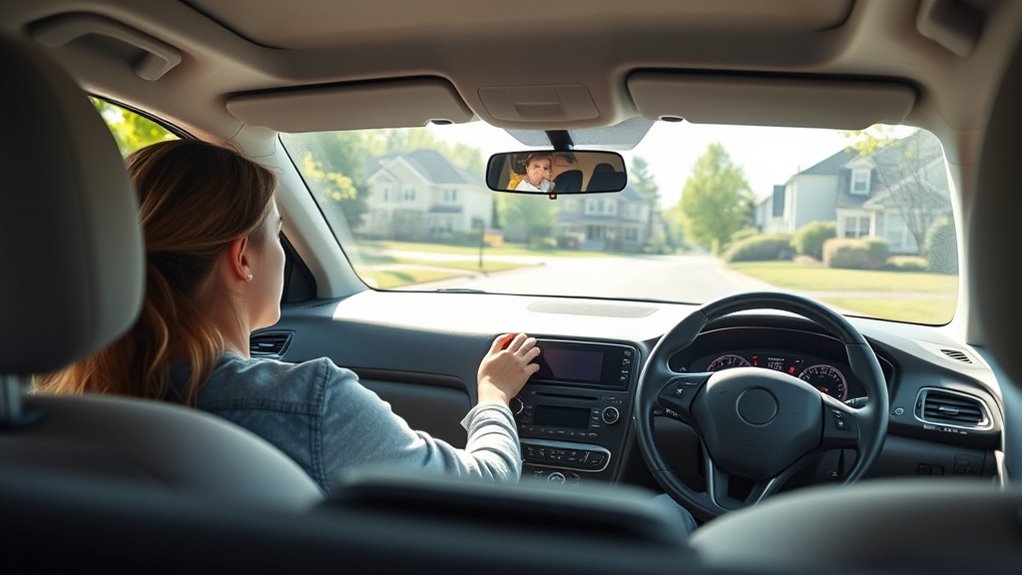
Have you ever wondered what it truly takes to stay safe behind the wheel? As a new driver, your journey begins with understanding the importance of proper training and awareness. Teen driver education plays an essential role in equipping you with the skills needed to navigate the roads responsibly. These programs don’t just teach you how to operate a vehicle; they also emphasize the dangers of distracted driving, alcohol, and speeding. When you complete an all-encompassing teen driver education course, you gain a solid foundation to build safe driving habits that can last a lifetime. Additionally, many communities run road safety campaigns that highlight common hazards and promote safe driving practices specifically targeted at teens. These campaigns use compelling messages and real-life stories to remind you of the risks and encourage responsible behavior. They serve as an ongoing reminder that safety isn’t just about knowing the rules—it’s about consistently applying them every time you get behind the wheel. Understanding graduated driver licensing systems is also crucial, as they introduce new drivers gradually to the responsibilities of driving, helping to reduce accidents and build confidence over time.
Graduated driver licensing systems are another essential aspect of staying safe. These systems gradually introduce new drivers to the road, allowing you to gain experience under less risky conditions. Typically, you start with a learner’s permit, then progress to an intermediate license before earning full driving privileges. This phased approach helps you develop skills and confidence incrementally, reducing the likelihood of accidents. During each stage, restrictions like limited nighttime driving and passenger limits are in place to keep you safe while you’re still learning. It’s important to respect these restrictions, as they’re designed to protect you and others. For example, having too many passengers or using your phone while driving can considerably increase your accident risk. That’s why understanding the importance of limiting distractions and avoiding risky situations is a cornerstone of responsible driving.
Your phone, in particular, is a major concern for teen drivers. Texting or browsing social media while behind the wheel can divert your attention in seconds, making it easier to overlook hazards or react too late. Many road safety campaigns have focused on this issue, emphasizing that your phone can wait until you’re parked. Staying focused on the road is one of the simplest yet most effective ways to prevent crashes. Passengers can also influence your driving behavior—whether they’re encouraging risky moves or distracting you altogether. Being mindful about who’s in the car with you and setting boundaries can help maintain your focus and guarantee everyone stays safe. Ultimately, mastering safe driving habits involves understanding and respecting the rules, staying alert, and making smart choices every time you get behind the wheel. Remember, your safety—and the safety of everyone around you—depends on your decisions.

Drivers Education Book: Adult Student Driving School Defensive Safety Course Drivers License Study Quiz Practice Questions Test Life Skills Workbook
As an affiliate, we earn on qualifying purchases.
As an affiliate, we earn on qualifying purchases.
Frequently Asked Questions
How Do Graduated Licensing Laws Vary by State?
You’ll find that licensing variations differ state by state, affecting how you progress through graduated licensing laws. Some states require new drivers to hold a learner’s permit for several months before advancing, while others allow quicker shifts. Restrictions on phone use and passenger limits also vary. You should check your state’s specific rules to understand what’s expected, ensuring you stay compliant and safe as you gain driving experience.
Are There Penalties for Violating Cellphone Restrictions?
Think of cellphone bans as a fortress guarding your focus on the road. If you violate these restrictions, you risk facing violation penalties—like losing your keys or facing fines—that can set you back. Many states enforce strict penalties for breaking cellphone restrictions, aiming to keep you safe. So, if you ignore the ban, you’re not just risking a fine but also your safety and that of others.
What Are the Safest Passenger Limits for New Drivers?
As a new driver, the safest passenger limit is typically one peer to reduce distractions and peer influence. Many teen passenger restrictions recommend no more than one passenger under 21 during the initial months of driving. Limiting passengers helps you stay focused on the road and avoid peer pressure that can lead to risky behaviors. Always follow your state’s specific teen passenger restrictions for maximum safety and to comply with graduated license rules.
How Effective Are Graduated Licenses in Reducing Accidents?
Graduated licenses considerably reduce accidents by limiting risky driving behaviors. For example, teen driver statistics show a 20% drop in crashes when graduated licensing laws are enforced. These laws often include license suspension for violations, encouraging safer habits early on. As a result, new drivers gain experience gradually, lowering their crash risk and making roads safer for everyone.
Can Parents Modify Driving Restrictions for Teen Drivers?
Yes, as a parent, you can modify driving restrictions for teen drivers through parental authority, but it depends on your state’s laws. Some areas offer license flexibility, allowing you to set additional limits on your teen’s driving, such as curfews or passenger restrictions. Always check local regulations and work with your teen to establish safe driving habits, ensuring they stay protected while gaining independence.

AGPTEK Car Speaker with Bluetooth 5.3, Hands Free Phone Kit for Calls, GPS & Music with TF Card Slot, Instant Connect, Siri Google Assistant Support Wireless Car Visor Clip Speakerphone (Black)
【CAR PHONE SPEAKER HANDSFREE】Built-in 3W microphone, based on excellent noise reduction and echo processing technology, will give you…
As an affiliate, we earn on qualifying purchases.
As an affiliate, we earn on qualifying purchases.
Conclusion
So, next time you think you’ve got it all under control behind the wheel, remember that simple rules and focused driving can actually save your life. Ironically, the very freedoms of driving—like chatting on your phone or carrying friends—are what can turn a fun ride into a tragedy. Stay smart, follow the rules, and don’t let a moment of distraction or reckless choice be your last. After all, safety isn’t just a rule—it’s your life.

No Speed Limit Race Car Signs – Vintage Metal Tin Signs For Boys Room, Man Cave, Car Themed Room
Vintage Car Themed Decor: This "No Speed Limit" metal tin sign adds a fun and retro touch to…
As an affiliate, we earn on qualifying purchases.
As an affiliate, we earn on qualifying purchases.

Qifutan Dash Mounted Holders Phone Holders for Your Car Phone Mount for Car Windshield Dashboard Air Vent Universal Desk Mounts Hands Free Automobile Cell Phone Holder Fit for iPhone Smartphone
Versatile Car Phone Mount: Cell phone car mount boasts premium suction strength and an upgraded air vent clip,…
As an affiliate, we earn on qualifying purchases.
As an affiliate, we earn on qualifying purchases.