

Colleges and employers see your digital footprint through your social media posts, photos, comments, and visited websites. They look for signs of maturity, professionalism, and responsibility, as well as any inappropriate or risky content that could raise concerns. Even private profiles can be accessed or shared. Managing your online presence proactively helps shape a positive reputation and reduces risks. If you want to learn how to take control of your digital image, keep exploring this topic.
Key Takeaways
- Colleges and employers review online activity to assess maturity, responsibility, and professionalism beyond application details.
- They may look at social media posts, photos, comments, and visited websites to gauge character and judgment.
- Inappropriate or risky content can negatively impact admissions or hiring decisions.
- Positive and responsible online presence can enhance reputation and improve chances of acceptance or employment.
- Many review privacy settings and may access publicly available content, emphasizing the importance of managing digital footprints proactively.

Every time you go online, you leave behind a digital footprint—traces of your activity that can be tracked, stored, and analyzed. These footprints include social media posts, comments, photos, and even the websites you visit. While it might seem harmless or even invisible, college admissions officers and employers can access and interpret this information. That’s why understanding what they see is essential, especially as it relates to your online reputation and privacy concerns.
Your online activity leaves a digital footprint that colleges and employers can access and interpret.
Colleges and employers often review your online presence to get a sense of who you are beyond your application. They look for signs of maturity, responsibility, and professionalism. Inappropriate posts, controversial opinions, or pictures that depict risky behavior can raise red flags, potentially harming your chances of acceptance or job offers. Conversely, a well-maintained online persona showing your achievements, interests, and positive engagement can work in your favor. It’s important to remember that what you post today might be viewed years from now, so managing your digital footprint proactively is fundamental.
Privacy concerns play a significant role in how your digital footprint is perceived. You might think your social media profiles are private, but many settings are easily adjustable, and information can still be accessed or shared without your knowledge. Even if your accounts are private, screenshots or third-party apps can compromise your privacy. This makes it imperative to think carefully before posting anything online. What seems like a harmless joke or casual comment could be misinterpreted, or worse, used against you later. Colleges and employers are increasingly aware of these privacy issues and often consider the broader picture of your online activity.
Your online reputation isn’t just about avoiding trouble; it’s about actively shaping how others perceive you. Think of your digital footprint as your personal brand. Every post, comment, or like contributes to that image. If you want to present yourself as responsible, respectful, and motivated, you need to curate your online activity accordingly. Regularly reviewing your profiles and removing outdated or inappropriate content can help maintain a positive online reputation.
Additionally, understanding cookie policies and how data is collected can help you make informed choices about your privacy and the information you share online.

DEFAULT IS EXPOSURE: 12 PRACTICAL TOOLS TO RECLAIM YOUR PRIVACY IN A SURVEILLANCE-DRIVEN WORLD
As an affiliate, we earn on qualifying purchases.
As an affiliate, we earn on qualifying purchases.
Frequently Asked Questions
How Can Students Proactively Manage Their Online Presence Effectively?
You can proactively manage your online presence by practicing privacy management, regularly reviewing and adjusting your privacy settings on social media. Be mindful of what you post and how it reflects your online branding, ensuring it aligns with your goals. Consistently update your profiles to showcase your skills and achievements. By controlling your digital footprint, you present a professional image that appeals to colleges and employers, boosting your chances of success.
What Are the Legal Rights Regarding Digital Footprints in Hiring Decisions?
You have legal rights regarding digital footprints in hiring decisions, mainly governed by privacy laws and consent requirements. Employers must follow these laws, meaning they can’t access or use your information without your consent where required. You should be aware that your online presence can be scrutinized, but they must respect your privacy rights. If they violate these regulations, you can challenge their decisions or seek legal recourse.
How Do Digital Footprints Vary Across Different Social Media Platforms?
Your digital footprints vary across social media platforms based on privacy settings and content visibility. On platforms like Facebook and Instagram, you might have more control over who sees your posts through privacy settings, while on Twitter, your tweets may be more public unless you adjust privacy options. Understanding each platform’s default visibility helps you manage your digital footprint, ensuring your online presence aligns with your desired privacy levels.
Can Employers Access Private Messages or Only Public Content?
Employers generally can’t access your private messages due to privacy concerns and data accessibility laws. They mostly see public content you post or share openly online. However, it’s essential to be aware that some employers might use third-party tools or legal means to review public social media activity. Always consider your digital footprint and remember that private messages might not stay private forever, so think twice before sharing sensitive or controversial information.
What Strategies Do Colleges Use to Assess a Student’s Online Reputation?
You might think colleges only look at your grades, but they also assess your online reputation through digital screening. They compare your public posts, photos, and activity to the personality you present offline. Using online reputation checks, they identify qualities like leadership, responsibility, and character. By juxtaposing your digital presence with your application, colleges gauge whether you’re a good fit, making digital screening a vital part of their evaluation process.

Fix Your Online Reputation: A guide to saving your brand online
As an affiliate, we earn on qualifying purchases.
As an affiliate, we earn on qualifying purchases.
Conclusion
Remember, your digital footprint is like a trail of footprints in the sand—once left behind, it’s hard to erase. Think about Sarah, who thought her casual social media posts were harmless until a college recruiter saw them and questioned her professionalism. Studies show that 70% of employers check applicants’ online presence. So, be mindful of what you share online; each post shapes your future just like footprints shape the path behind you.

Digital Footprint Mastery: A Comprehensive Guide to Online Reputation Management
As an affiliate, we earn on qualifying purchases.
As an affiliate, we earn on qualifying purchases.
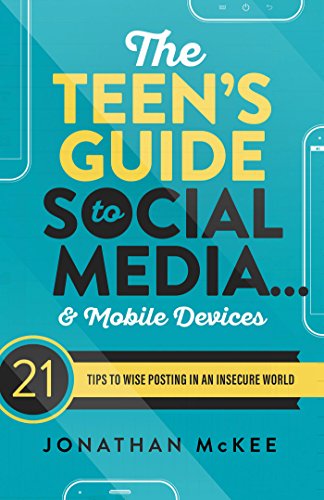
The Teen's Guide to Social Media… & Mobile Devices: 21 Tips to Wise Posting in an Insecure World
As an affiliate, we earn on qualifying purchases.
As an affiliate, we earn on qualifying purchases.