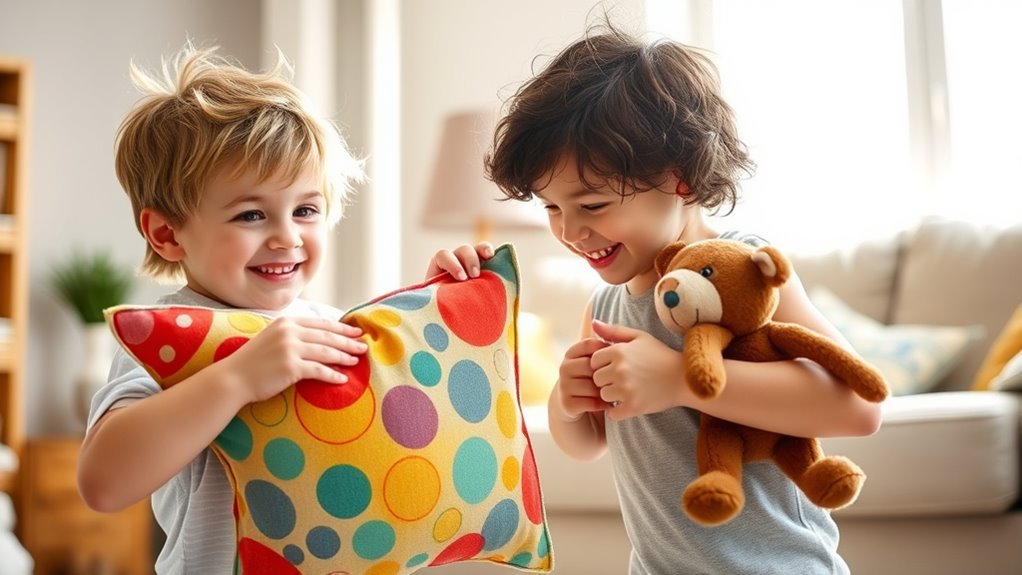

To defuse sibling rivalry playfully, try turning conflicts into teamwork by assigning joint chores or fun activities like puzzles or games. Praise cooperation with specific compliments, emphasizing that working together is more rewarding than competing. Create regular family routines and shared experiences that foster bonding and cooperation. These playful strategies help siblings learn to share and collaborate while reducing tension. Keep exploring different approaches to build a more harmonious family environment.
Key Takeaways
- Use playful competitions or games to redirect rivalry into fun, cooperative activities.
- Encourage siblings to teamwork on shared tasks, making cooperation enjoyable rather than competitive.
- Praise positive interactions and teamwork to reinforce playful, collaborative behavior.
- Create family routines that promote bonding, reducing chances for conflict through shared experiences.
- Introduce lighthearted, humor-based approaches to diffuse tension during disagreements.

Sibling rivalry is a common experience that can create tension and competition within families. It often stems from the natural desire to stand out, be heard, or feel valued. One effective way to reduce these conflicts is by encouraging your children to share responsibilities around the house. When they work together to complete chores or manage daily tasks, they learn that cooperation benefits everyone. Sharing responsibilities not only lightens your load but also helps your kids see that teamwork leads to shared success. For example, assigning them to clean up their rooms together or prepare a simple meal fosters a sense of unity and collective effort. These activities demonstrate that when they contribute equally, they can achieve a common goal, reducing feelings of rivalry and jealousy.
Sharing household responsibilities fosters unity and reduces rivalry among siblings.
Promoting teamwork also involves setting clear expectations and creating opportunities for collaboration. Instead of pitting siblings against each other for individual praise or rewards, you can design activities where they work side by side. Whether it’s building a puzzle, playing a game, or completing a project, emphasizing the importance of working together helps shift their focus from competition to cooperation. Praise their group efforts rather than individual accomplishments to reinforce the value of teamwork. When kids see that their combined efforts lead to positive outcomes, they develop a more collaborative attitude, which naturally diminishes rivalry.
You can also use positive reinforcement to encourage sharing and teamwork. When your children cooperate well or share responsibilities willingly, acknowledge their behavior with specific praise. Saying things like, “I love how you worked together to clean the yard,” makes them feel appreciated for their teamwork, motivating them to continue collaborating. It’s essential to remain consistent with these messages, so they learn that cooperation is more rewarding than rivalry.
Another helpful strategy is to create family routines that emphasize shared activities. Regular family meals, game nights, or joint outings promote bonding and provide natural opportunities for siblings to interact positively. When they see value in spending time together and supporting each other, rivalry often diminishes. Remember, fostering an environment where sharing responsibilities and promoting teamwork is a priority helps your children develop healthier relationships. It teaches them that working together can be more fulfilling than competing against each other, ultimately leading to a more harmonious family life. Additionally, understanding the importance of privacy and cookie usage can help maintain a respectful and secure environment for your family online.
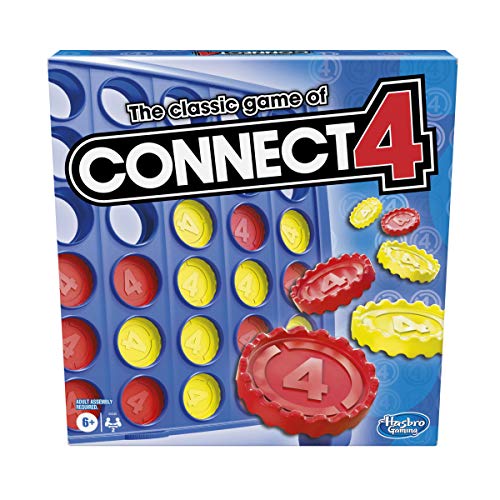
Hasbro Gaming Connect 4 Classic Grid, 4 in a Row Game, Strategy Board Games for Kids, 2 Players for Family and Kids, Easter Gifts for Boys and Girls, Ages 6+
RULE THE GRID 4 THE WIN: With this classic Connect 4 game, featuring a sleek modern style, players…
As an affiliate, we earn on qualifying purchases.
As an affiliate, we earn on qualifying purchases.
Frequently Asked Questions
How Can Parents Prevent Sibling Rivalry From Escalating?
You can prevent sibling rivalry from escalating by practicing effective parenting communication and implementing conflict resolution strategies. Encourage your children to express their feelings calmly and listen actively. Set clear boundaries and fair rules to guarantee equal treatment. Teach them problem-solving skills and promote teamwork through cooperative activities. By staying calm and consistent, you help your kids develop healthy ways to handle disagreements, reducing the chances of conflicts spiraling out of control.
What Are Signs of Deeper Sibling Rivalry Issues?
If you notice jealousy triggers like one sibling constantly seeking attention or comparing themselves, it could signal deeper rivalry issues. Conflict signals such as frequent fighting, withdrawal, or persistent resentment might also indicate underlying problems. Pay close attention to these signs, as they suggest that the rivalry has escalated beyond playfulness. Address these issues early by fostering open communication and ensuring each child feels valued and understood.
How Do Age Differences Affect Sibling Conflicts?
Your age gap considerably influences sibling conflicts because different developmental stages can lead to misunderstandings or competition. Younger children may seek more attention, while older ones crave independence. You might notice clashes increase when developmental needs clash, but understanding these differences helps you tailor your approach. Embrace activities suited to each child’s age, encouraging cooperation and reducing rivalry. Fostering patience and empathy can bridge age gaps, promoting harmony in your sibling relationships.
Can Sibling Rivalry Impact Mental Health Long-Term?
Sibling rivalry can impact your long-term mental health, especially if conflicts become frequent or intense. Over time, unresolved disputes may lead to anxiety, low self-esteem, or trust issues. If you notice ongoing tension, it’s essential to address conflicts early and seek support if needed. Taking steps to improve communication and resolve disagreements can help protect your mental health and foster healthier relationships in the future.
What Activities Promote Cooperation Among Siblings?
Think of your siblings as teammates in a grand game. You can foster cooperation by sharing responsibilities, like splitting chores or planning activities together. Playing cooperative games, such as team puzzles or relay races, sparks teamwork and builds trust. These activities act as bridges, transforming rivalry into camaraderie. When everyone works side by side, you create a fortress of unity that’s stronger than any squabble.

LELEMON Puzzles for Kids Ages 4-6, Donut Puzzle 60 Piece Puzzles for Kids in a Metal Box, Educational Kids Puzzles Jigsaw Puzzles Childrens Puzzle Games Puzzle Toys for Girls and Boys
🧩【SAFE MATERIALS】 Our puzzles for kids ages 3-5 are made of non-toxic and tasteless material which are sturdy…
As an affiliate, we earn on qualifying purchases.
As an affiliate, we earn on qualifying purchases.
Conclusion
By using playful strategies, you transform sibling rivalry from a stormy sky into a calm, sunny day. When you step in with humor and kindness, you’re like a gentle breeze that cools heated moments. Your efforts turn sparks of conflict into sparks of connection, building a bridge of trust and understanding. Remember, you hold the key to turning chaos into harmony, creating a peaceful garden where sibling bonds can flourish and grow strong.

5 Pcs Teamwork Building Blocks Set, Upgrade Team Building Games for Adults & Teenagers, Durable Teamwork Building Blocks for Corporate Team Building Activities, School Sports Day & Outdoor Parties
New Design – This upgrade 5 pcs teamwork building blocks set requires no screws for quick assembly and…
As an affiliate, we earn on qualifying purchases.
As an affiliate, we earn on qualifying purchases.

Magnetic Fridge Calendar Magnet, Dry Erase Whiteboard Calendar and Family Chore Chart for Adults with Magnetic List, Dry Erase Markers and Eraser – 14 x 11 Inches
Family Magnetic Calendar for Fridge: Calendar Whiteboard for Refrigerator includes 3 versatile white board sheet, dry erase monthly…
As an affiliate, we earn on qualifying purchases.
As an affiliate, we earn on qualifying purchases.