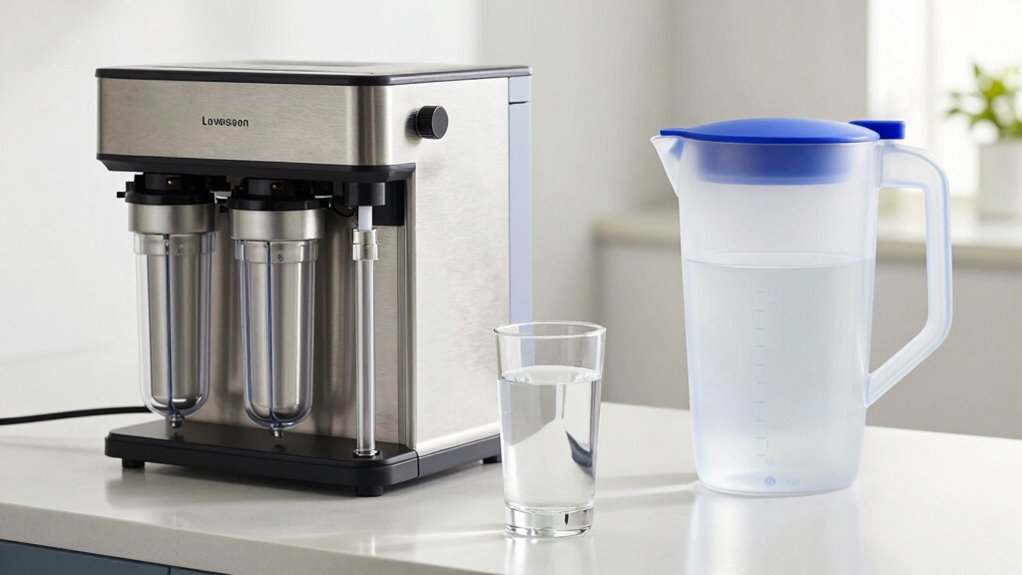

With a reverse osmosis system, you get thorough removal of contaminants like bacteria, viruses, heavy metals, and chemicals, but it can also strip away minerals that affect taste and health. Pitcher filters mainly target chlorine and particulates, leaving other pollutants and minerals mostly intact. If you want to know what’s really in your water and how each system performs, keep exploring—they each offer different benefits and limits.
Key Takeaways
- Reverse osmosis removes a wide range of contaminants, including bacteria, viruses, heavy metals, and chemicals, offering more comprehensive purification than pitchers.
- Pitcher filters mainly reduce chlorine and particulates, with limited ability to remove dissolved chemicals, viruses, or bacteria.
- RO systems can strip minerals from water, potentially affecting taste and health, while pitchers generally preserve natural mineral content.
- Both systems require regular maintenance; improper care can lead to bacterial growth and decreased water safety.
- RO filters produce wastewater and are more costly and complex, whereas pitchers are affordable, portable, and easier to use.

iSpring RCC7AK, NSF Certified, 75 GPD, Alkaline 6-Stage Reverse Osmosis System, pH+ Remineralization RO Water Filter System Under Sink, Patented Top-Mounted Faucet Design for Easy Installation
PATENTED DESIGN – The top-mounted fastener allows for easy countertop installation entirely from above, eliminating the hassle of…
As an affiliate, we earn on qualifying purchases.
As an affiliate, we earn on qualifying purchases.
What Are the Main Differences Between Reverse Osmosis and Pitcher Water Filters?
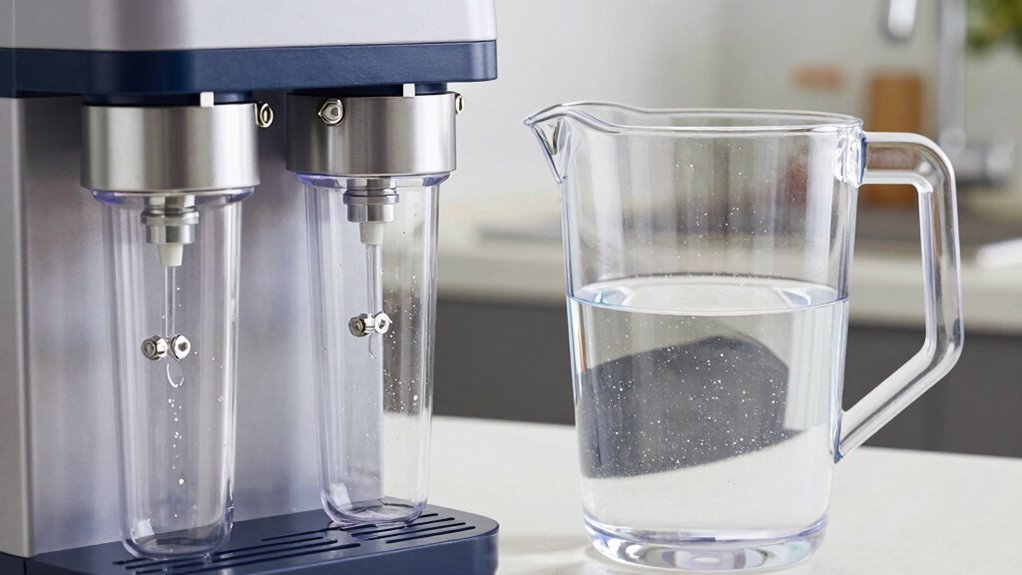
While both reverse osmosis and pitcher water filters improve water quality, they differ considerably in how they do so. Reverse osmosis systems effectively remove a wide range of contaminants, leading to a cleaner taste and better overall water quality. Pitcher filters, on the other hand, mainly target chlorine and particulates, offering a simpler, more affordable option. In terms of water taste, reverse osmosis often produces crisper, more invigorating water due to its thorough filtration. When considering environmental impact, pitcher filters generate less waste and require less energy, making them eco-friendlier. Reverse osmosis systems typically produce wastewater during filtration, which can be a concern. Your choice depends on balancing taste preferences with environmental considerations and the level of filtration needed.

Clearly Filtered No.1 Filtered Water Pitcher/Updated Model/Targets 365+ Contaminants e.g. Fluoride Chlorine PFAS Microplastics Lead Arsenic BPA/BPS Free (Pitcher Includes 1 Filter)
NEW DESIGN August 2024 Clearly Filtered Water Pitcher – It’s time to protect yourself with healthy hydration. Hazardous…
As an affiliate, we earn on qualifying purchases.
As an affiliate, we earn on qualifying purchases.
How Effective Are These Filters at Removing Contaminants Like Lead and Chlorine?
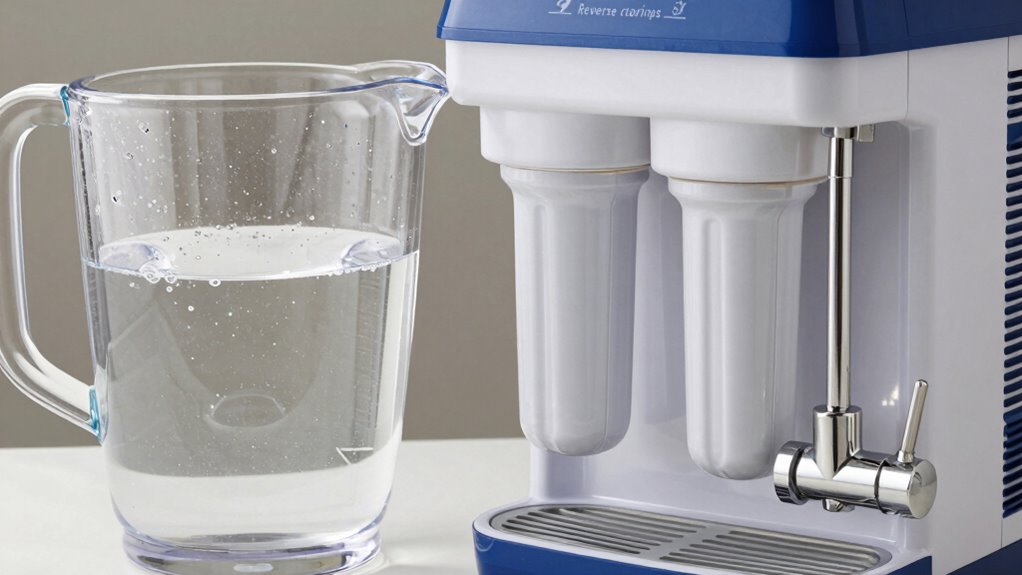
How well do reverse osmosis and pitcher filters remove contaminants like lead and chlorine? Their filtration efficiency varies, but both systems target common water pollutants effectively. Typically, reverse osmosis systems excel at contaminant removal, reducing lead and chlorine to very low levels, thanks to their multi-stage process. Pitcher filters also improve water quality but may be less consistent. Consider these points:
- Reverse osmosis systems filter out over 99% of lead and chlorine due to their advanced membrane technology.
- Pitcher filters often remove around 80-90% of chlorine and some lead, depending on filter quality.
- Filtration efficiency depends on maintenance; clogged or expired filters lower contaminant removal effectiveness.
- Regular replacement of filters ensures optimal filtration performance and continued removal of harmful substances.
- The effectiveness of both systems can be influenced by contaminant levels in your water supply, which varies by location.
- Additionally, understanding the filtration process helps consumers choose the best system for their specific needs. Proper maintenance and timely filter changes are essential to maintain high contaminant removal efficiency.
- Recognizing the different types of contaminants targeted by each system can further aid in selecting an appropriate water filter. Ultimately, both types improve water safety, but reverse osmosis offers superior contaminant removal for substances like lead and chlorine.

Brita Filter Replacements for Water Pitchers and Dispensers, Elite, NSF Certified to Remove 99% of Lead, 2 Count, Blue
Get cleaner*, great-tasting, water without the waste with Brita Elite water filter replacements; you can save money and…
As an affiliate, we earn on qualifying purchases.
As an affiliate, we earn on qualifying purchases.
What Are the Limitations of Pitcher Filters for Water Purification?
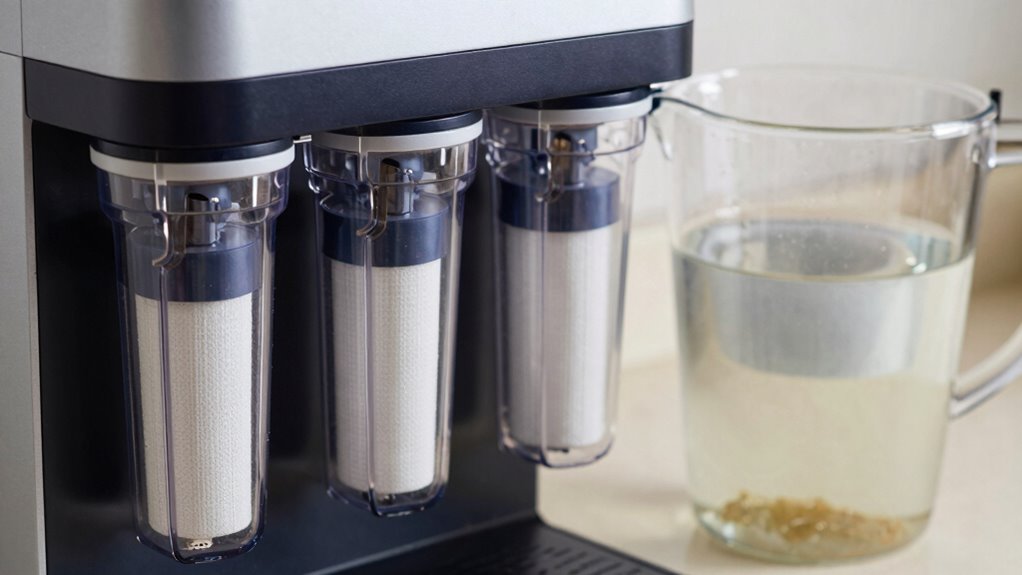
Pitcher filters have limited filtration capabilities, so they might not remove all contaminants from your water. They also can become breeding grounds for bacteria if not cleaned regularly. These limitations mean they may not always provide the level of purification you need. Additionally, some reputable Gold IRA markets offer advanced filtration solutions that can better address water purity concerns. Proper maintenance and understanding of filtration limitations can help ensure safer drinking water. Moreover, understanding the types of contaminants that can be present in tap water can help you choose the most effective filtration method for your needs. Being aware of advanced filtration options can further enhance water quality beyond basic pitcher filters.
Limited Filtration Capabilities
Although pitcher filters are convenient and easy to use, they have significant limitations when it comes to thorough water purification. Their filtration limits mean you can’t remove all contaminants, affecting water quality. Here are some key points to think about:
- They typically target chlorine, sediment, and some metals, but often miss viruses, bacteria, and dissolved chemicals.
- The filter lifespan is limited, requiring frequent replacements to maintain ideal performance.
- They rely on a single filtration stage, which isn’t enough to eliminate complex pollutants or improve water taste and odor fully.
These filtration limits mean your pitcher might not provide the clean water you expect, especially if you need higher water quality standards.
Potential Bacterial Growth
Even with their convenience, pitcher filters can harbor bacteria if not maintained properly. Bacterial contamination can occur when residual moisture remains in the filter or pitcher, creating an ideal environment for bacteria to grow. Over time, biofilm formation can develop on the filter surfaces, shielding bacteria from cleaning efforts and reducing filtration effectiveness. This buildup not only compromises water quality but also increases the risk of consuming contaminated water. Regular cleaning and timely filter replacement are essential to prevent bacterial growth, but many users overlook this step. Pitcher filters lack the advanced sterilization capabilities of other systems, making them more vulnerable to bacterial contamination. Understanding bacterial growth mechanisms is crucial for maintaining water safety. Additionally, filter material properties influence how susceptible your pitcher is to bacterial colonization, emphasizing the importance of choosing high-quality filters. Proper maintenance routines, including thorough cleaning of all components, can significantly extend the lifespan of your filtration system and ensure continued water purity. Moreover, selecting filters with antimicrobial properties can help reduce the risk of bacterial buildup and improve overall water safety. Incorporating regular sanitization practices, such as disinfecting the pitcher and replacing filters promptly, can further mitigate bacterial risks and promote healthier drinking water.
iSpring RCC7AK, NSF Certified, 75 GPD, Alkaline 6-Stage Reverse Osmosis System, pH+ Remineralization RO Water Filter System Under Sink, Patented Top-Mounted Faucet Design for Easy Installation
PATENTED DESIGN – The top-mounted fastener allows for easy countertop installation entirely from above, eliminating the hassle of…
As an affiliate, we earn on qualifying purchases.
As an affiliate, we earn on qualifying purchases.
How Well Do Reverse Osmosis and Pitcher Filters Remove Common Water Pollutants?
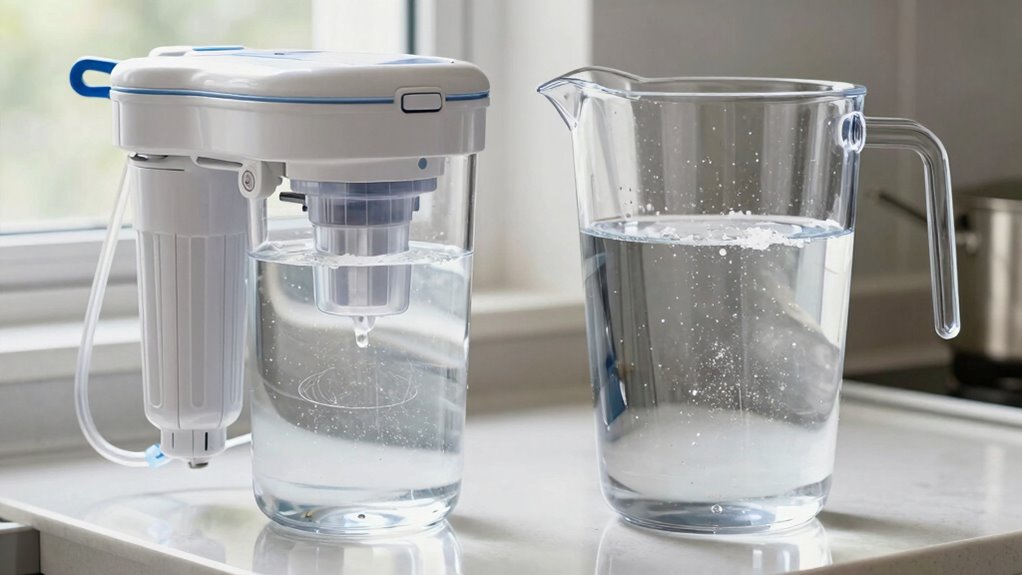
Reverse osmosis systems are highly effective at removing a wide range of common water pollutants, including bacteria, viruses, heavy metals, and chemicals like nitrates and pesticides. They excel in bacterial removal, ensuring your water is safer to drink. However, they also retain essential minerals, so your water isn’t completely stripped of beneficial nutrients. When comparing filtration options, consider these points:
- Reverse osmosis offers superior bacterial removal but may require remineralization.
- Pitcher filters generally remove chlorine and sediments but are less effective against viruses and heavy metals.
- Both systems can improve taste and odor, but their pollutant removal capabilities vary profoundly.
- Additionally, reverse osmosis water purification systems can generate significant wastewater, which is an important factor to consider for environmental impact.
- It’s also worth noting that some water treatment methods preserve beneficial minerals, which can be important for overall health.
- Understanding the filtration technology behind each system can help you choose the most suitable option for your needs.
Furthermore, considering the environmental impact of each system can guide you toward more sustainable choices. Ultimately, your choice depends on which pollutants you want to target and your preference for mineral retention in your water.
What Are the Pros and Cons of Reverse Osmosis Systems Versus Pitcher Filters?
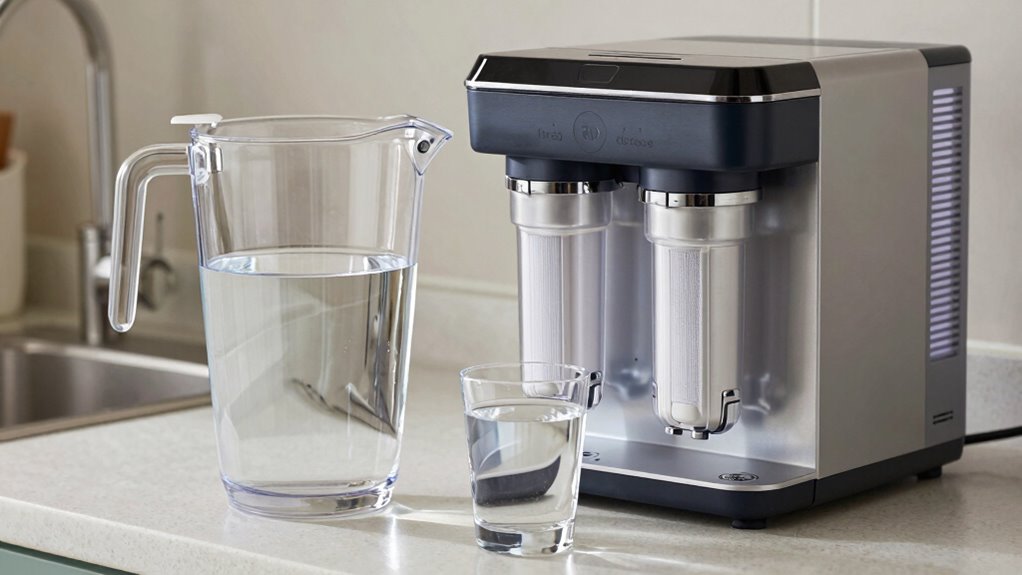
When choosing between reverse osmosis systems and pitcher filters, understanding their respective advantages and disadvantages can help you make an informed decision. Reverse osmosis systems excel at mineral removal and water softening, providing cleaner, tastier water by removing a wide range of contaminants. However, they can be expensive, require regular maintenance, and waste some water during filtration. Pitcher filters are more affordable, portable, and easy to use, making them convenient for everyday use. They typically remove chlorine, sediments, and some heavy metals but are less effective at water softening and mineral removal. This means your water may retain minerals like calcium and magnesium, which can affect taste and lead to buildup in appliances. Additionally, filter lifespan is an important factor to consider, as it impacts maintenance frequency and overall effectiveness. Your choice depends on your priorities around water quality, cost, and convenience.
How Do Cost, Maintenance, and Convenience Compare?
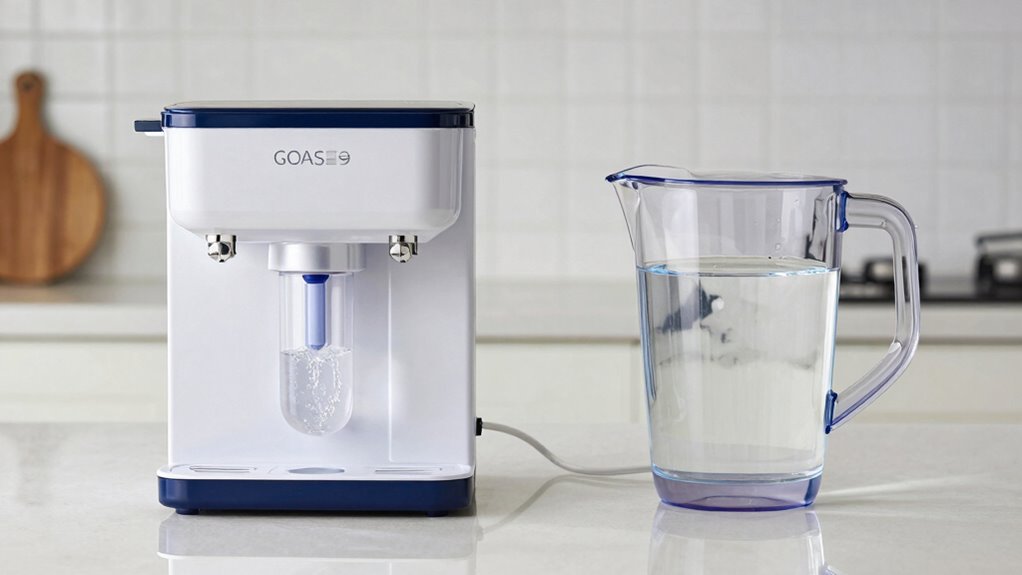
When comparing reverse osmosis systems and pitcher filters, you’ll want to contemplate the initial costs, ongoing maintenance, and how easy they are to use daily. RO units typically cost more upfront but may require more upkeep, while pitchers are usually cheaper and simpler to maintain. Understanding these differences can help you choose the option that best fits your budget and lifestyle. Additionally, consider the filtration efficiency of each system to ensure you’re effectively removing contaminants from your water. Furthermore, evaluating the performance cookies related to water quality can provide insights into how well each system maintains consistent filtration standards. It’s also important to assess the long-term durability of the filters and components to determine which system offers better value over time. Being aware of the cost-benefit analysis can help you make an informed decision aligned with your needs and priorities. Incorporating maintenance routines and understanding the lifespan of filters can further aid in choosing a system that supports your health and wellness goals.
Initial Purchase Cost
Initially, the cost difference between reverse osmosis systems and pitcher filters is significant. The upfront expense for a reverse osmosis system can range from $200 to $600, representing a larger initial investment. In contrast, pitcher filters are much more affordable, typically costing between $20 and $50. Consider these points:
- Reverse osmosis systems require a higher initial investment but offer long-term savings through better filtration and durability.
- Pitchers are budget-friendly upfront but may need frequent replacements, increasing ongoing costs.
- Your decision depends on balancing the initial purchase cost against convenience, maintenance, and water quality needs.
- Incorporating filtration system maintenance into your planning ensures sustained water quality and system performance.
Understanding these differences helps you choose the right option based on your budget and water quality expectations.
Ongoing Maintenance Effort
While reverse osmosis systems generally require more effort to maintain over time, they tend to offer longer-lasting filters and fewer replacements, which can reduce ongoing costs. With proper upkeep, the filter lifespan is typically longer, meaning you won’t need to replace filters as often. Additionally, filter lifespan can be extended with proper maintenance practices and quality installation. Regular inspections can help identify potential issues early, further preventing costly repairs. Moreover, the maintenance schedule for RO systems often includes specific cleaning and sanitizing routines that help maintain optimal performance. However, the maintenance process involves regular cleaning and occasional parts replacement, making it more hands-on compared to pitcher filters. Pitchers usually need more frequent filter replacements, often every 2-3 months, but the process is simple and low effort. In contrast, RO systems might require annual or semi-annual maintenance, including sanitizing and filter changes. Implementing preventative maintenance can significantly extend the lifespan of your RO unit and improve its efficiency. Overall, while RO systems demand a higher commitment, their fewer replacements can lead to lower long-term expenses and less frequent upkeep. Additionally, well-drained soil and proper installation can extend the lifespan of your RO unit and improve its efficiency.
Ease of Use
Choosing between reverse osmosis systems and pitcher filters largely depends on how much effort and convenience you want. Reverse osmosis systems require professional filter installation and involve regular maintenance, but they deliver consistently better water taste. Pitcher filters, on the other hand, are simple to use and require minimal effort, making them ideal for quick, everyday use. Consider these points:
- Reverse osmosis systems demand more time for setup and upkeep.
- Pitchers are portable and require no installation, offering instant convenience.
- Water taste improves with both, but reverse osmosis often provides a cleaner, crisper flavor due to thorough filtration.
Ultimately, your choice hinges on balancing effort with the quality of water you desire.
How Do You Choose the Right Water Filter for Your Needs?
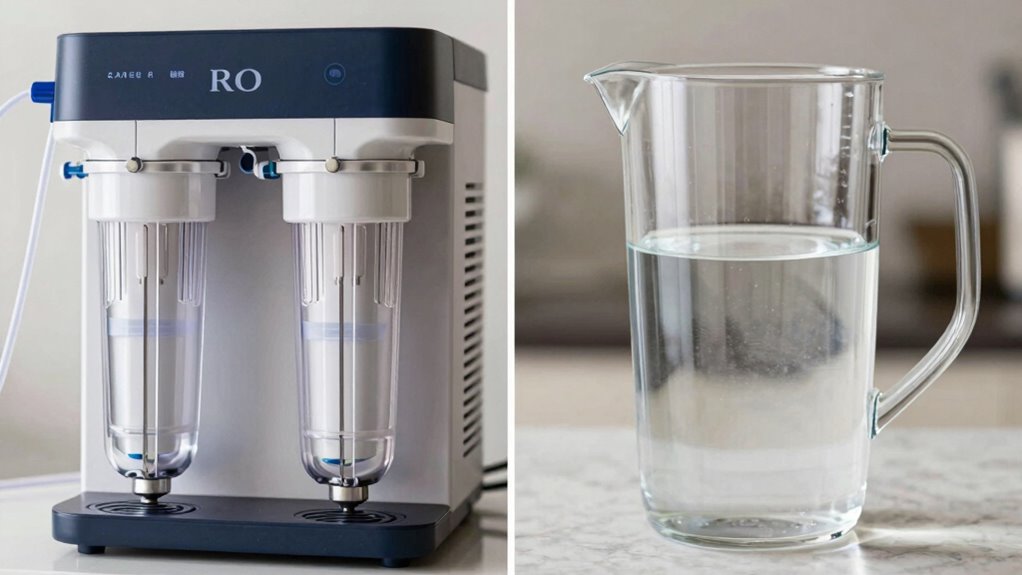
Selecting the right water filter depends on understanding your specific needs and water quality. First, evaluate what contaminants are in your water—hardness, chlorine, or heavy metals—and choose a filter designed to target those. Also consider filter lifespan; some systems require more frequent replacements, impacting long-term costs. Use this quick reference:
| Water Quality Concern | Recommended Filter Type | Filter Lifespan |
|---|---|---|
| Chlorine taste | Pitcher filters | 2-3 months |
| Heavy metals | Reverse osmosis system | 6-12 months |
| Hard water | Multi-stage filtration | 6-12 months |
Matching your water quality needs with filter capabilities guarantees clean, safe water and cost-effective maintenance.
Tips for Maintaining and Getting the Most Out of Your Water Filtration System
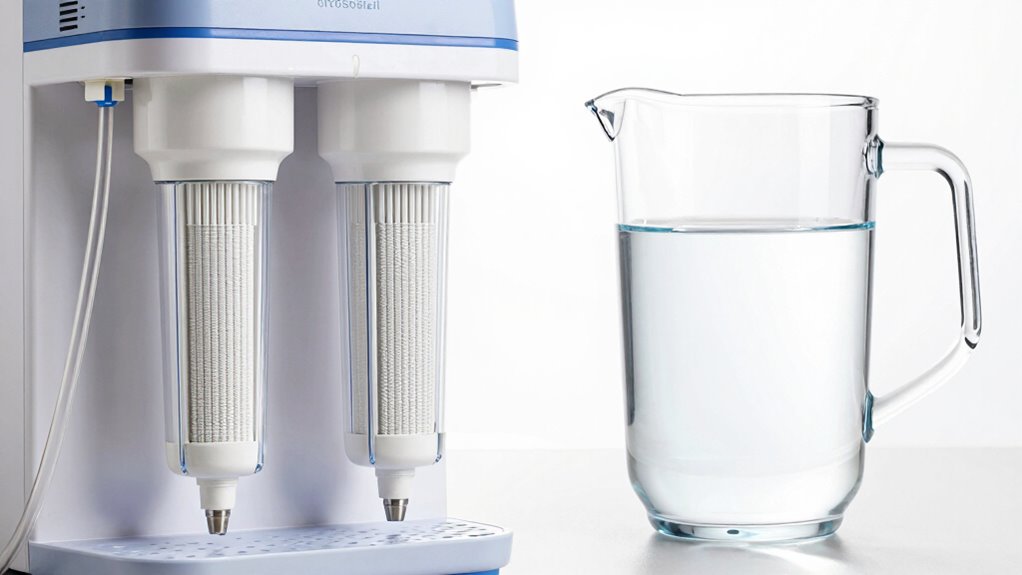
Regular maintenance is essential to keep your water filtration system working efficiently and guarantee you continue to enjoy clean, safe water. To maximize water taste and mineral retention, follow these tips:
Keep your water pure and flavorful with regular system maintenance and filter replacement.
- Replace filters regularly: This prevents buildup and ensures your system effectively removes contaminants, maintaining ideal water taste.
- Clean your system as recommended: Regular cleaning prevents mineral deposits that can impair filtration performance and affect water quality.
- Monitor water quality: Test your water periodically to check mineral levels and adjust your system if necessary, ensuring consistent taste and mineral retention.
Frequently Asked Questions
How Long Do Reverse Osmosis and Pitcher Filters Typically Last?
You can expect the filter lifespan for reverse osmosis systems to be around 2 to 3 years, while pitcher filters usually need replacements every 2 to 3 months. To maintain peak water quality, monitor the replacement frequency and follow the manufacturer’s recommendations. Regularly changing your filters ensures your system continues to effectively remove contaminants, providing you with fresh, clean water and protecting your health.
Can Pitcher Filters Effectively Remove Viruses From Water?
Did you know that most pitcher filters aren’t designed for viral filtration? They can considerably reduce bacteria and sediments, but their limitations mean they often can’t effectively remove viruses from water. For full viral protection, you need specialized filters like UV or reverse osmosis systems. Relying solely on pitchers may leave you exposed to potential health risks, so consider upgrading if viral safety is a priority.
Are There Any Health Risks Associated With Using Reverse Osmosis Systems?
You might face some health risks with reverse osmosis systems if they remove beneficial minerals along with contaminants. This can lead to mineral deficiencies or an unbalanced pH level in your water. While they excel at contaminant removal, it’s important to monitor mineral intake and consider remineralization options. Overall, proper maintenance minimizes health implications, but being aware of potential risks helps you make informed choices about your water quality.
How Do Water Flow Rates Compare Between These Filtration Options?
They say “time is money,” so understanding flow rate matters. Reverse osmosis systems typically have a slower filtration speed, often taking 2-4 hours to produce a gallon. Pitcher filters usually offer a faster flow rate, providing clean water in just minutes. Your choice depends on whether you prefer quick access or thorough filtration, but keep in mind, a higher flow rate often means less contact time for filtration.
What Environmental Impacts Are Linked to Reverse Osmosis and Pitcher Filters?
You should know that reverse osmosis systems produce wastewater, which can contribute to water waste and environmental strain. Additionally, many pitcher filters rely on plastic components that add to plastic waste, especially when replaced frequently. Both options have environmental impacts, but reducing waste and choosing eco-friendly products can help minimize your footprint. Being mindful of these factors helps you make more sustainable choices in your water filtration.
Conclusion
Choosing between reverse osmosis and pitcher filters is like finding the perfect balance in a delicate dance. Both can help you enjoy clearer, fresher water, but each has its own rhythm and pace. By understanding their strengths and limits, you can make a choice that fits your lifestyle. With a little care and attention, your water can become a quiet, steady stream of purity, nourishing you softly and confidently every day.