

When your child backtalks, respond calmly and respectfully by setting clear boundaries and explaining why respectful communication matters. Model calm behavior yourself and listen actively to understand their feelings. If they test limits, gently remind them of expectations and reinforce respectful dialogue. Use repair moments to reassure and strengthen your relationship, showing that conflicts can be resolved kindly. If you want strategies to handle backtalk effectively, exploring ways to set boundaries and repair can help you foster healthier communication.
Key Takeaways
- Model calm, respectful responses and active listening to validate children’s feelings and prevent escalation.
- Clearly set and consistently enforce boundaries while explaining their importance with kindness.
- Acknowledge emotions without blame, redirect to solutions, and avoid sarcasm or blame in addressing backtalk.
- Use gentle gestures or words to reinforce respectful communication and demonstrate conflict resolution skills.
- Repair relationships afterward with reassurance and positive reinforcement to maintain trust and promote respectful dialogue.

When your child backtalks, it can be tempting to react with anger or frustration, but responding respectfully can prevent escalation and teach better communication. Children often test boundaries as they develop their emotional intelligence, and how you handle these moments influences their understanding of respectful conflict resolution. Instead of reacting impulsively, take a breath and model the calm, respectful response you’d like to see in them. This approach not only defuses tension but also demonstrates how to navigate disagreements healthily.
By maintaining your composure, you send a clear message that even when disagreements arise, respect remains essential. When you listen actively to what your child is saying, you validate their feelings, which helps them feel understood rather than dismissed. This validation fosters emotional intelligence by encouraging them to recognize and articulate their emotions. It also opens the door to constructive dialogue, where both of you can explore the issue without hostility.
Active listening and validation foster emotional intelligence and open constructive, respectful dialogue.
Setting firm boundaries is vital, but it’s equally important to do so with kindness. Clarify your expectations and explain the reasons behind them. For example, if your child responds disrespectfully, calmly remind them of the importance of respectful communication and the consequences of their words. This consistency reinforces boundaries and teaches that respect is non-negotiable in your relationship, even during disagreements. When you uphold these boundaries with patience, you model conflict resolution skills that your child will carry into their interactions with others.
If your child backtalks, avoid escalating the situation with blame or sarcasm. Instead, acknowledge their feelings and redirect the conversation toward a solution. For instance, you might say, “I see you’re upset, but it’s not okay to speak that way. Let’s talk about what’s bothering you calmly.” This approach not only sets boundaries but also emphasizes problem-solving over confrontation. When you repair the situation afterward—perhaps with a gentle hug or a reassuring word—you reinforce that conflicts can be resolved respectfully and that your relationship remains strong despite disagreements.

The Big Feelings Book for Children: Mindfulness Moments to Manage Anger, Excitement, Anxiety, and Sadness
As an affiliate, we earn on qualifying purchases.
As an affiliate, we earn on qualifying purchases.
Frequently Asked Questions
How Can I Prevent Backtalk From Escalating?
To prevent backtalk from escalating, stay calm and set clear boundaries. Use emotional awareness to recognize your child’s feelings and respond thoughtfully. Model respectful behavior by speaking calmly and listening actively. When you maintain consistency and avoid reacting emotionally, your child learns healthier communication patterns. This approach helps de-escalate situations early and encourages your child to express themselves respectfully, reducing the likelihood of backtalk spiraling out of control.
What Are Effective Ways to Set Boundaries Calmly?
You can set boundaries calmly by practicing assertive listening, which shows you’re attentive and respectful. Clearly state your expectations without raising your voice, using calm reinforcement to emphasize your points. Maintain a steady tone, make eye contact, and avoid blame or harsh language. This approach helps the other person understand your limits without feeling attacked, fostering mutual respect and reducing the chance of backtalk escalating.
How Do I Rebuild Trust After a Heated Exchange?
Think of trust rebuilding as tending to a delicate garden after a storm. You nurture emotional repair by openly acknowledging feelings, listening actively, and showing consistency. Apologize sincerely if needed, and give time for healing. You create a safe space where honesty blooms again. With patience and genuine effort, you’ll restore trust, allowing your relationship to grow stronger even after the toughest exchanges.
What Role Does Empathy Play in Responding to Backtalk?
Empathy’s importance in responding to backtalk is vital because it helps you understand the underlying emotions behind the words. By showing emotional understanding, you can stay calm and avoid escalating the situation. When you acknowledge feelings without judgment, you create a safe space for open communication. This approach fosters trust, encourages respect, and helps repair the relationship, making it easier to address issues constructively and rebuild connection.
How Can I Teach Children Respectful Communication?
Imagine planting a tree of understanding. To teach children respectful communication, you nurture their emotional intelligence and model active listening. Encourage them to express feelings calmly and listen carefully. Praise their efforts to respect others, just like watering a sapling. When conflicts arise, guide them to respond kindly and repair hurt feelings. This way, they learn empathy and respectful dialogue, helping them grow into thoughtful, considerate individuals.
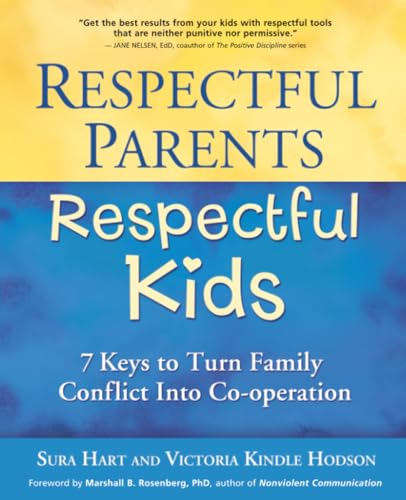
Respectful Parents, Respectful Kids: 7 Keys to Turn Family Conflict into Cooperation
Used Book in Good Condition
As an affiliate, we earn on qualifying purchases.
As an affiliate, we earn on qualifying purchases.
Conclusion
Remember, setting boundaries and responding respectfully is like tending a delicate garden; with patience and care, it grows stronger. When you handle backtalk calmly, you’re nurturing trust and understanding, allowing your relationship to flourish despite the weeds of conflict. Every respectful reply is a drop of water that sustains growth, even in difficult moments. Keep tending your garden with kindness and consistency, and you’ll cultivate a space where mutual respect blossoms into a beautiful, resilient bond.
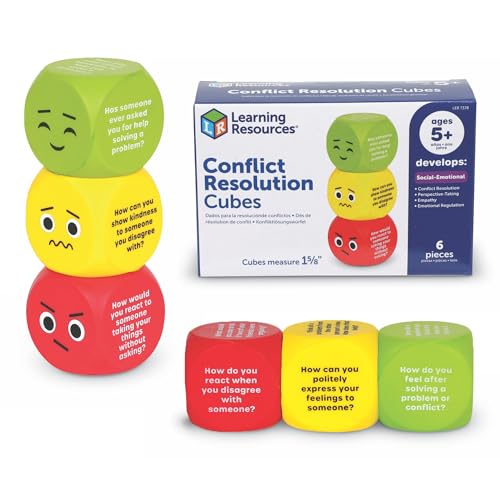
Learning Resources Conflict Resolution Cubes – Conversation Starter Cubes, Therapy Games for Kids, Social Skills Cards, Social Emotional Learning Games, Table Questions for Family Dinner
LEARNING CONVERSATION CUBES: Kids roll colorful cubes and explore 30 prompts while building communication skills; perfect for conversation…
As an affiliate, we earn on qualifying purchases.
As an affiliate, we earn on qualifying purchases.
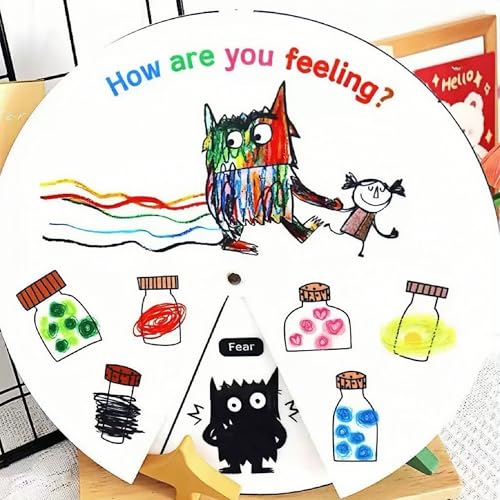
ShaoAngDuoMi Felt Color Monster Emotion Wheel – Montessori Social-Emotional Learning Toy for Kids – Interactive Parent-Child Communication Tool & Classroom Emotional Education Game
1 Fun Emotional Cognition – Cute little monster designs and color bottles turn abstract feelings into a playful…
As an affiliate, we earn on qualifying purchases.
As an affiliate, we earn on qualifying purchases.