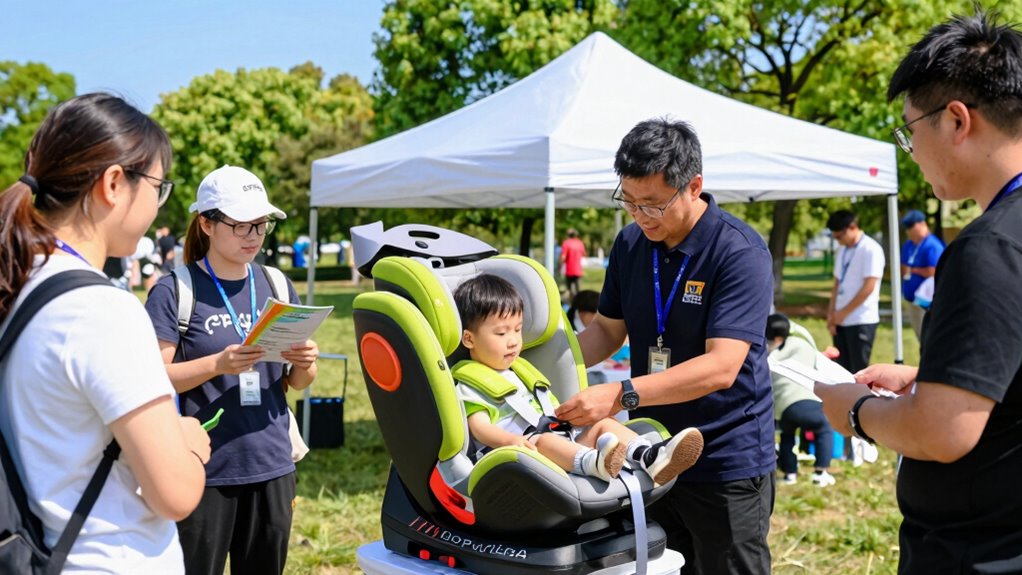

To find free car‑seat checks near you, start by checking local hospitals, fire stations, or community centers. Use trusted websites like Safe Kids or NHTSA to locate upcoming events and schedule an appointment with a certified Child Passenger Safety Technician (CPST). Be sure to prepare your child’s seat and gather any accessories needed. If you want to learn more about booking your appointment and what to expect, keep exploring the options available in your area.
Key Takeaways
- Locate nearby certified Child Passenger Safety Technicians (CPST) through trusted resources like Safe Kids, NHTSA, or local community programs.
- Schedule appointments via online directories, community centers, or by contacting local fire or police departments.
- Prepare child’s details, seat type, and concerns to ensure a tailored and efficient safety check.
- Confirm appointment details and bring accessories or documentation, such as seat labels, for a thorough inspection.
- Attend the scheduled appointment for a professional assessment of seat installation, fit, and safety tips.

Car Seat Latch Anchor Kit – Converts Older Cars to ISOFIX Compatibility Interface, Child Safety Car Seat Adapter Tether Bracket Mount for Vehicles Heavy-Duty Steel Easy Install (Check Size Before Buy)
ISOFIX ADAPTER: Enables secure installation of ISOFIX child safety seats in vehicles WITHOUT built-in ISOFIX anchors. Give older…
As an affiliate, we earn on qualifying purchases.
As an affiliate, we earn on qualifying purchases.
Why a Free Car‑Seat Check Matters for Your Child’s Safety
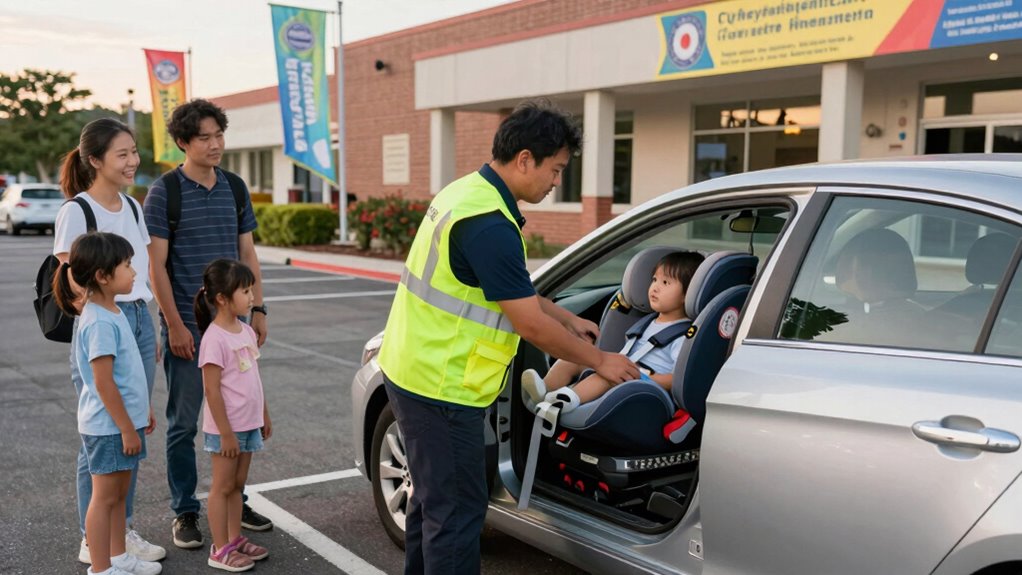
Ensuring your child’s car seat is properly installed is crucial for their safety on every trip. A free car‑seat check helps confirm that your child’s seat is correctly positioned and secured, reducing the risk of injury. During these checks, professionals also review car seat maintenance, guaranteeing the seat is clean, undamaged, and functioning properly. They can advise on child seat accessories that enhance safety, like harness pads or impact shields, making sure they are installed correctly. Many parents overlook subtle issues that can compromise safety, such as worn-out straps or loose harnesses. By taking advantage of free car‑seat checks, you guarantee your child’s seat is in top condition, giving you peace of mind knowing you’ve done everything possible to protect your little one on every journey. Proper installation techniques are essential in ensuring maximum safety during travel, and professionals can provide valuable guidance to perfect your setup. Staying informed about latest safety standards can further improve your child’s protection while on the road.
Federal Motor Carrier Safety Regulations Pocketbook and DVIR Book with 31 Sets, 5 PACK, J. J. Keller & Associates, Inc.
FMCSR pocketbook gives your drivers easy access to word-for-word Federal Motor Carrier Safety Regulations (Parts 40, 380, 382,…
As an affiliate, we earn on qualifying purchases.
As an affiliate, we earn on qualifying purchases.
How to Find Free Car‑Seat Check Events Near You
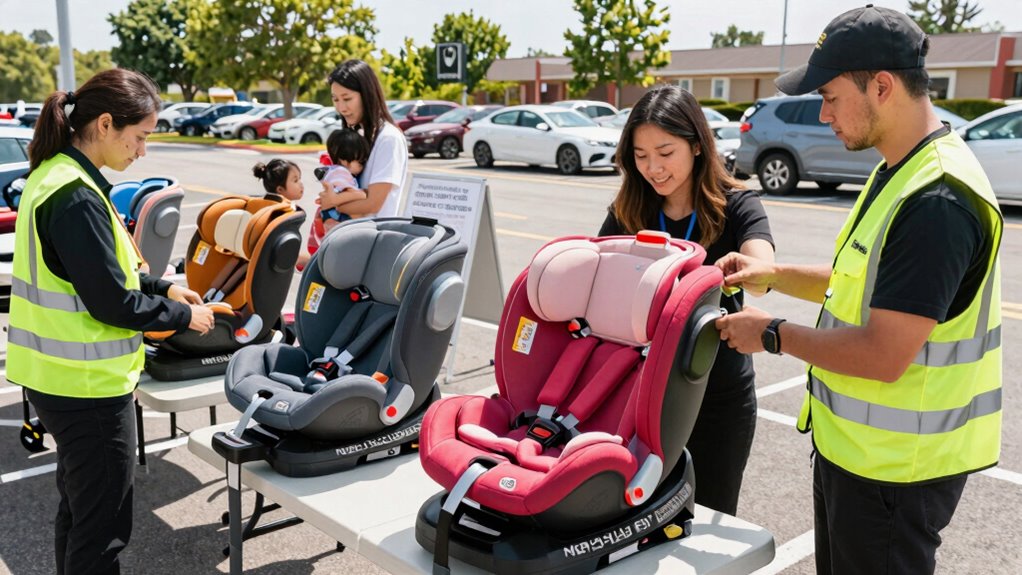
Wondering where to find free car‑seat check events near you? Start by checking local hospitals, fire stations, or community centers, as they often host child restraint safety events. Visit websites like Safe Kids or the National Highway Traffic Safety Administration (NHTSA), which list upcoming car‑seat check events by location. You can also call your local police or fire departments for information on scheduled inspections. Many events focus on proper installation of child restraint systems, including booster seats, to ensure maximum safety. Additionally, parenting groups and social media community pages may share upcoming free check events in your area. These free services help you verify that your child’s booster seat is installed correctly and provide valuable safety tips. To enhance your understanding of safety protocols, consider reviewing smart thermostat setup tips to create a safer home environment for your family. Moreover, awareness of vetted wave and wind safety practices can further improve overall child passenger safety during travel. It’s also helpful to attend hands-on demonstration events where you can receive personalized guidance from certified technicians. Ensuring your child’s safety seat is properly installed can also be supported by understanding the importance of using the right oil for airless sprayers, as proper maintenance in unrelated areas underscores the value of correct procedures in safety. Being informed about child passenger safety standards can empower you to make better decisions for your child’s protection.

Accmor Car Seat Strap Pads for Baby Kids Toddler, Soft Car Seat Strap Covers Shoulder Pads for All Baby Car Seats, Stroller, Pushchair, High Chair
This car seat straps shoulder pads designed to protect baby’s neck , shoulder and chest from being uncomfortably…
As an affiliate, we earn on qualifying purchases.
As an affiliate, we earn on qualifying purchases.
How to Book Your Free Car‑Seat Safety Inspection
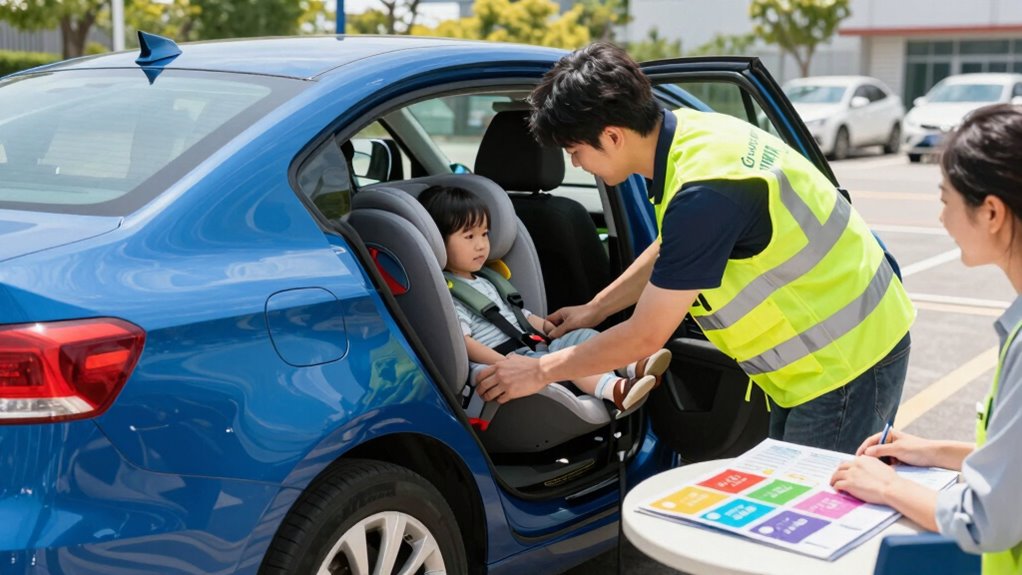
Booking your free car‑seat safety inspection is usually straightforward. First, find a nearby event through trusted sources like local fire departments or child passenger safety programs. Once you have the details, contact the organizer to confirm your appointment. When booking, specify if you need a child restraint or booster seat checked, so they can prepare accordingly. Here’s an example of what to expect:
| Step | Details |
|---|---|
| Find event | Search online or call local safety organizations |
| Confirm date | Ensure the appointment fits your schedule |
| Provide info | Child’s age, seat type, and any concerns |
| Arrive early | Arrive on time for a thorough inspection |
| Follow-up | Ask for advice on proper installation or adjustments |
This guarantees your child’s restraint is secure and safe, and understanding ergonomics can help ensure your child is comfortably secured in the seat. Additionally, proper installation techniques are essential for maximizing safety and comfort. Being aware of early detection signs of potential issues can also help prevent future safety concerns. Regularly reviewing your child’s seat and keeping up with safety guidelines can further enhance protection. Moreover, participating in community events can increase your awareness of environmental impact considerations related to car seats and safety equipment.

1 Pack Fixing Strap Pads Compatible with Universal Isofix Kids Seat Fixing Straps with Latch Interface Accessory Cover
Adjustable elastic buckle pads design: Built-in spring-padded mechanism ensures smooth insertion and removal. Automatically locks into place upon…
As an affiliate, we earn on qualifying purchases.
As an affiliate, we earn on qualifying purchases.
How to Prepare Your Child’s Car Seat for the Appointment
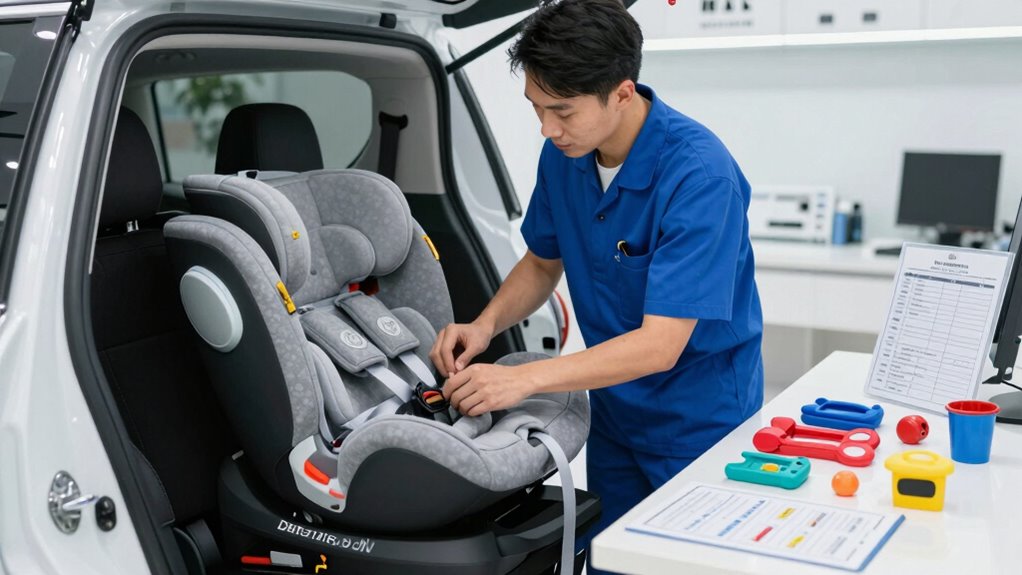
Before your appointment, gather any accessories like harness pads or mirrors to bring along. Make certain the seat is positioned correctly according to the manufacturer’s instructions and check for any recall notices that might affect safety. Being prepared helps ensure your child’s car seat is ready for a thorough inspection. Additionally, understanding the top creative and gaming gear can help you better evaluate and ensure the quality of your child’s safety equipment. Awareness of pinball machine weights and their handling can also be useful if you’re transporting larger or heavier car seats. Knowing about home safety features can further assist in creating a secure environment for your child, including child-proofing techniques to enhance overall safety at home. Incorporating connected home safety devices can also provide real-time monitoring and alerts for added security.
Gather Necessary Accessories
To guarantee your car-seat check goes smoothly, gather all the necessary accessories beforehand. Having everything ready ensures the technician can assess your child’s child restraint or booster seat efficiently. Bring the original instruction manual for your seat, as it provides essential installation details. Don’t forget any accessories that came with the seat, like harness straps or replacement parts. Also, bring a clean towel or cloth to wipe down the seat if needed. Lastly, prepare your child’s current safety harness or belt, so the technician can verify proper fit. Being familiar with child passenger safety guidelines can also help you ask informed questions during the appointment.
Ensure Proper Seat Position
Ensuring your child’s car seat is properly positioned is essential for a successful inspection. Start by adjusting the seat to achieve ideal child seat comfort and ensure it fits your child’s size and the car’s interior. Different car seat styles may require unique positioning, so check your seat’s manual. Make sure the seat is tight against the vehicle seat, with no excessive movement. Position the harness straps at or just below your child’s shoulders, and secure the chest clip at armpit level. To help you prepare, review the following:
| Child Seat Comfort | Car Seat Styles | Proper Positioning |
|---|---|---|
| Adjust harness snugly | Convertible, bucket, booster | Tight, secure fit |
| Check head support | Different models | Correct recline angle |
| Ensure comfortable straps | Various brands | Proper clip placement |
Additionally, verifying that you have the appropriate kitchen gear can make the process smoother and more comfortable for you during the inspection. Proper seat installation techniques can also help prevent common mistakes and ensure safety. Developing a clear understanding of testing methodologies can contribute to more effective adjustments and checks. Regularly reviewing safety guidelines ensures your knowledge stays current and accurate, especially considering the latest air quality research and recommendations.
Check for Recall Notices
Have you checked if your child’s car seat has any recall notices? It’s essential to review safety notices before your appointment. Car seat recalls happen when manufacturers discover safety issues, and addressing them promptly can prevent accidents. To prepare, gather your seat’s model and serial numbers, which are usually on labels attached to the seat. Check the manufacturer’s website or contact the retailer for current recall alerts. Staying informed about safety notices guarantees your child’s protection. Remember, ignoring car seat recalls can compromise safety and void warranties. Always verify if your seat has been recalled and follow instructions for repairs or replacements. Being proactive helps ensure your child’s seat remains safe and compliant with current safety standards. Additionally, recall information can help you stay up-to-date on safety alerts and recalls specific to your seat model. Also, regularly monitor safety updates from trusted sources to ensure ongoing safety compliance.
A recall check can identify issues early and save you from potential hazards.
What to Expect During Your Car‑Seat Inspection
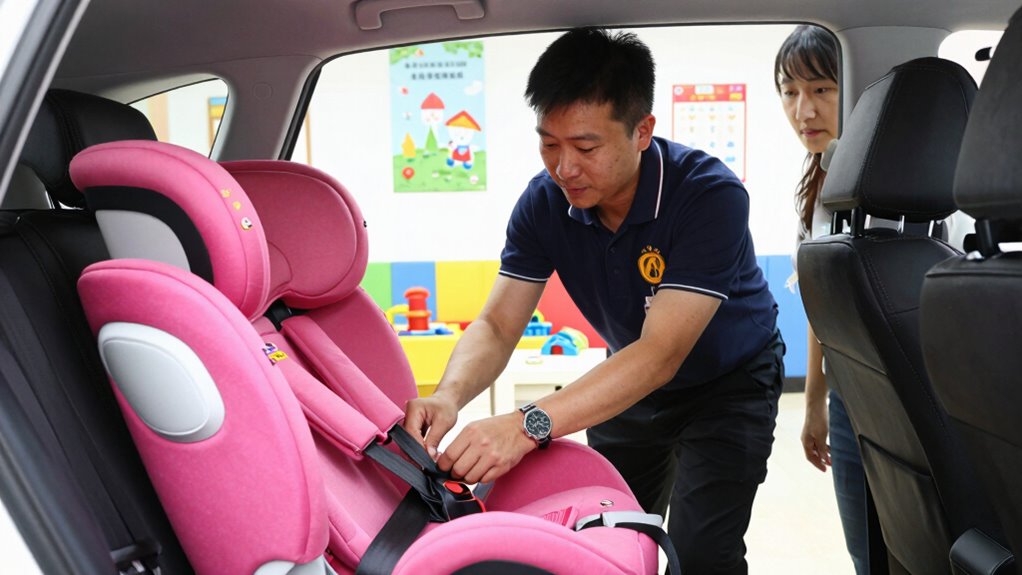
When you arrive for your car-seat inspection, a certified technician will guide you through the process step by step. They’ll start by examining your child’s safety seat, checking for proper installation and fit. The technician will review how your seat attaches to the vehicle, making sure it’s secure and correctly positioned. They’ll also assess the seat’s expiration date, recall status, and overall condition. During the inspection, expect helpful advice on safe car maintenance practices, like adjusting harness straps and positioning the seat at the right angle. The goal is to give you peace of mind, knowing your child’s safety is maximized. This hands-on approach ensures you understand how to maintain the seat properly and keep your child safe during every trip. Additionally, technicians can educate you on the importance of seating positions and how proper placement can impact your child’s safety in the event of a crash. Properly installing the seat is crucial, as even small errors can reduce its effectiveness in protecting your child. Paying attention to installation techniques can help ensure the seat remains secure and functions correctly over time.
Questions to Ask the Technician During Your Check‑up?
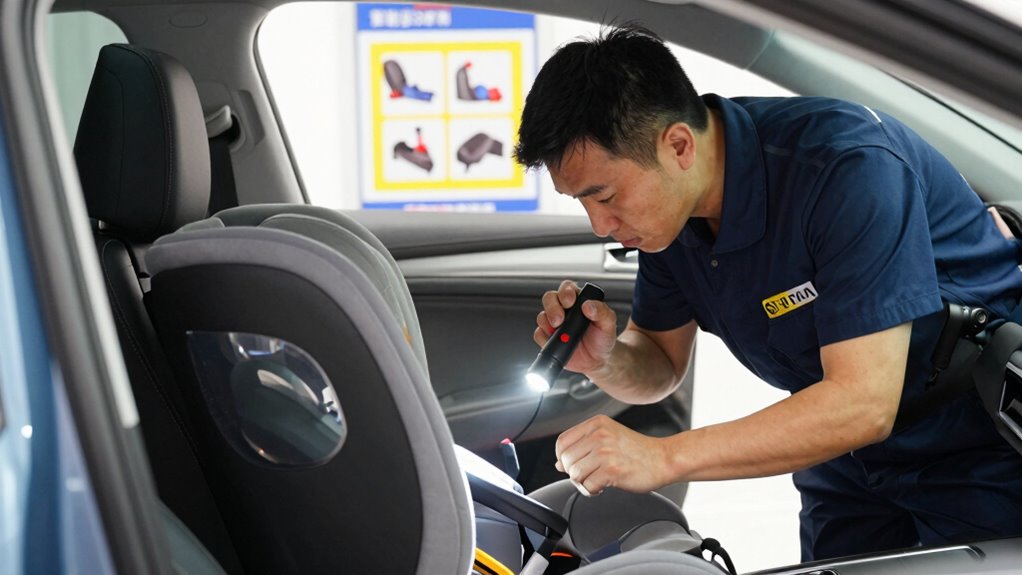
When you meet with the technician, ask about proper seat installation techniques to guarantee your child’s safety. Confirm that you’re using the correct harness adjustments and understand how to secure your child properly. Don’t hesitate to bring up any safety concerns you have so they can be addressed right away.
Proper Seat Installation Techniques
Asking the right questions during your car-seat check helps guarantee your child’s safety and proper restraint. You should focus on proper seat installation techniques to ensure the child passenger is secure. Confirm that the seat is tightly installed, with less than an inch of movement side to side or front to back. Make sure the seat adjustment is correct for your child’s size, with the harness snug against their chest and the chest clip at armpit level. Ask if the seat is installed at the correct angle, especially for infants. Clarify how to recheck the installation regularly as your child grows. Remember, a properly installed seat reduces risk and keeps your child safe in any crash.
- Confirm the seat is firmly anchored to the vehicle
- Verify the harness fits snugly without slack
- Confirm the seat’s angle for infant comfort and safety
- Learn how to perform seat adjustments as your child grows
- Regularly recheck the installation for consistency
Correct Harness Usage
Ensuring your child’s harness is fitted correctly is key to their safety in the car seat. During your check-up, ask the technician about proper child harness usage and how to make the right harness adjustment. Confirm that the harness straps are snug enough so you can’t pinch any slack at the child’s shoulder. Make sure the harness is positioned at or just below your child’s shoulders for rear-facing seats and at or above for forward-facing seats. Ask if the harness tension is even across both shoulders and if the chest clip is at armpit level. Proper harness adjustment ensures your child is secure without being uncomfortable, reducing the risk of injury in a crash. Don’t hesitate to ask questions—your technician is there to help you keep your child safe.
Addressing Safety Concerns
During your check-up, it’s important to voice any safety concerns you have and ask the technician specific questions about your child’s car seat. Addressing safety concerns guarantees the child restraint is properly installed and functioning. Don’t hesitate to inquire about issues like harness tightness, seat positioning, or any discomfort your child might experience. Asking these questions helps you understand if your child’s safety is fully protected.
- Is the child restraint installed correctly and secure?
- Are the harness straps snug and at the right height?
- Does the seat fit well in your vehicle?
- Are there any recalls or safety notices for your model?
- How can you improve your installation at home?
Clear questions empower you to keep your child safe every trip.
How to Verify the Certification of Your Car‑Seat Inspector
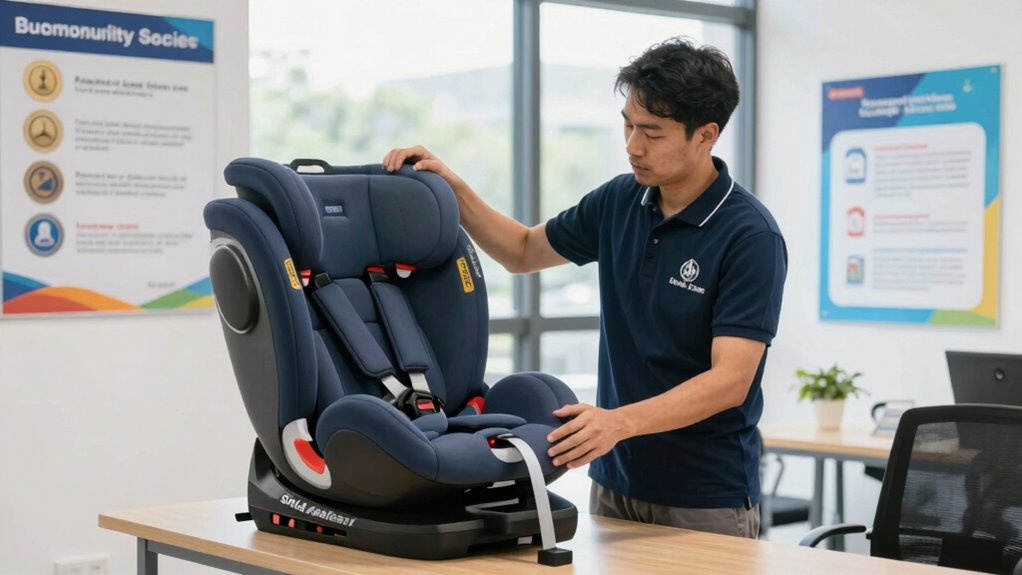
To confirm that your car-seat inspector is qualified, start by checking if they hold certification from a recognized organization, such as the National Child Passenger Safety Certification Program. Certification verification guarantees the inspector has the proper training and knowledge to evaluate your car seat’s installation correctly. Ask to see their inspector credentials or certification card, which should display their credentials clearly. You can also verify their certification online through the certifying organization’s official database. Remember, a qualified inspector will have current credentials and be transparent about their certification status. Verifying these details gives you confidence that your child’s safety is in capable hands and that you’re receiving accurate, reliable guidance.
Tips for Keeping Your Car Seat Properly Installed After the Check
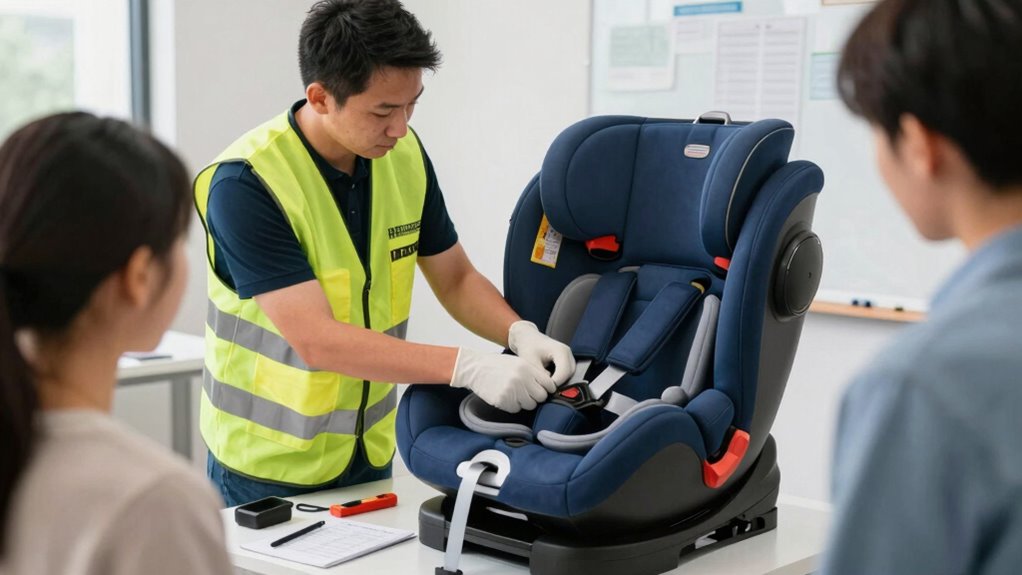
After your free check, make sure to regularly recheck that the car seat stays securely installed. Always verify that the seat remains in the correct position for your child’s size and age. Staying attentive helps keep your little one safe every time you drive.
Regularly Recheck Installation
Once your car seat has been checked and properly installed, it’s vital to regularly recheck it to guarantee it stays secure. Over time, seat adjustment and belt positioning can shift due to regular use or movement. Make it a habit to inspect the seat before each trip, ensuring the belt is snug and the seat is firmly anchored. Small changes can compromise safety, so don’t overlook them.
Remember to:
- Confirm the belt is correctly positioned and tight
- Check for any looseness or movement in the seat
- Re-tighten straps if needed
- Ensure the seat hasn’t shifted in the vehicle
- Adjust seat positions as your child grows or as needed
Consistent checks help keep your child safe and maximize the effectiveness of the installation.
Correct Seat Position
Maintaining the correct seat position is essential for your child’s safety, especially after an initial check. Make certain the harness fits snugly against your child’s body, with the chest clip at armpit level. Proper positioning promotes child comfort and reduces the risk of injury in a crash. Avoid slouching or loose straps, and regularly check that the seat remains tightly installed. Use car seat accessories, like seat positioners or padding, carefully, making sure they don’t interfere with the harness or seat stability. Keep the seat angle correct, especially for infants or smaller children, to prevent slouching or breathing issues. Regularly reassess the seat’s position, especially after long trips or if your child grows. Staying vigilant helps maintain a safe, comfortable environment for your child every ride.
Top Resources for Car‑Seat Safety and Installation Tips
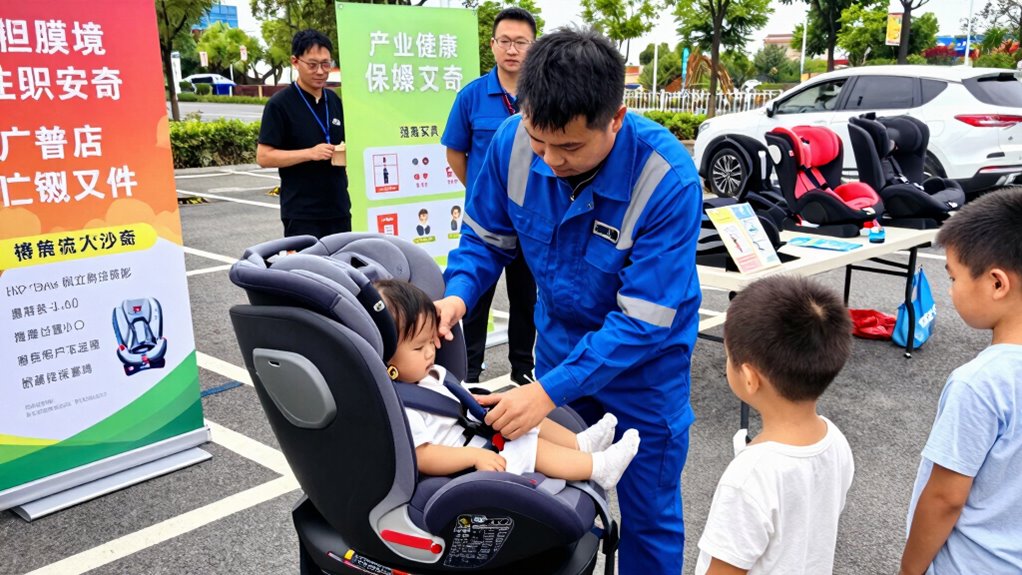
Ensuring your child’s safety in the car starts with proper car-seat installation, and luckily, there are many trusted resources available to help you get it right. These resources provide essential child safety and car seat maintenance tips to keep your little one secure on every trip. By using reputable guides and tools, you’ll gain confidence in your installation skills and ensure your car seat functions as intended. Here are some top resources to explore:
Proper car-seat installation is essential for your child’s safety—trust reputable resources to get it right.
- Official manufacturer installation videos
- CDC’s car seat safety checklists
- Local child passenger safety organizations
- Certified Child Passenger Safety Technicians’ websites
- Online forums and parenting communities for shared advice
Utilizing these resources helps you stay informed and confident, making every car ride safer for your child.
How Regular Car‑Seat Checks Keep Your Child Safe on Every Trip
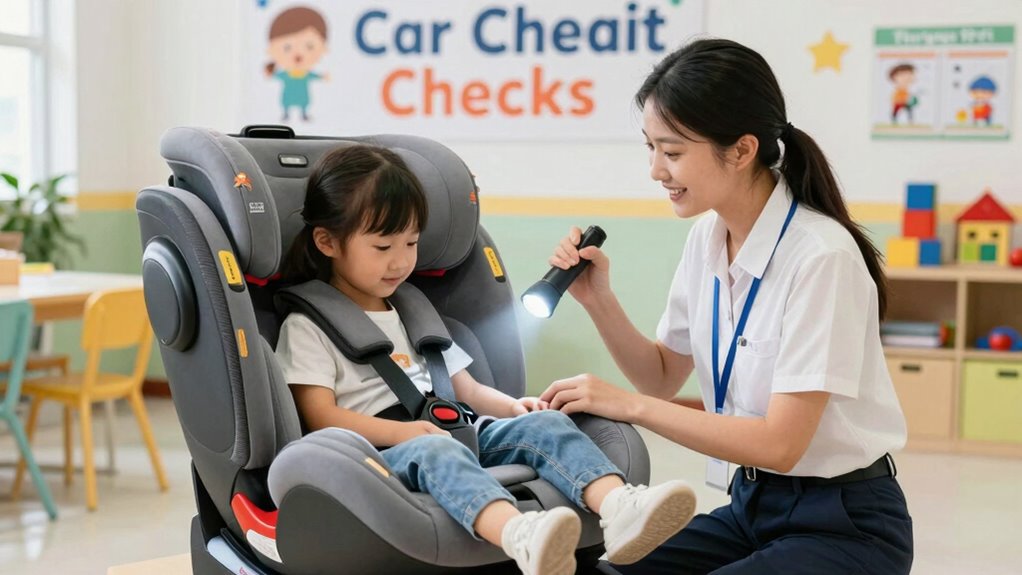
Regularly checking your car seat is a simple but essential step in keeping your child safe on every trip. Child safety depends on proper car seat maintenance and ensuring the seat remains secure and in good condition. Over time, parts can loosen, or the seat may become damaged, reducing its effectiveness. By scheduling regular checks, you can identify and fix issues before they compromise safety. These inspections help confirm that the harness fits your child properly, the seat is correctly installed, and there are no signs of wear or damage. Consistent car seat maintenance minimizes risks during travel, giving you peace of mind. Remember, keeping your car seat in top shape is one of the most effective ways to protect your child every time you hit the road.
Frequently Asked Questions
Are There Any Costs Involved in Booking a Free Car-Seat Check?
There are no cost considerations or appointment fees involved when booking a free car-seat check. You won’t have to pay anything for the service, as certified technicians provide it at no charge. Simply schedule your appointment, and they’ll help you guarantee your child’s car seat is properly installed and safe. It’s a completely free service designed to give you peace of mind without any financial burden.
Can I Reschedule My Appointment if I Can’T Make It?
Missing your appointment feels like missing out on saving your child’s life! Luckily, you can easily reschedule your appointment. Just contact the location directly to follow their appointment rescheduling and cancellation policies. Most places are flexible and understand plans change, so don’t worry—simply give them a call or use their online system to pick a new time that works better for you. Your child’s safety is worth it!
What Types of Car Seats Are Covered During the Check?
During a free car‑seat check, your car seat type, including rear-facing, forward-facing, booster, or combination seats, is covered. The inspector follows strict inspection criteria to guarantee car seat safety, checking for proper installation, harness fit, and overall condition. This service helps you confirm that your child’s seat meets safety standards and is correctly installed, giving you peace of mind knowing your child’s safety is prioritized during every ride.
How Long Does a Typical Car-Seat Inspection Take?
A typical car-seat inspection usually takes about 20 to 30 minutes, depending on the complexity of the setup. During your appointment, you’ll have enough time for the CPST to carefully examine your seat, verify proper installation, and answer any questions. To make the most of your appointment, arrive on time and prepare any relevant documents or your vehicle details. This way, you’ll get a thorough inspection within the allocated appointment length.
Is It Necessary to Bring My Child to the Appointment?
You don’t need to bring your child to a car-seat inspection, but it’s recommended for child safety. This way, the technician can see how the seat fits your child and guarantee proper installation. Check appointment requirements beforehand, as some locations might prefer that children stay home for safety reasons or to make the process smoother. Prioritizing your child’s safety helps ensure the seat is the best fit and correctly installed.
Conclusion
Scheduling a free car-seat check is one of the most important steps you can take to protect your child on every trip. Don’t wait until an accident happens—think of these inspections as your child’s superhero shield, guarding them from harm. By booking your appointment today, you’re ensuring their safety is locked in tighter than Fort Knox. Take action now and give your little one the safest ride of their life!