
TL;DR

Turn the school run and nap time into listening time
- Thousands of audiobooks, podcasts and originals
- Listen on your phone, tablet or Echo — also offline
- Cancel anytime
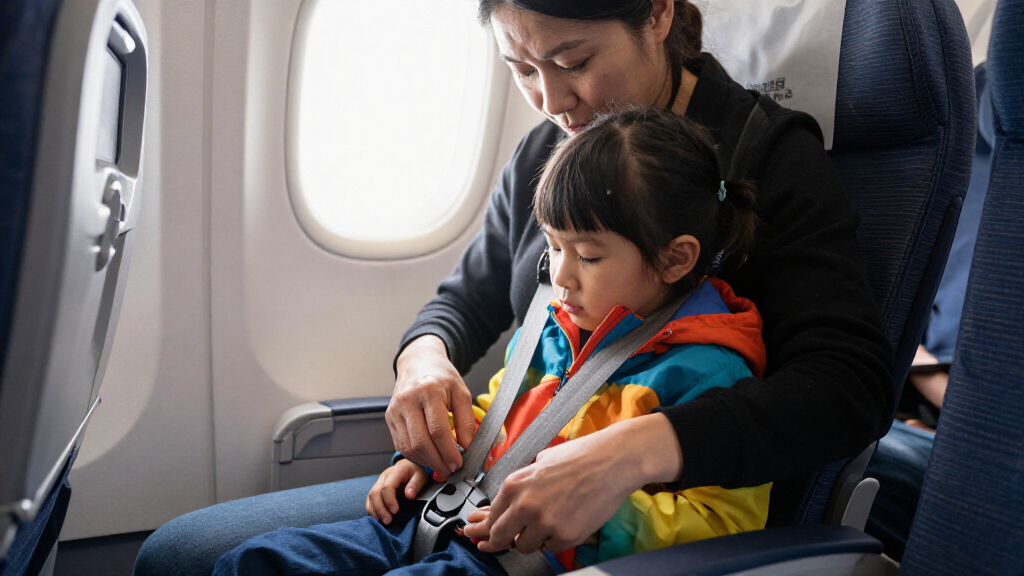
German aviation safety authorities are urging parents to ensure children buckle up during flights. This campaign aims to improve passenger safety, especially for young travelers. The initiative follows recent safety data highlighting risks during turbulence.
German aviation safety authorities have officially recommended that parents ensure children wear seat belts during all phases of a flight, citing safety concerns related to turbulence and emergency procedures. The campaign aims to improve passenger safety, especially for young travelers, amid recent safety data and increased awareness.
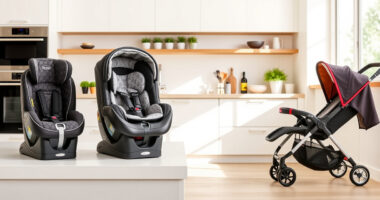
The Federal Aviation Office (Luftfahrt-Bundesamt, LBA) announced the new safety recommendation in late 2023, emphasizing that children should be secured with appropriate seat belts at all times on commercial flights. This guidance applies to children of all ages, with specific advice for infants and toddlers, including the use of approved child safety seats when possible.
The campaign was prompted by data showing a rise in turbulence-related injuries and incidents where unbuckled children were at risk during unexpected in-flight movements. Officials have also pointed to recent media reports of children being injured during turbulence events, reinforcing the need for stricter safety measures.
Airlines operating in Germany are advised to remind passengers about the importance of seat belt use for children and to provide suitable safety equipment, such as child harnesses or car seats, where feasible. The recommendation is non-binding but strongly encouraged, with safety experts emphasizing that buckling up can significantly reduce injury risk.
Impact of Child Seat Belt Campaign on Flight Safety
This initiative underscores the importance of child safety during air travel, highlighting that proper restraint use can prevent injuries during turbulence or emergency situations. For parents and guardians, the campaign reinforces the need for vigilance and adherence to safety guidelines, potentially influencing airline policies and passenger behavior across Europe.
It also reflects broader efforts within the aviation industry to enhance safety standards, especially as air travel resumes normal levels post-pandemic. The emphasis on child safety may lead to increased use of child safety seats and harnesses, aligning with international safety practices.
As an affiliate, we earn on qualifying purchases.
Recent Safety Concerns Prompt Child Seat Belt Recommendations
In recent years, aviation safety data has shown a rise in injuries caused by turbulence, with children being particularly vulnerable when unrestrained. Germany’s Luftfahrt-Bundesamt has responded by issuing new safety guidance, aligning with similar measures in other countries that advocate for increased restraint use for young passengers.
This campaign follows international trends emphasizing passenger safety, especially for children, amid ongoing discussions about safety regulations and passenger protection. Prior to this, airlines have sometimes recommended but not mandated seat belt use for children, making this a notable shift toward more proactive safety measures.
The campaign also coincides with increased public awareness about safety protocols, partly driven by recent media coverage of turbulence incidents involving children.
“Ensuring children are properly buckled up during flights can significantly reduce injury risks during turbulence or sudden maneuvers.”
— Luftfahrt-Bundesamt spokesperson
Details on Enforcement and Passenger Compliance Still Unclear
It is not yet clear how strictly airlines will enforce the new recommendations or whether there will be formal penalties for non-compliance. The guidance remains advisory rather than mandatory, raising questions about actual adherence by passengers and airline staff.
Additionally, the specific types of safety equipment recommended and how airlines will implement reminders or checks are still under discussion.
Next Steps in Promoting Child Seat Belt Use During Flights
Airlines are expected to update their safety briefings and cabin announcements to emphasize the new recommendations. The Luftfahrt-Bundesamt may collaborate with airlines to develop standardized procedures to improve compliance.
Further assessments of the campaign’s impact on passenger behavior and injury rates are anticipated over the coming months. Authorities may consider making the guidelines more formal if compliance remains low.
Key Questions
Are children required to wear seat belts on flights in Germany?
The current guidance is advisory, recommending that children wear seat belts at all times, but it is not yet legally mandatory.
What safety equipment can parents use for their children during flights?
Parents are encouraged to use approved child safety seats, harnesses, or seat belts suitable for children, depending on age and size.
Will airlines enforce the seat belt recommendations for children?
Enforcement details are still being finalized; airlines are expected to remind passengers, but formal penalties have not been announced.
Why is this campaign being launched now?
The campaign responds to recent safety data showing increased turbulence-related injuries and aims to prevent injuries among young passengers.
Source: google-trends
Cold & flu season Picks
humidifiers
As an affiliate, we earn on qualifying purchases.