

To build confidence in shy kids, start with small, manageable steps like role-playing social situations and encouraging participation in supportive group activities. Celebrate even tiny successes, like saying hello or joining a game, to reinforce their progress. Providing consistent praise and gentle encouragement helps them feel safe and valued. Over time, these gradual efforts create big impacts on their comfort level and self-esteem. Keep exploring simple strategies that can make a lasting difference.

Turn the school run and nap time into listening time
- Thousands of audiobooks, podcasts and originals
- Listen on your phone, tablet or Echo — also offline
- Cancel anytime
Key Takeaways
- Use role-playing exercises to rehearse social interactions in a safe, supportive environment.
- Foster peer support through small group activities and positive reinforcement.
- Celebrate small social victories to boost confidence gradually and consistently.
- Create a nurturing environment emphasizing progress over perfection.
- Encourage gradual participation in social activities to build independence and self-assurance.
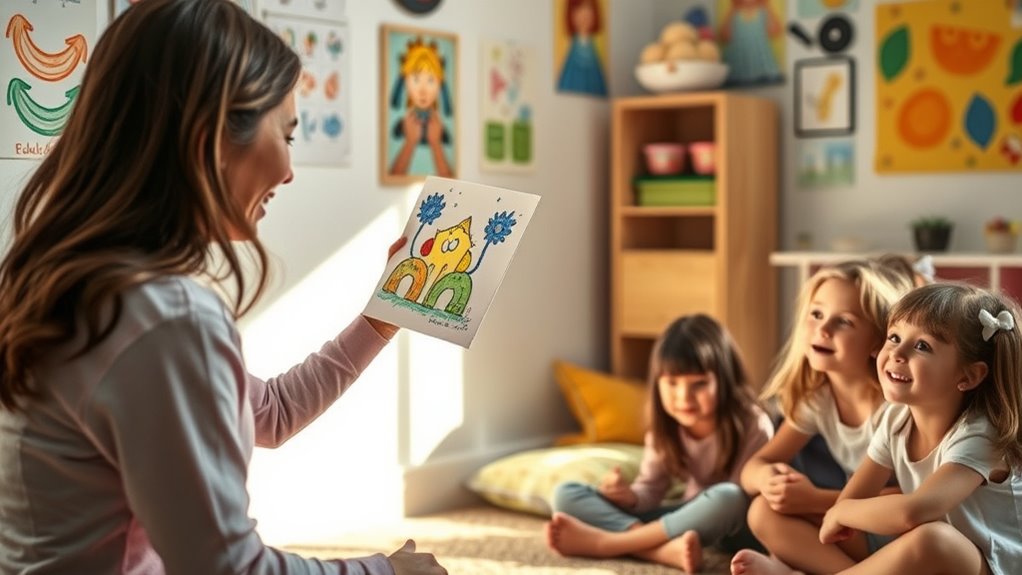
When your child is shy, it can be challenging to see them struggle with social situations and self-doubt. You want to help them build confidence, but knowing where to start can feel overwhelming. One effective way to do this is through role-playing exercises. These activities allow your child to practice social interactions in a safe, controlled environment. For instance, you can take on different roles—such as a new classmate or a store clerk—and act out common scenarios. This helps your child become familiar with social cues, develop their communication skills, and reduce anxiety about real-life interactions. Over time, these repeated practice sessions can make social situations feel less intimidating, giving your child a sense of mastery and control. Incorporating positive reinforcement during these exercises can further motivate your child and reinforce their progress. Peer encouragement also plays a crucial role in boosting your child’s confidence. When your child interacts with understanding and supportive peers, they’re more likely to feel accepted and valued. Encourage your child to spend time with friends who are patient and kind, as these relationships can foster a sense of belonging. Sometimes, organizing small group activities or playdates can give your child opportunities to practice social skills in a less pressured environment. During these interactions, praise their efforts and progress, reinforcing positive behavior and helping them see their own strengths. Peer encouragement not only boosts self-esteem but also teaches your child that they’re not alone in their feelings of shyness. It creates a supportive community where they can gradually step out of their comfort zone. Consistent, gentle encouragement is key. Celebrate small victories, like saying hello to a new classmate or participating in a group activity. These moments, though seemingly minor, can have a big impact over time. Keep the focus on progress, not perfection. Remember, building confidence is a gradual process that requires patience. Role-playing exercises give your child a chance to rehearse and feel prepared, while peer encouragement offers emotional support and validation. Combining these strategies creates a nurturing environment where your shy child can explore social interactions without fear of judgment. As they gain more confidence, you’ll notice them becoming more willing to engage, share their ideas, and enjoy social experiences. With time and consistent effort, your child can develop a stronger sense of self-assurance, making social situations less intimidating and more rewarding.
Products Worth Considering

LEGO Boost Creative Toolbox 17101 Fun Robot Building Set and Educational Coding Kit for Kids

Graco Ready2Grow 2.0 Double Stroller

Graco Magnum X5 Airless Paint Sprayer
As an affiliate, we earn on qualifying purchases.
Frequently Asked Questions
How Can Parents Encourage Shy Children to Participate in Group Activities?
You can encourage shy children to join group activities by providing peer encouragement and gentle exposure. Support them by praising small efforts and introducing activities gradually. Create a safe environment where they feel comfortable, and pair them with understanding peers. Your patience and positive reinforcement help them build confidence step by step, making participation feel less intimidating. Over time, this steady approach fosters their social skills and boosts their self-assurance.
Are There Specific Toys or Activities That Boost Confidence in Shy Kids?
You can boost your shy child’s confidence by choosing toys that encourage pretend play, like dolls, action figures, or play kitchens. These activities help them explore social roles and build comfort in interactions. Remember, positive reinforcement is key—praise their efforts and creativity to make them feel valued. This approach gently encourages participation and helps your child develop confidence through engaging, imaginative activities that feel safe and fun.
How Does a Shy Child’s Temperament Influence Confidence-Building Strategies?
Your shy child’s personality traits considerably influence confidence-building strategies. If they have high emotional resilience, you can encourage gradual exposure to social situations, boosting their confidence over time. Understand their unique temperament—some kids prefer one-on-one interactions, while others enjoy group activities. Tailoring your approach helps them feel safe and supported, fostering confidence. Recognizing these traits allows you to select activities that align with their comfort levels, promoting steady growth.
What Role Do Teachers Play in Supporting Shy Students’ Confidence?
Have you ever wondered how your support can boost shy students’ confidence? As a teacher, you play a crucial role by offering consistent classroom encouragement and facilitating peer mentorship. These strategies help shy kids feel valued and understood, gradually easing their social anxieties. By creating a safe space for participation, you empower them to step out of their shell and develop confidence that lasts beyond the classroom.
When Should Parents Consider Professional Help for a Shy Child’s Confidence Issues?
You should consider professional help if you notice warning signs like persistent withdrawal, extreme anxiety, or difficulty functioning in daily activities. When these signs affect your child’s well-being or social interactions, therapy options such as counseling can provide valuable support. Trust your instincts—seeking help early can boost their confidence, helping them develop healthier social skills and overcome shyness more effectively.
Conclusion
Building confidence in shy kids takes small, consistent steps that lead to big changes over time. Remember, even just one positive interaction a day can boost their self-esteem. Did you know that shy children are more empathetic and observant? By supporting them patiently, you’re helping them grow into confident individuals. Keep encouraging, celebrate their efforts, and watch as they develop the courage to shine in their own unique way.