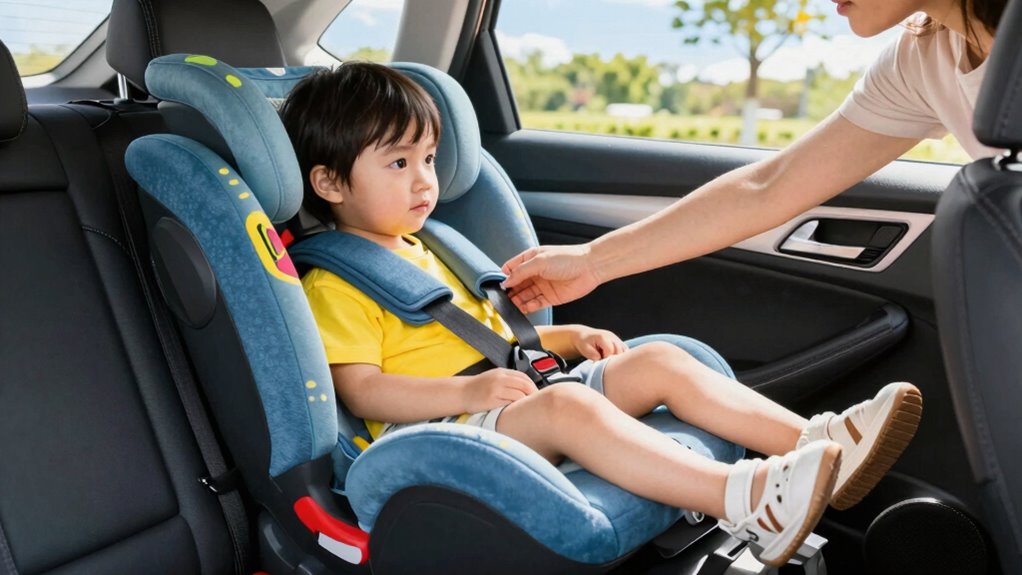

You should switch your child from a booster to a vehicle seat once they outgrow the height and weight limits, usually when they can sit properly with the seat belt aligned correctly across their hips and shoulders. They need to have enough height to sit with their back against the seat and knees bent comfortably. Keep checking their fit and safety, and if you want to guarantee they’re ready, learn more about signs and proper fit for a smooth switch.
Key Takeaways
- When your child’s shoulders are above the booster’s height limit, and the seat belt no longer fits properly.
- Once the child can sit with back against the seat and knees bent at the edge comfortably.
- When the seat belt lies flat across the chest and hips without slipping or rubbing.
- After reaching the manufacturer’s height and weight guidelines for the booster seat.
- When a child consistently demonstrates correct seat belt positioning and proper posture during travel.
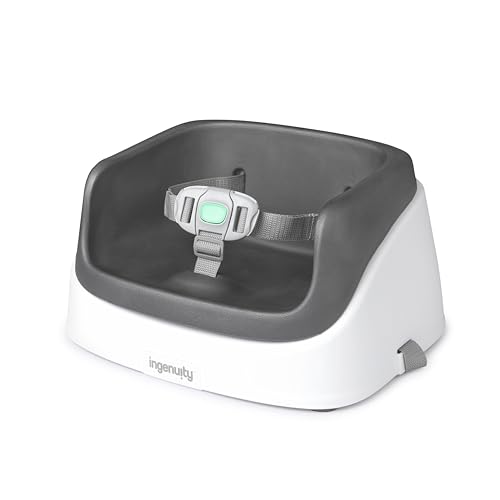
Ingenuity SmartClean Toddler Booster Seat for Kitchen Chair – Lightweight for on-the-go, Easy-Clean, 3-Point Harness Strap – Booster Seat for Dining Table, Slate
Give your toddler a comfortable seat at the table and give yourself a break from cleaning with the…
As an affiliate, we earn on qualifying purchases.
As an affiliate, we earn on qualifying purchases.
When Is Your Child Ready to Move Out of a Booster Seat?
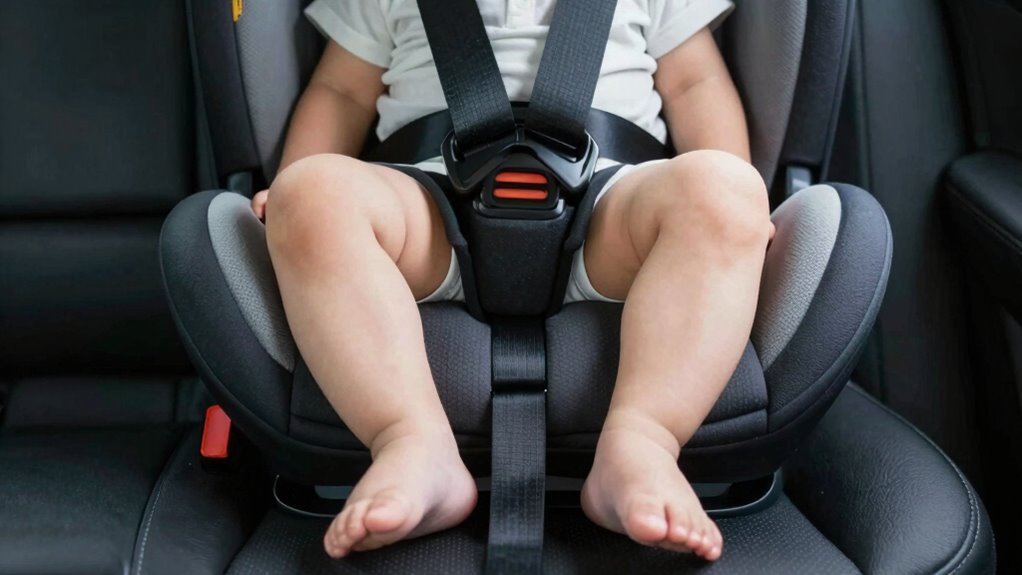
You should consider moving your child out of a booster seat when they have reached the manufacturer’s height and weight limits, typically around 4 feet 9 inches tall and between 8 to 12 years old. At this point, their seat belt compliance is more reliable, ensuring the lap belt sits snugly across their hips and the shoulder belt lies properly over their shoulder. Continuing to use a booster beyond its recommended age or size can compromise booster longevity, reducing its effectiveness in protecting your child during a crash. It’s crucial to evaluate if the booster still fits correctly and supports proper seat belt positioning. Once your child can sit properly with the seat belt without slouching or slipping, they’re likely ready to transition to the vehicle seat. proper seat belt positioning is essential for ensuring maximum safety and protection during a collision.

Graco TurboBooster 2.0 Backless Booster Car Seat, Denton
This Graco booster seat helps safely transport your big kid from ages 4 -10, from 40 – 100…
As an affiliate, we earn on qualifying purchases.
As an affiliate, we earn on qualifying purchases.
What Are the Legal Age and Size Requirements for Transitioning?
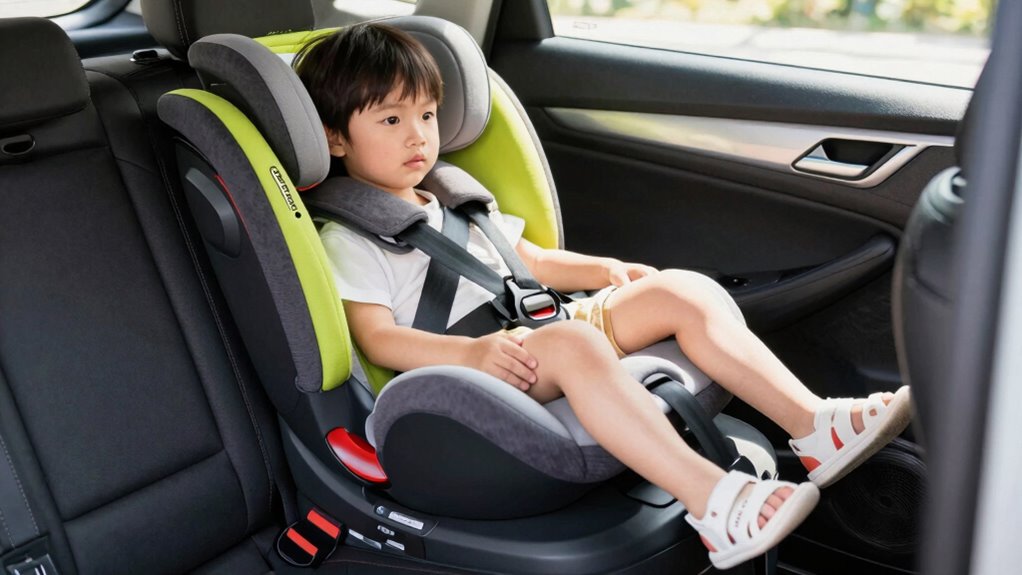
Legal age and size requirements for shifting from a booster seat vary by state and country, so it’s essential to consult local laws to guarantee compliance. Generally, children must meet specific age, weight, and height criteria before transitioning. For example:
| Age | Size Requirements |
|---|---|
| At least 4 years | Minimum weight of 40 pounds |
| Usually 8-12 years | Height enough to sit with back against seat and knees bend at the edge |
These requirements help ensure your child is ready for the vehicle seat. Remember, legal age and size standards are designed for safety, so always verify your area’s regulations before moving your child to a regular seat. Additionally, understanding child passenger safety guidelines can further ensure your child’s protection during car rides. Being aware of state-specific laws can also prevent unintentional violations and enhance your child’s safety in transit. Moreover, ensuring your child’s proper seat position can significantly reduce the risk of injury in case of an accident. It is also helpful to stay informed about latest safety recommendations to adapt to new standards and technologies.

Bucklebee Easy Car Seat Buckle Release Aid for Children Unbuckle Car Seat Release Tool – Button Pusher – Opener for Nails – Buckle Release (1 Pack Teal)
Proven product designed to reduce the unbuckling force for a child or caregiver. Car seat buckle release tool…
As an affiliate, we earn on qualifying purchases.
As an affiliate, we earn on qualifying purchases.
How Can You Measure Your Child for a Safe Seat Transition?
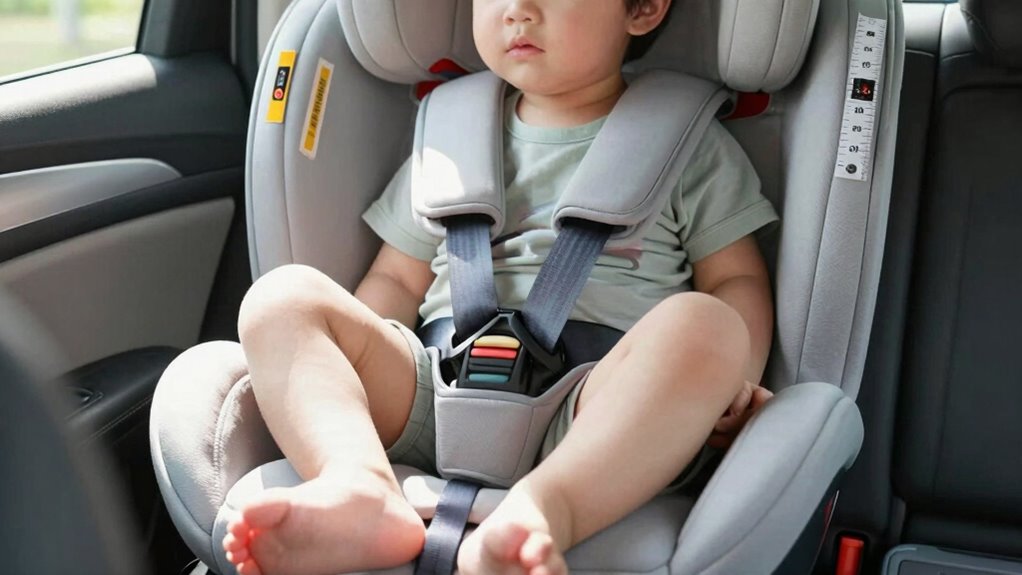
Measuring your child accurately is key to facilitating they are ready for the next step in their car seat safety. To do this, track your child’s child growth regularly and check their seat measurements carefully. Use a flexible tape measure to record their height from the top of their head to their feet, while they stand upright. Also, measure their thigh length and shoulder height to ensure proper fit. Compare these measurements to the manufacturer’s size guidelines for the booster seat or vehicle seat. Remember, your child should meet the height and weight requirements and fit snugly in the seat for maximum safety. Incorporating proper safety standards into your assessment process ensures you are making informed decisions based on reliable data. Consistent measurements reflect the importance of child development and help you identify the right time for a safe transition. Monitoring developmental milestones can also provide additional insight into your child’s readiness, emphasizing the significance of child growth tracking for safe car seat use. Staying informed about current safety recommendations can further support your decision-making process.

Graco® TurboBooster® LX Backless Booster with Affix Latch | Backless Booster Seat for Big Kids Transitioning to Vehicle Seat Belt (Rio)
Helps safely transport your big kid from 40-100 lb and 43-57" tall
As an affiliate, we earn on qualifying purchases.
As an affiliate, we earn on qualifying purchases.
Signs Your Child Has Outgrown the Booster Seat
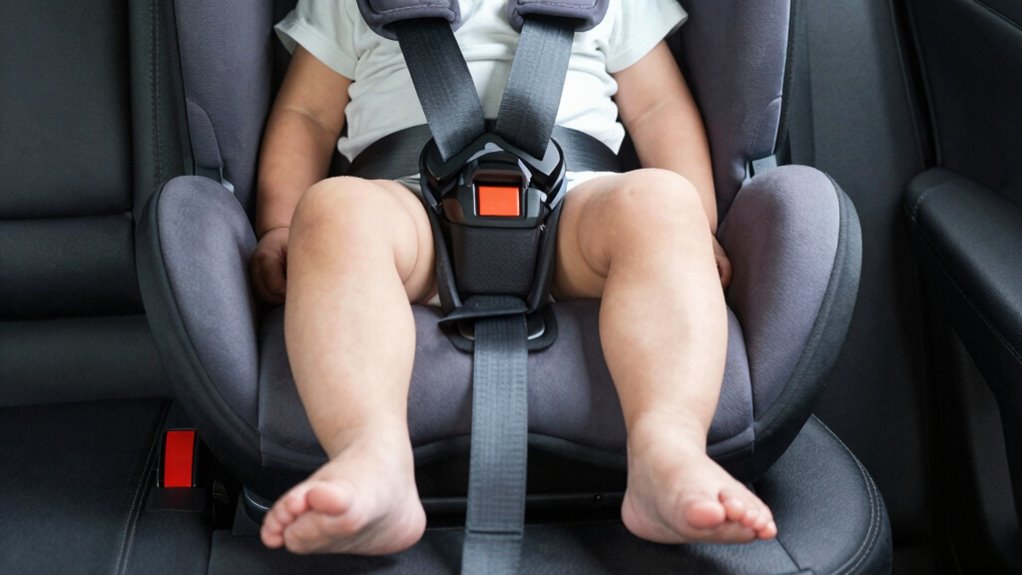
Recognizing when your child has outgrown their booster seat is essential for ensuring ongoing safety. One clear sign is when their shoulders rise above the booster’s designated booster height, meaning the seat no longer provides proper support. If the seat belt no longer crosses the shoulder comfortably or sits too high on the neck, it’s time to reconsider. Additionally, if your child can sit with their back against the vehicle seat and bend their knees at a 90-degree angle, they may be ready for the vehicle seat. Proper ergonomics and positioning are key to maintaining safety and comfort. Regularly checking for proper fit can help ensure your child’s safety as they grow. Being aware of growth milestones related to safety restraints can also guide the timing of transition. It’s also helpful to consult the vehicle’s manual for specific recommendations based on your child’s height and weight. Ensuring a secure fit in the vehicle seat is vital for optimal safety during travel. When these signs appear, it’s a good indication that a changeover to the vehicle seat is necessary.
How to Ensure the Seat Belt Fits Your Child Properly
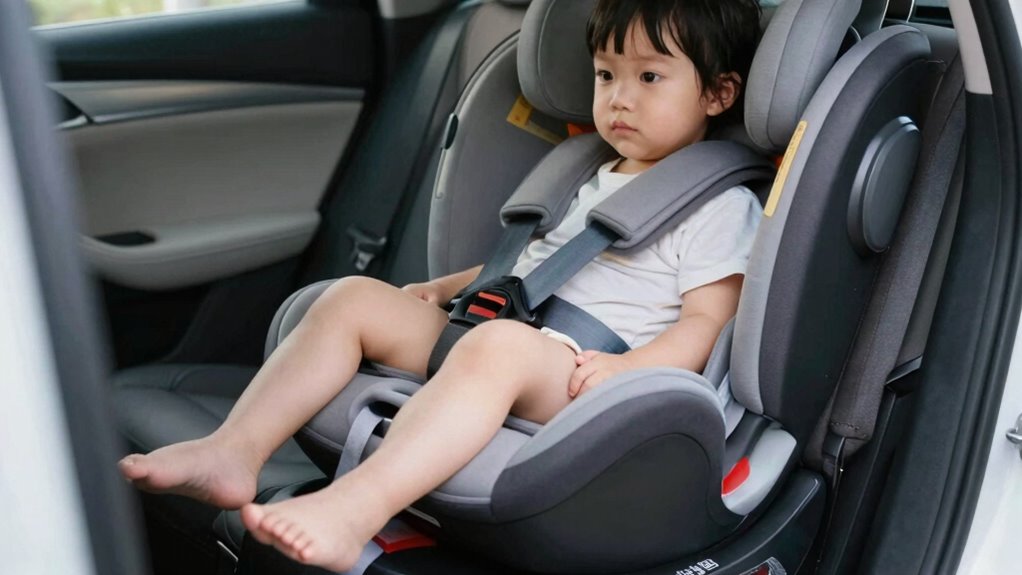
Ensuring your child’s seat belt fits properly is crucial for their safety and comfort. The belt should lie flat across their chest and hips, not the neck or stomach. Check the seat belt tension; it shouldn’t be loose or too tight. The shoulder strap must sit snugly across the shoulder without rubbing the neck or falling off the shoulder. Use this table to evaluate proper fit:
| Key Aspect | Proper Fit |
|---|---|
| Seat Belt Tension | Secure but comfortable, no slack |
| Shoulder Strap | Snug across shoulder, not on the neck or slipping off |
| Lap Belt | Lies low on hips, touching thighs |
| Chest Clip | Positioned at armpit level |
| Seat Position | Child sits straight with back against the seat |
Make adjustments as needed to guarantee a safe, comfortable fit. Proper seat belt fit is essential for child safety and should be checked regularly as your child grows. Additionally, regularly reviewing seat belt positioning ensures ongoing safety as your child develops.
Step-By-Step: Moving Your Child From Booster to Car Seat Safely
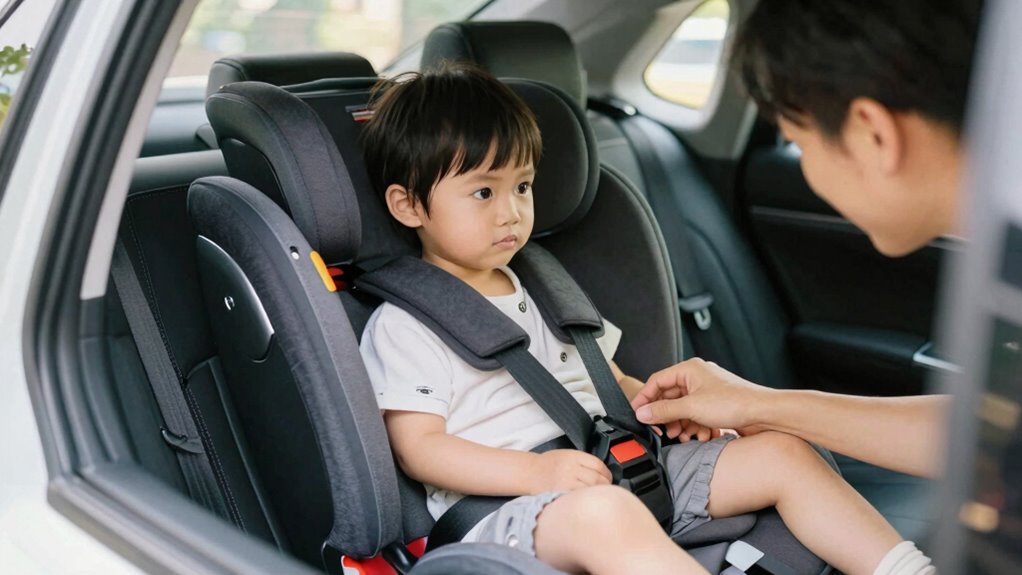
When your child has outgrown their booster seat and is ready to move to a car seat, it’s important to do so carefully to keep them safe. Start by choosing the correct car seat that fits your child’s size and adheres to booster seat laws. Before installing, read both the car seat and vehicle owner’s manuals for proper car seat installation. Secure the seat tightly, ensuring there’s no excessive movement. Adjust the harness straps so they lie flat against your child’s chest and snugly fit over their hips and shoulders. Double-check that the seat is installed correctly and that your child’s harness fits properly. Remember, the goal is to keep your child secure and comfortable, following all safety guidelines during this shift. Additionally, consulting best car seat practices can help ensure you’re making the safest transition for your child. Recognizing proper installation techniques is essential to maximize safety and prevent misuse. Being aware of piercing care and hygiene can also be beneficial if your child has any piercings, as proper hygiene can prevent irritation or infection during their safety transition. Educating yourself on child car seat regulations can further ensure compliance with local laws and safety standards. Ensuring your vehicle and seat combination complies with safety standards can provide an added layer of security.
Common Mistakes to Avoid During the Switch
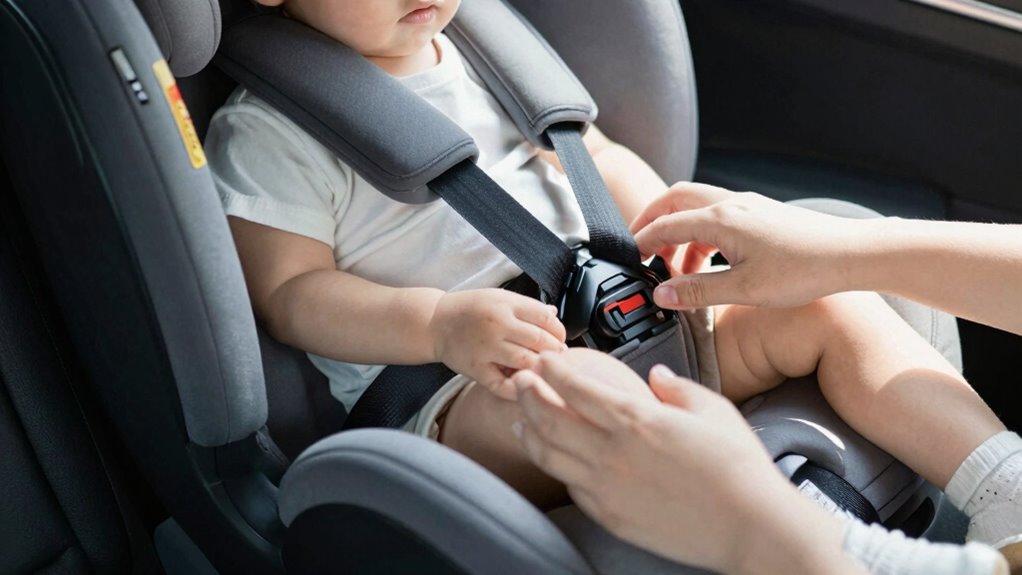
Moving your child from a booster seat to a car seat can seem straightforward, but many parents make common mistakes that compromise safety. First, believe booster seat myths that they’re enough once your child outgrows height, ignoring the importance of proper seat belt positioning. Second, seat belt misconceptions often lead parents to assume the lap belt should sit on the stomach rather than the hips, increasing injury risk. Third, rushing the switch without ensuring the seat fits correctly can leave your child vulnerable. Fourth, neglecting to read the car seat manual or vehicle instructions can result in improper installation. Be aware of booster seat myths and seat belt misconceptions to avoid these pitfalls and ensure your child’s safety during the transition. Understanding the importance of proper seat placement and how to achieve it can make all the difference in keeping your child safe. Additionally, recognizing the significance of correct installation techniques can help prevent potential accidents caused by improper setup. Knowing how to secure the harness properly further enhances safety and reduces injury risk during accidents. Furthermore, ensuring your child’s vehicle compatibility with the car seat can prevent unexpected safety issues. Being aware of emergency adjustment features can also improve overall safety during unexpected situations.
Tips for Comfort and Safety After Transitioning
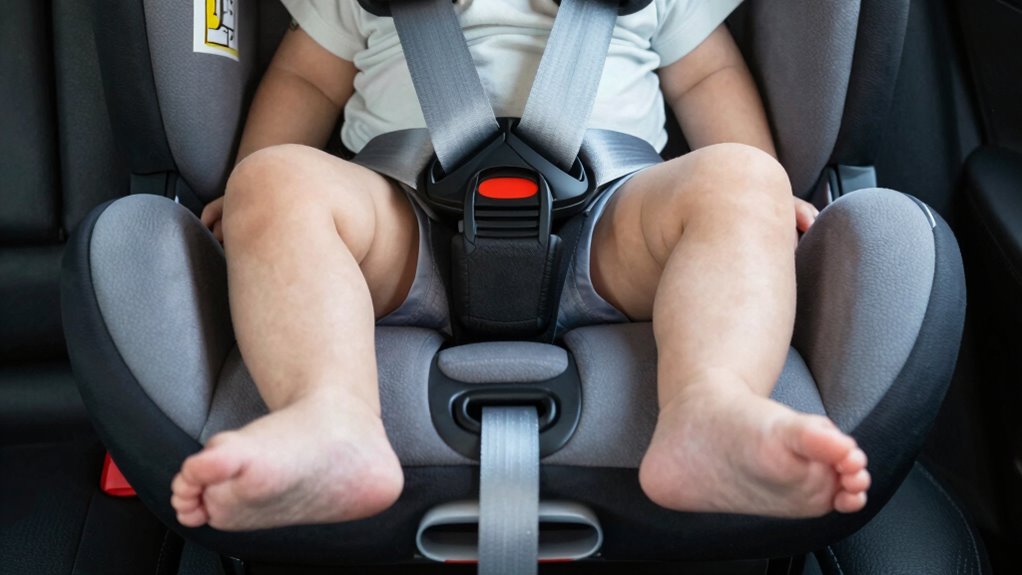
Once your child has shifted to the vehicle seat, make sure their seat is positioned correctly for maximum safety. Adjust the seat so the harness fits snugly, and their knees bend comfortably over the edge of the seat. Proper positioning and comfort are key to keeping your child safe and happy during every trip. To ensure optimal safety, also verify that the seat’s door swings do not interfere with the child’s comfort and ease of access. Additionally, regularly check the seat installation to maintain proper security and alignment. For added peace of mind, consider smart home safety features that can monitor and alert you to any issues with your vehicle or the surrounding environment.
Proper Seat Positioning
After your child shifts from a booster to the vehicle seat, guaranteeing proper seat positioning is essential for both comfort and safety. Begin by adjusting the seat belt so it fits snugly across their shoulder and chest, avoiding the neck or face. Check the seat belt height and make sure it’s properly aligned with their hips, not their stomach. Keep the seat in good condition through regular booster seat maintenance, ensuring it’s clean and free of damage. Also, position the seat so your child’s back is flat against the seatback, with their knees bent comfortably at the edge of the seat. Finally, guarantee the vehicle seat is adjusted to support their back and legs, creating a secure and comfortable fit for safe travel.
Adjusting for Comfort
Proper adjustment of the vehicle seat and seat belt is essential to guarantee your child’s comfort and safety once they switch from a booster. Make certain the seat fabric feels comfortable against their skin, avoiding rough or tight spots that could cause discomfort. Check that the padding comfort supports their body without feeling too hard or too soft. The seat should be positioned so your child’s back is fully against the seatback, with their knees slightly bent at the edge of the seat. Adjust the seat height and angle to prevent slouching or sliding, which can compromise safety. A well-fitted seat promotes better posture and reduces fatigue during car rides, making the experience safer and more comfortable for your child.
When Should You Consult a Child Passenger Safety Technician?
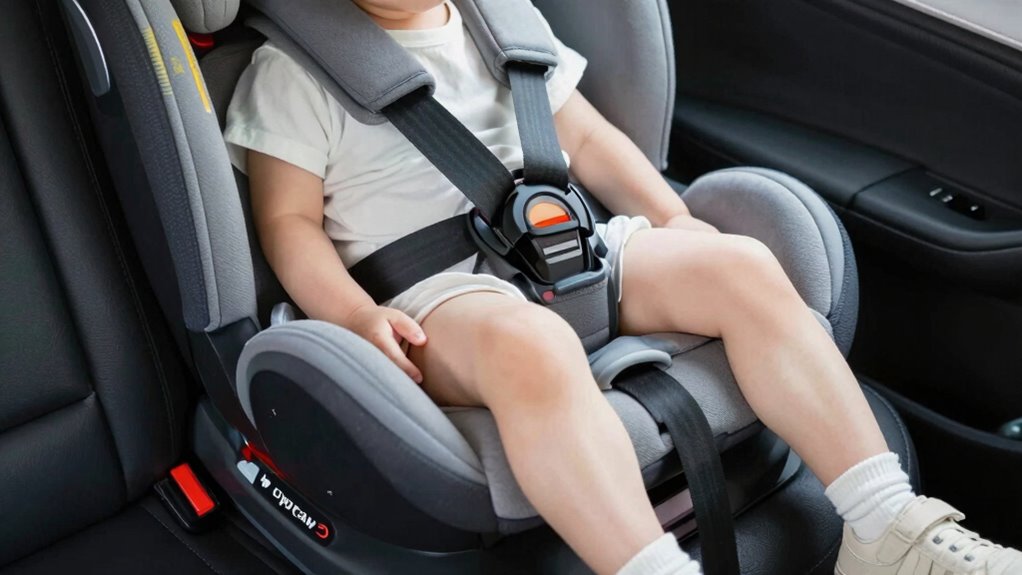
You should consult a child passenger safety technician if you’re unsure about your child’s seat belt fit or if the seat isn’t positioned correctly. They can help identify safety signs that indicate your child isn’t secure enough. Getting expert advice guarantees your child’s shift to the vehicle seat is both safe and comfortable.
Proper Seat Belt Fit
Ensuring your child’s seat belt fits correctly is crucial for their safety, but sometimes it can be tricky to tell if it’s positioned properly. A proper seat belt fit means the lap belt lies flat across the upper thighs, not the stomach, and the shoulder belt crosses the chest, not the neck or face. When your child outgrows their booster, check if their booster height allows the seat belt to fit well. Here’s what to look for:
- The booster height positions the seat belt correctly over the hips and shoulders.
- The lap belt stays snug and low on the thighs.
- The shoulder belt crosses the middle of the shoulder and chest.
- Your child’s seat belt fit remains secure without slipping or uncomfortably tight.
If these aren’t met, consult a Child Passenger Safety Technician.
Correct Seat Positioning
Even with a correctly fitted booster, your child’s seat position can sometimes be off, which could compromise safety. As your child grows, their body changes, making it vital to regularly check that the seat aligns properly with your vehicle’s seat and seat belt system. Proper seat positioning ensures the lap belt sits low across the hips and the shoulder belt crosses the chest, not the neck or face. If you notice persistent issues, like difficulty adjusting the seat or discomfort, it’s time to consult a child passenger safety technician. They can evaluate whether your child’s seat position is suitable for their current size and your vehicle’s compatibility. Regular checks help maintain safety and ensure your child remains protected as they grow.
Recognizing Safety Signs
Regularly checking your child’s booster seat position is important, but sometimes issues arise that indicate professional help is needed. Recognizing safety signs guarantees your child’s protection during travel. Signs include:
- The seat doesn’t fit properly, affecting vehicle compatibility.
- The child’s growth makes the current booster ineffective or uncomfortable.
- The seat’s belt positioning is incorrect, risking injury.
- You notice persistent slack or movement in the booster or seatbelt.
If you observe any of these signs, it’s time to consult a child passenger safety technician. They can evaluate if your child’s growth requires moving to a different seat or if adjustments are needed for maximum safety. Professional guidance helps ensure your child’s safety aligns with vehicle compatibility and their developmental needs.
Reinforcing Safe Seat Belt Habits After the Switch
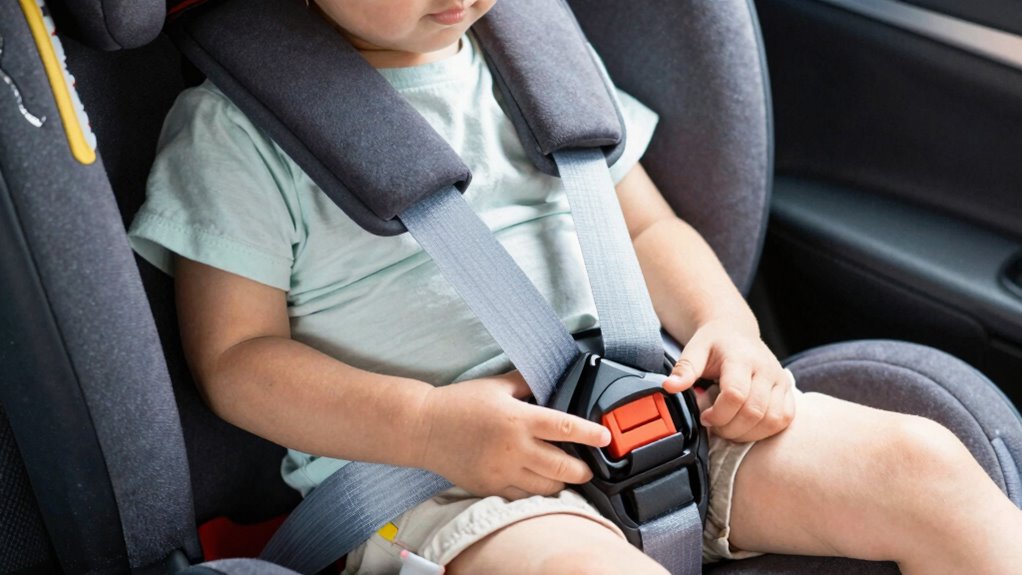
After your child switches from a booster to the vehicle seat, it’s important to reinforce proper seat belt habits immediately. Confirm the seat belt fits snugly across their hips and chest, maintaining appropriate seat belt tension. Check that the shoulder belt lies flat across the collarbone without rubbing the neck, and the lap belt stays low over the hips, not the stomach. Reinforce correct booster positioning first, so the belt aligns properly. Remind your child to sit upright with their back against the seat and feet flat on the floor. Consistently emphasizing these habits helps develop safe, lifelong seat belt use. Regularly check and adjust the seat belt fit, so it remains comfortable and secure, reducing the risk of injury in case of an accident.
Frequently Asked Questions
How Long Should a Child Remain in a Booster Seat Before Transitioning?
You should keep your child in a booster seat until they meet age guidelines, usually around 8 to 12 years old, and are tall enough to sit properly with the seat belt fitting correctly across their shoulder and lap. It’s essential they’re ready for the seat changeover, ensuring their safety and comfort. Never rush the move; wait until they’re physically and developmentally ready for the vehicle seat.
Can a Child’s Weight or Height Override Age Guidelines for Switching Seats?
Did you know nearly 60% of children are incorrectly restrained in car seats? Weight and height are vital in determining when your child should switch from a booster to the vehicle seat. If their seat belt fits properly—lying flat across the chest and snug over the hips—and their seat height allows their ears, shoulders, and hips to align with the seat’s headrest, it’s time to shift, regardless of age.
What Are the Best Practices for Introducing a New Car Seat Type?
When introducing a new car seat type, you should first check seat compatibility with your vehicle to guarantee proper fit. Follow the installation tips carefully, such as securing the seat tightly and using the vehicle’s LATCH system or seat belt as recommended. Always read the manufacturer’s instructions, and test the seat for stability. Regularly review safety guidelines to make sure your child remains secure and comfortable in the new seat.
How Do Different Vehicle Seat Designs Impact Booster Seat Placement?
Different vehicle seat designs can substantially impact booster seat placement. You should check vehicle seat compatibility to guarantee the booster fits securely and comfortably. Look for seats with flat, firm surfaces and proper lap and shoulder belt positioning. Avoid seats with deep contours or considerable curves, as they can hinder booster seat stability and proper belt alignment. Proper booster seat positioning is essential for safety and comfort for your child.
Are There Specific Brands Recommended for Safe Booster-To-Car Seat Transitions?
You might worry about brand reliability, but focus on conversion safety first. While there aren’t universally endorsed brands, look for reputable ones like Britax, Chicco, and Graco, known for quality and safety features. These brands design seats that support secure transition from booster to vehicle seat, ensuring your child’s safety. Always check the seat’s fit and stability, regardless of the brand, to make sure your child is as safe as possible during the switch.
Conclusion
Remember, when your child outgrows their booster, switching to a proper vehicle seat keeps them safe. It might seem like a hassle, but the added protection is worth it. If you’re unsure, consulting a child passenger safety technician can give you peace of mind. Trust your judgment—your child’s safety is the top priority. With the right seat and proper fit, you can confidently enjoy worry-free rides together.