

Understanding sensory processing is essential for supporting child development. It involves how your child’s brain organizes and interprets sensory information, impacting their emotional, social, and behavioral well-being. Challenges like sensory overresponsivity or underresponsivity can disrupt daily routines and interactions. By creating sensory-rich environments and tailoring activities to their unique preferences, you can promote healthy sensory development. Explore strategies and insights to help your child thrive as they navigate the world around them.

Turn the school run and nap time into listening time
- Thousands of audiobooks, podcasts and originals
- Listen on your phone, tablet or Echo — also offline
- Cancel anytime
Key Takeaways
- Sensory processing is the brain’s ability to organize and interpret sensory information, crucial for child development and behavior.
- Children may experience sensory overresponsivity, underresponsivity, or sensory-seeking behaviors affecting their daily life and emotional stability.
- Approximately 5% to 16.5% of children face sensory processing difficulties, impacting their social interactions and routines.
- Creating sensory-rich environments and incorporating regular sensory breaks can support healthy sensory development in children.
- Collaboration with therapists and establishing consistent routines can help tailor activities to individual sensory preferences, fostering security and reducing anxiety.
As an affiliate, we earn on qualifying purchases.
What Is Sensory Processing?
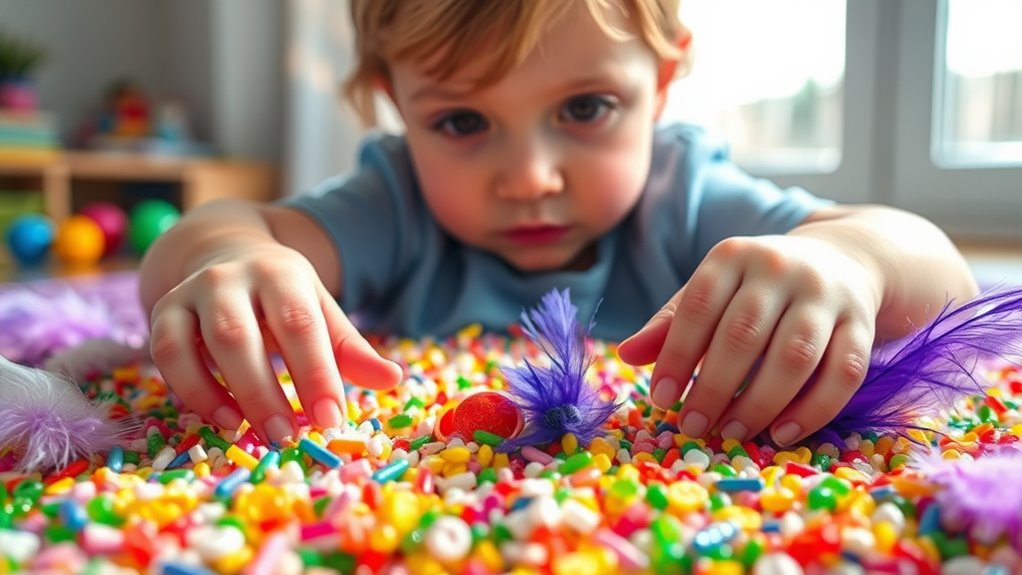
Sensory processing is the brain’s remarkable ability to organize and interpret sensory information, allowing you to interact effectively with your environment. This essential process helps you learn, socialize, and move by combining various sensory inputs to create a coherent perception of your surroundings.
Often referred to as sensory integration, it involves three key components: sensory input, sensory integration, and sensory modulation. These components work together automatically, without you even having to think about them.
However, disruptions in sensory processing can lead to challenges, manifesting as oversensitivity or undersensitivity to stimuli. Such difficulties can impact your daily routines, emotional stability, and social interactions.
Understanding sensory processing is vital for recognizing its impact on behavior and development, especially in children.
The Eight Sensory Systems

There are eight sensory systems that play a significant role in how you perceive and interact with the world around you.
The olfactory system helps you detect and recognize different scents, while the gustatory system allows you to distinguish flavors like sweet and salty.
Your visual system enables you to interpret visual information, and the auditory system helps you detect and identify sounds.
The tactile system involves your sense of touch, including sensitivity to pressure and texture.
Additionally, the vestibular system provides balance and movement awareness, and the proprioceptive system offers body awareness for precise movements.
Finally, the interoceptive system regulates internal sensations like hunger, aiding in emotional balance.
Together, these systems are essential for effective learning and development.
Common Sensory Processing Challenges

Understanding how the eight sensory systems function is essential, but it’s equally important to recognize the challenges some children face in processing sensory information.
Sensory overresponsivity may cause them to react intensely to sounds or textures, while sensory underresponsivity might lead to seeking more stimulation. Some kids actively seek intense sensory experiences, displaying sensory-seeking behaviors.
Others struggle with sensory discrimination, making it hard to process specific sensory inputs. These challenges can lead to emotional and behavioral issues, like mood swings or tantrums.
In daily life, you might notice difficulties in school, social interactions, and even at home, affecting routines. Recognizing these challenges can help you support your child’s needs more effectively.
Prevalence of Sensory Processing Difficulties

Approximately 5% to 16.5% of children experience sensory processing difficulties, making this a significant concern for many families.
In kindergarten, about 5.3% meet the criteria for sensory processing disorders, which translates to over 220,000 children in the U.S. alone. If we assume nonrespondents have similar rates, this prevalence could rise to 13.7%.
Extending these rates to all ages suggests nearly 15 million individuals in the U.S. face challenges with sensory processing.
Nearly 15 million individuals in the U.S. struggle with sensory processing challenges across all age groups.
These difficulties often coexist with neurodevelopmental disorders like autism and ADHD, complicating diagnosis and support.
While sensory processing disorder isn’t officially recognized as a standalone diagnosis, the widespread impact highlights the urgent need for awareness and understanding in supporting affected children and their families.
Supporting Healthy Sensory Development

As children navigate their world, supporting their healthy sensory development is crucial for fostering their overall growth and well-being.
You can create sensory-rich environments by using textured materials like fabrics and sand, incorporating sounds from instruments, and providing visual stimuli with bright colors.
Regular sensory breaks are important; activities such as jumping or quiet time in a calming area can help maintain balance.
Engage in messy play and outdoor exploration to promote sensory integration through play.
Remember, each child has unique sensory preferences, so collaborate with therapists to tailor activities accordingly.
Establishing consistent routines with visual schedules can also provide predictability, reducing anxiety and fostering a sense of security in your child’s daily life.
Sensory Integration Activities for Children
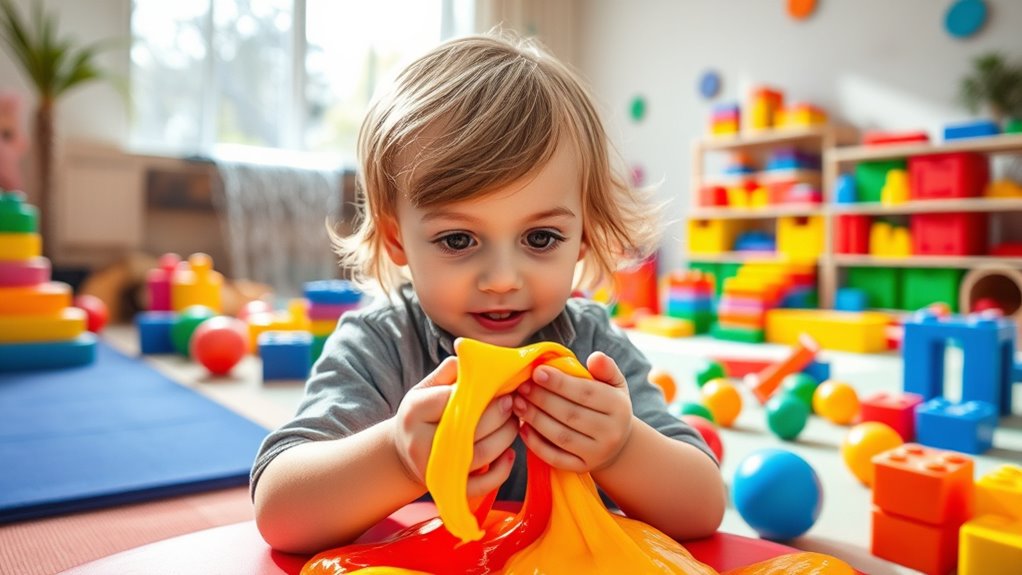
Creating a supportive sensory environment lays the groundwork for engaging in effective sensory integration activities.
Movement activities, like trampoline jumping and water play, boost balance, coordination, and emotional regulation, making them perfect for children’s cognitive growth.
Sensory bins stimulate tactile senses, while auditory games enhance listening skills.
Visual activities, such as flashlight tag, improve tracking and motor control.
You can incorporate these activities at home, in classrooms, or during outdoor scavenger hunts to foster social skills and emotional well-being.
By adapting to different learning needs, these engaging activities promote inclusion and help children navigate their sensory world, making learning both fun and effective.
Embrace these strategies to support your child’s sensory integration journey. Additionally, engaging in continuous learning about sensory processing can further enhance your approach to these activities.
Diagnostic Approaches and Tools

When evaluating sensory processing in children, a thorough approach is essential to understand their unique challenges.
You’ll find that a multidisciplinary assessment, involving various professionals, provides an extensive view of the child’s sensory processing issues. Clinical observations and behavioral studies offer insights into how children react to different sensory stimuli.
Tools like the Sensory Profile and Sensory Processing Measure can help assess sensory modulation and social participation. Additionally, standardized tests such as the Movement Assessment Battery for Children evaluate motor skills related to sensory processing.
You may also consider caregiver reports and clinical interviews, which are vital for gathering detailed information about the child’s behaviors at home and in different environments.
Collaborating With Caregivers and Therapists

Collaboration between caregivers and therapists is essential for effectively addressing sensory processing challenges in children. When you work together with professionals like ABA therapists, occupational therapists, and speech-language pathologists, you create detailed treatment plans tailored to your child’s unique needs.
Your insights about your child’s sensory preferences and sensitivities help refine these strategies, ensuring consistency between home and therapy environments. Regular communication is key, allowing you to implement techniques learned in therapy at home, which reinforces progress. Additionally, understanding how nutrition plays a role in brain development can further support your child’s sensory processing skills.
Frequently Asked Questions
How Can Parents Identify Sensory Processing Issues in Their Child?
To identify sensory processing issues in your child, start by observing their reactions to everyday stimuli.
Notice if they seem overwhelmed by loud noises, bright lights, or certain textures.
Pay attention to their behavior during changes or crowded places.
Look for signs of seeking intense stimulation, like crashing into objects.
If you notice persistent challenges, consider consulting an occupational therapist for a thorough assessment and tailored strategies to support your child’s needs.
What Role Does Diet Play in Sensory Processing Challenges?
Imagine trying to listen to your favorite song while a blender’s running. That’s how sensory processing can feel when diet’s off.
Your child’s diet impacts sensory challenges considerably. High sugar or gluten might heighten sensitivities, while nutrient-rich foods like fruits and whole grains can help regulate their senses.
Are There Specific Therapies for Sensory Processing Disorders?
Yes, there are specific therapies for sensory processing disorders. You might consider occupational therapy, which focuses on managing sensory challenges through tailored strategies.
Sensory integration therapy can help your brain adapt to stimuli via structured activities. Additionally, speech and language therapy may be necessary if communication issues arise.
Physiotherapy can improve your body’s responses. Each therapy is personalized to meet your unique sensory needs, so it’s important to consult a professional for the right plan.
How Can Schools Support Children With Sensory Processing Difficulties?
To support children with sensory processing difficulties, schools can create sensory-friendly environments, implement tailored accommodations, and promote collaboration.
You can provide alternative seating options, reduce sensory stimuli, and incorporate sensory tools. You should allow for flexible choices and integrate sensory breaks into routines.
Communicating regularly with parents and therapists guarantees thorough support. By raising awareness among staff and encouraging self-advocacy, you help children thrive in their learning and social interactions.
Can Sensory Processing Issues Change as Children Grow?
Yes, sensory processing issues can change as you grow.
Many children experience shifts in sensitivity and response to sensory input over time, often improving as they develop better regulatory skills.
Neuroplasticity allows for adjustments in how you process sensory information, especially with early intervention and support.
Engaging in diverse sensory experiences can help you adapt, making it easier to navigate sensory challenges as you mature.
Conclusion
Understanding sensory processing in children is like tuning a musical instrument; each child has a unique set of frequencies that need to be harmonized. When one string is out of tune, the whole melody can sound off. By recognizing and addressing sensory processing challenges, you can help your child create a beautiful symphony of experiences. Collaborating with therapists and caregivers guarantees that every note resonates, allowing your child to thrive in their environment and express their true self.
Fall Picks
fall essentials
As an affiliate, we earn on qualifying purchases.