Play-based learning taps into your child’s natural curiosity and desire to explore, making learning engaging and effective. It boosts cognitive skills by encouraging problemsolving and experimentation while helping children understand abstract ideas through hands-on experiences. Social interactions during play teach cooperation, empathy, and confidence. Emotional growth is fostered as kids take risks and learn resilience. Keep exploring to discover how understanding the science behind play can transform learning into a joyful, lifelong journey for your child.
Key Takeaways
- Play-based learning activates natural curiosity, promoting cognitive development through exploration and problem-solving.
- Engaging in pretend scenarios helps children understand complex ideas by making abstract concepts tangible.
- Social interactions during play foster skills like cooperation, negotiation, empathy, and conflict resolution.
- Play creates a safe environment for risk-taking, resilience, and perseverance, supporting emotional growth.
- Understanding the science of play guides educators in designing activities that enhance learning and developmental outcomes.

Have you ever wondered how children learn best? One of the most effective methods is play-based learning, which taps into their natural curiosity and desire to explore. When children engage in play, they’re not just having fun; they’re actively building essential skills. This approach is rooted in understanding how cognitive development unfolds during early childhood. Play encourages kids to experiment, solve problems, and make sense of the world around them, which strengthens their cognitive abilities. For example, when they build with blocks, they learn about balance, shapes, and spatial relationships. As they pretend to be doctors or teachers, they develop language skills, empathy, and an understanding of social roles. This type of learning turns abstract concepts into tangible experiences, making it easier for children to grasp complex ideas.
Social interaction plays a key role in this process. During play, children naturally collaborate, negotiate, and share ideas with peers. These interactions help develop their social skills, such as empathy, patience, and conflict resolution. When children work together on a game or a story, they learn to listen and express themselves clearly. They also learn about taking turns, respecting others’ opinions, and working as part of a team. These experiences are essential for building emotional intelligence and fostering a sense of community. As they navigate social situations during play, children become more confident in their ability to connect with others and handle conflicts constructively.
Furthermore, play creates a safe environment where children can take risks and try new things without fear of failure. This encourages resilience and perseverance, important traits for lifelong learning. Play-based learning also adapts to each child’s unique interests and developmental stage, making education more personalized and engaging. When children are motivated by their own curiosity, they’re more likely to internalize lessons and retain knowledge longer. Plus, because play is inherently enjoyable, children are more receptive to learning, which boosts their motivation and enthusiasm. Additionally, understanding the cognitive development process during early childhood helps caregivers and educators tailor activities that promote optimal growth.
In essence, play-based learning harnesses the natural tendencies of children to learn through play, fostering both their cognitive growth and social skills. It transforms traditional education into an engaging, interactive experience that respects each child’s individuality. As you support children in their play, remember that you’re helping them develop the crucial skills they’ll carry into their future, all while having fun. This approach not only makes learning enjoyable but also lays a strong foundation for lifelong curiosity, resilience, and social competence.
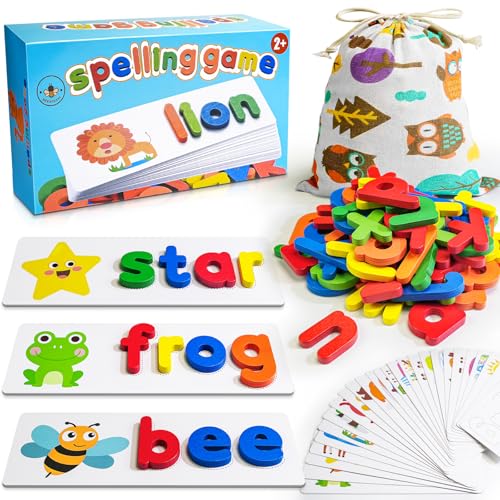
BEESTECH Alphabet ABC Learning Educational Toys for 3 4 5 Years Old Boys Girls, Wooden Puzzle Flash Cards Preschool Activity Letter Matching Games for Kids Toddlers
Wonderful Learning Toys for Toddlers 3, 4 Years Old: Toddlers just need to place the right wooden letters…
As an affiliate, we earn on qualifying purchases.
As an affiliate, we earn on qualifying purchases.
Frequently Asked Questions
How Does Play-Based Learning Impact Long-Term Academic Success?
Play-based learning boosts your child’s long-term academic success by enhancing brain development and increasing motivation. When kids engage in playful activities, their brains form stronger neural connections, improving problem-solving and critical thinking skills. This fun approach also makes learning enjoyable, encouraging children to stay motivated and curious. Over time, these benefits translate into better academic performance, helping your child develop a love for learning that lasts a lifetime.
What Are the Best Age-Appropriate Play Activities for Early Learners?
You should focus on age-appropriate play activities like sensorimotor exploration and creative arts. For early learners, activities such as finger painting, building with blocks, and simple puzzles stimulate their senses and foster creativity. These hands-on experiences help develop fine motor skills and cognitive abilities while keeping play fun and engaging. Incorporate a variety of textures, colors, and materials to support their natural curiosity and encourage learning through play.
How Can Educators Measure the Effectiveness of Play-Based Learning?
You can measure the effectiveness of play-based learning by using assessment methods like observational checklists, student portfolios, and formative assessments. Evaluation metrics such as skill development, engagement levels, and social interactions help you track progress. Regularly collecting and analyzing this data allows you to adjust activities to better support learning outcomes, ensuring that play remains a valuable tool for fostering growth and development in early learners.
Are There Cultural Differences in Implementing Play-Based Learning?
You might notice cultural perceptions greatly influence how play-based learning is implemented. In some cultures, play is seen as essential for development and is actively integrated into education, while others prioritize direct instruction. As an educator, you adapt your play integration strategies to respect cultural values, ensuring children benefit from playful learning experiences that resonate with their backgrounds. Recognizing these differences helps create inclusive, effective learning environments worldwide.
How Does Play-Based Learning Support Children With Special Needs?
Play-based learning supports children with special needs by enhancing sensory integration and social-emotional development. You help these children express themselves through play, which reduces anxiety and builds confidence. Engagement in sensory-rich activities allows them to process stimuli effectively, while social interactions foster peer relationships and emotional regulation. This approach adapts to each child’s needs, creating an inclusive environment where they can thrive and develop essential skills naturally through serious play.

Melissa & Doug Get Well Doctor Kit, 25-Piece Toddler Doctor Play Set, Realistic Pretend Play Toys & Accessories, Preschool Toys for Girls & Boys Ages 3+
Imaginative Doctor Play: Kids check on patients, give pretend shots, and write prescriptions for endless imaginative medical play…
As an affiliate, we earn on qualifying purchases.
As an affiliate, we earn on qualifying purchases.
Conclusion
Research shows that children engaged in play-based learning score 25% higher on problem-solving tests. As you see, serious play isn’t just fun—it’s a powerful tool for development. When you foster playful experiences, you’re boosting creativity, social skills, and cognitive growth. Embrace play as a essential part of learning, knowing that it helps children build a stronger foundation for future success. So, keep encouraging play—it’s the secret ingredient to unblocking their full potential.

KAKATIMES STEM Building Blocks Toys for Kids – Educational and Safe Gear Interlocking Construction Playset – Develop Creativity Preschool Brain Teaser Toys Gift for 3 4 5 Years Old Kids Boys Girls
Educational Benefits: Building blocks are excellent STEM toys that help children develop essential skills such as hand-eye coordination,…
As an affiliate, we earn on qualifying purchases.
As an affiliate, we earn on qualifying purchases.

Junior Learning Social Skills Board Games, 4 Games, Ages 5-8, Empathy & Manners, Grade 1-2
Targets the development of essential social skills such as empathy, friendship, manners, and emotional understanding.
As an affiliate, we earn on qualifying purchases.
As an affiliate, we earn on qualifying purchases.