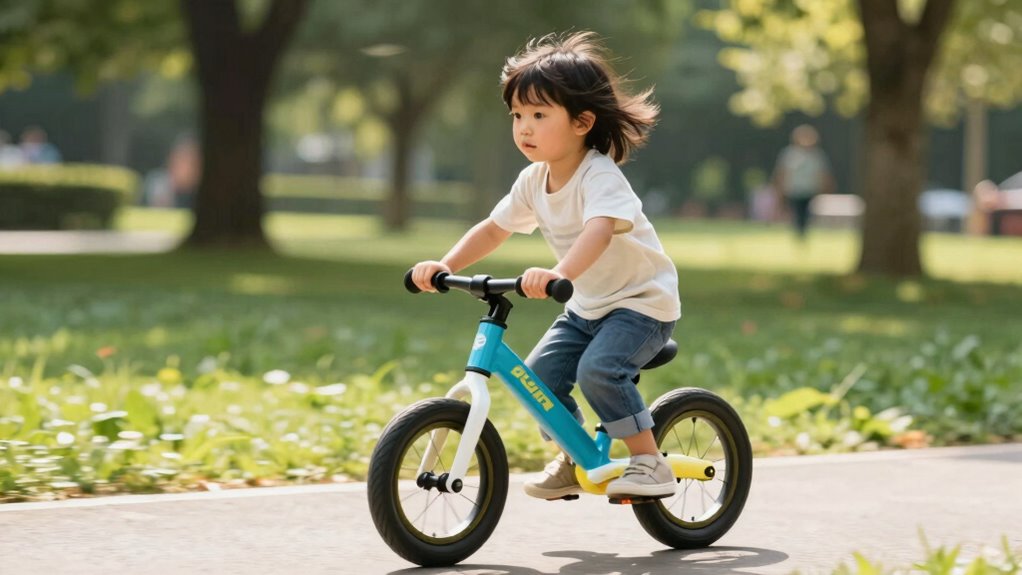

Balance bikes can actually help kids pedal faster by improving their balance, coordination, and confidence. When children learn to stay upright, steer easily, and develop motor skills on a balance bike, they build a strong foundation for pedaling efficiently later. Proper ergonomics and smoother progressions to pedal bikes also support increased speed. If you’re curious about how these skills connect and want to discover more ways balance bikes boost pedaling, keep exploring.

Turn the school run and nap time into listening time
- Thousands of audiobooks, podcasts and originals
- Listen on your phone, tablet or Echo — also offline
- Cancel anytime
Key Takeaways
- Balance bikes develop core balance and coordination, enabling smoother and more confident pedaling later.
- Early balance training encourages natural riding posture, reducing fatigue and increasing pedaling efficiency.
- Skills learned on balance bikes transfer to pedal bikes, leading to faster acceleration and improved pedaling speed.
- Proper ergonomics and wheel sizes support better momentum, facilitating quicker pedaling development.
- Increased confidence from balance bike practice reduces hesitation, promoting faster and more effective pedaling.
Products Worth Considering
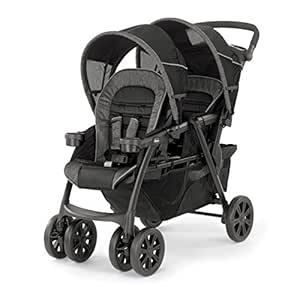
Chicco Cortina Together Double Stroller for Infants and Toddlers

LEGO Boost Creative Toolbox 17101 Fun Robot Building Set and Educational Coding Kit for Kids

Graco Ready2Grow 2.0 Double Stroller
As an affiliate, we earn on qualifying purchases.
Does Riding a Balance Bike Help Kids Pedal Faster?
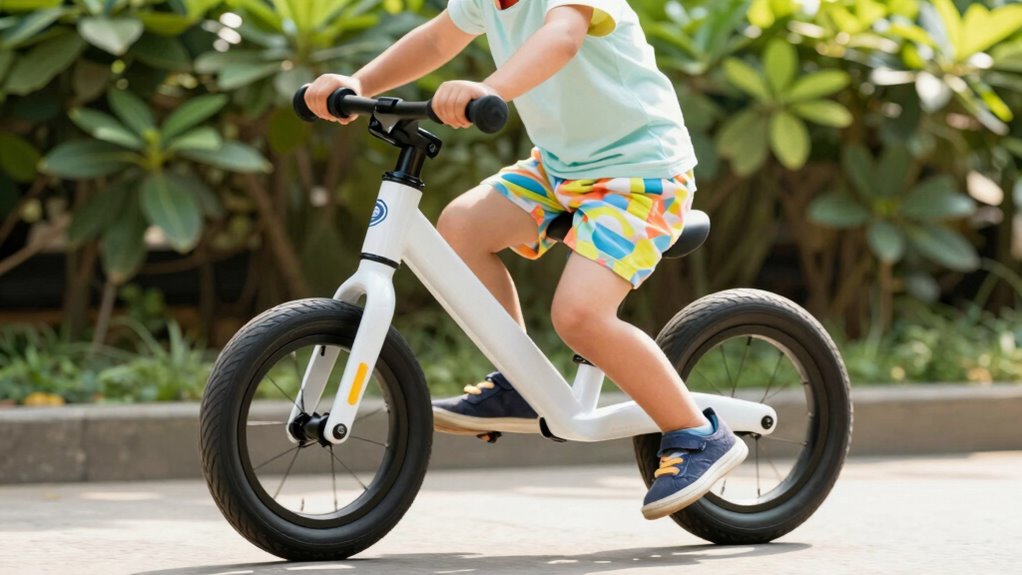
Riding a balance bike primarily helps kids develop their balance and coordination, but it can also influence their pedaling speed. The balance bike benefits include improved coordination, which helps children become more confident on regular bikes later. While balance bikes don’t have pedals, they encourage kids to focus on foot placement and smooth movement, laying a foundation for better pedal technique when they shift. This focus on stability and control can translate into more efficient pedaling when they start using pedals, potentially increasing their pedaling speed. By mastering balance and control early, kids develop a natural rhythm that makes pedaling feel easier and more coordinated. So, while balance bikes are mainly about balance, they also set the stage for quicker, more effective pedaling later on.
How Do Balance Bikes Teach Kids to Balance and Steer?
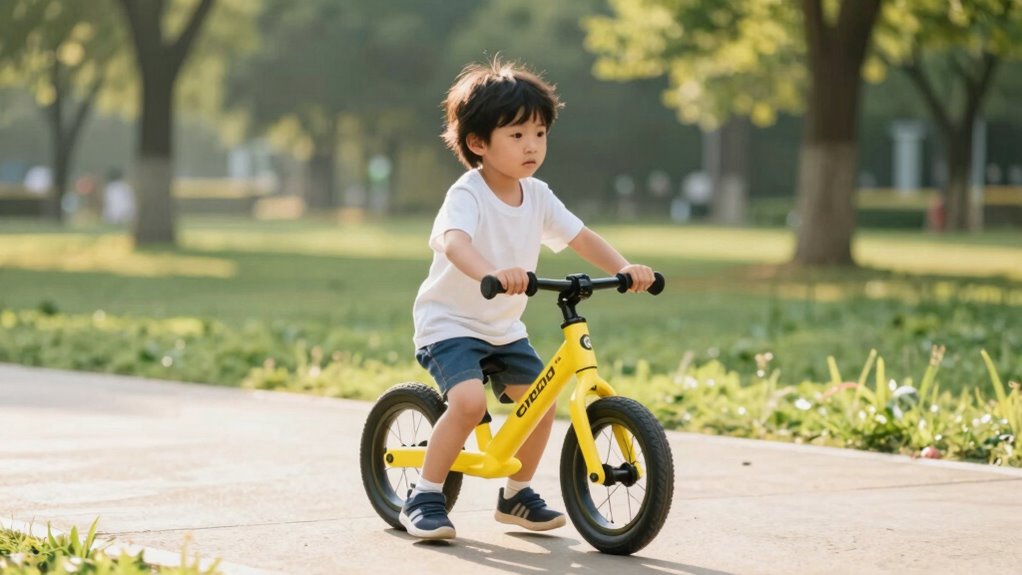
Balance bikes help your child develop essential balance skills by allowing them to stay upright and control their movement. As they get comfortable, they also improve their steering control, making turns smoother and more confident. These skills build a strong foundation for riding traditional bikes later on. Additionally, practicing proper riding techniques on a balance bike can help prevent future injuries and encourage confidence during new challenges. Using the right training methods can further enhance their learning experience and skill retention. Engaging in appropriate safety measures can also ensure a safer riding environment as kids gain confidence.
Developing Balance Skills
Since kids can start learning to balance and steer without the need for training wheels, balance bikes are particularly effective tools for developing these skills early on. They help children intuitively learn to shift their weight and maintain stability. Proper gear ratios on the bike allow smoother pedaling and easier control, reinforcing balance as they move. Additionally, tire pressure plays a fundamental role; well-inflated tires provide better traction and responsiveness, making balancing more manageable. As kids push off and glide, they develop a sense of balance and steering naturally, without relying on external support. This hands-on approach builds confidence and coordination, setting a strong foundation for future riding skills. Balance bikes effectively foster balance development through real-world experience, making riding feel more intuitive and less intimidating. Using appropriate kitchen gear and equipment can also enhance the learning process by providing comfortable and reliable support for young riders. Moreover, understanding the importance of bike maintenance ensures that the bike remains in optimal condition, further supporting a child’s learning experience.
Enhancing Steering Control
Balance bikes naturally teach kids to improve their steering control as they become familiar with turning and directing the bike. As children practice, they learn to adjust their movements smoothly, developing confidence in steering. The bike’s design often features simple gear ratios that help them understand how to control speed and direction simultaneously. Good tire grip is essential for safe steering, especially on different surfaces, allowing kids to maneuver confidently without slipping. As they gain experience, they learn to make sharp turns or gentle curves, refining their control over the bike’s steering. This foundation makes it easier for them to changeover to pedal bikes later, where steering skills are vital for safe and efficient riding. Additionally, understanding ear wax odor and other sensory cues can enhance their overall awareness and safety while riding. Incorporating sensory perception exercises can further develop a child’s ability to interpret environmental cues and respond appropriately during rides, which is a key aspect of motor skill development. Developing a good sense of environmental awareness helps children anticipate and react to obstacles more effectively during their rides. Furthermore, practicing visual perception can aid in better navigation and obstacle avoidance, boosting their confidence and control.
Can Skills From Balance Bikes Improve Pedaling Speed in Kids?
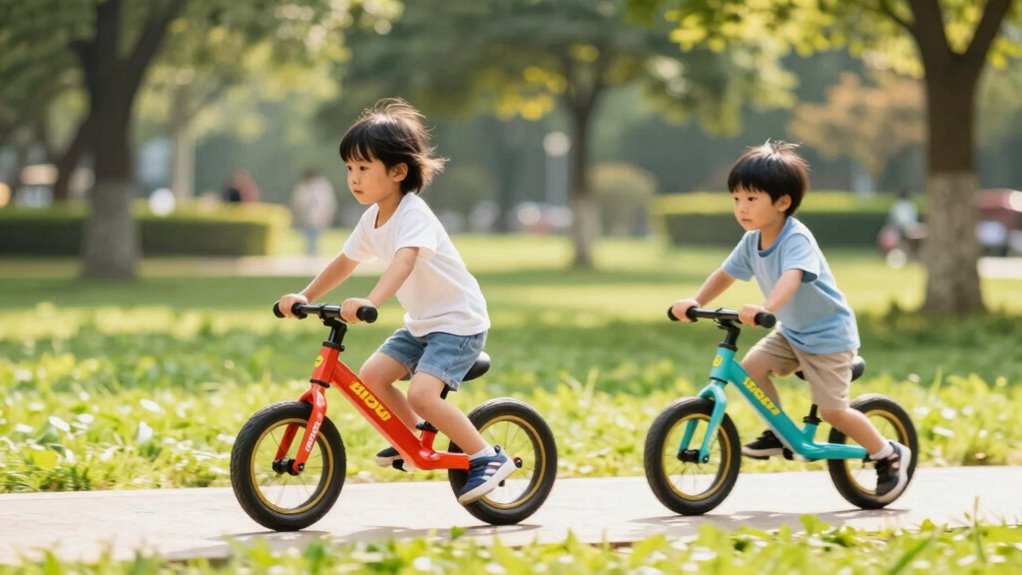
While balance skills are essential for safe cycling, they can also influence a child’s pedaling speed. When kids master balance bikes, they develop better coordination and confidence, which can translate into more efficient pedaling. Proper wheel size helps kids learn to push off and maintain momentum, making pedaling smoother and faster over time. Additionally, developing balance early encourages a natural riding posture, reducing fatigue and allowing for longer, more effective practice sessions. Active play environments support in backyard design can also create an environment that encourages more active play and skill development. Helmet safety remains vital during all riding activities, fostering good habits and protection. As children become more comfortable balancing, they often gain the ability to pedal more confidently and quickly, because they’re less focused on staying upright and more on propelling forward efficiently.
What Research Says About Balance Bikes and Pedaling Development
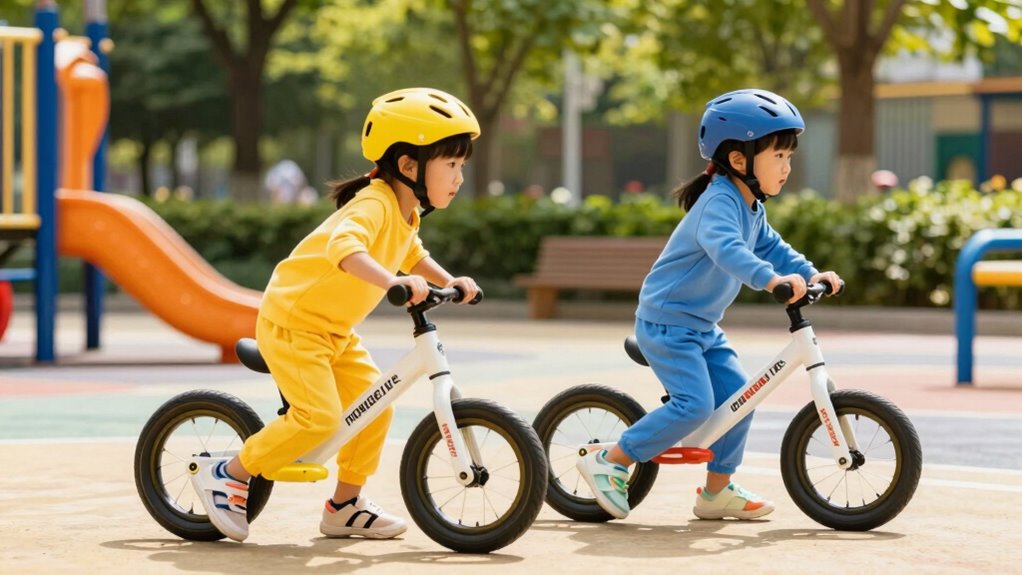
Research indicates that balance bikes can influence how kids develop pedaling timing and motor skills. You’ll find studies highlighting improvements in pedaling speed and coordination after consistent balance bike use. Let’s explore what these findings reveal about their role in pedaling development.
Balance Bikes and Pedal Timing
Studies indicate that riding a balance bike can positively influence the development of pedaling skills, even though the bike doesn’t have pedals. This early balance foundation helps children better understand gear preferences and adapt to different riding terrains. When shifting to pedal bikes, they often synchronize pedal timing more naturally. Consider these key points:
- Improved balance control allows smoother shifting between gears.
- Familiarity with varied terrains helps develop better pedal cadence.
- Early balance riding fosters confidence, reducing hesitation during pedaling.
- Understanding terrain influences gear choices, making pedaling more efficient.
- The development of motor skills through balance biking can provide a solid groundwork for more complex riding techniques.
- Additionally, the physical coordination required for balance biking can enhance overall motor development, easing the transition to pedaled bikes.
Motor Skills Development Insights
Understanding how balance bikes influence motor skills reveals valuable insights into child development. Research shows that wheel size plays a significant role in this process. Smaller wheels help beginners maintain stability, allowing children to focus on balancing and coordination. As their skills develop, larger wheels promote confidence and smoother rides, supporting further motor growth. Unlike training wheels, which can hinder balance development by providing extra support, balance bikes encourage children to actively engage their core muscles and refine their coordination. This active engagement accelerates motor skills, making it easier for kids to shift to pedaled bikes later. Additionally, proper wheel sizing ensures that children can develop their skills at an optimal pace, aligning with safe and effective motor skill progression practices. An understanding of motor skill development is enhanced when children are allowed to practice freely on appropriately sized bikes, fostering confidence and independence. Furthermore, engaging in motor skill activities with well-fitted balance bikes can significantly boost overall coordination. Overall, balance bikes, especially with appropriately sized wheels, foster natural motor development and help children build the foundational skills needed for more complex movements. Moreover, the active practice involved in using balance bikes supports the development of muscle strength necessary for pedaling and other motor activities.
Research Findings on Pedaling Speed
Recent findings indicate that children who start riding on balance bikes often develop faster pedaling skills compared to those who use alternative training methods. Research shows that balance bike ergonomics set a foundation for smoother transitions to pedaled bikes. Key factors include:
- Proper ergonomics ensure comfort, encouraging longer practice sessions.
- Optimized pedal gear ratios make pedaling easier, reducing fatigue.
- Early exposure to balance bikes improves coordination, aiding pedal motion.
- Familiarity with bike handling transfers seamlessly to pedaled bikes, boosting confidence.
- Enhanced bike components, such as improved cranksets and gear ratios, can further support efficient pedaling development.
- Incorporating ergonomic design principles in balance bikes can optimize comfort and performance, facilitating quicker skill acquisition.
- Additionally, ergonomics in bike design influence how quickly children adapt to pedaling, emphasizing the importance of thoughtful design. Incorporating ergonomic principles into balance bikes allows for more effective skill transfer and quicker adaptation to pedaling.
- Research also suggests that ergonomic considerations can reduce the risk of discomfort or injury during early riding stages, promoting consistent practice.
Studies reveal that kids with well-designed balance bikes adapt more quickly to pedaling, especially when gear ratios match their strength. This suggests that focusing on ergonomics and gear ratios during balance bike training can accelerate pedaling development effectively.
Are Kids Faster to Pedal After Using Balance Bikes?
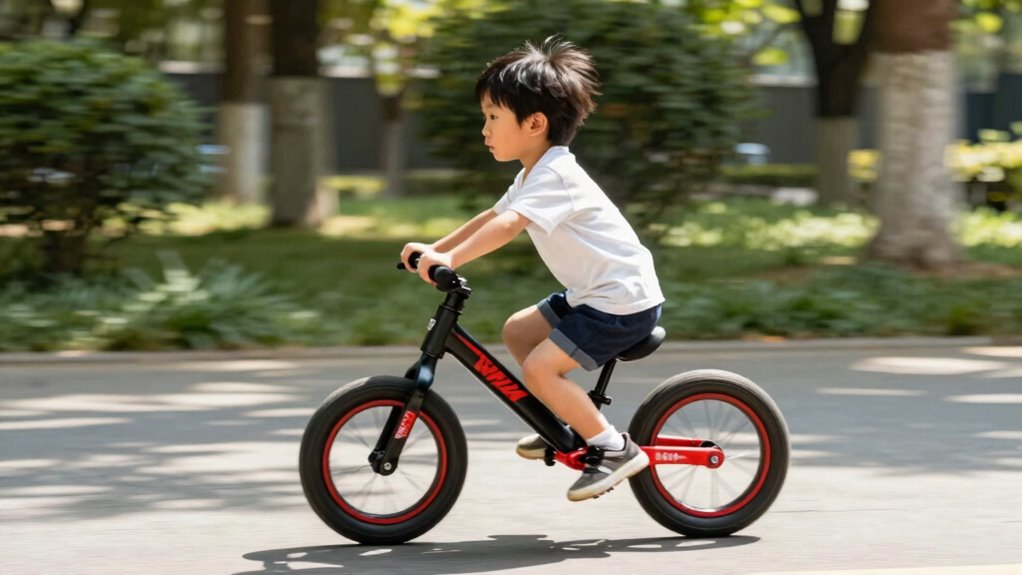
Kids often become faster at pedaling after using balance bikes because they develop better coordination and confidence on two wheels. This improved skill set helps them handle gear shifting more smoothly, allowing for quicker acceleration and better control. Balance bikes also enhance tire traction, giving kids a stronger grip and stability during pedaling. As they become more comfortable balancing, they naturally pedal more efficiently, reducing hesitation and wasted effort. The increased confidence and coordination mean kids can focus on pedaling faster without fear of falling. These benefits translate into quicker pedaling speeds, making the progression to pedal bikes easier and more instinctive. Overall, balance bikes build the foundational skills that help kids pedal faster and more confidently. Additionally, proper technique like maintaining consistent pressure and avoiding scorch can improve overall riding efficiency. Developing pedaling technique can further enhance their speed and endurance, especially when combined with core strength exercises that support better balance and power transfer. Incorporating training routines focused on these areas can accelerate their progress on two wheels.
How Does Transitioning From Balance Bikes to Pedal Bikes Affect Speed?
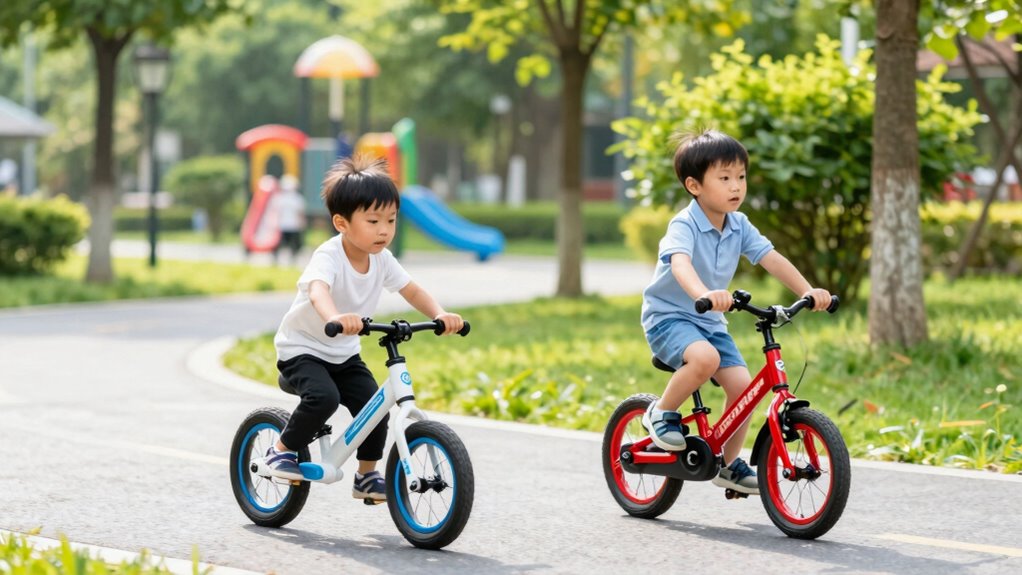
Switching from a balance bike to a pedal bike can considerably impact a child’s speed, often leading to faster pedaling once they adapt to the new bike. Several factors influence this changeover:
Transitioning from a balance bike to a pedal bike often results in increased speed as kids adapt to new mechanics.
- Wheel size: Larger wheels on pedal bikes allow smoother, quicker rides, boosting confidence and speed.
- Bike weight: Heavier bikes may slow kids down initially, but they can also improve stability, encouraging faster pedaling over time.
- Pedal mechanics: Progressing helps kids develop proper pedaling techniques, increasing efficiency.
- Balance and coordination: Improving balance on a pedal bike directly affects how fast a child pedals comfortably and safely.
- Additionally, the use of smart yard care robotic mowers and multi-unit setups can inspire children to enjoy outdoor activities more actively, indirectly encouraging faster riding.
- As children become more familiar with the bike’s ergonomic features, their confidence and riding speed tend to increase naturally.
As your child gets used to the new bike’s characteristics, their speed naturally improves, making the shift a key step toward faster, more confident riding.
What Factors Influence a Child’s Pedaling Speed and Confidence?
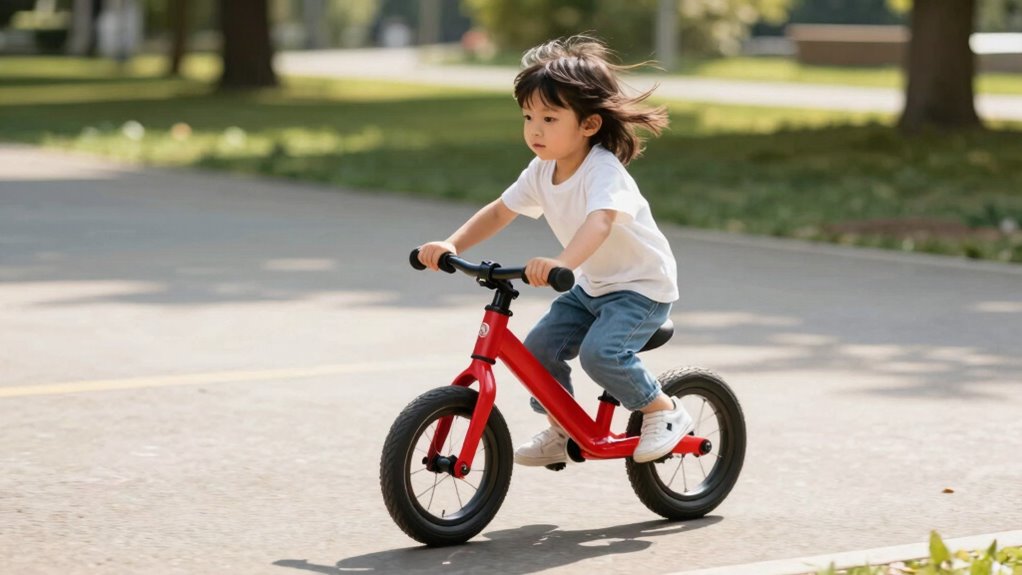
Several key factors directly influence a child’s pedaling speed and confidence. First, motor skills play a vital role; children with well-developed coordination tend to pedal faster and more confidently. Second, confidence building through positive reinforcement helps children overcome fear and try new speeds. Third, bike fit and comfort impact how easily a child pedals; a properly adjusted bike encourages better motor control. Fourth, practice frequency boosts both skills and confidence. Here’s a quick overview:
| Factor | Effect on Pedaling | Impact on Confidence |
|---|---|---|
| Motor skill | Improves coordination | Builds trust in abilities |
| Confidence building | Encourages effort | Reduces hesitation |
| Bike fit | Enhances control | Promotes comfort |
| Practice frequency | Increases speed | Strengthens confidence |
Focusing on these factors helps your child pedal faster and more confidently.
Should Parents Prioritize Balance or Pedaling Skills First?
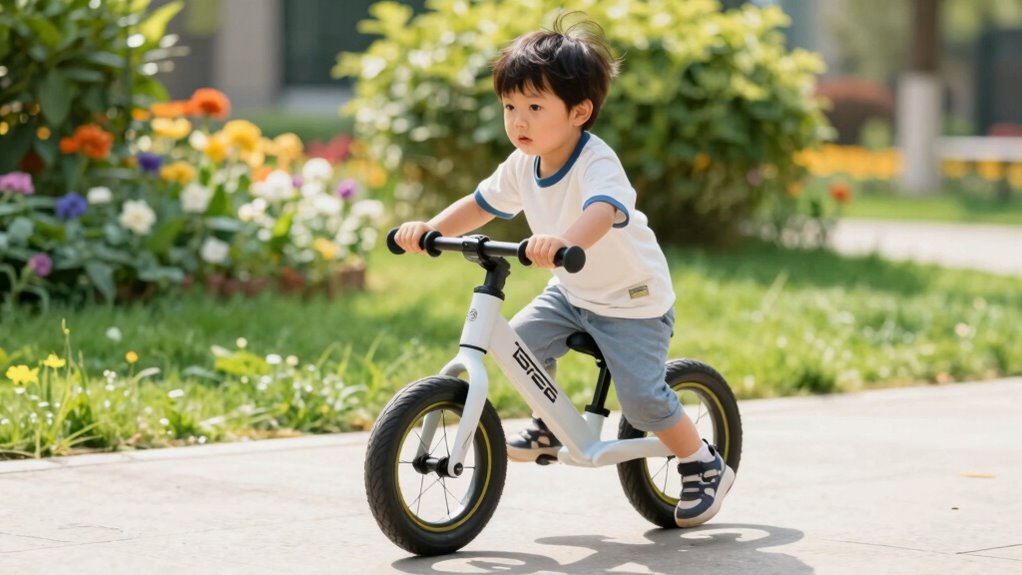
Deciding whether to focus on balance or pedaling skills first depends on your child’s individual needs and confidence level. If your child shows steady riding confidence and enjoys bike maintenance, it may be best to introduce pedaling early. Conversely, if they’re hesitant or struggle with balance, building that skill first can boost confidence. Consider these points:
Focus on balance first if your child struggles; introduce pedaling once they are confident and steady.
- Prioritize balance to develop stability and reduce falls.
- Focus on pedaling when your child is comfortable balancing independently.
- Balance skills foster overall riding confidence, easing transitions.
- Pedaling skills can be introduced gradually once balance is secure, preventing frustration.
Ultimately, tailoring your approach guarantees your child learns smoothly, maintaining enthusiasm and confidence. Balancing these skills helps them become confident riders faster, with a strong foundation in both riding confidence and bike maintenance.
Frequently Asked Questions
Do Balance Bikes Improve Overall Cycling Confidence in Children?
Yes, using a balance bike boosts your child’s cycling confidence. It helps develop essential motor skills and enhances spatial awareness, making them more comfortable on two wheels. When your child practices balancing, steering, and stopping, they naturally gain confidence, which translates to riding bigger bikes later. Balance bikes foster independence and safety, so your child feels prepared and less anxious when shifting to pedal bikes, ultimately making them more confident cyclists.
Can Balance Bikes Help Prevent Future Cycling Injuries?
Using a balance bike can help prevent future cycling injuries by teaching proper riding posture and balance early on. When your child develops good habits, they’re less likely to fall or hurt themselves later. Make sure they wear protective gear like helmets and pads, and encourage correct posture during rides. These practices build confidence and reduce the risk of injuries, setting a strong foundation for safe cycling in the future.
How Long Should a Child Use a Balance Bike Before Transitioning?
You should typically let your child use a balance bike for about 6 months to a year, depending on their comfort and skill level. Watch for signs like confident steering and balance, which indicate it’s time for a larger bike. When their bike size feels too small or they’re ready for more challenge, it’s the right moment for shift timing. This guarantees a smooth switch to a pedal bike, building confidence along the way.
Are There Age-Specific Benefits to Starting With a Balance Bike?
Starting your child on a balance bike offers age-specific benefits like enhanced motor skill development and coordination improvement. For younger children, it helps build confidence and stability early on. As they grow, the skills learned translate seamlessly to pedaled bikes, making shifts easier. Using a balance bike at the right age boosts their overall physical development, encouraging active play and fostering a lifelong love for cycling while improving coordination skills.
Do Children Who Start With Balance Bikes Learn to Pedal More Quickly?
Starting with a balance bike is like giving your child a head start in a race. They often learn pedaling speed and skill acquisition faster because they already master balance and steering. For example, my nephew shifted quickly from balance to pedal bikes, gaining confidence and speed earlier than peers. This foundation helps kids develop smoother, more coordinated pedaling, making their overall biking experience more enjoyable and efficient.
Conclusion
So, while balance bikes plant the seeds of confidence and coordination, they don’t necessarily turn your child into a speedy pedaler overnight. Think of them as the gentle winds guiding a kite higher—setting the stage for smoother shifts and better skills. Ultimately, nurturing both balance and pedaling is like tending a garden; with patience and care, your child’s riding will blossom into fun, confident adventures on two wheels.