TL;DR

Turn the school run and nap time into listening time
- Thousands of audiobooks, podcasts and originals
- Listen on your phone, tablet or Echo — also offline
- Cancel anytime
The Toy Association has started its sixth annual Toy Safety Awareness Month, sharing holiday shopping and play guidance throughout November. Its advice covers spotting counterfeit toys, using squishy toys safely, following age labels and checking product recalls; the campaign’s survey also found gaps between parents’ safety concerns and their understanding of knockoff squishies.
The Toy Association has launched its sixth annual Toy Safety Awareness Month, using November to give holiday shoppers guidance on counterfeit toys, squishy toys, age labels and product recalls. The campaign matters to families buying gifts because unsafe knockoffs may not meet U.S. toy safety requirements, while age labels and safe-use instructions can help shoppers judge whether a toy is suitable for a child.
The association says it will share safety information on social media and at playsafe.org throughout November. Resources include a Toy Shopping Checklist and a tip sheet on identifying knockoff toys. The guidance encourages shoppers to look for manufacturer details, age labels, safe-use instructions and company contact information on packaging and products.
The campaign gives particular attention to counterfeit squishy toys. The association warns that some knockoffs may tear or burst, releasing small parts or filling, or contain hazardous chemicals. It advises against heating, freezing, puncturing or biting squishy toys, and against other uses not specified by the maker. These are the organization’s safety warnings; the source report does not identify particular products or sellers.
The association also recommends buying from known brands and trusted retailers, watching for suspicious listings with misspellings or missing safety information, and checking recalls.gov before purchasing secondhand toys or accepting hand-me-downs. It cautions that party supplies, costumes, electronics and home decor are not necessarily designed or tested as toys and may include hazards such as small batteries, non-toy water beads or high-powered magnets.
How the Advice Applies to Holiday Gifts
The campaign addresses a practical challenge for families: shoppers may encounter toys that look similar to familiar products but come from unknown sellers or lack clear safety information. The Toy Association says counterfeit toys can fail to meet federal safety requirements, with possible hazards including choking if small parts break off and exposure to chemicals prohibited in toys for children.
A Wakefield Research survey of 1,000 U.S. parents, cited by the association, found that 87% said a counterfeit or knockoff toy’s lower price was not worth the potential safety risk. At the same time, 84% of parents surveyed believed knockoff squishy toys were safe for play. Those findings describe respondents’ answers, not the safety of any individual product, but they point to a knowledge gap the campaign is trying to address.
Age labels are another part of the advice. The survey found that 35% of parents viewed toy age recommendations as suggestions; the figure was 49% among Baby Boomers surveyed. The association says age grading provides safety guidance, including for toys marked for children ages 3 and up that may contain small parts. For shoppers, checking the label is one step in matching a toy to a child’s age and abilities.
Products Worth Considering

Graco TrueCoat One Electric Airless Paint Sprayer

Graco Ready2Grow 2.0 Double Stroller
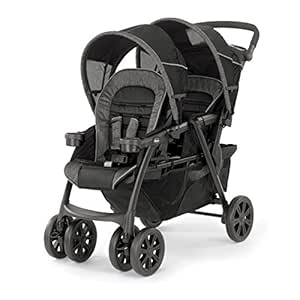
Chicco Cortina Together Double Stroller for Infants & Toddlers
As an affiliate, we earn on qualifying purchases.
The Campaign’s November Safety Focus
This is the sixth annual Toy Safety Awareness Month, according to The Toy Association. The initiative is timed to holiday shopping and focuses on purchase decisions as well as supervision during play. The association describes toys as a source of fun, enrichment and family bonding, while urging shoppers to take precautions before buying and to follow products’ safety guidance.
Joan Lawrence, the association’s “Toy Safety Mom” and senior vice president of standards and regulatory affairs, said the campaign is responding in part to the popularity of squishy toys and the appearance of unsafe knockoffs. The source report does not give market figures for counterfeit toys or detail how many unsafe products have been identified. Its guidance is presented as consumer advice, not as a notice of a specific recall or enforcement action.
The organization’s checklist extends beyond new toys: it advises consumers to check recalls.gov before buying secondhand items or taking hand-me-downs. It also warns that products sold for parties, costumes, electronics or home decor are not necessarily subject to toy design and testing expectations, even when children may use or handle them.
““The holidays are a joyful time, and toys bring an added element of fun, enrichment, and bonding to gatherings with family and friends.””
— Joan Lawrence, The Toy Association’s “Toy Safety Mom” and senior vice president of standards and regulatory affairs
What the Survey and Warnings Do Not Show
The source report does not identify particular counterfeit toys, sellers or incidents, and it gives no estimate of how many products fail to meet safety requirements. It also does not provide the survey’s field dates, margin of error, respondent demographics beyond the stated sample size and reported age-group comparison, or the exact questions asked. The percentages should be read as survey responses, not as measurements of how common unsafe toys are among products on sale.
The association warns about potential hazards, but the report does not describe testing results for specific squishy toys or confirm that any named product contains hazardous chemicals. It also does not announce a new regulation, recall or government action. Shoppers who find a product concerning can use recall information and manufacturer details, but the source material does not set out a process for reporting suspicious listings.
More Guidance During November
The Toy Association says it will continue posting safety guidance on social media and at playsafe.org throughout November. Shoppers can consult the site’s Toy Shopping Checklist and squishy toy tip sheet while evaluating products, reviewing age labels and checking recall information for secondhand purchases.
The next developments described in the announcement are additional campaign posts, not a scheduled policy decision or product action. The association has not provided a date for a final campaign report or said whether it will publish further survey findings. Families should assess each toy’s labeling and instructions and check current recall information rather than treating the campaign’s general warnings as confirmation that a particular item is unsafe.
Key Questions
What is Toy Safety Awareness Month?
It is The Toy Association’s sixth annual November campaign offering toy shopping and play-safety guidance. The association says it will share information on social media and at playsafe.org.
What should shoppers check before buying a toy?
The association advises shoppers to look for manufacturer information, age labels, safe-use instructions and company contact details. It also recommends buying from known brands and trusted retailers and being cautious about listings with misspellings or missing safety information.
What does the association say about squishy toys?
It warns that counterfeit squishies may tear or burst, releasing small parts or filling, or may contain hazardous chemicals. The association advises against heating, freezing, puncturing or biting them or using them in other ways not specified by the manufacturer.
Why do toy age labels matter?
The association says age grading is safety guidance, not merely a suggestion. Some toys marked for children ages 3 and up may contain small parts, so shoppers should read labels when choosing a toy for a child.
Where can shoppers check toy recalls?
The association recommends checking recalls.gov, particularly before buying secondhand toys or accepting hand-me-downs. Its other campaign resources are available at playsafe.org.
Source: toybook.com