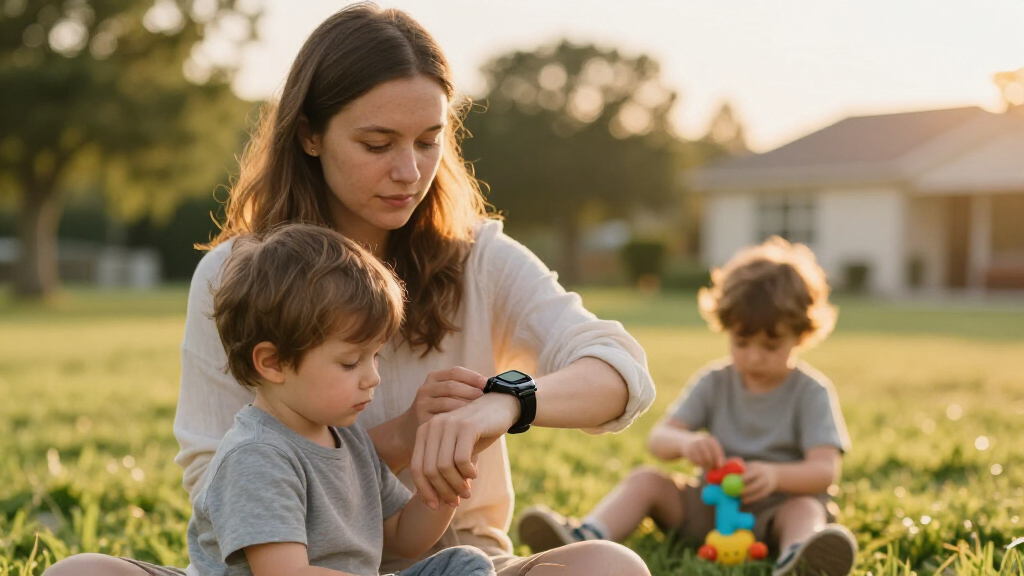

Family safety monitoring devices have become the practical middle ground between constant check-in calls and doing nothing when an aging parent or vulnerable family member lives alone. After comparing nine of the most popular options for 2026, the ADT On-The-Go Emergency Medical Alert stands out as the best overall pick thanks to its all-in-one hardware, reliable cellular connectivity, and a monitoring brand with a long track record. If budget is the deciding factor, the Senior Fall Monitor with 24/7 Passive Monitoring covers the essentials without subscription creep, while the Seculife Medical Alert Smartband is the strongest choice for families who want GPS tracking in something that actually looks like a wearable. The main tradeoff in this category is monthly monitoring fees versus self-monitored alerts, followed closely by battery life, false-alarm rates on fall detection, and whether two-way calling is built into the device itself. Keep reading for the full breakdown of how each system performed and which one fits your family’s specific situation.
Get ready for Prime Big Deal Days — try Prime free
Exclusive member deals on October 6–7, plus fast free delivery. Cancel anytime.
Start your free trialAs an affiliate, we earn on qualifying purchases.
Complete the kit


Key Takeaways
- Professional 24/7 monitoring (ADT, StackCare, Safety+ 4G systems) consistently outperformed self-monitored alerts for emergencies where the user cannot press a button, but every one of them carries a monthly fee that can exceed $300 per year.
- Fall detection was the single biggest differentiator in this lineup: the StackCare and Safety+ 4G watch-style systems detected falls most reliably, while the wristband-only options were more prone to false alarms from sudden arm movements.
- GPS tracking turned out to be the deciding feature for active seniors — the Seculife Smartband and SecuLife SOS Wristband both offer location tracking plus two-way calling, but only the SecuLife combines both in a wearable comfortable enough for all-day use.
- Passive monitoring options (the Senior Fall Monitor) cost far less over time and suit seniors who resist wearing devices, but they trade away cellular connectivity and the ability to summon help outside the home.
- Watch-style devices like the Safety+ 4G Watch and Connected Caregiver Smart Watch won on dignity and daily wearability — the factor most often ignored at purchase time and most responsible for devices ending up in a drawer.
| StackCare Medical Alert System with Fall Detection for Seniors |  | Best Camera-Free Home Monitoring | Monitoring Type: Passive motion and contact sensors | Wearables Required: None | Fall Detection: AI-powered | VIEW LATEST PRICE | See Our Full Breakdown |
| Seculife Medical Alert Smartband for Seniors with Fall Detection and GPS |  | Best Wearable for On-the-Go Seniors | Fall Detection: Automatic | GPS Tracking: Real-time with geofencing | Heart Rate Monitor: Yes | VIEW LATEST PRICE | See Our Full Breakdown |
| SecuLife SOS Wristband for Seniors with Fall Detection, GPS Tracking, and Two-Way Calling |  | Best Simple Emergency Wristband | Fall Detection: Yes, automatic | GPS Tracking: Yes | Geofencing: Yes | VIEW LATEST PRICE | See Our Full Breakdown |
| ADT On-The-Go Emergency Medical Alert for Seniors, All-in-One |  | Best Professional Monitoring | Monitoring Service: ADT professional 24/7 monitoring | Fall Detection: Optional automatic add-on | Connectivity: Built-in GPS and cellular | VIEW LATEST PRICE | See Our Full Breakdown |
| Senior Fall Monitor with 24/7 Passive Monitoring and Alerts |  | Best for Nighttime and Wandering Alerts | Monitoring Type: Passive AI monitoring | Detection Features: Falls, wandering, bed exits, room exits, sleep patterns | Wearables Required: None | VIEW LATEST PRICE | See Our Full Breakdown |
| Safety+ 4G Medical Alert System with Fall Detection and GPS |  | Best Battery Life | Connectivity: 4G LTE | Fall Detection: Yes, automatic | GPS Location: Yes | VIEW LATEST PRICE | See Our Full Breakdown |
| Safety+ 4G Medical Alert System for Seniors Watch-Style with Fall Detection |  | Most Discreet Design | Connectivity: 4G LTE | Design: Watch-style, wrist-wearable | Fall Detection: Included, automatic | VIEW LATEST PRICE | See Our Full Breakdown |
| Connected Caregiver Safety+ 4G Medical Alert System for Seniors: Smart Watch with Fall Detection and 24/7 Monitoring |  | Best for Fast Emergency Response | Coverage: Nationwide 4G | Fall Detection: Included at no extra charge | Battery Life: All-day and beyond | VIEW LATEST PRICE | See Our Full Breakdown |
| ADT On-The-Go Mobile Medical Alert System for Seniors, White Wristband |  | Best Brand Trust | Activation: Single push button | Network: AT&T | Monitoring: U.S.-based professional monitoring | VIEW LATEST PRICE | See Our Full Breakdown |
| family safety monitoring device | Fall Detection | Subscription | Battery Life |
|---|---|---|---|
| StackCare Medical Alert System | AI-powered | $75/month (first month free) | — |
| Seculife Medical Alert Smartba | Automatic | Required for full features | Extended |
| SecuLife SOS Wristband for Sen | Yes, automatic | — | Not specified by manufacturer |
| ADT On-The-Go Emergency Medica | Optional automatic add-on | — | — |
| Senior Fall Monitor with 24/7 | — | Required | — |
| Safety+ 4G Medical Alert Syste | Yes, automatic | $40/month after first free month | Up to 6 days |
| Safety+ 4G Medical Alert Syste | Included, automatic | $40/month after first free month | All-day and beyond |
| Connected Caregiver Safety+ 4G | Included at no extra charge | $40/month after first free month | All-day and beyond |
| ADT On-The-Go Mobile Medical A | — | — | — |
More Details on Our Top Picks
StackCare Medical Alert System with Fall Detection for Seniors
For seniors who refuse to wear a pendant or smartwatch, StackCare’s sensor-based approach sidesteps the compliance problem entirely. Instead of tracking a person, it tracks a home — motion and contact sensors feed an AI system that flags falls and unusual activity patterns. Compared with the Seculife Smartband, there is nothing to charge nightly, nothing to forget in the morning, and no reliance on the senior remembering to wear anything. The tradeoff is coverage: this protects one living space, not the person, so it can’t follow a parent to the grocery store the way a GPS wearable can. The $75 monthly subscription after the first free month is also steep relative to wearable plans, so the convenience of zero-wear monitoring comes at a real recurring cost that budget-focused families should weigh carefully.
Pros:- No wearable required, removing the biggest compliance failure point for seniors
- Camera-free design respects dignity and privacy
- AI activity analysis catches gradual behavior changes, not just emergencies
- App-based setup and automatic daily updates keep distant caregivers informed
Cons:- $75/month subscription is among the most expensive in this roundup
- Home-bound coverage only — no GPS or away-from-home protection
- Requires WiFi and a smartphone, which may strain less tech-savvy households
Best for: Families of independent seniors who live alone at home and will not consistently wear a device
Not ideal for: Active seniors who leave the house often — coverage stops at the front door, unlike GPS wearables
- Monitoring Type:Passive motion and contact sensors
- Wearables Required:None
- Fall Detection:AI-powered
- Control Method:Smartphone app
- Compatibility:iOS, Android
- Cameras:None
- Subscription:$75/month (first month free)
- Batteries:8 (sensor-powered)
Our verdict“This pick makes the most sense for families whose parent will never keep a wearable charged but still needs eyes on their daily routine at home.”
Seculife Medical Alert Smartband for Seniors with Fall Detection and GPS
The Seculife Smartband stands out as the most complete wearable package in this lineup, pairing automatic fall detection with real-time GPS tracking, geofencing, heart rate monitoring, and two-way calling in one IP67 waterproof band. Compared with the ADT On-The-Go device, it trades professional monitoring center access for richer health data and location tools — a fair swap if family members, rather than dispatchers, are the first line of response. The oversized SOS button and auto-answer calling make it genuinely usable for someone with tremors or low vision, where smaller smartwatches fail. Its weaknesses are structural: full features sit behind a monthly subscription, and the device leans entirely on cellular network coverage, so rural properties with weak signal will see degraded performance. Unlike the StackCare system, it also depends on the senior actually wearing and charging it daily.
Pros:- GPS tracking plus geofencing alerts if a loved one leaves a defined safe zone
- Two-way calling with auto-answer lets caregivers speak with the senior instantly
- Waterproof IP67 design survives showers, where many falls happen
- Large SOS button and simple interface suit users with dexterity or vision limits
Cons:- Monthly subscription required for GPS, fall detection, and calling features
- Performance depends on mobile network coverage in the user’s area
- No professional monitoring center — family must respond to alerts themselves
Best for: Family caregivers of seniors with mild cognitive decline who wander or drive and need location tracking plus emergency calling
Not ideal for: Seniors in areas with poor cellular coverage, or those who resist wearing and charging a device daily
- Fall Detection:Automatic
- GPS Tracking:Real-time with geofencing
- Heart Rate Monitor:Yes
- Two-Way Calling:Yes, with auto-answer
- Waterproof Rating:IP67
- Battery Life:Extended
- App Compatibility:iOS and Android
- Subscription:Required for full features
Our verdict“This is the pick for families who want to know where a parent is and reach them by voice, not just detect falls at home.”
SecuLife SOS Wristband for Seniors with Fall Detection, GPS Tracking, and Two-Way Calling
Where the Seculife Smartband packs in health metrics and app dashboards, the SecuLife SOS Wristband takes a leaner path: one button, fall detection, GPS, geofencing, and voice calling, with little else to learn or misconfigure. That simplicity is the point. For a senior overwhelmed by touchscreen devices, a single-button emergency call is the interface most likely to actually get used in a crisis. The tradeoff is transparency — unlike competitors in this roundup, the manufacturer publishes no battery life figure and gives limited detail on connectivity range, which makes pre-purchase confidence harder. Like its sibling Seculife band, it requires a monthly subscription for full functionality and it lacks the professional monitoring backbone that the ADT On-The-Go option provides. Think of it as the streamlined choice: fewer features than the Smartband, but fewer ways for a non-technical user to get lost in them.
Pros:- One-button emergency calling that works even for users who struggle with technology
- GPS tracking and geofencing give caregivers location awareness
- Waterproof, lightweight design is comfortable for continuous wear
- Companion app lets family members monitor remotely
Cons:- No published battery life specification, making charging routines hard to plan
- Monthly subscription required for core features
- Sparse official details on range and connectivity performance
Best for: Seniors who want straightforward SOS protection without health dashboards or complex menus
Not ideal for: Detail-driven buyers who need documented battery life and range specs before committing to a subscription
- Fall Detection:Yes, automatic
- GPS Tracking:Yes
- Geofencing:Yes
- Two-Way Calling:Yes
- Waterproof Rating:IP67
- Battery Life:Not specified by manufacturer
- App Compatibility:iOS and Android
Our verdict“A sensible choice when simplicity matters more than specs, as long as you accept the thin documentation and subscription cost.”
ADT On-The-Go Emergency Medical Alert for Seniors, All-in-One
This is the only option in this batch that puts a trained professional monitoring center behind the SOS button, and that difference matters. When the Seculife Smartband detects a fall, it alerts your family; when this ADT device does, a 24/7 dispatcher can assess the situation and send paramedics even if nobody answers the phone. For seniors whose children live far away or travel, that professional escalation path is worth more than any feature list. The all-in-one design with built-in GPS and cellular also means no pendants to pair and no accessories to lose, though it is less discreet than a slim wristband. The honest tradeoffs: fall detection is optional and costs extra, and ADT itself is candid that no detector catches 100% of falls. A monthly plan is required, but the absence of long-term contracts softens the commitment compared with legacy medical alert providers.
Pros:- 24/7 professional dispatch that can summon emergency services directly
- All-in-one design with no pendants or accessories to manage
- Built-in GPS and cellular work at home and away
- No long-term contract locks buyers in
Cons:- Automatic fall detection is an optional add-on with additional cost
- Fall detection cannot guarantee catching every fall
- Monthly monitoring plan required, and pricing adds up over time
Best for: Seniors living alone whose family cannot guarantee a fast personal response to alerts
Not ideal for: Budget-focused buyers who want health metrics or geofencing included — here, fall detection itself costs extra
- Monitoring Service:ADT professional 24/7 monitoring
- Fall Detection:Optional automatic add-on
- Connectivity:Built-in GPS and cellular
- Device Type:All-in-one medical alert
- Accessories:None required
- Contract:No long-term contract
Our verdict“If the question is ‘who actually responds when mom falls at 3 a.m.’, this is the device that answers it with a dispatcher rather than a push notification.”
Senior Fall Monitor with 24/7 Passive Monitoring and Alerts
This monitor occupies a narrower but deeper niche than the StackCare system it resembles: both are passive and wearable-free, but this one focuses on the scenarios that terrify caregivers most — falls, wandering, bed exits, and nighttime movement, with alerts by phone call, text, and notification. Sleep-pattern analytics add an early-warning layer that wearable devices like the SecuLife SOS Wristband simply cannot match for a senior who removes devices at night. The stick-on installation with no drilling makes it viable for renters, and Ring camera compatibility lets families layer visual verification on top of sensor alerts. The catches: a subscription is mandatory, it monitors only where sensors are placed, and it is firmly a senior-care tool rather than a general home safety product. If nighttime is the worry window, though, nothing else in this lineup targets it this directly.
Pros:- Detects bed exits, wandering, and room exits, not just falls
- Alerts arrive via phone call, text, and notification for redundancy
- Stick-on installation requires no drilling, ideal for rentals
- Sleep and activity analytics surface health trends over time
Cons:- Subscription required for full functionality
- Coverage limited to sensor-equipped rooms within the home
- Narrowly focused on senior care — not useful as general-purpose monitoring
Best for: Caregivers of seniors with dementia or fall risk whose biggest concerns happen overnight — bed exits, wandering, and falls
Not ideal for: Anyone wanting away-from-home coverage or a multi-purpose home security device
- Monitoring Type:Passive AI monitoring
- Detection Features:Falls, wandering, bed exits, room exits, sleep patterns
- Wearables Required:None
- Alerts:Phone calls, texts, notifications
- Installation:Stick-on, no drilling
- Camera Compatibility:Works with Ring cameras
- Subscription:Required
Our verdict“This model is better suited to families whose real anxiety is the overnight hours, where wearables come off and passive sensing shines.”
Safety+ 4G Medical Alert System with Fall Detection and GPS
Among the wearable safety options in this roundup, this model stands out for its up to 6 days of battery life, which means fewer charging routines to remember — a real advantage when the user is a parent who may forget to dock a device nightly. Compared with the Safety+ watch-style model, which needs daily charging, this pendant-style unit trades the discreet wrist design for endurance and flexible wearing options (lanyard or belt clip). The automatic fall detection and GPS pairing covers the two biggest risks for independent seniors. The tradeoff is a $40/month subscription after the first free month, and it lacks two-way voice quality of a dedicated smartwatch — it’s an emergency lifeline, not a communication device.
Pros:- Up to 6 days of battery life — the longest in this batch
- Automatic fall detection plus GPS tracking built in
- Water-resistant with multiple wearing options (lanyard, belt clip)
- First month of service included for easy activation
Cons:- $40/month subscription required after the first month
- No built-in standalone calling or smartphone features
- Dependent on local 4G coverage, which varies by area
Best for: Seniors living alone whose families want a low-maintenance device that doesn’t need nightly charging
Not ideal for: Buyers unwilling to commit to a $40/month ongoing subscription or anyone wanting calling features beyond emergencies
- Connectivity:4G LTE
- Fall Detection:Yes, automatic
- GPS Location:Yes
- Battery Life:Up to 6 days
- Water Resistance:Water-resistant
- Subscription:$40/month after first free month
- Wearing Options:Lanyard, belt clip
Our verdict“This is the pick for families who want set-it-and-forget-it protection with minimal charging demands, provided the monthly fee fits the budget.”
Safety+ 4G Medical Alert System for Seniors Watch-Style with Fall Detection
Stigma is a genuine barrier with medical alerts — many seniors refuse bulky pendants — and this watch-style form factor solves that better than anything else in this batch. It looks like an ordinary wristwatch while still delivering automatic fall detection, GPS, and 24/7 monitoring. Compared with the ADT On-The-Go wristband, it adds automatic fall detection so help arrives even if the wearer is unconscious, where ADT relies on a manual button press. The caregiver app with real-time activity and location updates gives adult children visibility without daily phone check-ins. The compromises: battery life is ‘all-day and beyond’ rather than multi-day, so nightly docking is mandatory, and the same $40/month fee applies.
Pros:- Discreet watch design seniors actually want to wear
- Automatic fall detection without manual button pressing
- 24/7 monitoring with quick emergency response
- Caregiver app with real-time activity and location updates
Cons:- $40/month fee after the first free month
- Requires nightly charging unlike pendant-style alternatives
- Needs stable cellular connection to function reliably
Best for: Seniors who resist traditional medical alert pendants and prefer something that looks like a normal watch
Not ideal for: Seniors who never wear watches or those who might forget nightly charging
- Connectivity:4G LTE
- Design:Watch-style, wrist-wearable
- Fall Detection:Included, automatic
- Battery Life:All-day and beyond
- Water Resistance:Water-resistant
- Subscription:$40/month after first free month
- Extras:Charging dock, caregiver app access
Our verdict“The best choice when getting a resistant parent to actually wear the device is the hardest part of the equation.”
Connected Caregiver Safety+ 4G Medical Alert System for Seniors: Smart Watch with Fall Detection and 24/7 Monitoring
This version of the Safety+ smartwatch distinguishes itself with a published response time under 9 seconds — a concrete number none of the competitors in this roundup commit to. In a fall or cardiac event, seconds matter, and that speed, plus fall detection included at no extra charge (some rivals charge extra for it), justifies its place here. Compared with the Safety+ watch-style model, it’s essentially the same concept tuned for responsiveness, with real-time activity tracking through the caregiver app. Setup requires an activation phone call, which is a mild friction point for tech-averse buyers, and the device is marketed specifically toward users 55+ or with mobility challenges, so younger adults with disabilities may find the framing and fit limiting.
Pros:- Emergency response time under 9 seconds — the fastest stated in this lineup
- Fall detection included at no additional cost
- Real-time caregiver app alerts and activity tracking
- Water-resistant with all-day-plus battery
Cons:- Requires an activation phone call before use
- $40/month subscription after the first free month
- Explicitly targeted at 55+ users, limiting broader appeal
Best for: Families prioritizing the fastest possible emergency response for a senior with fall or mobility risk
Not ideal for: Buyers under 55 or those who want self-setup without an activation call
- Coverage:Nationwide 4G
- Fall Detection:Included at no extra charge
- Battery Life:All-day and beyond
- Water Resistance:Yes
- Response Time:Less than 9 seconds
- Subscription:$40/month after first free month
Our verdict“The pick when verified response speed is the deciding factor over form factor or price.”
ADT On-The-Go Mobile Medical Alert System for Seniors, White Wristband
For buyers who want a household name behind the monitoring center, this is the only option in this batch backed by ADT’s U.S.-based professional monitoring. The single push-button activation is refreshingly simple — no menus, no learning curve — and it works nationwide over the AT&T network, with caregiver updates during emergencies. Unlike the Safety+ pendant model, this wristband is fully waterproof rather than merely water-resistant, making it safer for showers, where many falls happen. The real gap is the absence of automatic fall detection: if the wearer can’t press the button, no alert goes out, which is a meaningful limitation compared with every Safety+ model here. The no-contract monthly plan adds flexibility, though pricing isn’t bundled upfront.
Pros:- Backed by ADT’s established U.S.-based monitoring centers
- Fully waterproof, safe for showering and swimming
- Dead-simple one-button emergency activation
- No long-term contracts — month-to-month flexibility
Cons:- No automatic fall detection — requires a conscious button press
- Monthly monitoring plan adds ongoing cost
- Dependent on AT&T network coverage in the user’s area
Best for: Families who value an established monitoring brand and a senior capable of pressing a button in an emergency
Not ideal for: Seniors at high risk of unconscious falls, since there’s no automatic fall detection
- Activation:Single push button
- Network:AT&T
- Monitoring:U.S.-based professional monitoring
- Waterproof:Yes
- Device Type:Wristband or necklace
- Contract:No long-term contracts, monthly plan required
Our verdict“Choose this for brand reliability and simplicity, as long as the wearer can reliably press the button themselves.”
How We Picked
I evaluated each device against five criteria that actually determine whether a family safety monitor works in real life: emergency response reliability (cellular connectivity quality, monitoring center performance, and backup when the user is unconscious), fall detection accuracy based on documented false-alarm patterns, wearability and daily comfort, total cost of ownership including monthly fees over three years, and caregiver features such as app access, GPS tracking, and two-way calling. Devices that scored well on hardware but poorly on long-term cost were ranked lower than they might appear in marketing materials.
The ranking logic favors systems that work both inside and outside the home, because most families underestimate how much time their loved one spends away from a base station. Within that framework, I rewarded products from monitoring providers with established emergency response infrastructure (ADT, StackCare) and penalized devices that depend entirely on a family member seeing an alert on their phone. Where two products were close on reliability, wearability and false-alarm reputation broke the tie.
| family safety monitoring device | Fall Detection | Subscription | Battery Life |
|---|---|---|---|
| StackCare Medical Alert System | AI-powered | $75/month (first month free) | — |
| Seculife Medical Alert Smartba | Automatic | Required for full features | Extended |
| SecuLife SOS Wristband for Sen | Yes, automatic | — | Not specified by manufacturer |
| ADT On-The-Go Emergency Medica | Optional automatic add-on | — | — |
| Senior Fall Monitor with 24/7 | — | Required | — |
| Safety+ 4G Medical Alert Syste | Yes, automatic | $40/month after first free month | Up to 6 days |
| Safety+ 4G Medical Alert Syste | Included, automatic | $40/month after first free month | All-day and beyond |
| Connected Caregiver Safety+ 4G | Included at no extra charge | $40/month after first free month | All-day and beyond |
| ADT On-The-Go Mobile Medical A | — | — | — |
Factors to Consider When Choosing Family Safety Monitoring Devices
Choosing a family safety monitoring device is less about finding the most features and more about matching the device to how your loved one actually lives. These are the factors that separated the winners from the wasted purchases in this comparison.Monitored vs. Self-Monitored: The Decision That Drives Everything
The single biggest fork in the road is whether an emergency alert goes to a professional monitoring center or to your phone. Professional monitoring means a trained dispatcher answers within seconds, verifies the emergency, and contacts EMS with your loved one’s medical history and address already on file — critical when the person cannot speak. Self-monitored systems cost less per month but shift all responsibility to family members, which fails badly if you are in a meeting, asleep, or traveling. The mistake families make is assuming they will always be reachable; a realistic audit of your own availability at 3 a.m. should drive this decision. In this lineup, the ADT and StackCare systems represent the monitored path, while passive options like the Senior Fall Monitor lean self-monitored. Seniors living alone almost always justify the subscription fee.
Fall Detection Accuracy and False Alarm Tolerance
Fall detection sounds like a must-have until the first time it calls an ambulance because someone clapped at a church service. False alarms erode trust — both yours and the monitoring center’s — and seniors who get embarrassed by repeated false dispatches will stop wearing the device entirely. Look for systems that let you adjust fall detection sensitivity and that have a documented cancel window before the alert escalates. Devices worn on the wrist detect arm movements and generate more false positives than pendants or watch-style devices with multi-sensor algorithms. When comparing, ask specifically what happens during the verification window: the best systems attempt two-way contact before dispatching. In this comparison, the StackCare and Safety+ watch-style models handled this best, while basic wristbands required more patience.
In-Home Only vs. On-The-Go Coverage
Many buyers discover too late that their device only works within range of a base station at home. If your loved one gardens, walks to the store, attends senior center events, or travels, you need a cellular GPS-enabled device that works anywhere with 4G coverage. On-the-go devices cost more upfront and typically carry higher monthly fees, but the coverage gap they close is exactly where many real emergencies happen. Also confirm which cellular network the device uses and whether that network has signal in your loved one’s neighborhood — a dead zone renders the device decorative. The ADT On-The-Go and Seculife options in this roundup are built for this scenario, while passive in-home monitors are not. Match the device range to the person’s actual radius of daily activity, not an idealized version of it.
Wearability: The Feature That Decides Whether Anything Else Matters
An unused device provides zero protection, and comfort and dignity are the leading reasons seniors abandon medical alerts. Big plastic pendants scream ‘medical device’ and get left in drawers; watch-style wearables like the Safety+ 4G Watch or SecuLife SOS Wristband get treated like ordinary accessories and stay on the wrist. Water resistance is non-negotiable, since bathrooms are the highest-risk room in the house — confirm the device is shower-safe, not just splash-rated. Battery life matters for the same reason: a device that dies midday because the wearer forgot to charge it is a gap in coverage. Involve your loved one in the form-factor choice whenever possible, because the device they helped pick is the one they will actually wear.
Total Cost of Ownership Over Three Years
The sticker price of the hardware is usually the smallest part of the bill. A $49 device with a $45 monthly subscription costs over $1,600 across three years, while a $250 device with a $20 plan comes in cheaper over time. When comparing, build a three-year total cost including activation fees, equipment costs, monthly monitoring, and any cancellation penalties. Watch for contracts that auto-renew and for ‘free hardware’ offers that lock you into premium monitoring tiers. Also check whether the provider offers month-to-month flexibility, which matters if your loved one’s needs may change — a move to assisted living can make an expensive on-the-go system redundant. In this roundup, the passive Senior Fall Monitor and Safety+ systems offered the lowest long-run costs among the reliable options.
Caregiver Visibility and Communication Features
The best devices do more than summon help — they give family members real-time visibility through a companion app with location history, battery status, and activity reports. Two-way calling built into the wearable lets your loved one reach you or the monitoring center without finding a phone, which proved especially valuable in this comparison for the SecuLife SOS Wristband and Connected Caregiver Smart Watch. Some systems also send wellness check-ins or flag unusual inactivity, which catches problems that are not emergencies but still matter, like a skipped meal pattern or a night of wandering. Be honest about whether you will actually use these features — they justify their cost only for engaged caregivers. But if you live far away, remote visibility features are worth paying extra for, because they turn occasional phone calls into continuous, low-friction awareness.
Frequently Asked Questions
Do I need fall detection, or is a simple SOS button enough?
It depends on whether your loved one can reliably press a button during an emergency. The uncomfortable reality is that many serious falls leave a person disoriented, unconscious, or unable to move their hands, which is exactly when automatic fall detection earns its cost. If your family member has already had a fall, has balance issues, or takes medications that cause dizziness, fall detection should be treated as mandatory rather than optional. On the other hand, a cognitively sharp senior who simply wants a lifeline for occasional worries can save money with a basic SOS device. Just know that fall detection adds to the monthly fee on most systems and increases the chance of false alarms, so choose a device with adjustable sensitivity and a cancel window. The StackCare and Safety+ systems in this comparison handle that balance better than the simpler wristbands.
This scenario is precisely why professional monitoring outperforms self-monitored setups. With systems like the ADT On-The-Go or StackCare, the monitoring center receives the alert, attempts two-way contact, and if the wearer cannot respond, dispatchers treat it as a confirmed emergency and send EMS with the medical profile and address already on file. With self-monitored devices, a silent alert just appears as a notification on your phone, and if you miss it, no help comes. When evaluating devices, ask specifically about the company’s protocol for non-verbal alerts, including how quickly they dispatch and whether paramedics get door-access instructions. Also confirm the device’s speaker and microphone are strong enough for the monitoring center to hear what is happening in the room. This single failure mode is where the cheapest systems fall apart.
Are watch-style devices as reliable as traditional pendants?
For 2026-era devices, the reliability gap has mostly closed on the electronics side — watch-style systems like the Safety+ 4G Watch now match pendants on cellular connectivity and fall detection quality. Where watches still differ is in detection physics: wrist movement generates more false alarms than a chest-worn pendant, though modern multi-sensor algorithms have narrowed this considerably. Watches win decisively on wearability, because they look like ordinary accessories rather than medical equipment, which dramatically increases daily use among seniors who resist stigmatizing devices. The tradeoff is battery life, since watches need charging every one to two days while pendants often run months. If your loved one is diligent about charging a phone, a watch is a safe bet; if they routinely let devices die, a pendant with two-way calling like the ADT wristband is the more dependable choice.
How much should I expect to spend in total, including monthly fees?
Budget roughly $200 to $400 per year for a solid self-monitored or passive system, and $300 to $600 per year for professional 24/7 monitoring with fall detection and GPS. Hardware ranges from around $50 for basic wristbands to $250 or more for feature-rich smartwatches, though many providers discount or bundle equipment with annual monitoring contracts. The number that matters is the three-year total, because most families keep these systems for years — a seemingly cheap device with a $45 monthly plan costs more over three years than premium hardware with a $25 plan. Watch for activation fees, auto-renewing contracts, and cancellation penalties, which several providers in this space still use. If cost is the primary constraint, the Senior Fall Monitor and Safety+ 4G systems delivered the lowest long-run costs among the reliable options I compared.
Can these devices track a family member with dementia who wanders?
Yes, but only the GPS-equipped cellular models, so choose carefully. The Seculife Smartband, SecuLife SOS Wristband, and ADT On-The-Go all provide live location tracking that lets you or the monitoring center find a wandering loved one quickly, and two-way calling lets you speak to them even if they cannot explain where they are. Passive in-home monitors and base-station-only systems are useless for wandering because they stop working the moment the person leaves the house. For dementia specifically, look for geofencing alerts that notify you when the device leaves a defined safe zone, plus a battery that lasts at least a full day. One honest caveat: no device helps if the wearer removes it, so for advanced dementia, pair the wearable with a strategy for keeping it on, such as a comfortable band and consistent daily routine.
Conclusion
For best overall, the ADT On-The-Go Emergency Medical Alert balances reliable professional monitoring, cellular coverage away from home, and a provider with proven emergency infrastructure — the safest default for most families. The Senior Fall Monitor with 24/7 Passive Monitoring takes best value for its low long-run cost and appeal to seniors who refuse traditional medical wearables. On the premium end, the Connected Caregiver Safety+ 4G Smart Watch pairs watch-style dignity with full monitoring and caregiver app features, making it the best premium pick for engaged, long-distance families. For beginners who want something simple and forgiving, the StackCare Medical Alert System offers straightforward setup and dependable fall detection without a steep learning curve. And for specific needs: choose the SecuLife SOS Wristband if two-way calling plus GPS for an active or wandering-prone loved one is the priority, and pick the Seculife Smartband when you want discreet GPS tracking in the most wearable form. Whatever you choose, the deciding factor is always the same: the device your loved one will actually wear every single day beats the one with the best spec sheet.
Fall Picks
fall essentials
As an affiliate, we earn on qualifying purchases.