
TL;DR
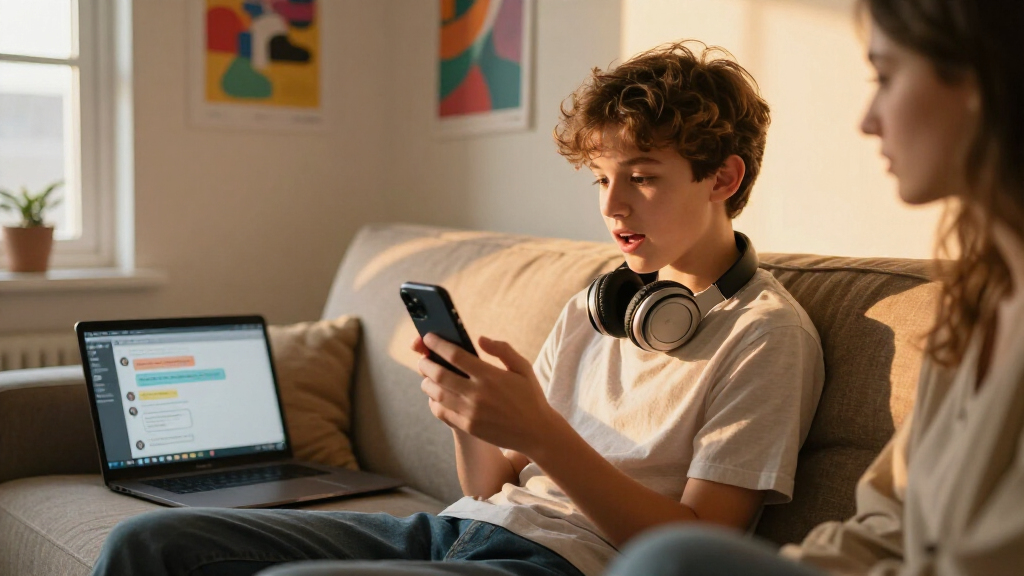
Children and teenagers are increasingly turning to AI chatbots for emotional support, according to a recent podcast. Experts discuss the implications for mental health and digital well-being. The trend raises questions about safety, effectiveness, and future reliance on AI.
Children and teenagers are increasingly turning to artificial intelligence chatbots for emotional support, according to a recent podcast. This trend highlights a shift in how young people seek mental health assistance, raising questions about the role of technology in emotional well-being. Experts say the rise in AI use among youth is notable but also prompts concerns about safety and effectiveness.
The podcast features interviews with mental health professionals, parents, and young users who report engaging with AI chatbots such as Replika and ChatGPT for companionship, stress relief, and emotional validation. While some teens find these interactions helpful, mental health experts caution that AI cannot replace professional therapy and may sometimes provide misleading or unhelpful responses.
Data from the podcast indicates that a growing number of children and teens are using these AI tools, especially during periods of social isolation or mental health crises. The trend is driven partly by accessibility—AI chatbots are available 24/7 and often free—and by the stigma some young people associate with seeking traditional mental health services.
Researchers note that while AI can offer immediate comfort, there are risks, including dependency, exposure to inappropriate content, and the potential for AI to reinforce negative thoughts if not properly monitored. The podcast also discusses the lack of regulation and oversight in many AI applications used by minors.
Potential Impact on Youth Mental Health and Safety
This trend is significant because it reflects a shift in how young people seek emotional support, with AI becoming a readily accessible resource. While AI chatbots can provide immediate comfort, reliance on them might delay seeking professional help or lead to unanticipated psychological effects. The rise underscores the need for careful regulation, parental oversight, and further research into AI’s role in mental health support for minors.
As an affiliate, we earn on qualifying purchases.
Rise of Digital Tools in Youth Mental Health Support
Over recent years, digital mental health tools have gained popularity among young people, especially during the COVID-19 pandemic when access to in-person services was limited. AI chatbots have become more sophisticated and widespread, with some platforms specifically marketed toward teens and children. While some mental health advocates see potential benefits, concerns about safety, privacy, and effectiveness persist.
This development follows broader discussions about digital health interventions and the increasing integration of AI into everyday life. Experts have previously warned about the risks of unregulated AI use among vulnerable populations, including minors.
“AI chatbots can be a helpful supplement for emotional support, but they should never replace professional mental health care, especially for young people in crisis.”
— Dr. Laura Chen, child psychologist
Unclear Long-Term Effects and Safety of AI Support
It is not yet clear what the long-term psychological effects of relying on AI chatbots for emotional support will be among children and teens. Experts warn about potential dependency, misinformation, and privacy risks, but comprehensive studies are still underway to assess these concerns. Regulatory frameworks are also still developing, leaving gaps in oversight.
Monitoring Trends and Developing Guidelines for Safe Use
Researchers and policymakers are expected to increase studies on AI’s impact on youth mental health, while tech companies may implement new safety features and guidelines. Parents, schools, and mental health professionals will likely need to collaborate to develop best practices for safe and effective use of AI tools among minors. Further regulation and oversight are anticipated in the coming months.
Key Questions
Are AI chatbots safe for children and teens?
While AI chatbots can offer immediate comfort, their safety depends on proper regulation, oversight, and content moderation. They should not replace professional mental health care.
Can AI chatbots replace therapy for young people?
No, AI chatbots are not a substitute for professional therapy. They can serve as supplementary tools but lack the capacity to address complex mental health issues.
What are the risks of children using AI for emotional support?
Risks include dependency, exposure to inappropriate content, misinformation, and potential privacy breaches. Parental supervision and proper safeguards are essential.
Will there be regulations for AI use among minors?
Regulatory efforts are underway, but comprehensive guidelines are still being developed to ensure safety and privacy for young users of AI tools.
How can parents support their children’s mental health in the digital age?
Parents should encourage open communication, monitor AI usage, promote in-person social activities, and seek professional help when needed.
Source: rss