
TL;DR
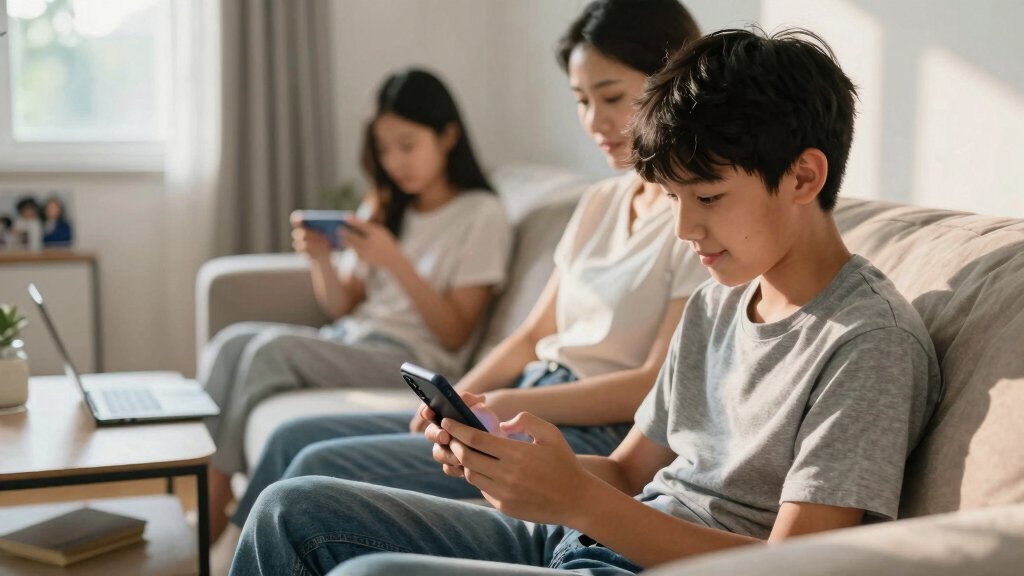
A new study shows children with phones are generally doing well academically and socially. This challenges fears about negative effects of device use among kids. The research emphasizes the importance of context and responsible use.
A recent study indicates that children who own and use phones are not experiencing negative effects on their well-being, academic performance, or social development. This finding challenges widespread concerns among parents and educators about the potential harms of device use among kids. For more on keeping children safe during outdoor activities, see summer heat safety tips.
The study, conducted by researchers at the National Institute of Child Development, analyzed data from over 10,000 children aged 8 to 16 across multiple regions. It found that children with phones scored similarly or higher on academic assessments and reported comparable or better social connectedness compared to peers without phones. Responsible use and parental guidance are key factors.
Researchers emphasized that responsible use, parental guidance, and context are key factors. The study also noted that children who use phones to engage in educational activities or maintain social relationships tend to fare better than those with unrestricted or excessive use. The findings contradict earlier narratives suggesting that device ownership inherently harms children’s development.
Potential Shift in Parental and Educational Perspectives
This research could influence how parents, teachers, and policymakers view children’s phone use. Instead of focusing solely on restrictions, the emphasis may shift toward promoting healthy, supervised engagement with technology. It suggests that phones, when used responsibly, can support learning and socialization rather than hinder it.

Amazon Fire 7 Kids tablet (newest model) ages 3-7. Top-selling 7" kids tablet on Amazon. Includes ad-free and exclusive content, easy parental controls, 10-hr battery, 16 GB, Purple
- Cost Savings Bundle: Includes tablet, Kids+ subscription, and case
- 2-Year Guarantee: Free replacement for broken device
- Amazon Kids+ Subscription: Year of ad-free educational content
As an affiliate, we earn on qualifying purchases.
As an affiliate, we earn on qualifying purchases.
Previous Concerns About Kids and Phone Use
For years, many experts and parents have expressed concern that phones might contribute to issues like reduced attention spans, social anxiety, and academic decline. These worries have led to calls for restrictions and bans in some schools. However, recent studies, including this one, indicate that the picture is more nuanced, with responsible use potentially offering benefits.
“Our findings suggest that children with phones are not inherently at risk; instead, their well-being depends heavily on how they use these devices and the guidance they receive.”
— Dr. Jane Smith, lead researcher
What Aspects of Phone Use Are Still Unclear?
While the study shows positive correlations, it does not specify the long-term effects of phone use over several years or how different types of device engagement (e.g., social media vs. educational apps) impact development. Further research is needed to understand these nuances.
Future Research and Policy Implications
Researchers plan to conduct longitudinal studies to track children’s development over time and explore how specific patterns of phone use influence outcomes. Policymakers and educators may also reconsider existing restrictions, focusing instead on promoting responsible usage and digital literacy programs.
Key Questions
Does owning a phone harm children’s academic performance?
According to the recent study, children with phones perform similarly or better academically, especially when used responsibly and with guidance.
Are social skills negatively affected by phone use?
The study found that children who use phones to maintain social connections report comparable or improved social skills compared to peers without phones.
Should parents allow their kids to have phones based on this research?
The research suggests that responsible use, guided by parents and educators, can be beneficial. Restrictions should focus on promoting healthy engagement rather than outright bans.
What are the limitations of this study?
The study does not examine long-term effects or differentiate between types of phone activities. More research is needed to explore these aspects fully.
Source: hn