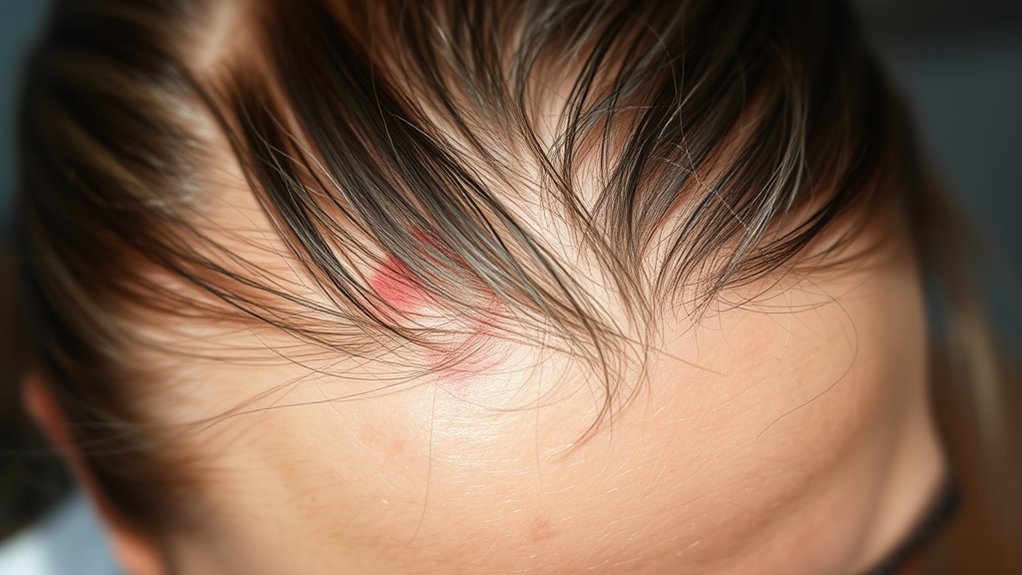

After childbirth, hormonal changes can cause hair loss and dry, sensitive skin, but you can support your recovery by eating a balanced diet rich in vitamins like iron, zinc, and biotin, staying well-hydrated, and using gentle skincare products. Protect your skin from environmental factors and avoid extreme diets. Consistent care and patience help your body recover naturally. To learn more about effective strategies, continue exploring how to restore your postpartum glow.
Key Takeaways
- Maintain a balanced diet rich in vitamins and minerals like iron, zinc, biotin, and vitamins A, C, E to support hair and skin recovery.
- Use gentle, sulfate-free shampoos and moisturizing products to protect hair health and soothe dry or sensitive skin.
- Stay well-hydrated and avoid crash diets to promote skin elasticity and overall healing post-delivery.
- Protect skin from environmental damage with broad-spectrum sunscreen and practice gentle skincare routines.
- Allow time for hormonal stabilization; seek medical advice if hair loss or skin issues persist beyond a few months.

After giving birth, many women notice changes in their hair and skin due to hormonal fluctuations. These postpartum hormone shifts can make your hair shed more than usual and cause your skin to feel drier or more sensitive. It’s a common experience that results from the sudden drop in estrogen and progesterone levels after delivery. During pregnancy, these hormones help keep your hair thick and your skin glowing. Once you’re no longer pregnant, the hormones fluctuate wildly, which can disrupt your hair growth cycle and affect your skin’s health.
Postpartum hormonal shifts can cause hair loss and skin dryness, but recovery with proper care and nutrition is possible.
You might see clumps of hair falling out, especially when you brush or wash it. This is typically temporary, as your body adjusts to the new hormonal balance. To support your recovery, focusing on nutritional support can make a significant difference. Eating a balanced diet rich in vitamins and minerals—like iron, zinc, biotin, and vitamins A, C, and E—helps nourish your hair follicles and skin from the inside out. Incorporate plenty of lean proteins, fresh fruits, vegetables, and whole grains, which provide essential nutrients to support cell repair and growth. Hydration is equally important, so drink plenty of water to keep your skin plump and resilient.
In addition to diet, consider supplementing with postpartum-specific vitamins if your healthcare provider recommends it. These often contain key nutrients tailored for new mothers, aiding in hair and skin recovery. Avoid crash diets or extreme restrictions, as they can exacerbate hair loss and skin issues. Instead, aim for steady, sustainable nutrition that promotes overall well-being.
Along with nutritional support, gentle hair and skin care routines can help ease discomfort and improve your appearance. Use mild, sulfate-free shampoos to avoid stripping your hair of natural oils and choose moisturizing creams or oils to soothe dry or irritated skin. Protect your skin from harsh environmental factors like sun exposure by applying a broad-spectrum sunscreen daily. Additionally, regular prenatal check-ups can help monitor your recovery and catch any issues early.
Frequently Asked Questions
Can Postpartum Hair Loss Be Prevented or Minimized?
You can’t completely prevent postpartum hair loss, but you can minimize it by managing hormonal fluctuations and ensuring proper nutritional support. Eat a balanced diet rich in vitamins and minerals, especially iron and biotin, to strengthen your hair. Avoid stress and harsh hair treatments, and consider gentle hair care routines. Staying hydrated and getting enough sleep also help support healthy hair growth during this period.
Are There Specific Skincare Products Safe During Breastfeeding?
Think of your skin as a delicate garden that needs gentle care. During breastfeeding, choose skincare products with safe ingredients like hyaluronic acid, ceramides, and aloe vera, ensuring they’re labeled as breastfeeding-safe. Avoid harsh chemicals like retinoids and salicylic acid. By selecting gentle, nourishing products, you protect your skin’s health, allowing it to flourish naturally while you nurture your little one. Your care today nurtures a beautiful, resilient future.
How Long Do Skin Changes Typically Last Postpartum?
Postpartum skin changes typically last from a few weeks to several months, depending on your hormonal fluctuations and skin recovery process. You might notice improvements as your hormones stabilize, usually within three to six months after birth. During this time, focus on gentle skincare, stay hydrated, and protect your skin from sun damage. Patience is key, as your body adjusts and your postpartum skin gradually recovers.
Is It Normal to Experience Hair Thinning Months After Birth?
It’s completely normal to experience hair thinning months after birth, as postpartum hormonal changes can cause postpartum hair shedding. You might feel like your hair’s playing a game of hide and seek, but rest assured, this is temporary. Your hormones are adjusting, and your hair should start to regrow naturally. Just give it some time, stay patient, and consider gentle hair care routines to support the process.
When Should I Consult a Doctor About Persistent Skin Issues?
You should see a doctor if hormonal fluctuations cause persistent skin irritation or if your skin issues don’t improve after a few weeks. If you notice redness, swelling, or worsening symptoms, it’s important to get professional advice. Don’t ignore ongoing skin problems, as they could signal underlying conditions. A healthcare provider can help identify triggers and recommend treatments to soothe your skin and manage hormonal effects effectively.
Conclusion
After giving birth, it’s common to experience hair loss and skin changes, but these often improve with time. Remember, about 40-50% of women notice hair shedding within six months postpartum, yet most see their hair and skin return to normal eventually. By adopting gentle skincare routines and staying patient, you support your body’s natural healing process. Trust that your body’s resilience will help you bounce back, and if concerns persist, consulting a healthcare provider can offer reassurance and guidance.