
Starting the year with reflection and goal cards is a great way to help kids set meaningful intentions. You can encourage them to identify small, achievable goals that promote growth and confidence. Making this process fun and visual helps children stay engaged and motivated. These tools also teach kids about effort and progress over perfection. Keep exploring to discover simple ways to make goal setting an enjoyable and lasting habit for your child.
Key Takeaways
- Reflection and goal cards help kids set age-appropriate, achievable intentions for the new year, promoting growth and confidence.
- Using these tools encourages children to think about their strengths, challenges, and areas for improvement.
- Making goal setting fun and visual boosts engagement and ownership of personal development.
- Regularly revisiting goal cards fosters perseverance, resilience, and celebration of progress throughout the year.
- These activities build a growth mindset by emphasizing effort, reflection, and ongoing self-improvement.

As the new year begins, it’s a perfect opportunity to help kids set meaningful intentions that can guide their growth and happiness. This is a great time to introduce them to the concept of personal growth through simple, intentional goal setting. When you encourage kids to reflect on what they want to achieve or improve, you’re helping them build a strong foundation for future success and confidence. Goal setting isn’t just about making resolutions; it’s about fostering a mindset that values progress and effort. By guiding children to think about their dreams and challenges, you empower them to take ownership of their development. This process helps kids understand that growth is a journey, not just a destination, and that each small step counts.
Using reflection and goal cards makes this process engaging and accessible. These cards serve as visual tools that prompt kids to think about different areas of their lives—whether it’s kindness, responsibility, or learning new skills. When children write their goals on these cards, they practice clarity and focus, turning broad ideas into actionable steps. It’s important to keep the goals realistic and age-appropriate, so kids don’t feel overwhelmed or discouraged. For example, a goal like “be kinder to classmates” is tangible and easy to track, encouraging consistent effort. As they revisit their goal cards regularly, kids learn the value of perseverance and celebrate small wins, which further fuels their personal growth.
You can make goal setting a fun and meaningful activity by involving children in creating their reflection prompts. Ask questions like, “What did you do well this week?” or “What is something new you want to try?” These questions guide children to think critically about their actions and attitudes, fostering self-awareness. When kids see their intentions written down, they develop a sense of ownership and responsibility for their progress. Incorporating color accuracy and other visual elements into their reflection activities can help motivate them and make the process more engaging. When kids see their progress over time, they develop confidence and motivation to set new goals throughout the year.
Ultimately, helping kids use reflection and goal cards for their New Year’s intentions creates a positive, growth-oriented mindset. It’s a simple yet powerful way to nurture their personal growth, build resilience, and instill the habit of goal setting. With your guidance, children learn that setting intentions isn’t about perfection but about progress, effort, and celebrating their journey of becoming their best selves.
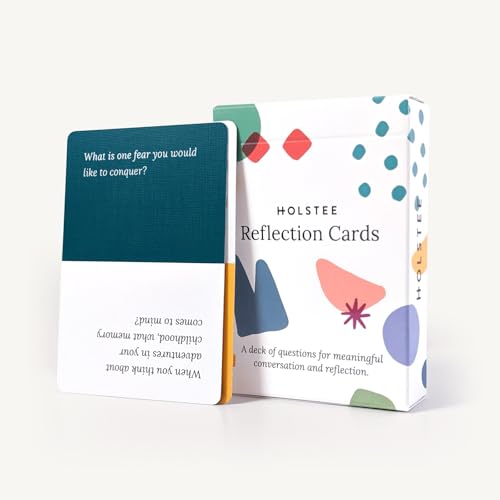
Holstee Reflection Cards – A Deck of 100+ Questions to Spark Meaningful Connections and Conversations
⚡️SPARK MEANINGFUL CONVERSATIONS: This 100+ questions deck brings more intention and engagement to your conversations and relationships.
As an affiliate, we earn on qualifying purchases.
As an affiliate, we earn on qualifying purchases.
Frequently Asked Questions
How Can I Make Goal-Setting Fun for Young Children?
You can make goal-setting fun for young children by incorporating creative journaling and visual goal setting. Encourage them to draw pictures of their goals or use colorful stickers to decorate their pages. Turn it into a playful activity where they can express themselves freely. Celebrate their progress with small rewards, making the process exciting and engaging. This approach helps kids see goal-setting as a fun, creative adventure rather than a chore.
What Are Some Age-Appropriate Reflection Activities?
Reflection activities for kids are like gentle waves, helping them explore their feelings smoothly. You can guide them through mindful breathing exercises to calm their minds and boost self-esteem. Encourage simple questions like “What made you happy today?” or “What’s something you’re proud of?” Keep it light and fun, allowing children to express themselves freely. These activities nurture self-awareness and confidence, making reflection a positive and age-appropriate experience.
How Often Should Kids Revisit Their Intentions?
You should encourage kids to revisit their intentions every month or so, aligning with celebration timing like birthdays or milestones. This helps them stay motivated and see their progress tracking clearly. Regular check-ins boost their confidence and allow adjustments if needed. Keep the sessions positive and engaging, so revisiting intentions becomes a natural part of their routine, rather than an obligation.
Can Intention Cards Be Used for Group Activities?
Yes, intention cards work well for group activities, as they promote positive group dynamics and encourage shared reflection. You can use them for activity ideas like team-building exercises or discussion prompts. By using intention cards in a group setting, you help kids connect, support each other’s goals, and foster a collaborative environment. Incorporating these cards makes activities more engaging and meaningful, inspiring kids to set and achieve intentions together.
How Do I Encourage Kids to Stay Motivated?
Ironically, keeping kids motivated often feels like chasing a moving target. You can boost their motivation with simple yet effective engagement techniques like celebrating small wins, setting clear goals, and offering positive reinforcement. Incorporate motivational strategies such as giving them choices, making activities fun, and showing genuine enthusiasm. These approaches help kids stay engaged and committed, transforming motivation from fleeting to lasting. Remember, consistency is your secret weapon.
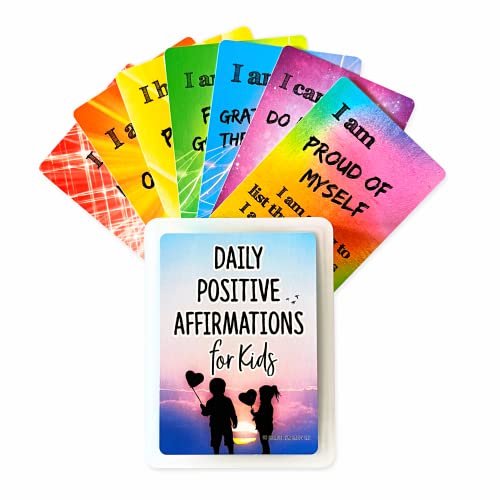
Daily Positive Affirmation Cards for Kids, Mindfulness Activities, Confidence Building, Growth Mindset, Positive Attitude, 54 Glossy cards in hard storage box, Loved by teachers, parents, & therapists
💙 INSPIRE CONFIDENCE IN YOUR CHILD – Featuring 54 affirmations paired with action challenges, these cards empower children…
As an affiliate, we earn on qualifying purchases.
As an affiliate, we earn on qualifying purchases.
Conclusion
As you encourage your kids to set intentions, remember that nearly 80% of children who reflect on their goals feel more motivated and confident throughout the year. Using reflection and goal cards makes the process fun and meaningful. By helping them focus on their aspirations now, you’re setting the stage for growth and positivity in the months ahead. Embrace this new tradition and watch your kids thrive with renewed purpose and enthusiasm.

8pcs Attendance Charts for Classroom Management 11×13.8in Multi-Color Incentive Reward Chart Kids Behavior Chart Student Homework Tracker for Chore Responsibility Assignments Data Progress Tracking
Quality Material: Attendance chart for classroom management is crafted with high-quality cardstock and laminated with a protective PET…
As an affiliate, we earn on qualifying purchases.
As an affiliate, we earn on qualifying purchases.

Sight Words Flash Cards Kindergarten to 4th Grade – 600 Words from Dolch's and Fry's Lists with 18 Mini Games
WHY CHOOSE OUR SIGHT WORD FLASH CARDS? Larger Cards made of more durable card stock, Larger, more readable…
As an affiliate, we earn on qualifying purchases.
As an affiliate, we earn on qualifying purchases.