

To build pre-literacy skills without worksheets, focus on engaging your child in everyday activities that foster phonemic awareness and print concepts. Play sound games like rhyming or clapping to help them recognize sounds, and point out print during daily routines, such as reading signs or turning pages in books. Use conversations, songs, and interactive toys to develop confidence and curiosity. Keep exploring these simple methods to support their early literacy journey.

Turn the school run and nap time into listening time
- Thousands of audiobooks, podcasts and originals
- Listen on your phone, tablet or Echo — also offline
- Cancel anytime
Key Takeaways
- Engage children in daily conversations about print, signs, and books to build print awareness naturally.
- Play sound games like rhyming, clapping, and initial sound identification to develop phonemic awareness.
- Incorporate picture books, alphabet puzzles, and letter magnets into play to foster print concepts.
- Use songs, nursery rhymes, and storytelling to enhance language development without worksheets.
- Create an interactive environment that encourages curiosity, exploration, and confidence in early literacy skills.
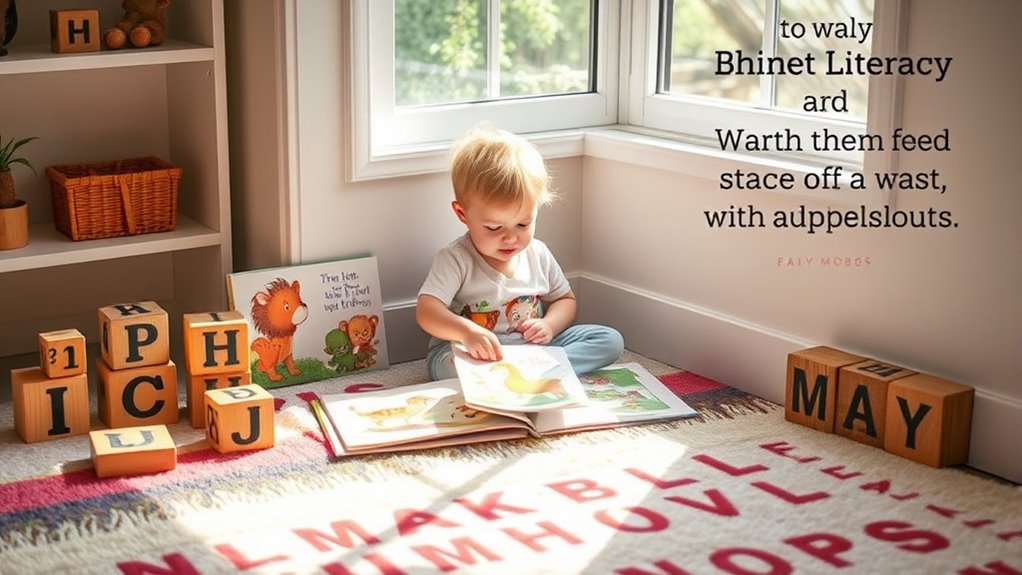
Reading Readiness
Are your young learners prepared to start reading? Before diving into books and words, it’s essential to ensure they have a solid foundation in pre-literacy skills. Two of the most crucial skills at this stage are phonemic awareness and print concepts. These skills act as the building blocks for future reading success and can be developed without relying on worksheets or formal lessons. Instead, engaging activities and everyday interactions can foster these skills naturally and enjoyably.
Phonemic awareness is the ability to recognize and manipulate individual sounds in spoken words. It’s not about recognizing letters but about understanding that words are made up of sounds, which is vital for decoding words later on. You can support this by playing simple sound games, like clapping out syllables, rhyming, or identifying the first sounds in words. For instance, asking, “What sound do you hear at the beginning of ‘dog’?” encourages your child to listen carefully. These activities improve auditory discrimination, which is fundamental for decoding and spelling. Remember, developing phonemic awareness doesn’t require worksheets; it flourishes through fun, spoken interactions.
Support phonemic awareness with fun sound games like rhyming, clapping, and identifying sounds in words.
Print concepts refer to understanding how written language works. This includes recognizing that print carries meaning, knowing that print is read from left to right and top to bottom, and understanding that words are made up of individual letters. These concepts are critical because they form the foundation for comprehension and decoding skills. You can introduce print concepts during daily routines—pointing out signs, reading labels, or turning pages in a book—and talking about what you see. For example, when reading together, say, “Look, the words go from left to right,” or “These letters spell ‘cat’.” Such conversations help children understand how written language functions in the real world.
Creating an environment rich in print and spoken language naturally supports both phonemic awareness and print concepts. Use picture books, alphabet puzzles, and letter magnets to make learning interactive and tactile. Sing songs, recite nursery rhymes, and play with letter toys—these activities promote phonemic awareness and awareness of print in a relaxed, engaging manner. The goal isn’t to drill but to immerse your child in language, making these skills second nature. Engaging in interactive reading activities can further enhance understanding of print concepts and foster a love for reading. The goal isn’t to drill but to immerse your child in language, making these skills second nature. By fostering a love of words and sounds through everyday interactions, you lay a sturdy foundation for reading that will serve your child well when they begin formal instruction. Remember, the journey to reading readiness is about nurturing curiosity and confidence—no worksheets required.
alphabet puzzles for preschoolers
As an affiliate, we earn on qualifying purchases.
As an affiliate, we earn on qualifying purchases.
Frequently Asked Questions
How Can I Assess My Child’s Pre-Literacy Skills at Home?
You can assess your child’s pre-literacy skills at home by observing their storytelling techniques and how they connect words and pictures. Engage in daily conversations, ask them to retell stories, and notice their understanding of literacy development milestones like recognizing letters or rhyming. Use simple activities like reading aloud together and encouraging them to describe pictures, which helps you gauge their progress naturally and supports their early literacy growth.
What Are the Signs My Child Is Ready to Learn to Read?
You’ll notice your child shows interest in storytelling techniques, such as retelling stories or asking questions about books. They may also enjoy exploring a rich reading environment with colorful books and engaging visuals. When they start recognizing simple words or showing enthusiasm for books, it’s a good sign they’re ready to learn to read. Keep fostering their curiosity and make reading fun to support their progress.
How Can I Encourage a Love of Reading Without Worksheets?
Oh, the horror of worksheets! Instead, you can spark your child’s love of reading through storytelling techniques and library visits. Make stories come alive with funny voices and animated expressions, turning reading into a fun adventure. Take them to the library often, letting them pick books that excite their curiosity. This hands-on, joyful approach encourages a genuine passion for stories, without the drudgery of worksheets.
Are There Specific Activities to Develop Phonemic Awareness?
You can develop phonemic awareness through activities like phoneme isolation and sound matching. For phoneme isolation, have your child identify the beginning, middle, or ending sounds in words. For sound matching, play games where they find objects or pictures that start with the same sound. These engaging activities make learning fun and help your child recognize and manipulate sounds, building a strong foundation for reading readiness.
When Should I Consider Professional Help for Reading Delays?
Imagine your child’s reading journey as a delicate sapling needing sunlight and care. If they’re missing key literacy milestones despite your efforts, it’s time to seek professional help. Early intervention acts like watering the sapling, ensuring healthy growth. Trust your instincts—if progress stalls or concerns grow, consulting a specialist can provide targeted strategies, supporting your child’s path toward confident reading and early literacy success.
Conclusion
As you realize that building pre-literacy skills doesn’t require endless worksheets, it’s ironic how simple activities like talking, singing, and playing can do more than any worksheet ever could. You might think you need structured lessons to prepare your child, but often, it’s the unstructured moments that truly foster reading readiness. So, ironically, the best prep isn’t about perfect techniques—it’s about enjoying the natural, joyful experiences that spark a lifelong love of reading.
Cold & flu season Picks
humidifiers
As an affiliate, we earn on qualifying purchases.